Planning
Which Canary Island is warmest in winter? We read the official records
Every island claims winter sun. We took the long-term records of Spain's weather service, AEMET, for every island's weather station and put them side by side, month by month. The answer depends on whether you want heat, sunshine or dry days.
 By The Better Trip Editorial TeamPublished 19 October 2026Last checked: October 20265 min read
The short answer
For the warmest winter days, south Tenerife: its weather station averages 21.7°C in January, the highest in the islands. For the most sunshine, Lanzarote: 203 hours in January, about six and a half a day, ten more than south Tenerife and nearly twenty more than Gran Canaria.
The bigger difference is not between islands but between coasts. Tenerife's north airport station, up at 632 metres, averages 16.0°C in January with 7.7 days of rain; the south airport station on the same island averages 21.7°C with 1.8. Pick the south coast of whichever island you choose, and the islands are within a degree of each other.
What only this guide tells you
Thirty years of official records, island by island
Most "warmest Canary Island" pages quote round numbers with no source, and several are copies of each other. We used AEMET's published climate normals, the 1981 to 2010 averages that Spain's state weather service calculates for each station, for all eight stations it publishes in the islands: the airports of all seven islands plus Santa Cruz de Tenerife.
That let us compare like with like: average highs and lows, hours of sunshine, days of rain and fully clear days, for every month from November to March. It also showed something the round-number pages miss: the island with the most sunshine hours in winter (Lanzarote) is not the one with the most cloudless days (south Tenerife).
January, island by island
Which Canary Island is warmest in January?
January is the coolest month almost everywhere in the islands, so it is the fair test. On the coast, the daytime highs sit within about a degree of each other: 20.6°C at Fuerteventura and La Palma, 21.7°C in south Tenerife. Where the islands really differ is sunshine and rain.
South Tenerife wins on dry, cloudless days: 1.8 days of rain and 8.3 clear days in an average January, roughly twice the clear days of anywhere else. Lanzarote wins on hours of sun, and Fuerteventura is nearly as dry as south Tenerife. La Palma and El Hierro, the two western islands, are mild but noticeably cloudier.
| Station | Average high | Average low | Sunshine | Rain days | Clear days |
|---|---|---|---|---|---|
| Tenerife South airport | 21.7°C | 15.2°C | 193 h (6.2 a day) | 1.8 | 8.3 |
| Santa Cruz de Tenerife | 21.0°C | 15.4°C | 178 h (5.7 a day) | 4.2 | 3.4 |
| El Hierro airport | 20.9°C | 16.6°C | 145 h (4.7 a day) | 3.1 | 4.3 |
| Gran Canaria airport | 20.8°C | 15.0°C | 184 h (5.9 a day) | 3.1 | 4.1 |
| Lanzarote airport | 20.7°C | 14.0°C | 203 h (6.5 a day) | 3.2 | 4.3 |
| Fuerteventura airport | 20.6°C | 14.7°C | 190 h (6.1 a day) | 2.5 | 4.0 |
| La Palma airport | 20.6°C | 15.5°C | 141 h (4.5 a day) | 5.3 | 4.6 |
| Tenerife North airport (632 m) | 16.0°C | 10.2°C | 150 h (4.8 a day) | 7.7 | 3.2 |
November to March on the three big holiday islands
What is the weather like in the Canaries from November to March?
Winter in the islands is short. November is still warm (highs of 24°C to 25°C) but it brings the first rain. December and January are the coolest and cloudiest. February is barely warmer than January, and then March jumps: 33 to 45 more hours of sunshine than January, depending on the island, with less rain.
If your dates are flexible, March is the best-value winter month for sun: the same warmth as February, the most sunshine of the season and, on south Tenerife, nine fully clear days.
| Month | South Tenerife | Gran Canaria | Lanzarote | Fuerteventura |
|---|---|---|---|---|
| November | 24.8°C, 193 h | 24.2°C, 185 h | 24.2°C, 207 h | 24.0°C, 203 h |
| December | 22.8°C, 195 h | 22.2°C, 179 h | 21.8°C, 196 h | 22.0°C, 186 h |
| January | 21.7°C, 193 h | 20.8°C, 184 h | 20.7°C, 203 h | 20.6°C, 190 h |
| February | 22.0°C, 195 h | 21.2°C, 191 h | 21.3°C, 201 h | 21.0°C, 190 h |
| March | 23.1°C, 226 h | 22.3°C, 229 h | 22.9°C, 241 h | 22.2°C, 233 h |
North or south: the choice that matters more than the island
Is the north or south of Tenerife better in winter?
On Tenerife the two airport stations tell the story. Tenerife North, at 632 metres in the hills above La Laguna, averages 16.0°C in January with 7.7 days of rain and 80 mm of it. Tenerife South, near the coast at 64 metres, averages 21.7°C with 1.8 days and 17 mm. Part of that gap is altitude, but not all of it: Santa Cruz, on the north-east coast at sea level, still has more than twice the rain days of the south (4.2) and fewer than half its clear days.
The trade winds bring cloud to the north-facing slopes of the high islands, and the mountains keep much of it off the south. That is why the north is green and the south is not. The north coast, Puerto de la Cruz and Garachico, is often lovely in winter and many people prefer it, but if your one aim is a reliable tan, the south coast of Tenerife or Gran Canaria is the safer bet. AEMET publishes no long-term normals for Puerto de la Cruz or Maspalomas themselves, so we will not give you numbers for them.
How to get the most sun out of a Canary winter
What the records suggest, in practice.
- Choose the coast before the islandWithin Tenerife, the gap between the north and south airport stations (5.7°C and six more rain days in January) is far bigger than the gap between any two islands' main stations. Book the south coast first and the island second.
- Move your dates to March if you canMarch gives every island 33 to 45 more hours of sunshine than January at the same or slightly warmer temperatures. Lanzarote averages 241 hours, almost eight a day.
- Want sun hours? Lanzarote. Want blue sky? South TenerifeLanzarote and Fuerteventura log the most sunshine across the day; south Tenerife has the most days with no cloud at all. If you are there for a week of uninterrupted blue, the clear-day count is the better guide.
- Pack for 14°C eveningsJanuary nights average 14°C to 15°C on the coast of the eastern islands and south Tenerife. Terraces at dinner want a layer. El Hierro has the mildest nights in the islands, at 16.6°C.
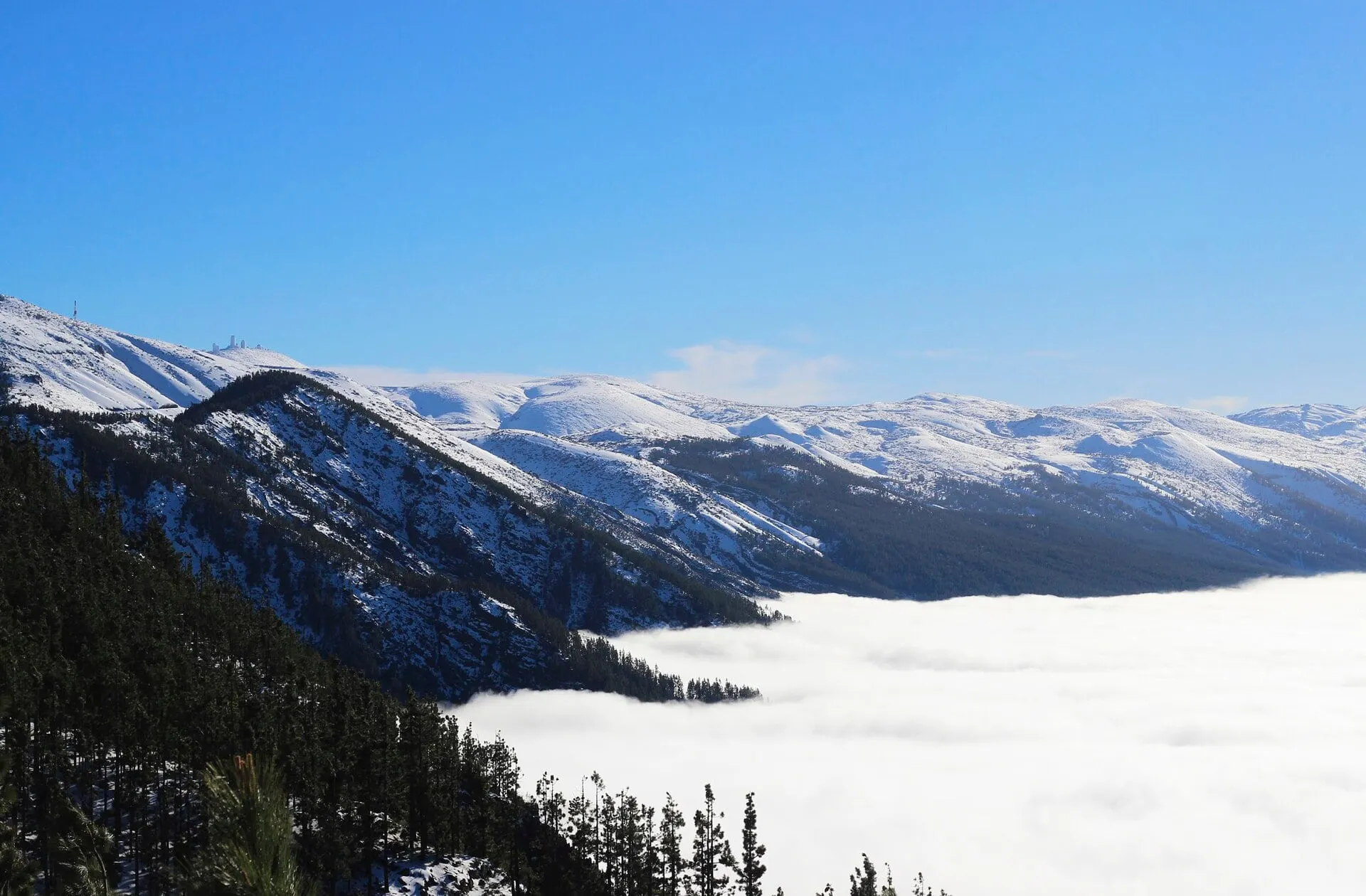
- Take a jacket up the mountainSnow is common on Teide in winter, and the Cabildo de Tenerife closes the roads up to the national park (the TF-21 from La Orotava and the TF-24 from La Esperanza) when ice and snow make them unsafe, as it did in March 2024, December 2024 and February 2026. A day trip from a 22°C beach to Las Cañadas can mean freezing temperatures at the top, or a closed road.
The catch
Normals are averages, and recent winters have run warmer
AEMET's normals cover 1981 to 2010. Recent winters have often been warmer: AEMET rated January 2024 the warmest January in the Canaries since its records began in 1961, 3.1°C above normal. An average also hides bad weeks; a winter storm can bring two grey days to any island.
What to do. Treat the tables as the odds, not a forecast, and check AEMET's forecast for your island the week before you fly.
Saharan dust can steal the sun
Calima, dust blown from the Sahara on east winds, turns the sky grey-yellow and can last days. The worst in two decades, in February 2020, closed most of the islands' airports for non-inter-island flights, and Gran Canaria, Fuerteventura and Lanzarote were hit hardest.
What to do. If a calima warning coincides with your flight, check with your airline before leaving for the airport. People with asthma should carry their medication.
Weather stations are at airports, not on your sunbed
Most of these stations sit at airports, and Gran Canaria's is on the east coast rather than in the southern resorts. Your beach may be a little sunnier or windier than the numbers.
What to do. Use the tables to compare islands and coasts, then read the where-to-stay guide for the island you choose.
Where we would stay
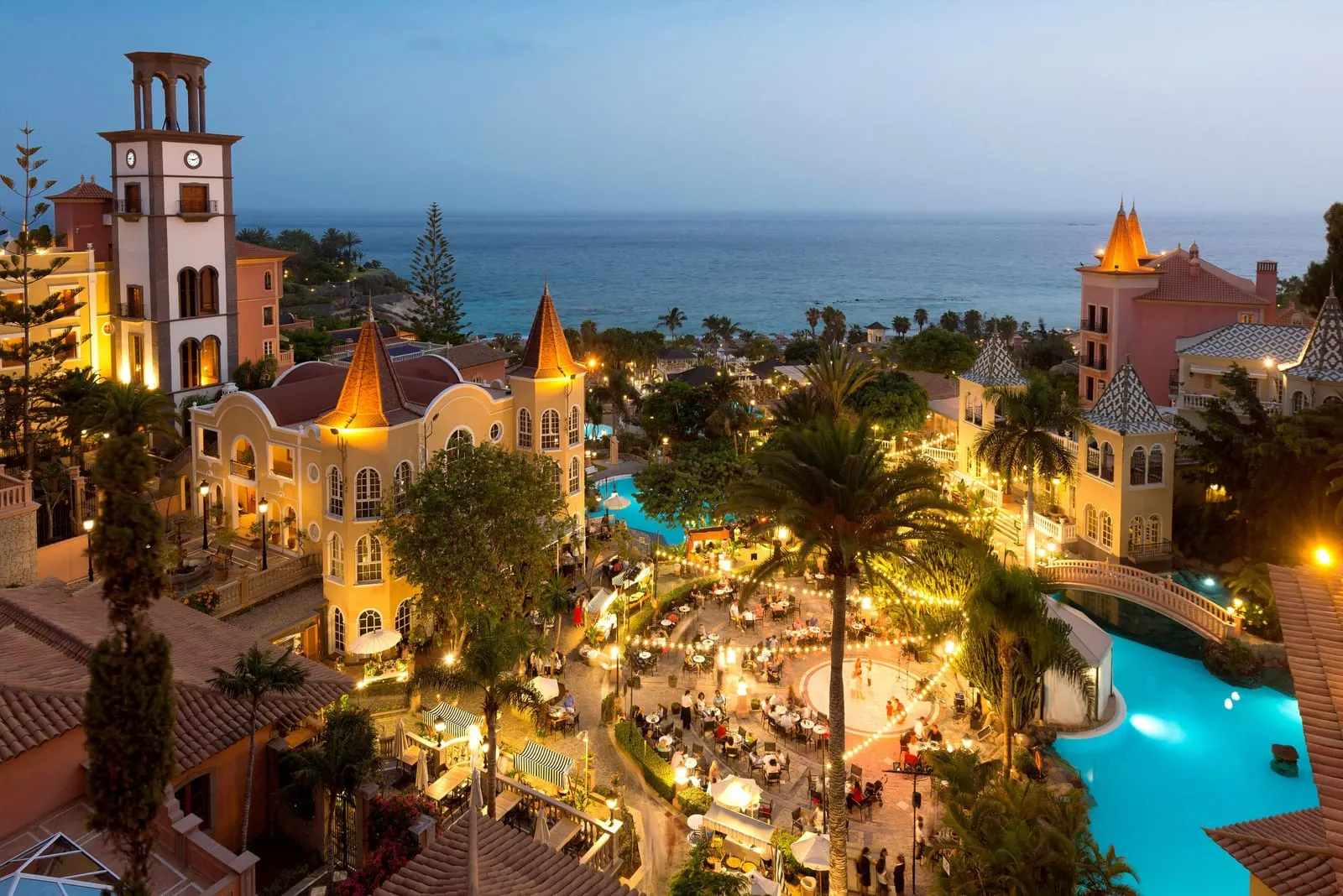
Costa Adeje, Tenerife
Bahía del Duque
The original Costa Adeje grande dame, still the best beachfront address for a family with taste.
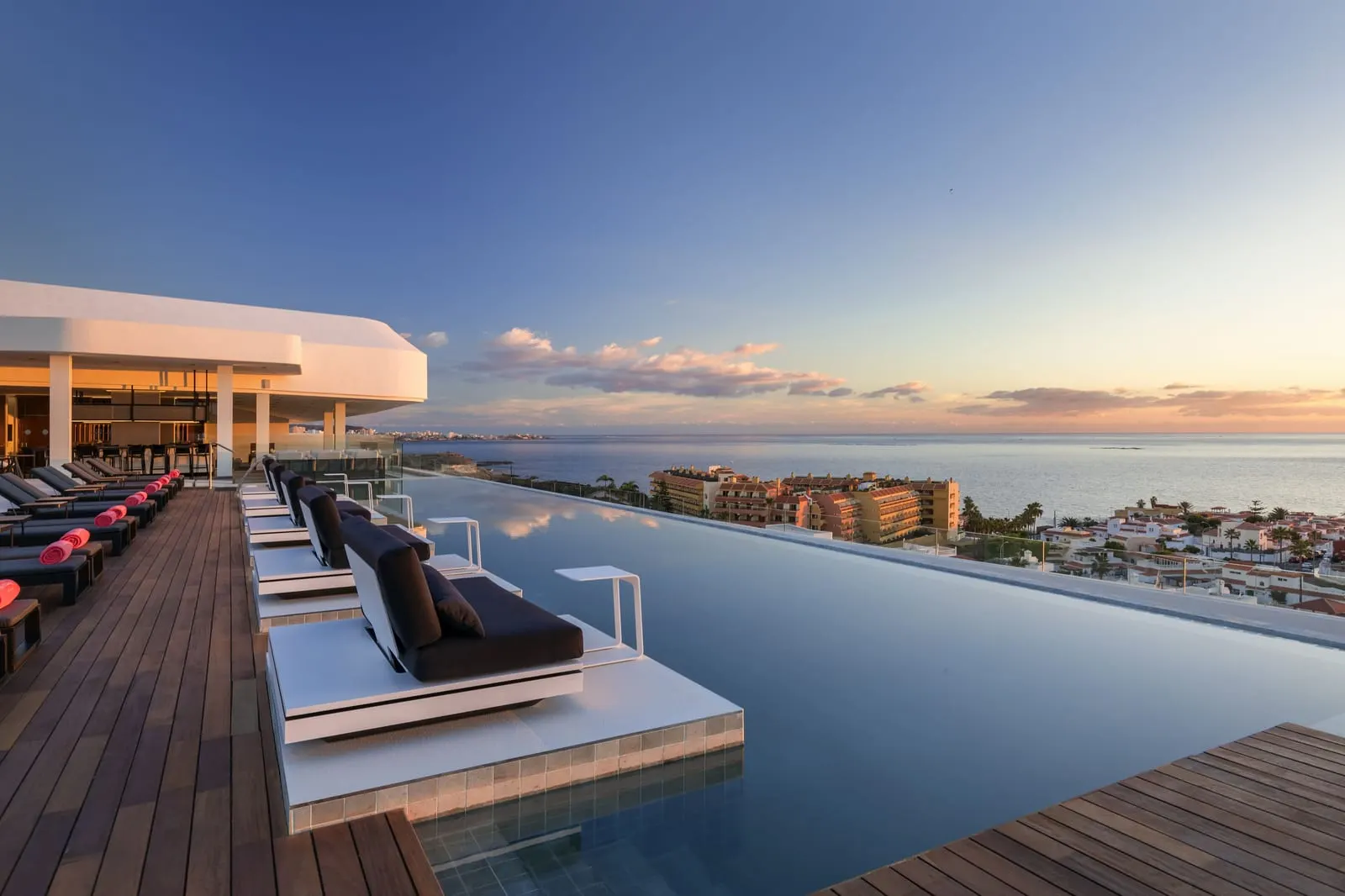
La Caleta, Costa Adeje, Tenerife
Royal Hideaway Corales Beach
The most complete answer to a winter-sun week in Tenerife for two grown-ups.
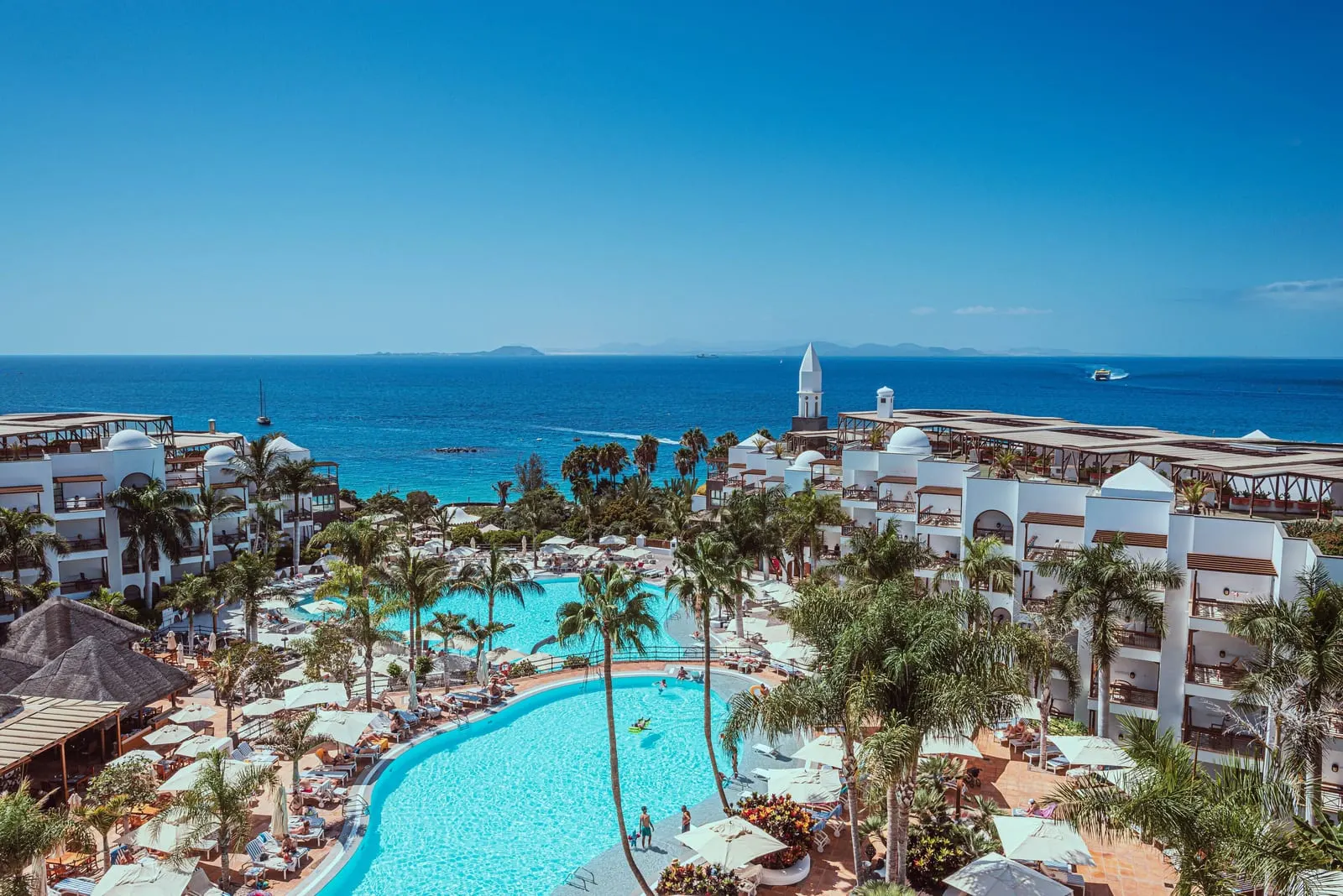
Playa Blanca, Lanzarote
Princesa Yaiza Suite Hotel Resort
A suite resort on calm Playa Dorada with a 10,000 m² children's park, six pools and a seawater thalasso for the parents.
Puerto del Carmen, Lanzarote
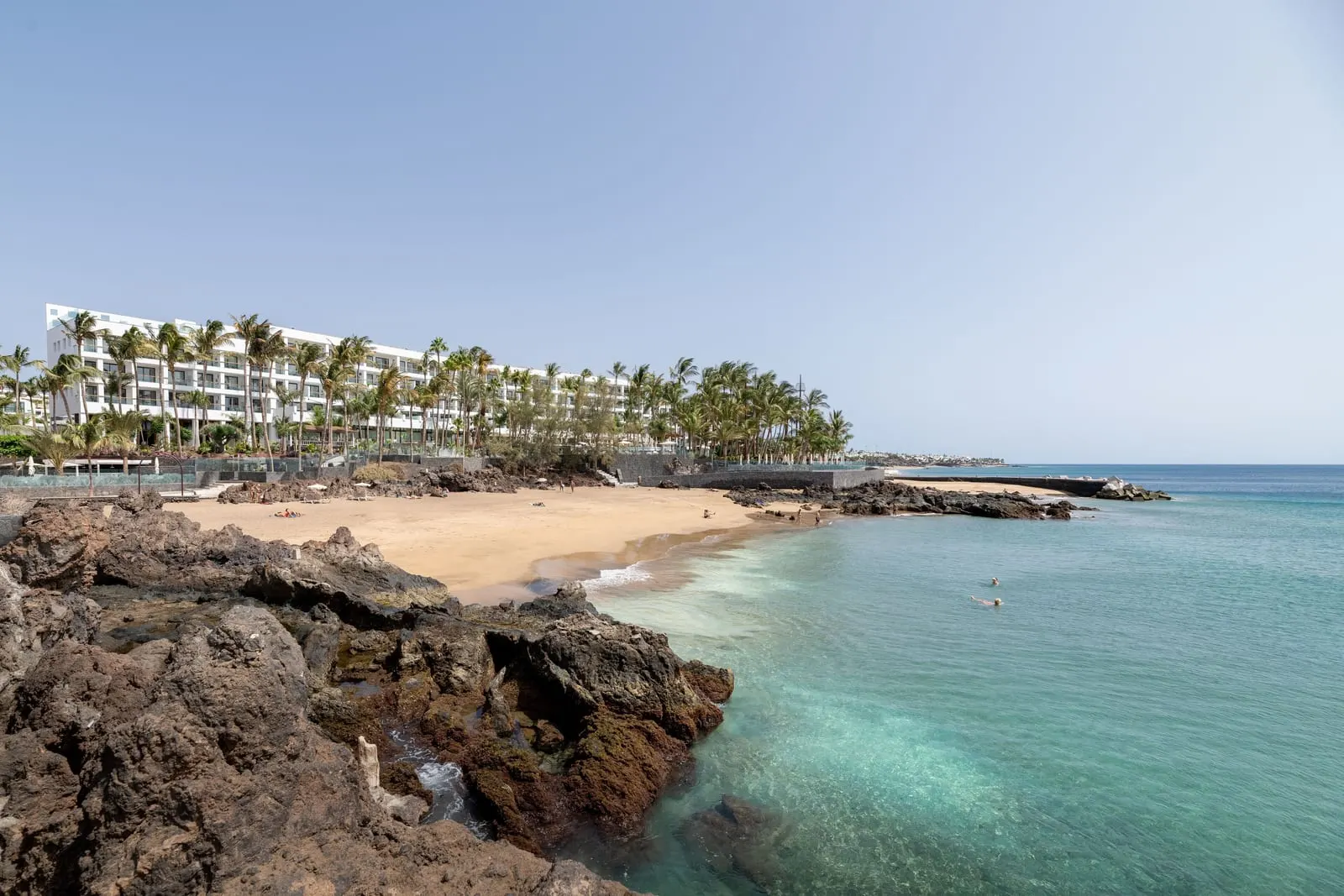
Hotel Fariones
Lanzarote's first beach hotel, fully renovated as a five-star in 2020, with Playa Grande's sand a minute from the door.
Maspalomas, Gran Canaria
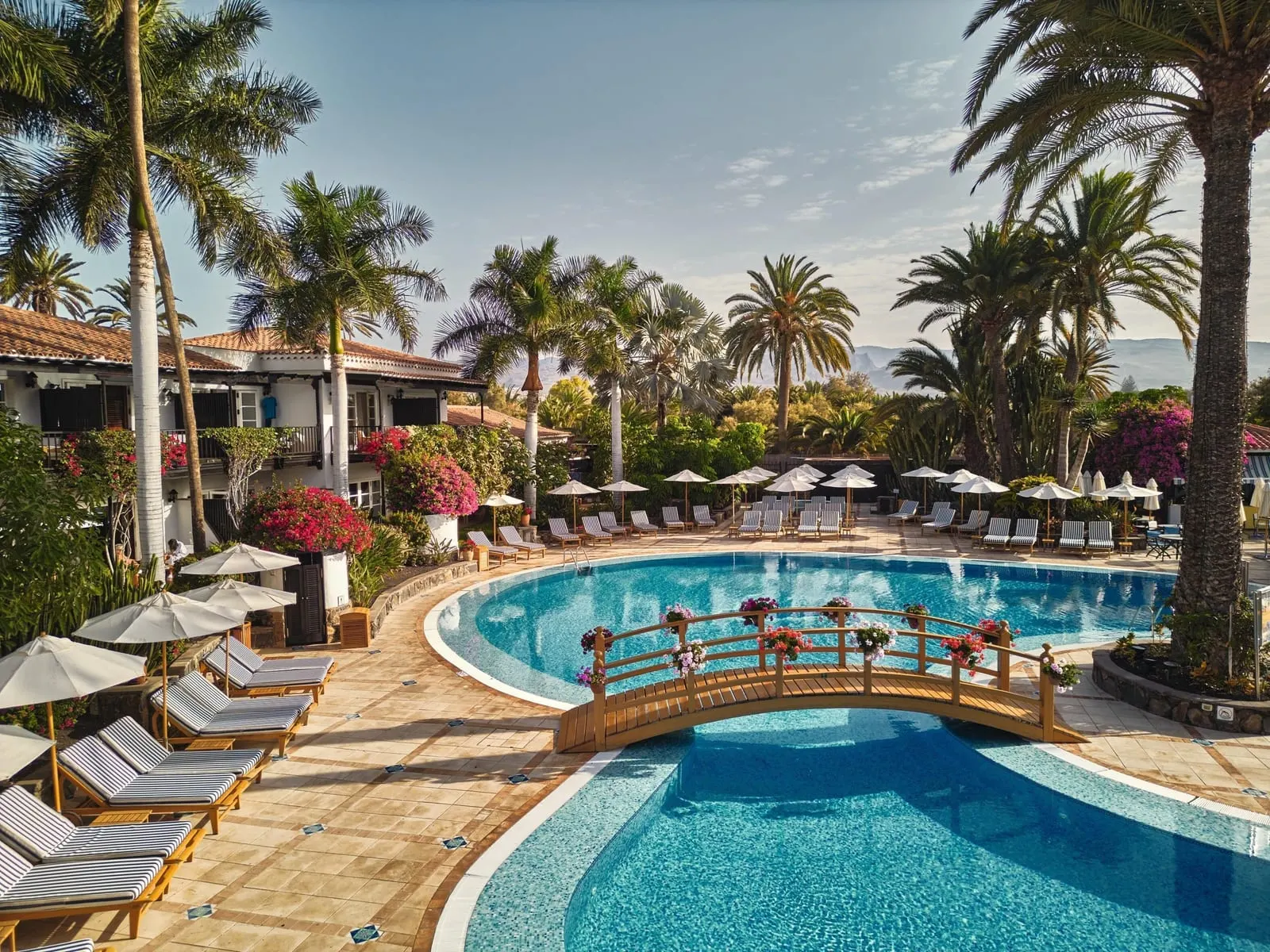
Seaside Grand Hotel Residencia
A Gran Lujo five-star of colonial-style villas in the Maspalomas palm grove, eight minutes' walk from the dunes beach.
Puerto de la Cruz, Tenerife
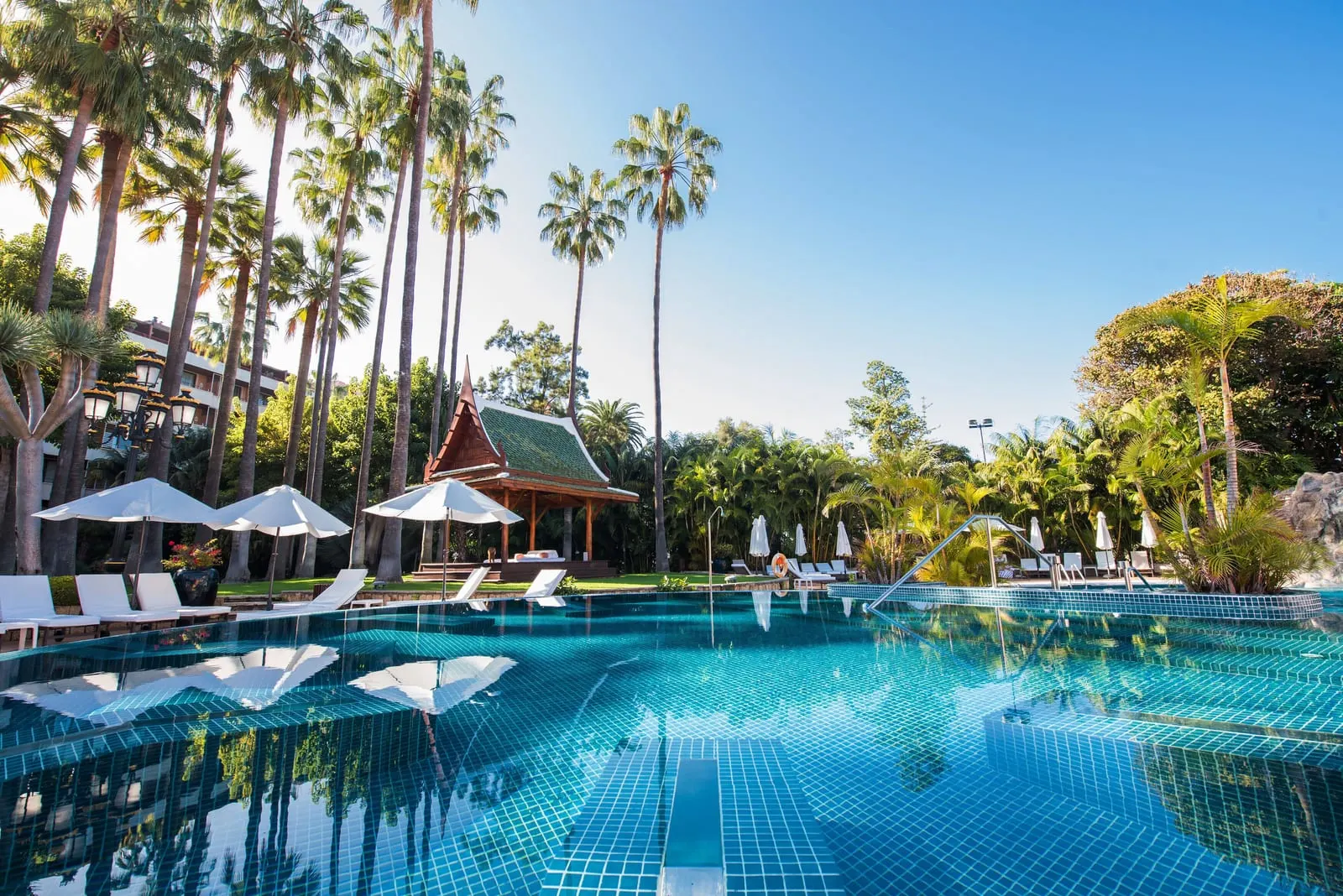
Hotel Botánico & The Oriental Spa Garden
The north's established five-star, with a serious spa and gardens that justify the cloudier skies.
Questions people ask
Good questions about Which Canary Island is warmest in winter? We read the official records
Which Canary Island is the warmest in winter?
South Tenerife has the warmest winter days: its weather station averages 21.7°C in January and 22.8°C in December, AEMET's 1981 to 2010 normals. Gran Canaria, Lanzarote and Fuerteventura are within about a degree, so the coast you choose matters more than the island.
Which Canary Island gets the most sun in winter?
Lanzarote: 203 hours of sunshine in an average January, about six and a half hours a day, and 196 in December. South Tenerife follows with 193 and 195, and has the most completely clear days.
Is it warm enough to swim in the Canaries in January?
Daytime highs of 20°C to 22°C on the south coasts make for warm sunbathing, and many people swim, but evenings drop to 14°C or 15°C. Heated hotel pools are worth checking for if you plan to swim every day.
Is the north of Tenerife rainy in winter?
Much more than the south. Tenerife North airport, at 632 metres, averages 7.7 rain days and 80 mm in January; Tenerife South airport averages 1.8 days and 17 mm. Even Santa Cruz, at sea level on the north-east coast, has 4.2 rain days.
What is the best month for winter sun in the Canary Islands?
March. It has the most sunshine of the winter months, 33 to 45 hours more than January, depending on the island, at similar or slightly higher temperatures. November is warmer, but it is when the winter rain begins.
Sources we read (12)
- aemet.es/es/serviciosclimaticos/datosclimatologicos/valoresclimatologicos?l=C429I&k=coo
- aemet.es/es/serviciosclimaticos/datosclimatologicos/valoresclimatologicos?l=C447A&k=coo
- aemet.es/es/serviciosclimaticos/datosclimatologicos/valoresclimatologicos?l=C449C&k=coo
- aemet.es/es/serviciosclimaticos/datosclimatologicos/valoresclimatologicos?l=C649I&k=coo
- aemet.es/es/serviciosclimaticos/datosclimatologicos/valoresclimatologicos?l=C029O&k=coo
- aemet.es/es/serviciosclimaticos/datosclimatologicos/valoresclimatologicos?l=C249I&k=coo
- aemet.es/es/serviciosclimaticos/datosclimatologicos/valoresclimatologicos?l=C139E&k=coo
- aemet.es/es/serviciosclimaticos/datosclimatologicos/valoresclimatologicos?l=C929I&k=coo
- repositorio.aemet.es/bitstream/20.500.11765/15482/1/ACM_CLM_202401.pdf
- aemetblog.es/2020/02/24/informe-operativo-semanal-semana-del-17-al-23-de-febrero-de-2020
- rtvc.es/la-nieve-obliga-a-cerrar-los-accesos-al-teide-por-seguridad-22-diciembre-2024
- diariodeavisos.elespanol.com/2026/02/tenerife-cierre-accesos-teide-alerta-viento-nieve
Last checked: October 2026
More guides


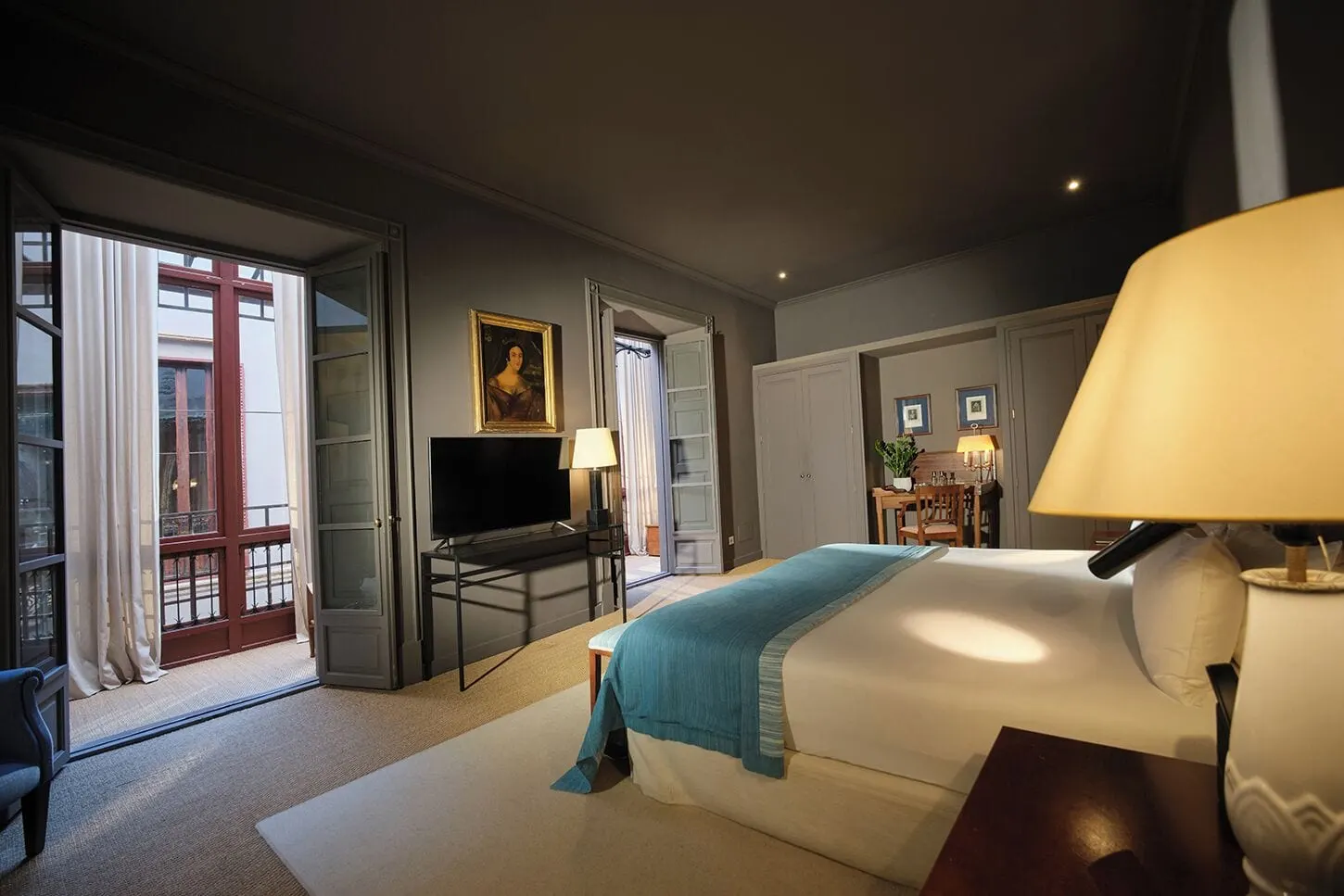
Image credits: Lviatour (CC BY-SA 3.0) · Wouter Hagens (CC BY-SA 3.0) · Marc Ryckaert (MJJR) (CC BY 3.0) · Diego Delso (CC BY-SA 3.0) · Alejandro Hg (CC BY 3.0)