Better Journeys
The best train journeys in Europe
A great train journey is not the fastest way between two places. It is the one where the window does the work: a valley that opens without warning, a viaduct you only see from the curve before it, a lake that sits level with the track and then is gone. These are the rides we think are worth planning a trip around, each with the side to sit on, the season it is at its best and what a seat really costs.
The short answer
The best train journeys in Europe are the lines built through the landscape rather than around it: mountain railways with spirals and viaducts, coastal routes that hold the shore, slow trains through valleys the motorway skips. Each page below gives the journey time, the fare from, the side to sit on, the season to go and whether you need a reservation.
The journeys
- Switzerland
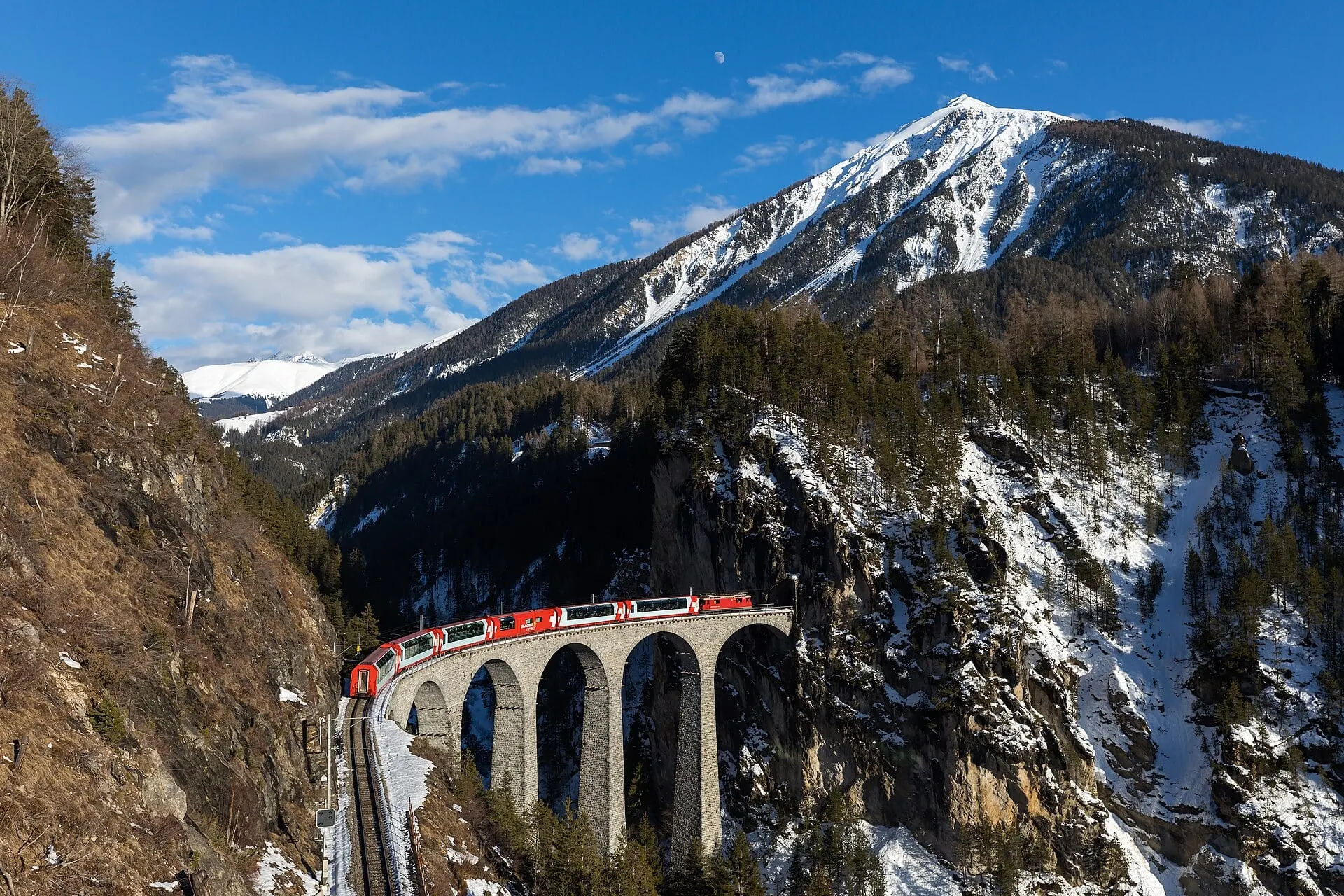
Zermatt → St. Moritz
The Glacier Express
Eight hours, one narrow-gauge line, from the Matterhorn's valley over the Oberalp to the lakes of the Engadin.
7 h 47 min from ZermattWinterSummer 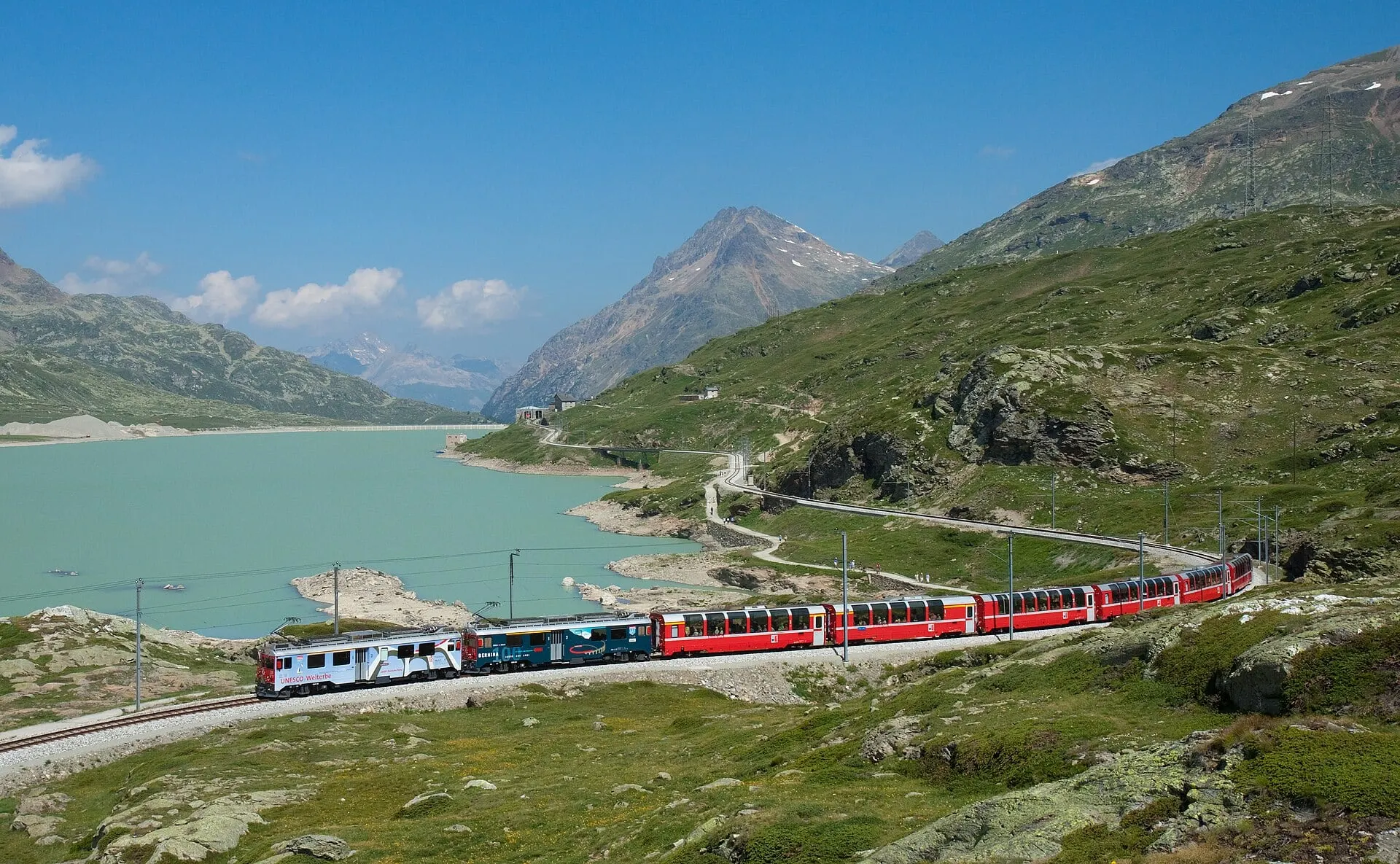 Switzerland · Italy
Chur → Tirano
The Bernina line
Over the Landwasser Viaduct, past glaciers at 2,253 m, round a stone spiral and down to the palms of Tirano.
4 h 32 min on the 08:17 from Chur; about 2 h 15 min from St. MoritzWinterSummer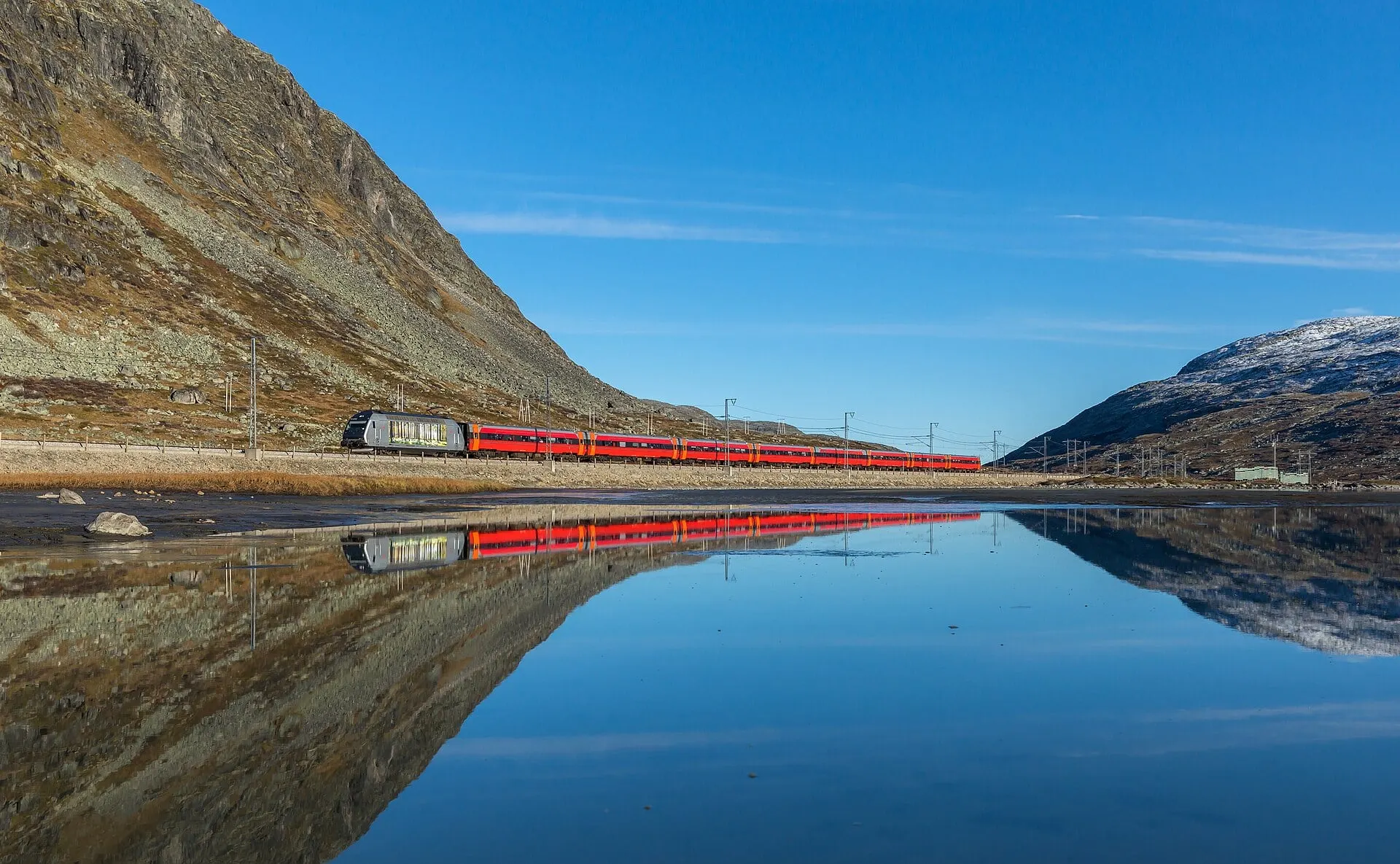 Norway
Oslo → Bergen
The Bergen Line
Seven hours from fjord city to fjord city, with a snowfield 1,222 metres up in the middle.
6 h 35 min to 7 h 20 minWinterSummer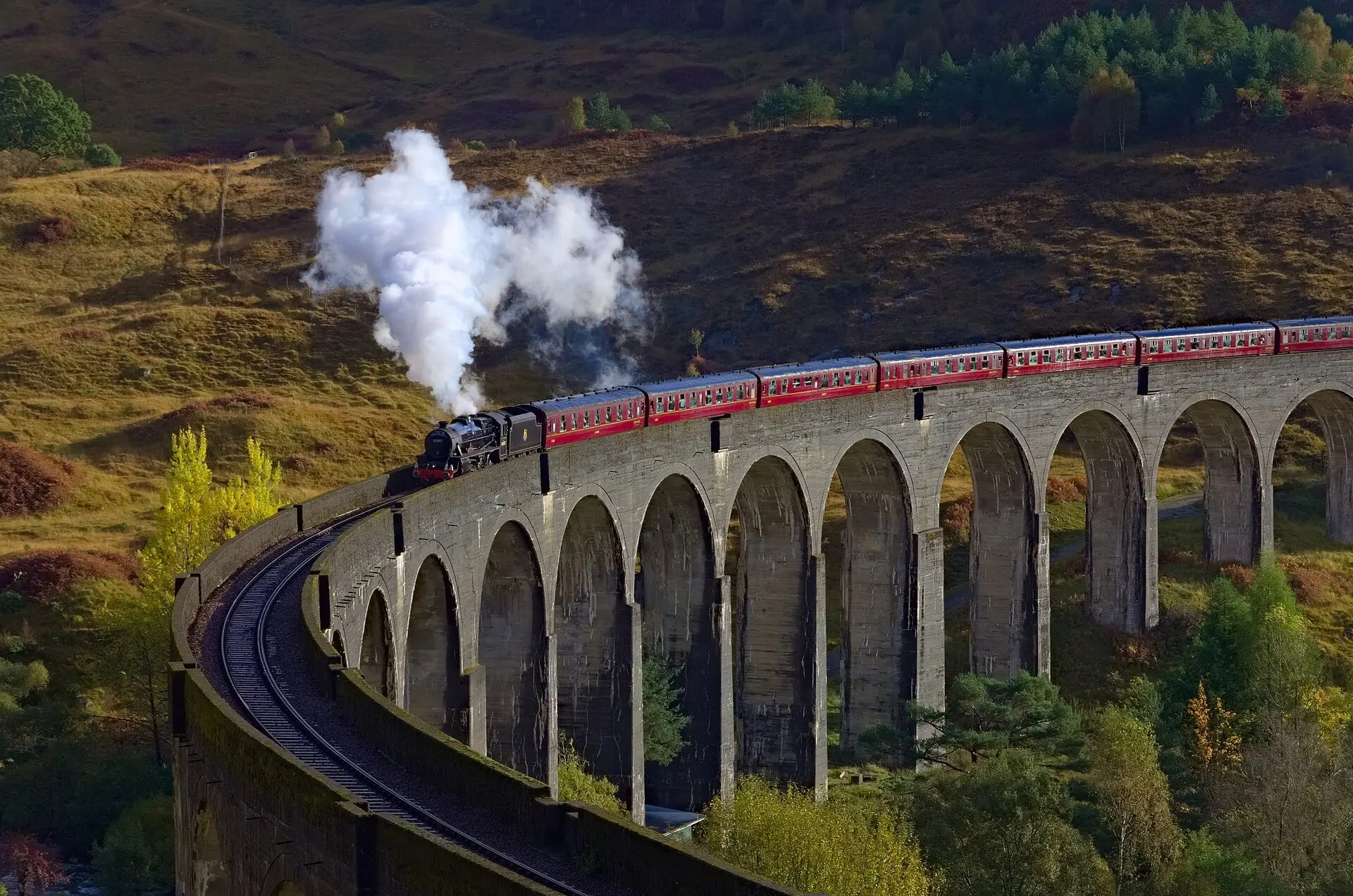 United Kingdom
Glasgow → Mallaig
The West Highland Line
Loch Lomond, the empty bog of Rannoch Moor, 21 concrete arches at Glenfinnan, then the sea and Skye.
about 5 h 20 to MallaigSpringSummerAutumn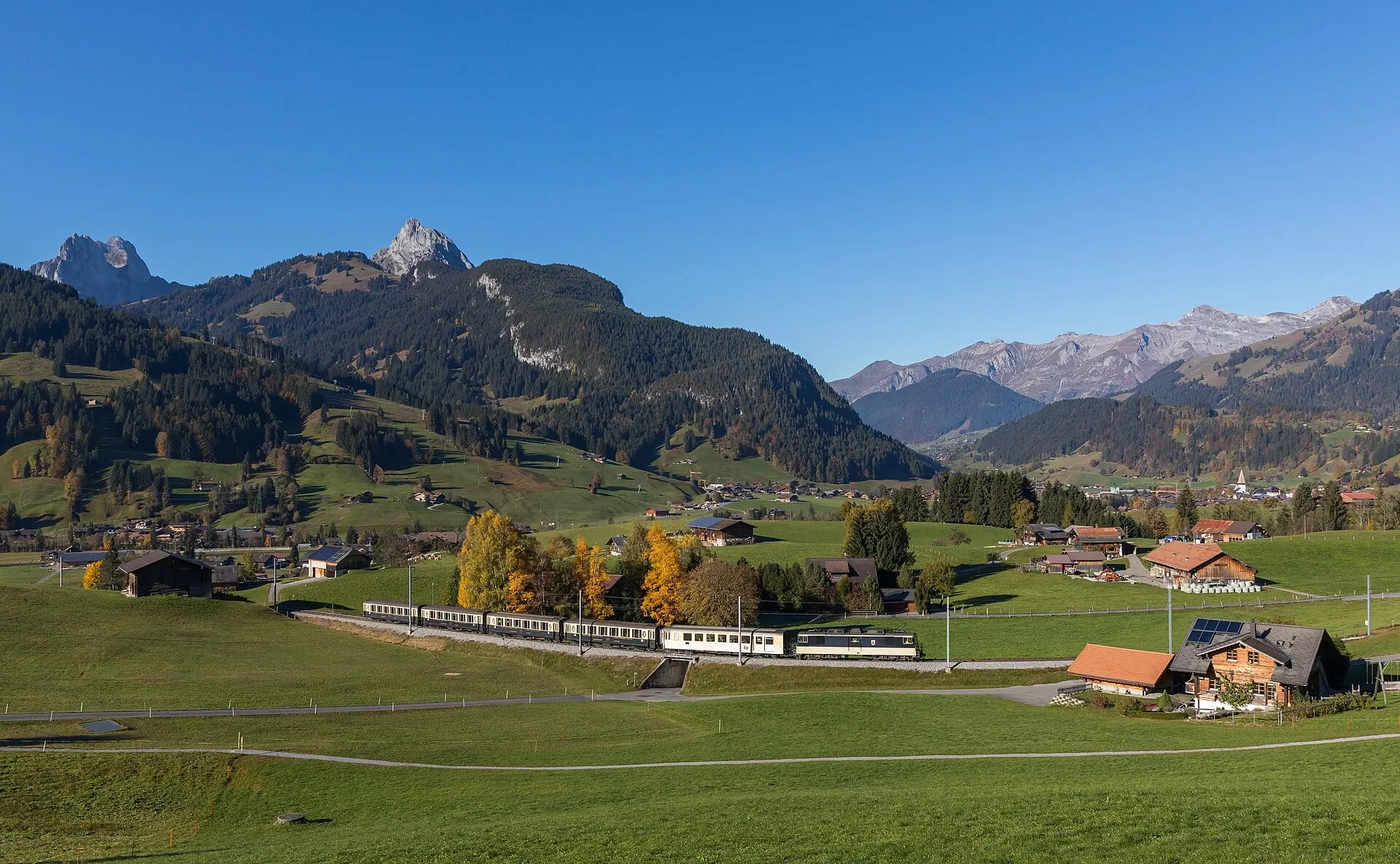 Switzerland
Montreux → Interlaken
The GoldenPass line
From the palms of Lake Geneva to Lake Thun under the Eiger, in one train that changes its own gauge on the way
3 h 16 min directWinterSummer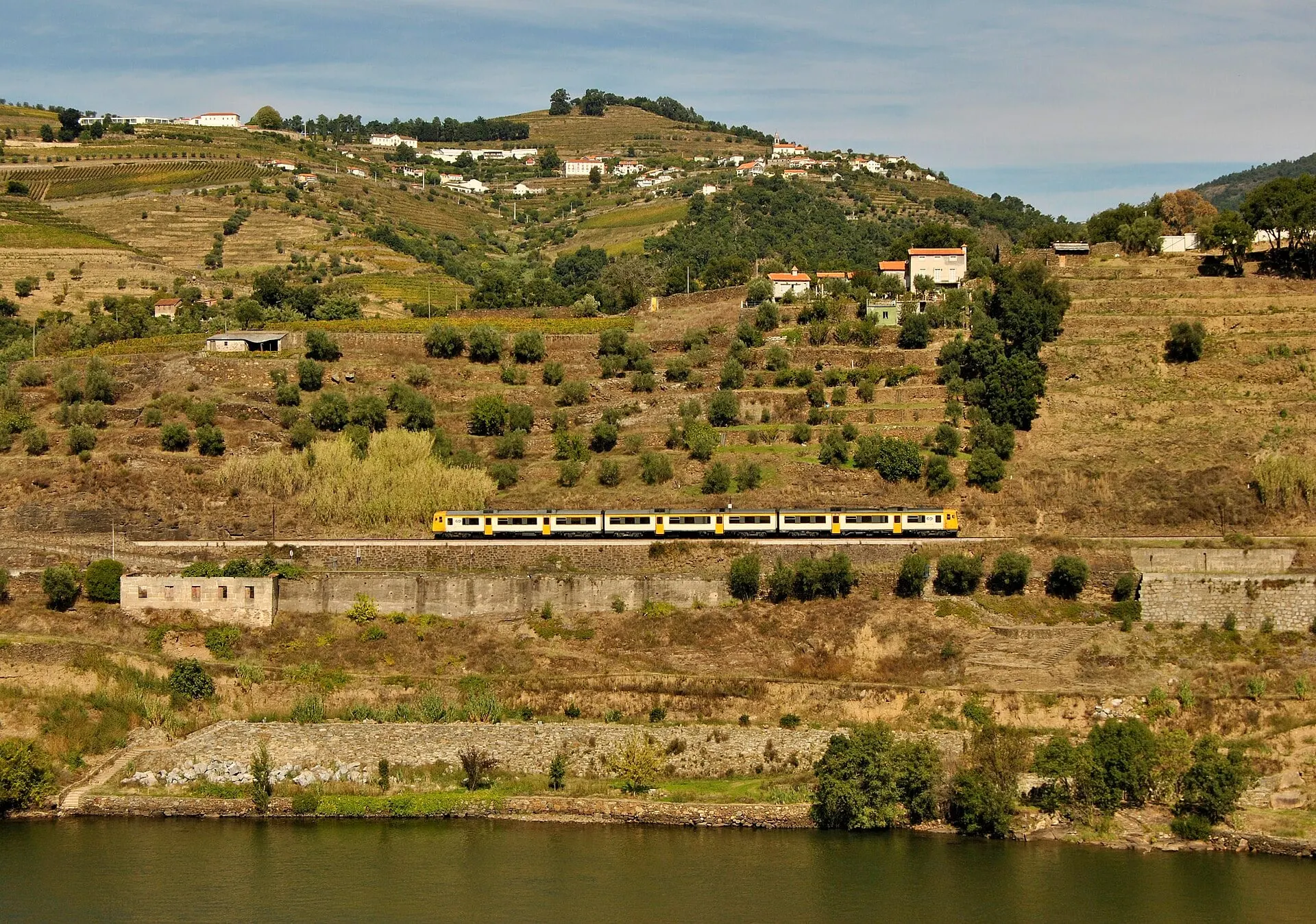 Portugal
Porto → Pinhão
The Douro line
Up the Douro along the water's edge, vineyard terraces climbing both banks and the river at the window.
about 2 h 20SpringSummerAutumn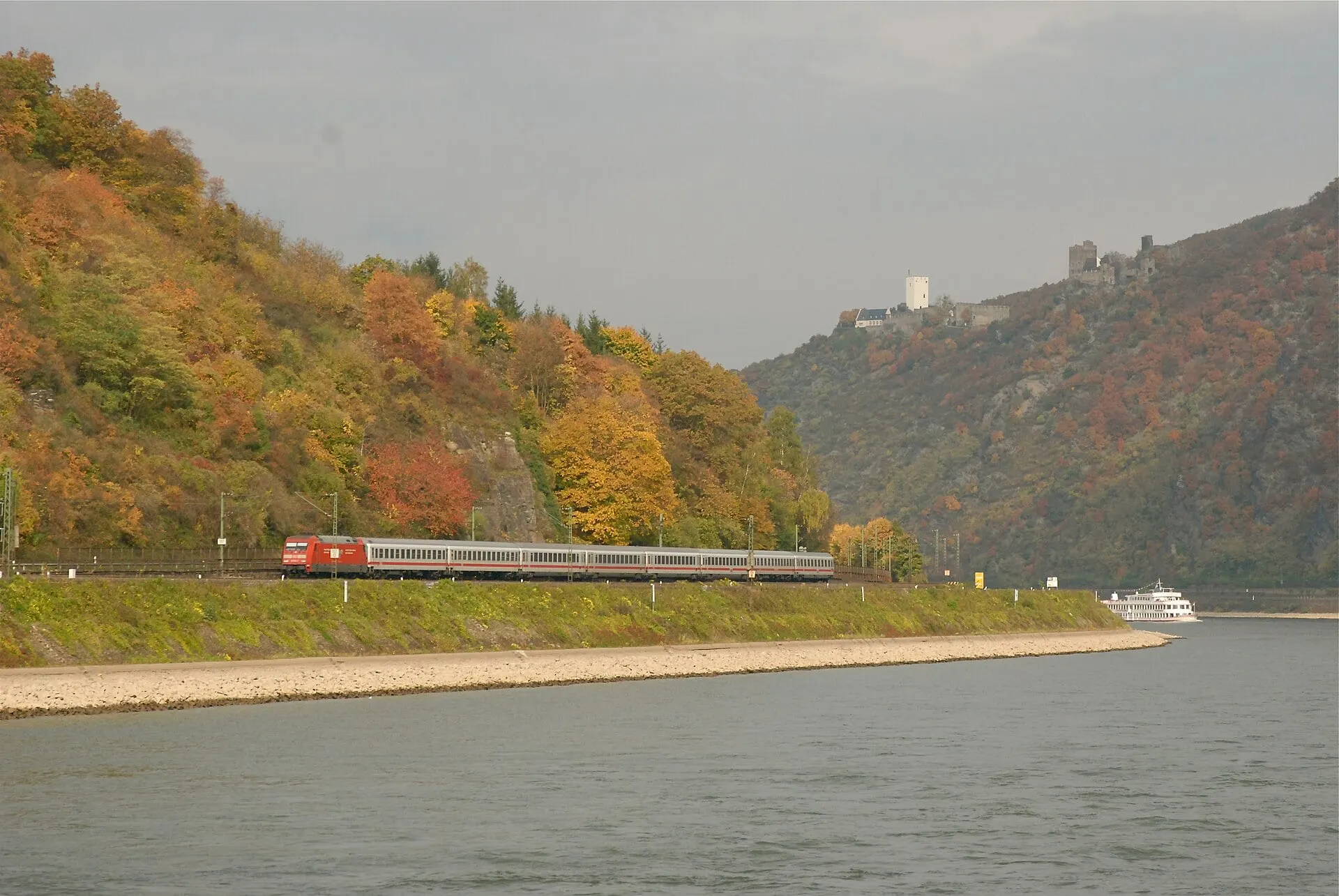 Germany
Cologne → Mainz
The Rhine Valley line
Forty castles, the Lorelei and a toll tower in midstream, all from the window of an ordinary hourly train.
1 h 46 min via KoblenzSummerAutumn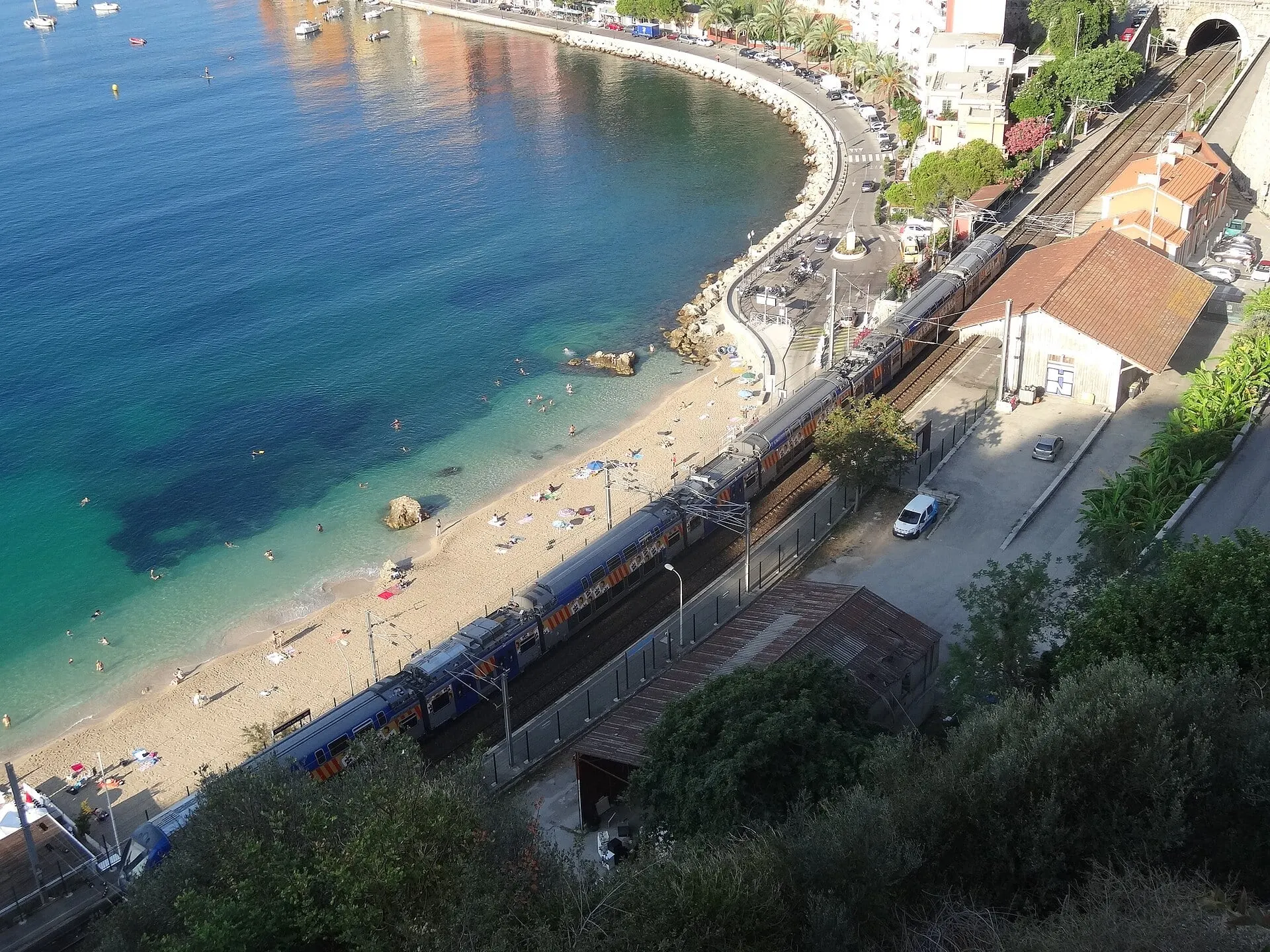 France · Monaco · Italy
Nice → Monaco
The Riviera coast line
Villefranche's bay under the window, three capes, then Monaco's station cut into the rock.
22 to 26 minWinterSpringSummerAutumn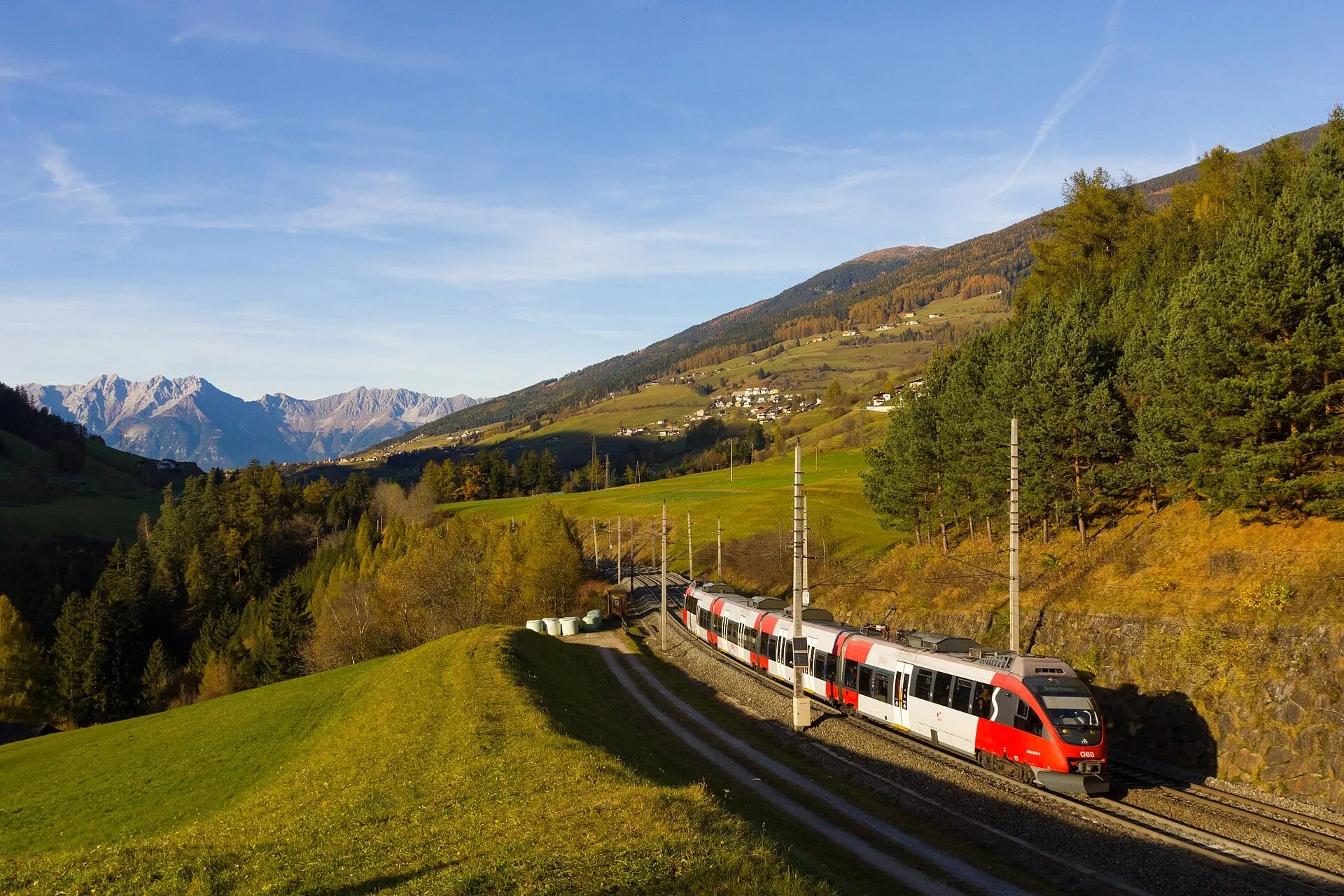 Germany · Austria · Italy
Munich → Verona
The Brenner line
From Bavarian meadows up the Inn, over the Brenner and down through the vineyards of South Tyrol.
5 h 24 min to 5 h 41 minWinterAutumn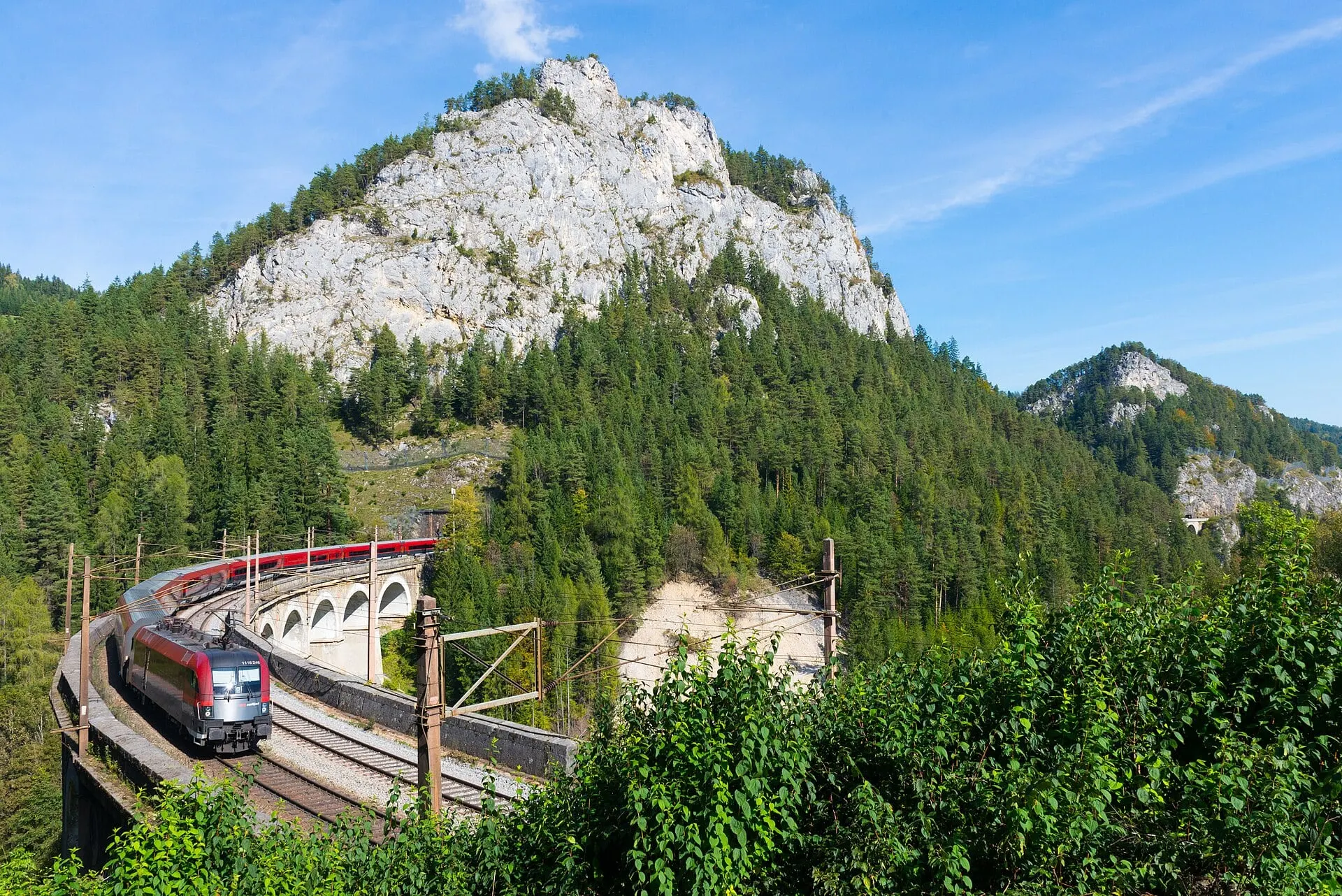 Austria
Vienna → Graz
The Semmering Railway
Europe's first mountain railway, still on the main line: viaducts stacked two high and a summit at 895 m.
2 h 26 min to 2 h 36 minWinterAutumn
Questions people ask
Good questions about The best train journeys in Europe
What is the most scenic train journey in Europe?
There is no single answer, because the best one depends on what you want from the window. For high mountains, look at the Alpine lines with spirals and viaducts; for the sea, the coastal routes that run beside it for hours. Each journey here is on the list for a different reason, and its page says what that reason is, when it is at its best and which side of the train to sit on.
Do I need to book scenic trains in advance?
It depends on the train. Panoramic and named services usually need a seat reservation, and in summer the good seats on the popular lines go weeks ahead. Ordinary regional trains on the same tracks often need only a ticket, bought on the day. Each journey page says which applies, what the reservation costs and how far ahead to book.
Is a rail pass worth it for scenic train journeys?
Sometimes. A pass covers the fare on most routes but rarely the seat reservation on panoramic trains, which is paid for separately. If you are making one journey, a single ticket is usually cheaper; if you are linking several in one country, a national pass can pay for itself. Price the journeys you want first, then compare.
Which side of the train should I sit on?
On most scenic lines one side has the better view for most of the way, and on mountain railways it can change at a spiral or a summit. Each journey page names the side, facing the direction of travel, and says where it changes. On a panoramic train with windows into the roof it matters less; on an ordinary regional train it matters a great deal.
When is the best time of year for a scenic train journey?
For mountain lines, winter and high summer are the two classic seasons: snow and clear air, or long days and open passes. Spring and autumn are quieter and often cheaper, with the light at a lower angle. Each journey page marks the seasons it is at its best and says what each one gives and takes away.
Image credits: Kabelleger / David Gubler (CC BY-SA 4.0) · Kabelleger / David Gubler (CC BY-SA 3.0) · Daniel Kraft (CC BY-SA 3.0) · Kabelleger (CC BY-SA 4.0) · Nelso Silva (CC BY-SA 2.0) · Jakkes (CC BY-SA 3.0) · Jordiferrer (CC BY-SA 4.0) · Liberaler Humanist (CC BY-SA 4.0)