Better Journeys
The best ferry journeys in Europe
A ferry is the oldest way to arrive somewhere, and still the best. The harbour shrinks behind you, the coast turns into a line, and then the place you are going rises out of the water a piece at a time. These are the crossings we think are worth taking for their own sake, each with where to stand, the fast boat against the slow one, the season it is at its best and what a ticket costs.
The short answer
The best ferry routes in Europe are the short and middling crossings where the view is the point: islands seen from the sea, coastlines no road reaches, harbours that only make sense from the water. Fast boats save time but often keep you indoors; slower ferries let you stand on deck. Each page below gives the crossing time, the fare from, where to stand and the season to go.
The journeys
- Italy
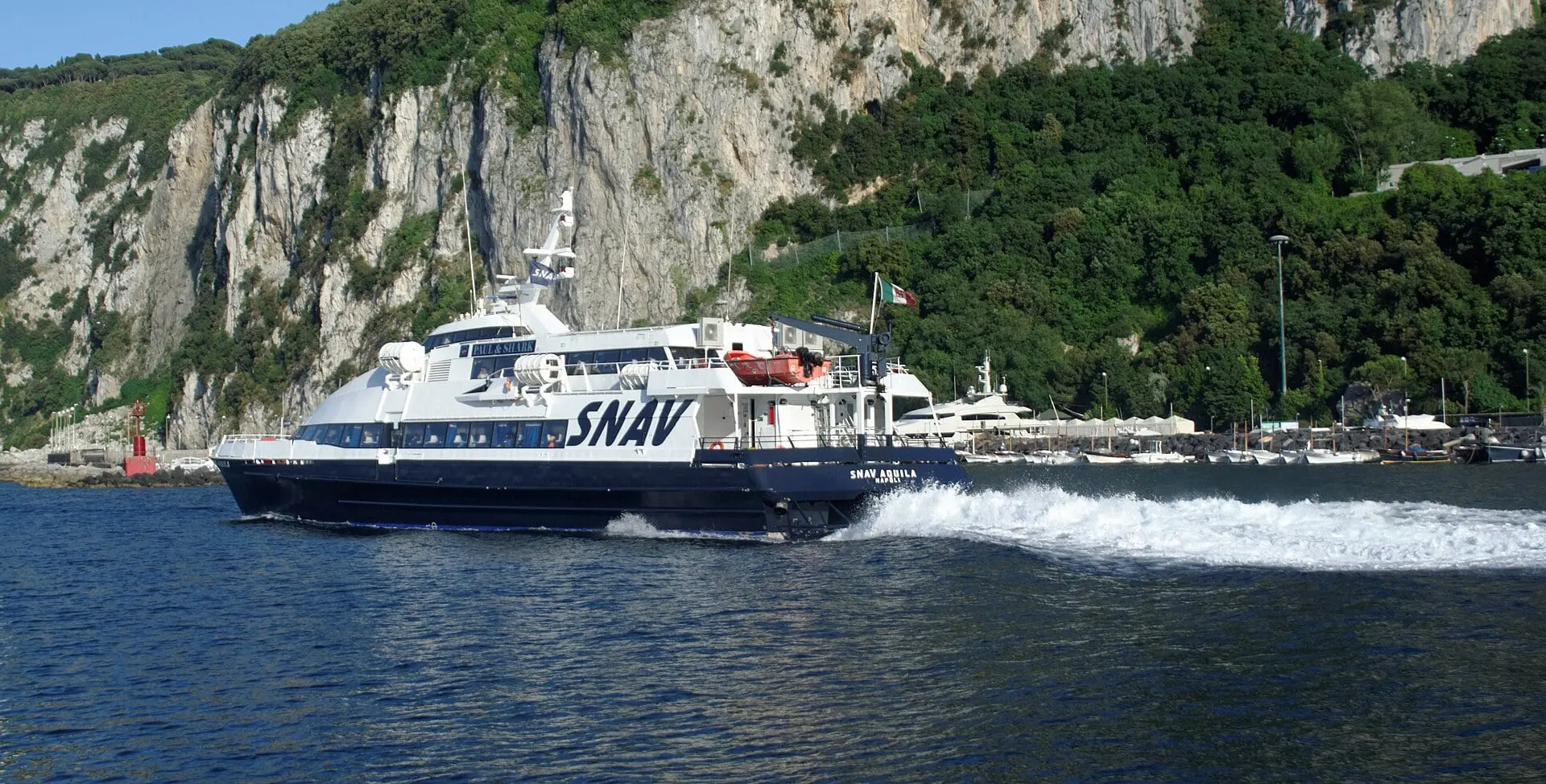
Naples → Capri
Naples to Capri
Vesuvius behind you, the Sorrento peninsula on your left, and Capri rising out of the sea ahead.
50 min fast boat; 75 to 87 min car ferrySpringSummerAutumn 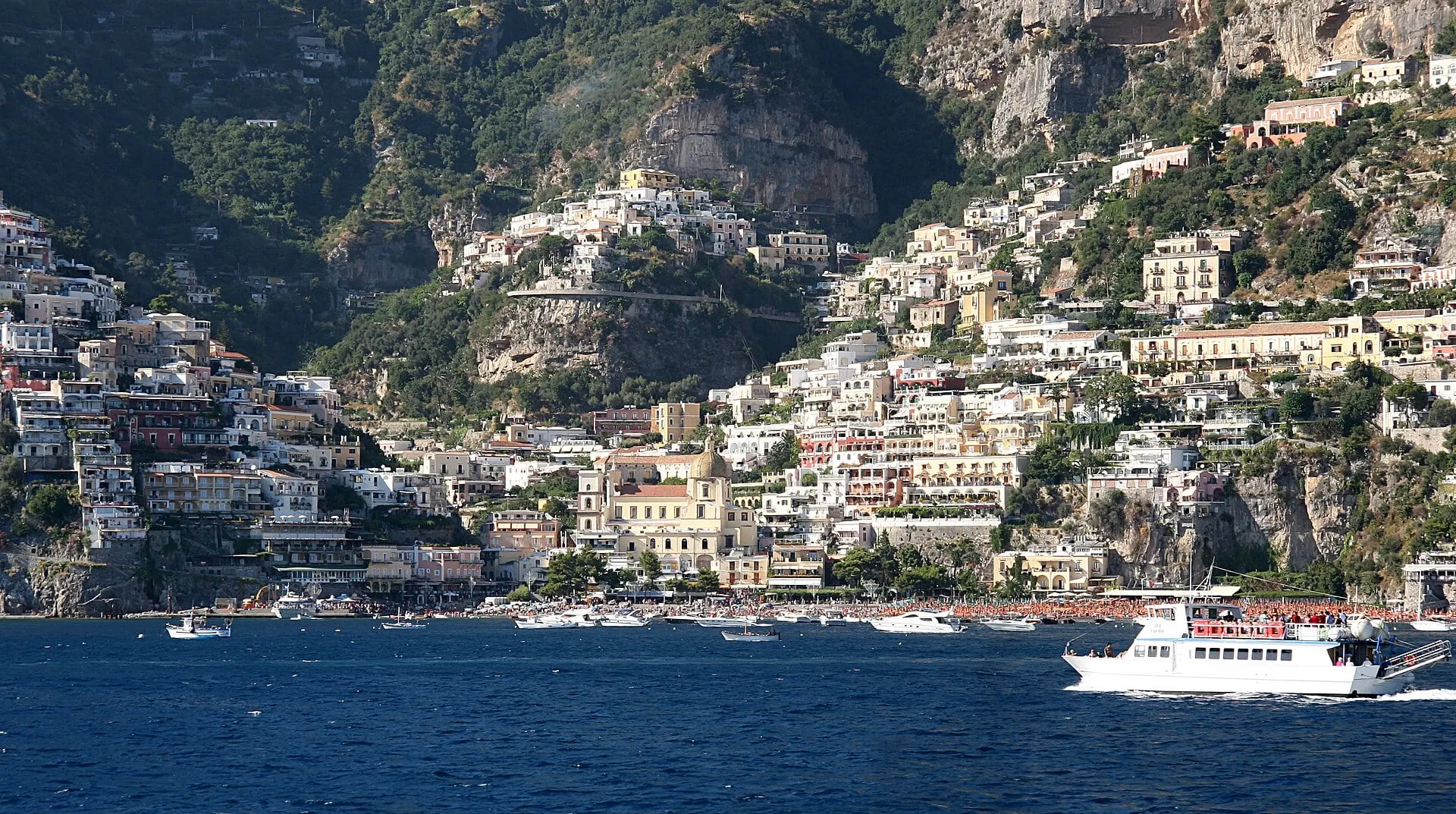 Italy
Sorrento → Positano
The Amalfi Coast by boat
Round the tip of the peninsula past Capri and the Sirens' islands, and step off on Positano's beach.
35 to 50 minSpringSummerAutumn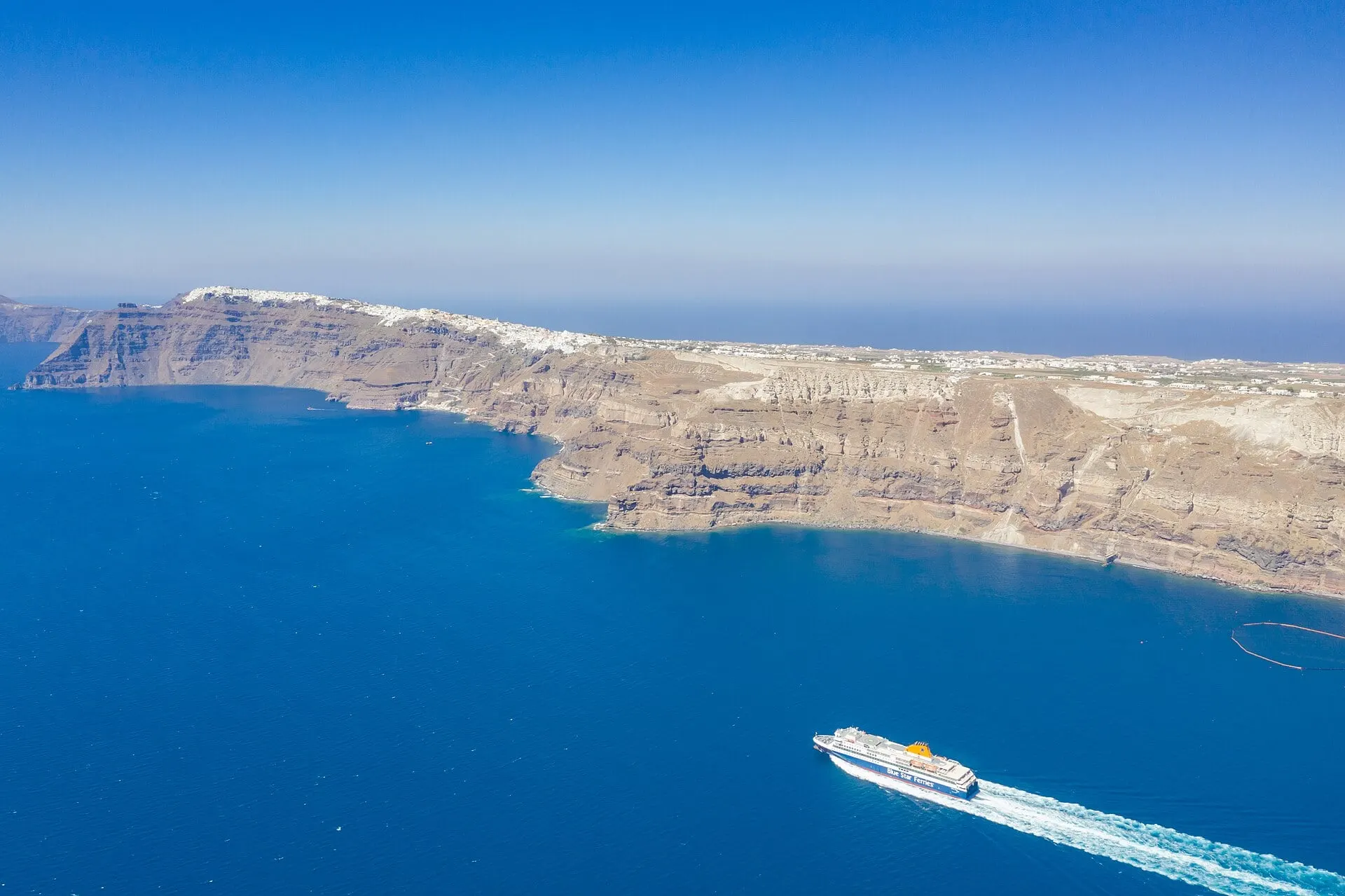 Greece
Piraeus → Santorini
Athens to Santorini
A day across the Cyclades, then the ship slips between Oia and Thirasia and sails into a drowned volcano.
5h20 fast, 7h45 Blue StarSpringSummerAutumn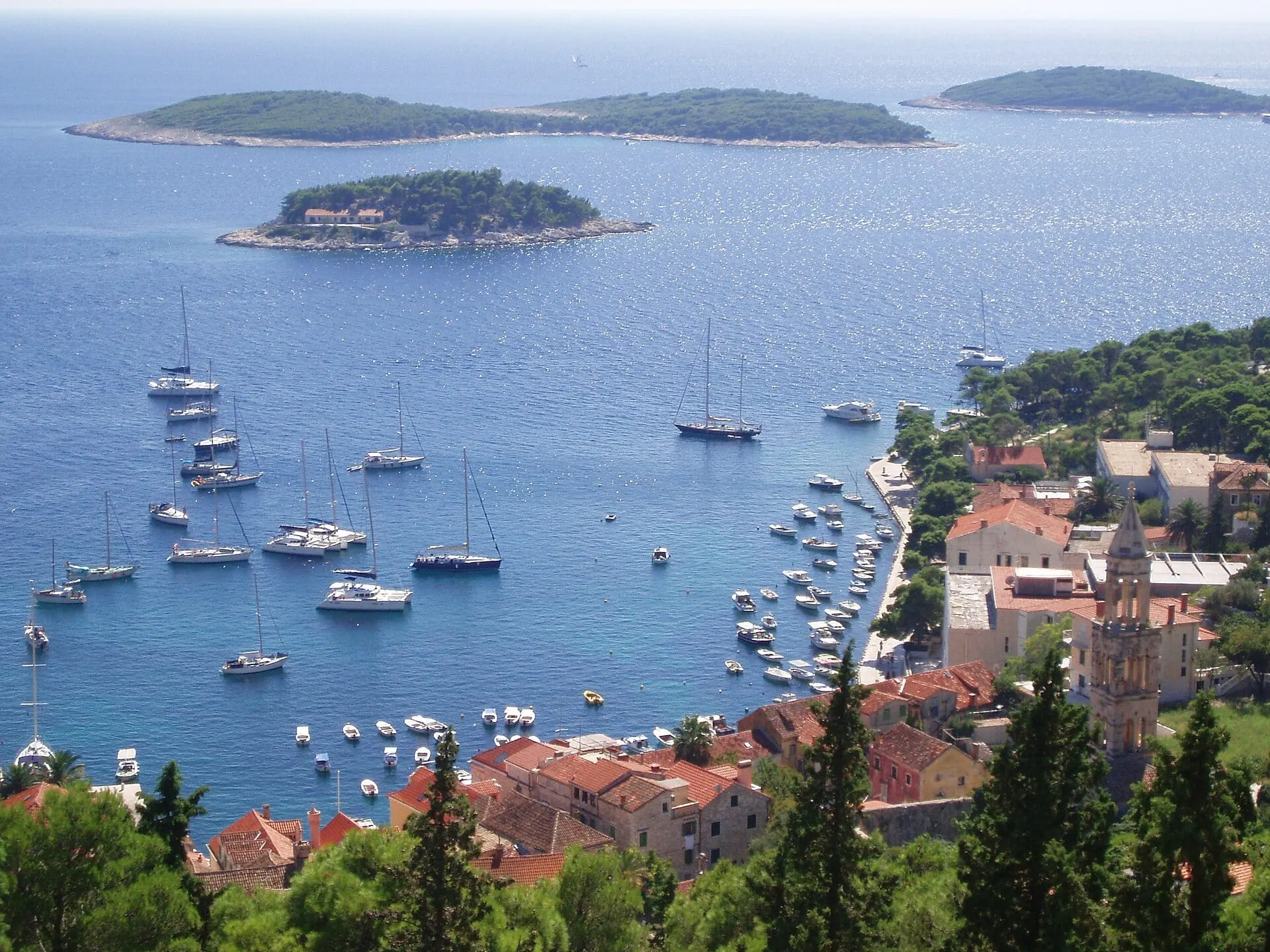 Croatia
Split → Hvar
Split to Hvar
An hour across the Adriatic, through the Split Gate and past the Pakleni islands to a harbour under a Venetian fortress
50 to 65 minutesSpringSummerAutumn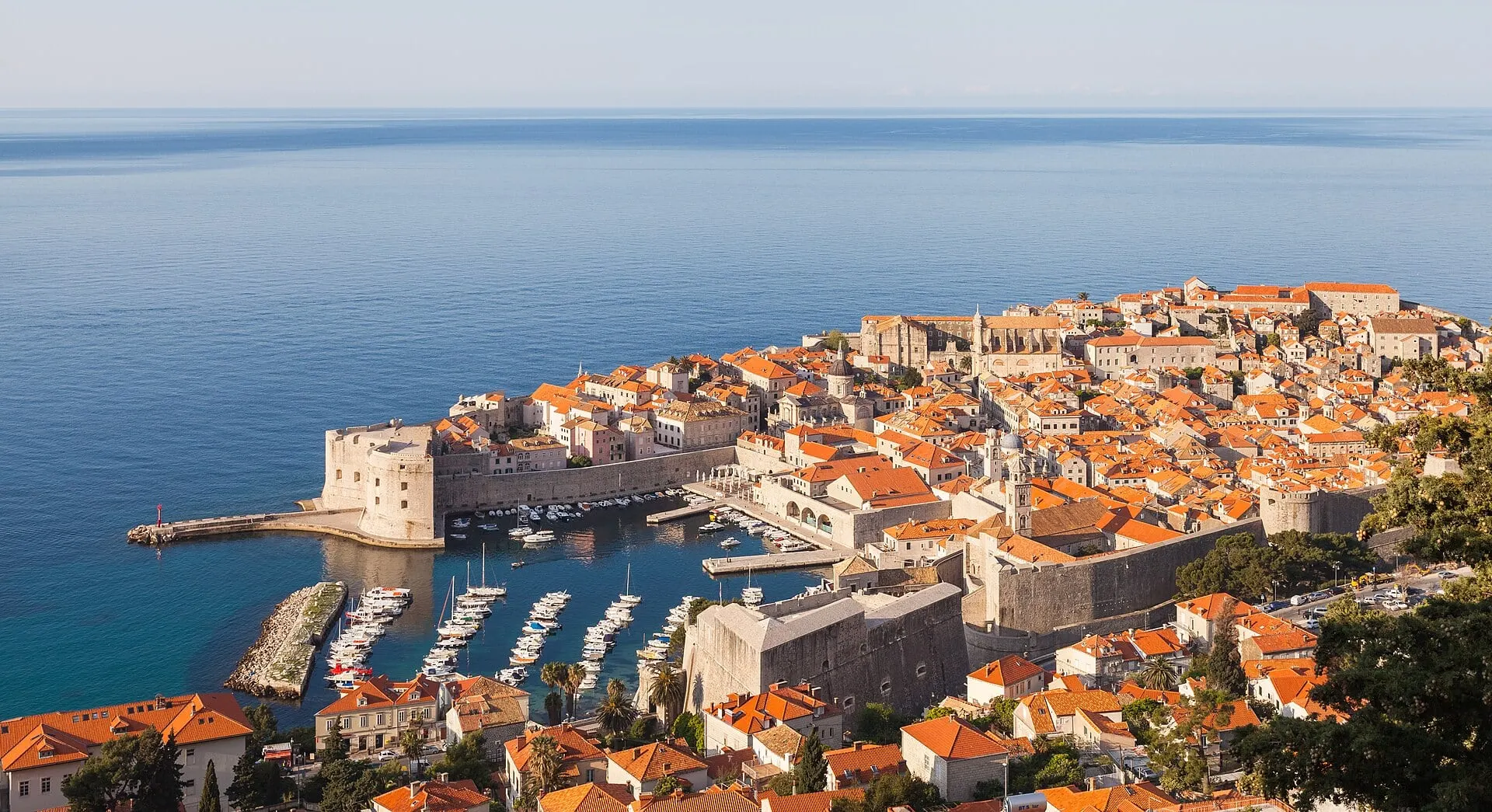 Croatia
Split → Dubrovnik
Split to Dubrovnik by catamaran
Diocletian's waterfront at breakfast, Hvar and Korčula by mid-morning, Dubrovnik's walls by lunch.
4 h 40 to 5 h 15 southboundSpringSummerAutumn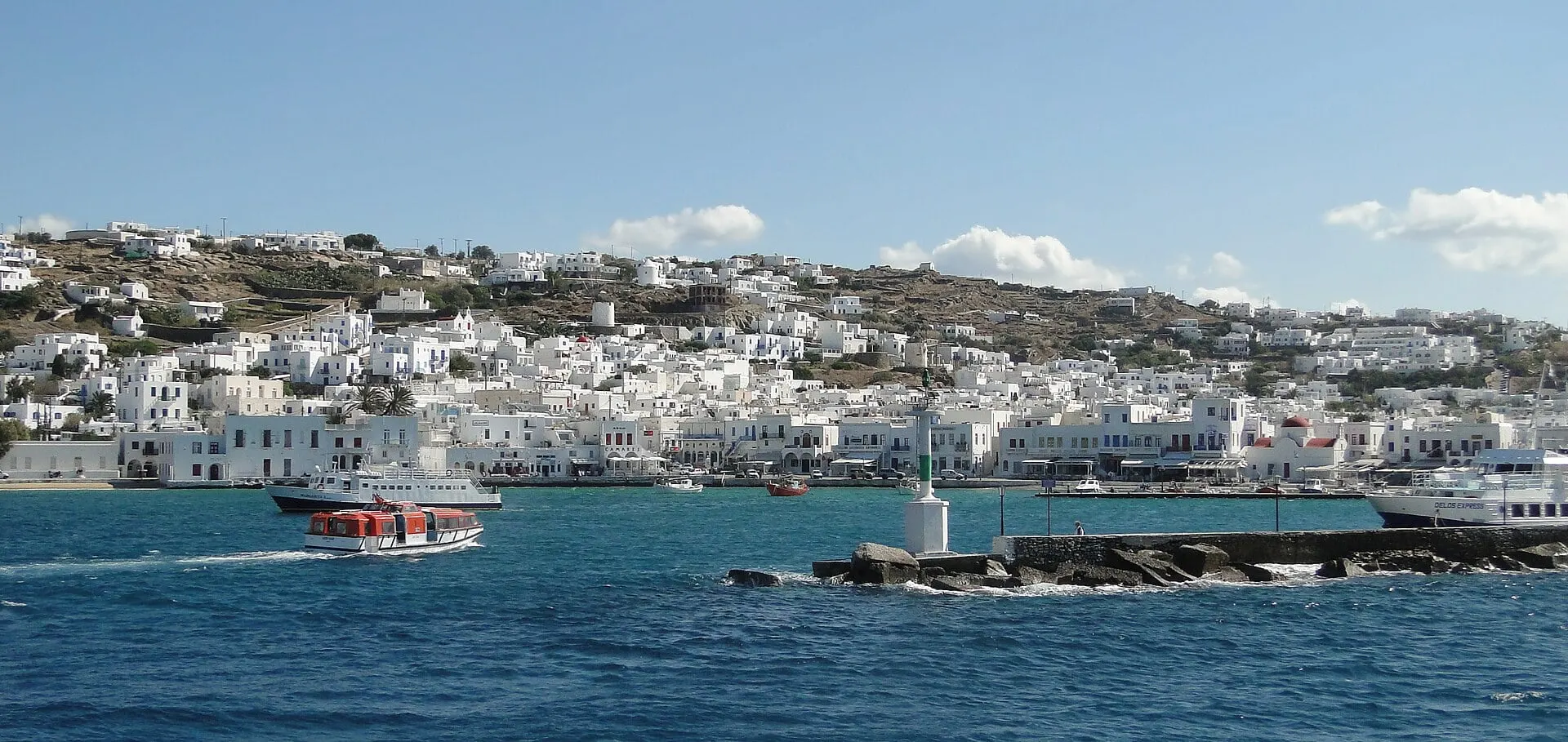 Greece
Athens → Mykonos
Athens to Mykonos by sea
Out past Syros and Tinos to the white town on the island of the winds
2 hours 20 to 5 hours 50SpringSummerAutumn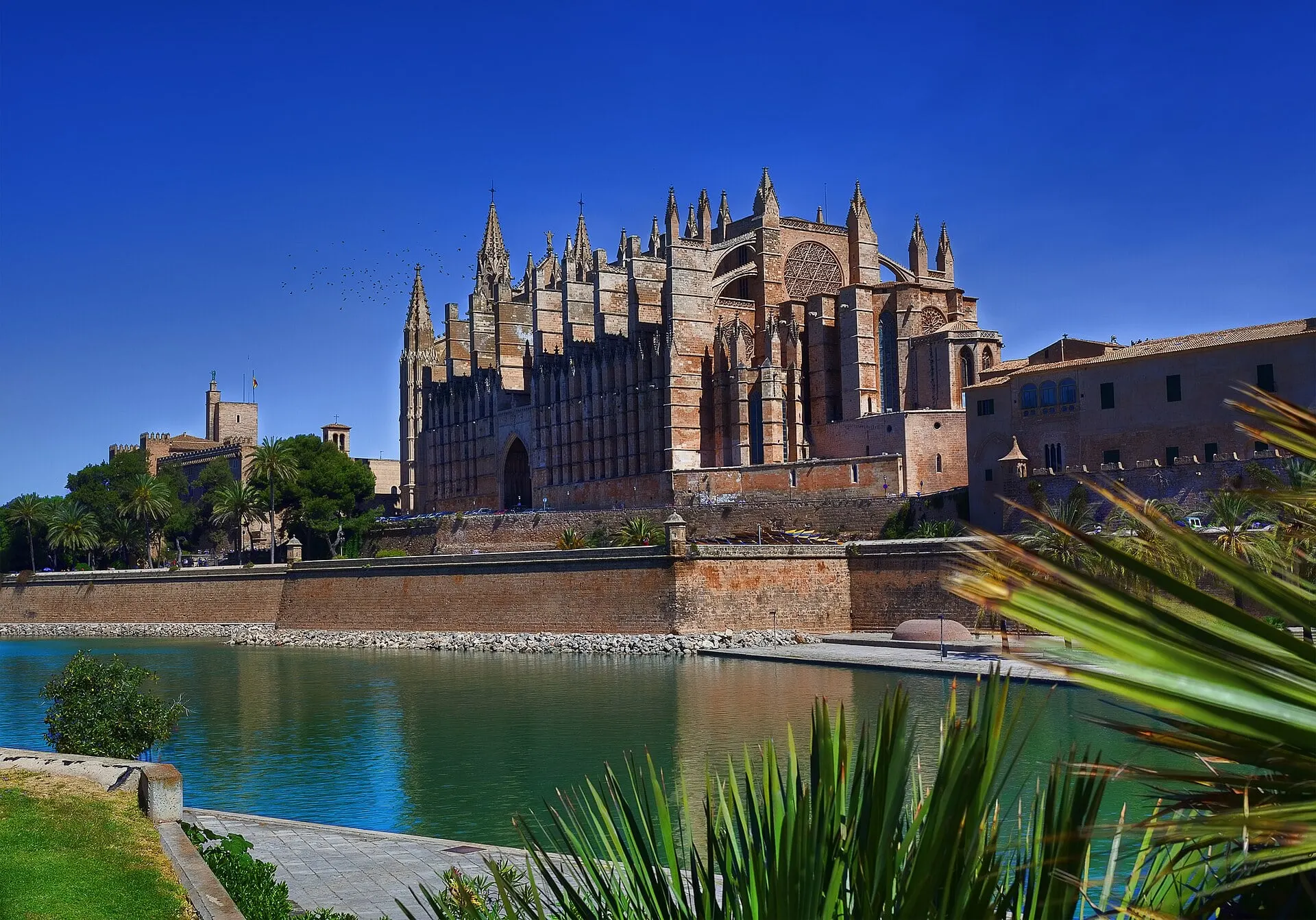 Spain
Barcelona → Palma de Mallorca
Barcelona to Palma by night
Board under Montjuïc at nightfall, sleep in a cabin, and wake in the Bay of Palma with the cathedral across the water.
7 h to 8 h 30SpringSummer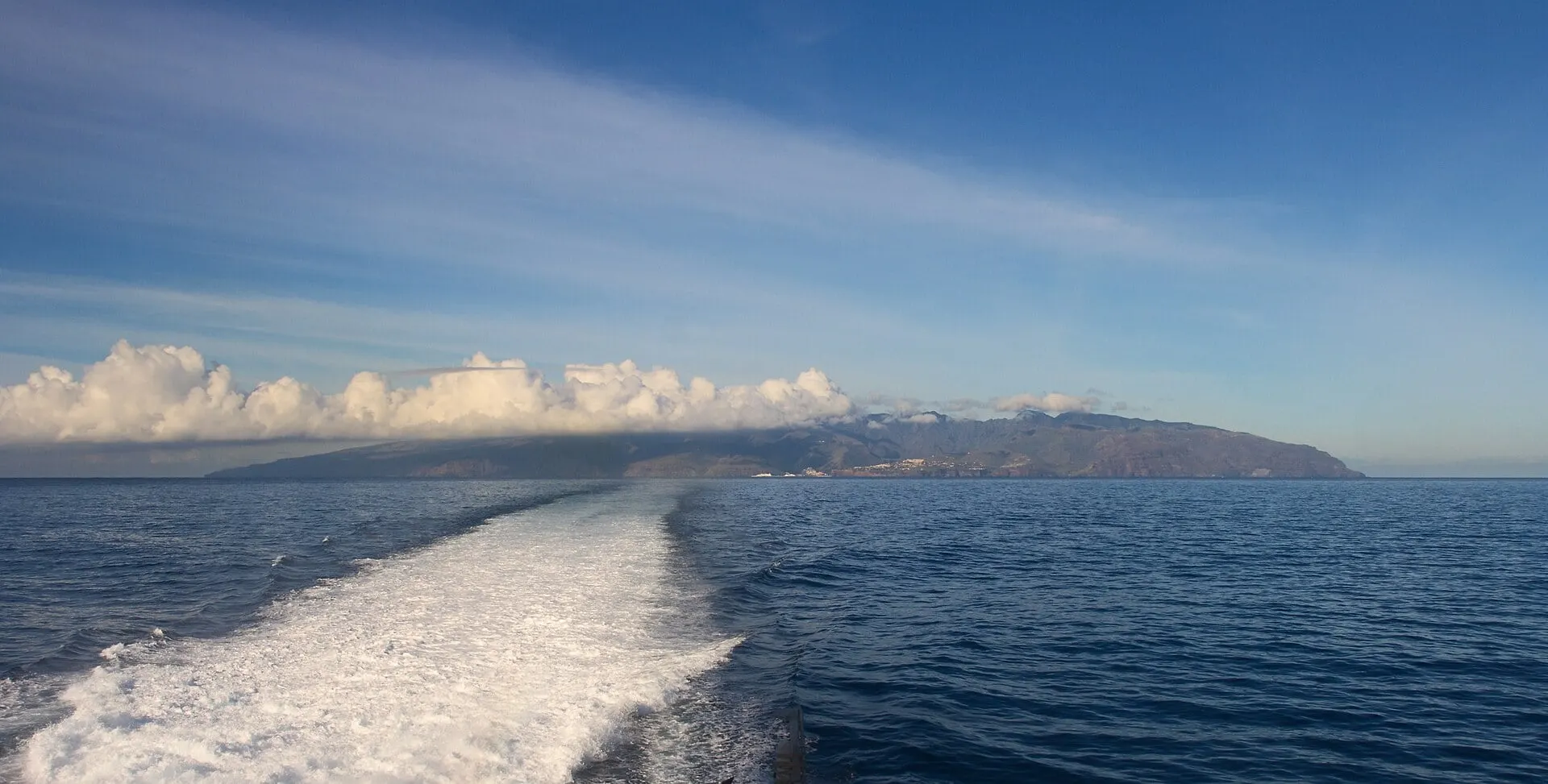 Spain
Los Cristianos → San Sebastián de La Gomera
Tenerife to La Gomera
Teide behind you, a whale channel underneath and, an hour later, a laurel forest left over from the Tertiary.
50 minutesWinterSpringSummerAutumn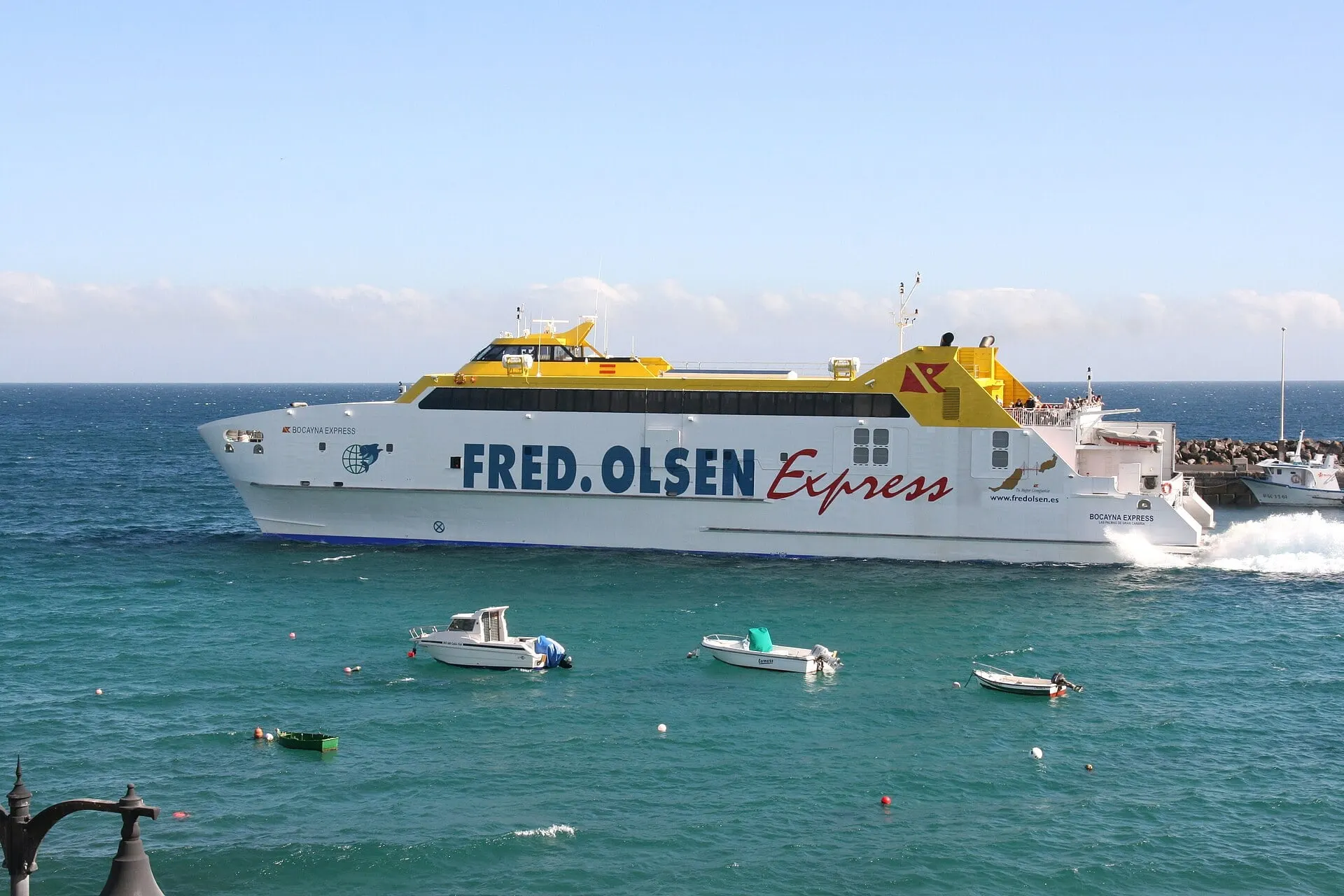 Spain
Playa Blanca → Corralejo
Lanzarote to Fuerteventura
Lanzarote's volcanoes astern, the islet of Lobos off the bow and, 25 minutes on, the white dunes of Corralejo.
25 min by fast ferryWinterSpringAutumn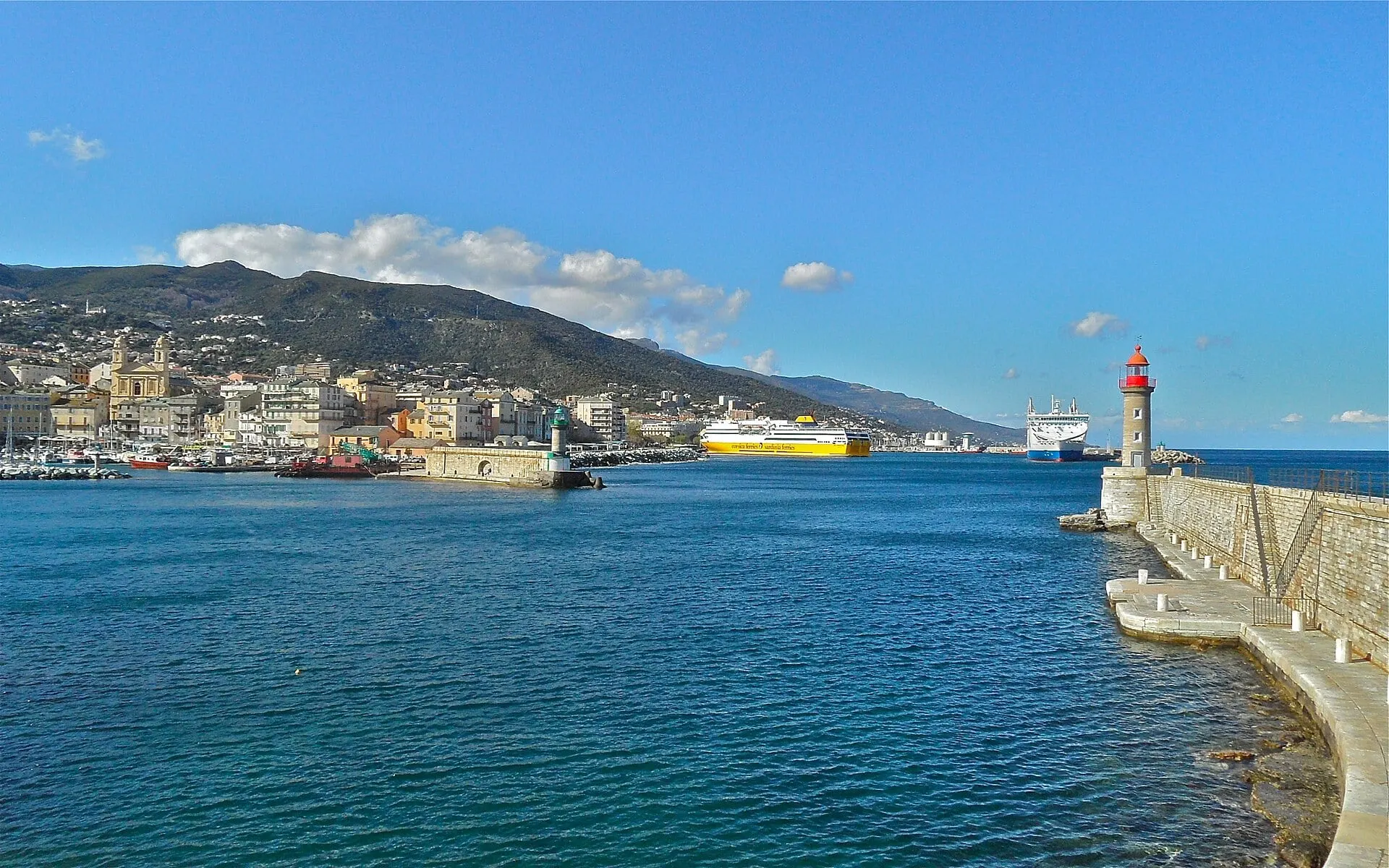 France
Nice → Bastia
Nice to Corsica
A day across the Ligurian Sea, past the Giraglia lighthouse at the tip of Cap Corse and into Bastia's harbour
about 5 to 6 hours by daySummerAutumn
Questions people ask
Good questions about The best ferry journeys in Europe
What is the most beautiful ferry journey in Europe?
It depends on what you want to see arrive. Some crossings are about an island rising out of the sea, others about a coastline you cannot reach by road, or a harbour that only makes sense from the water. Each journey here is on the list for a different reason, and its page says what that reason is, where to stand and when it is at its best.
Should I take the fast boat or the slow ferry?
If the crossing is the reason you are going, take the slow ferry: you can usually go out on deck, and the arrival is half the point. Fast boats are quicker and often run more often, but many keep passengers inside behind spray-streaked windows. Each journey page compares the two on time, price and view.
Do I need to book ferry tickets in advance?
For foot passengers on short routes, often not, except on summer weekends and holidays when the popular sailings fill. With a car, book ahead in season, because vehicle space runs out first. Each journey page says how far ahead to book, and whether a ticket at the port costs the same as one bought online.
What happens to a ferry if the sea is rough?
Small fast boats are the first to be cancelled in strong wind, and large ferries the last. Check the operator's service updates on the morning you travel, leave slack in your plans if you have a flight to catch, and keep your ticket: a cancelled sailing is usually refunded or moved to the next one. Each journey page covers the route's own weather and what it does to the timetable.
Where is the best place to stand on a ferry?
Outside, on the side facing the coast you are passing, and towards the front for the arrival. On most ferries the open deck is at the top and the back; go up as soon as you board, because the rail fills quickly in summer. Each journey page names the side and the moment to be out there.
Image credits: Berthold Werner (CC BY-SA 3.0) · Dipl.-Inform. Sebastian Schreiber (CC BY-SA 2.0 de) · dronepicr (CC BY 2.0) · japus (CC BY 2.5) · Diego Delso (CC BY-SA 3.0) · Bernard Gagnon (CC BY-SA 3.0) · Tobias Lindman from Stockholm, Sweden (CC BY 2.0) · Javier Sánchez Portero (CC BY-SA 3.0) · Frank Vincentz (CC BY-SA 3.0) · Louis Moutard-Martin (Shipmania.net) (CC BY-SA 3.0)