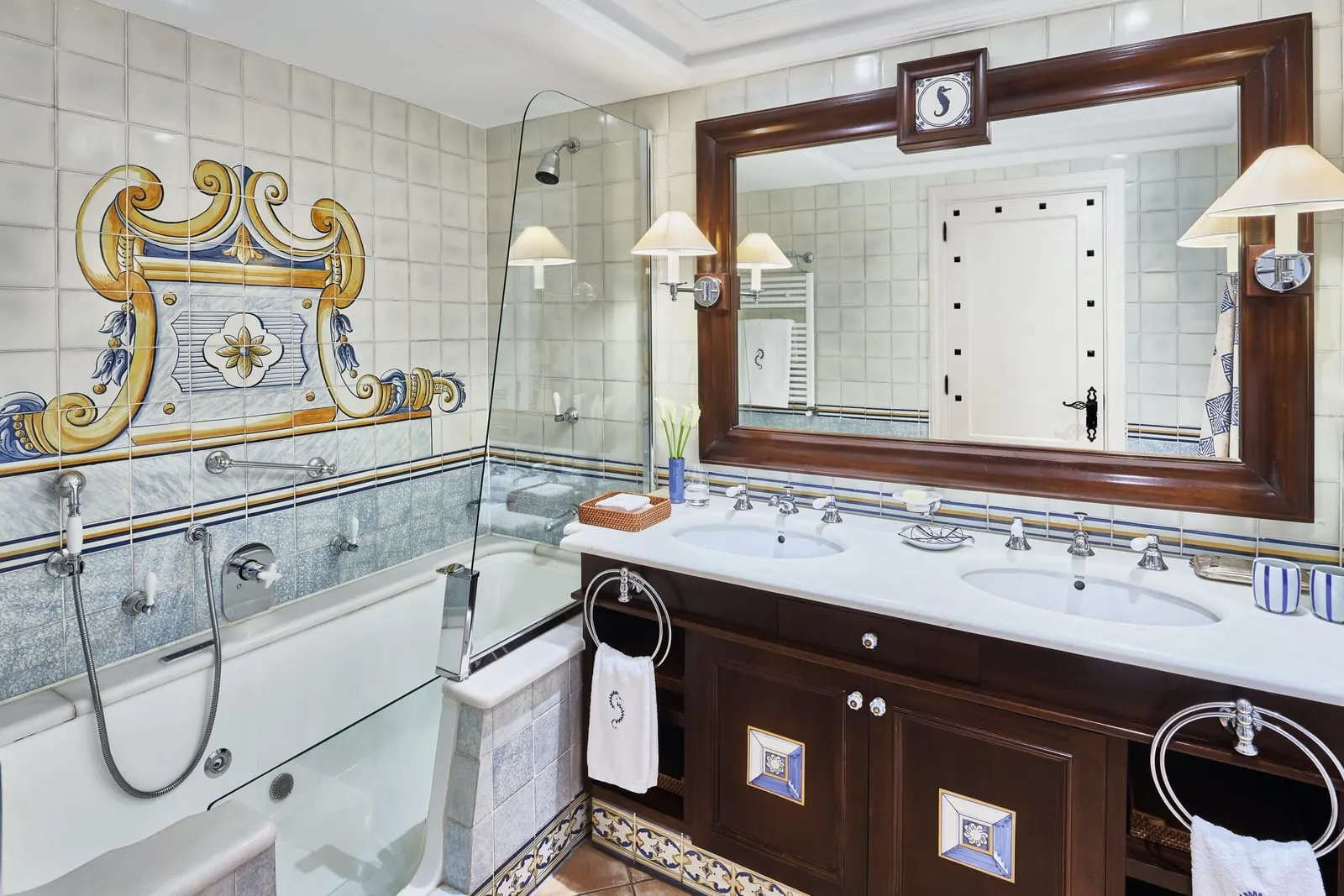
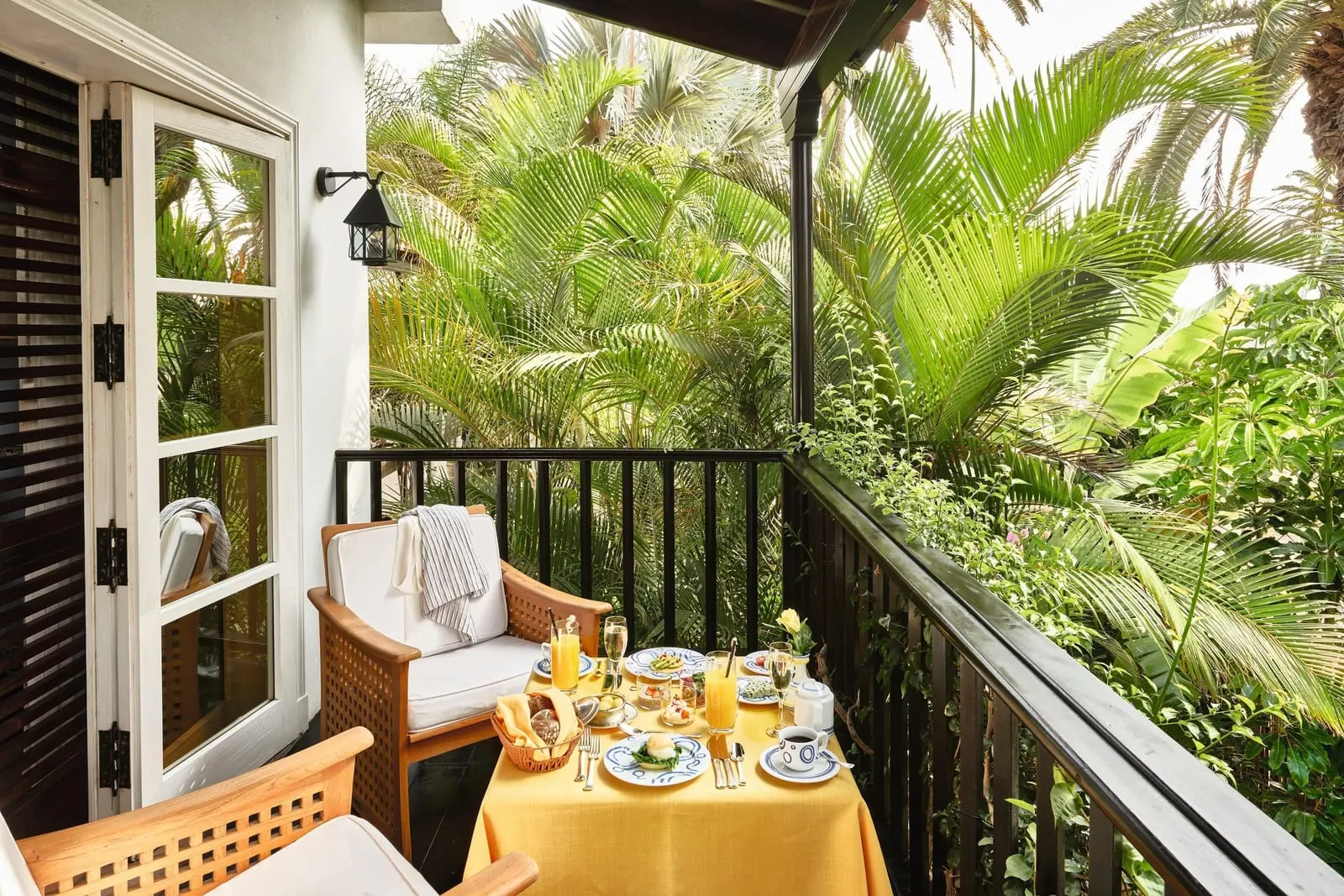
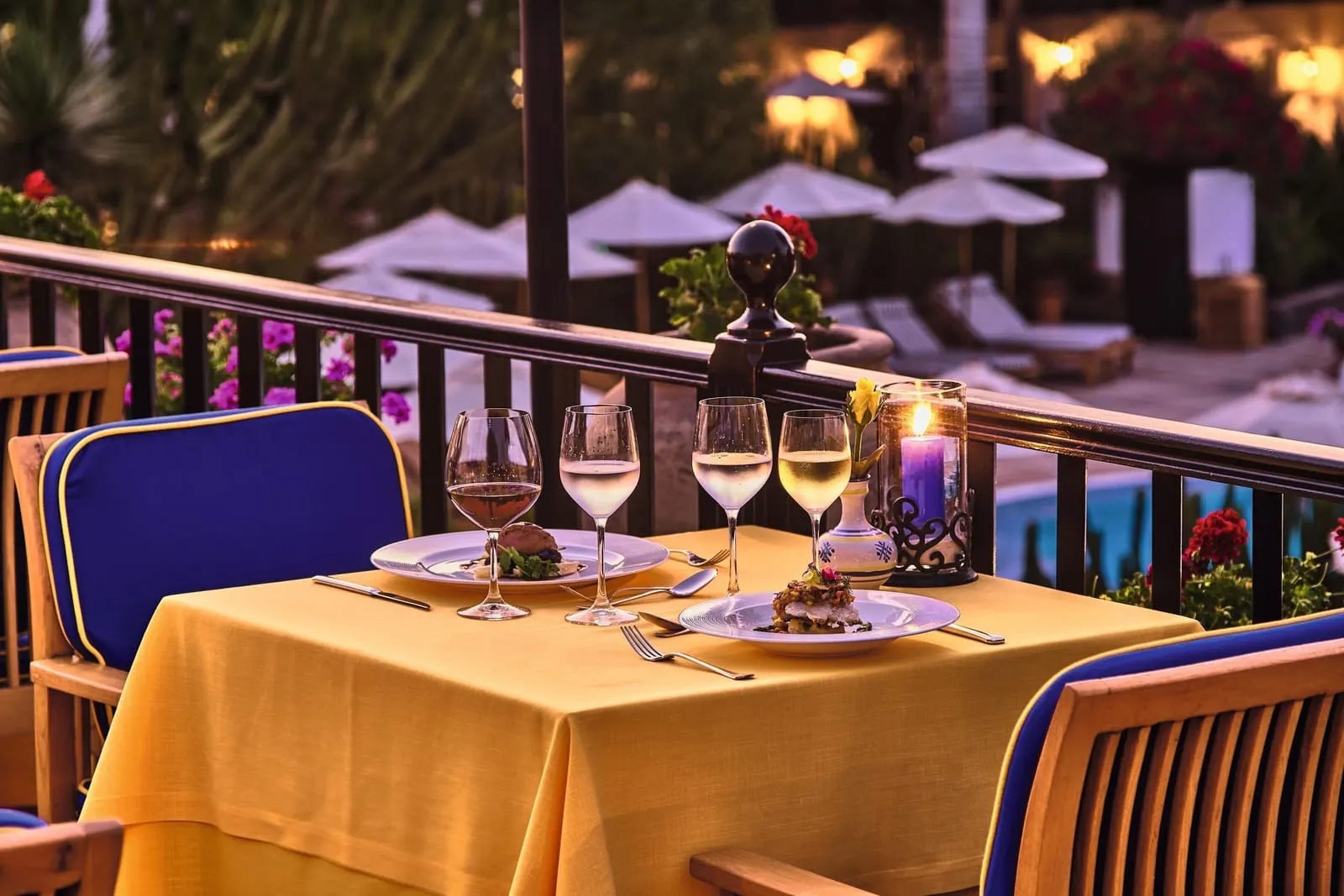
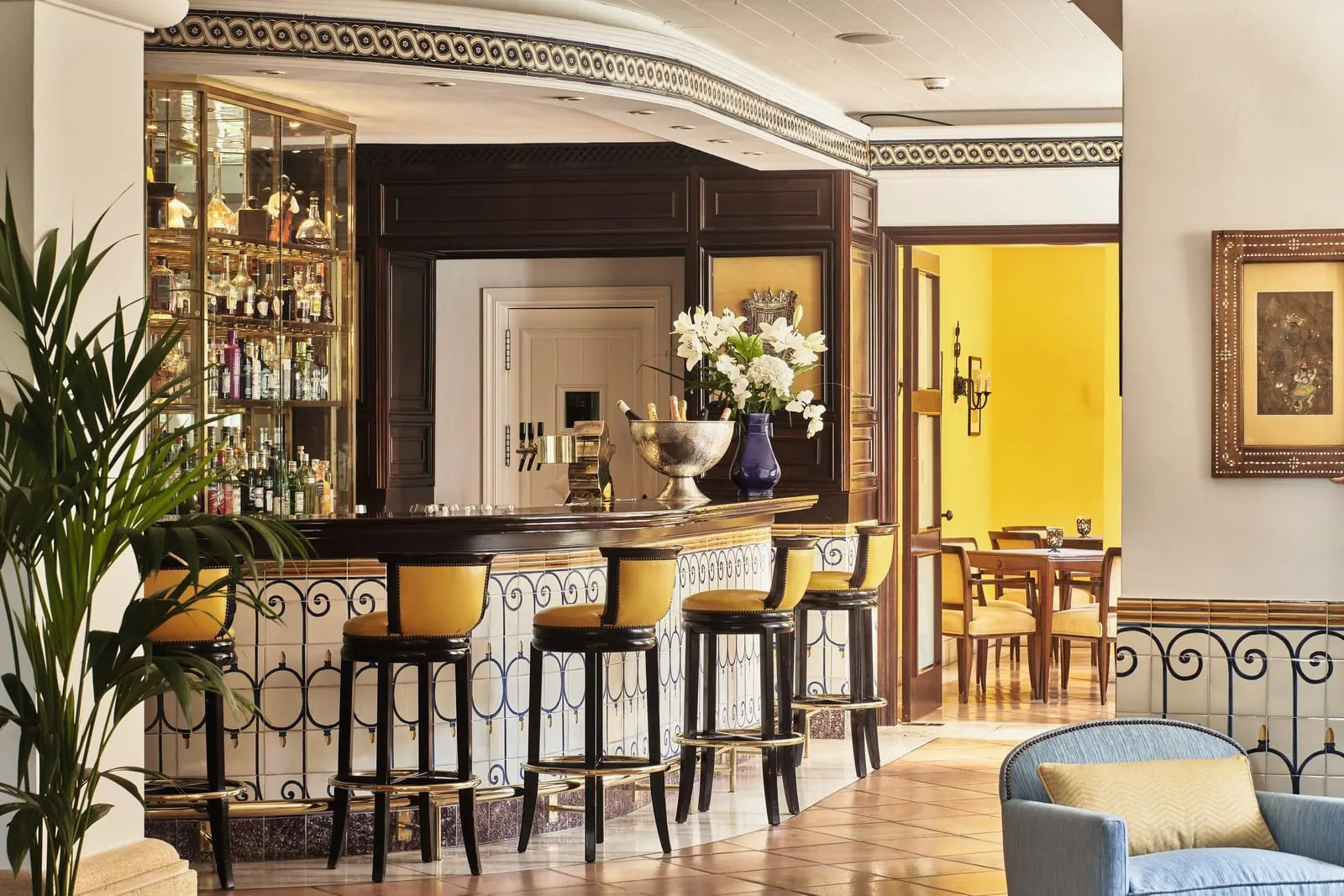
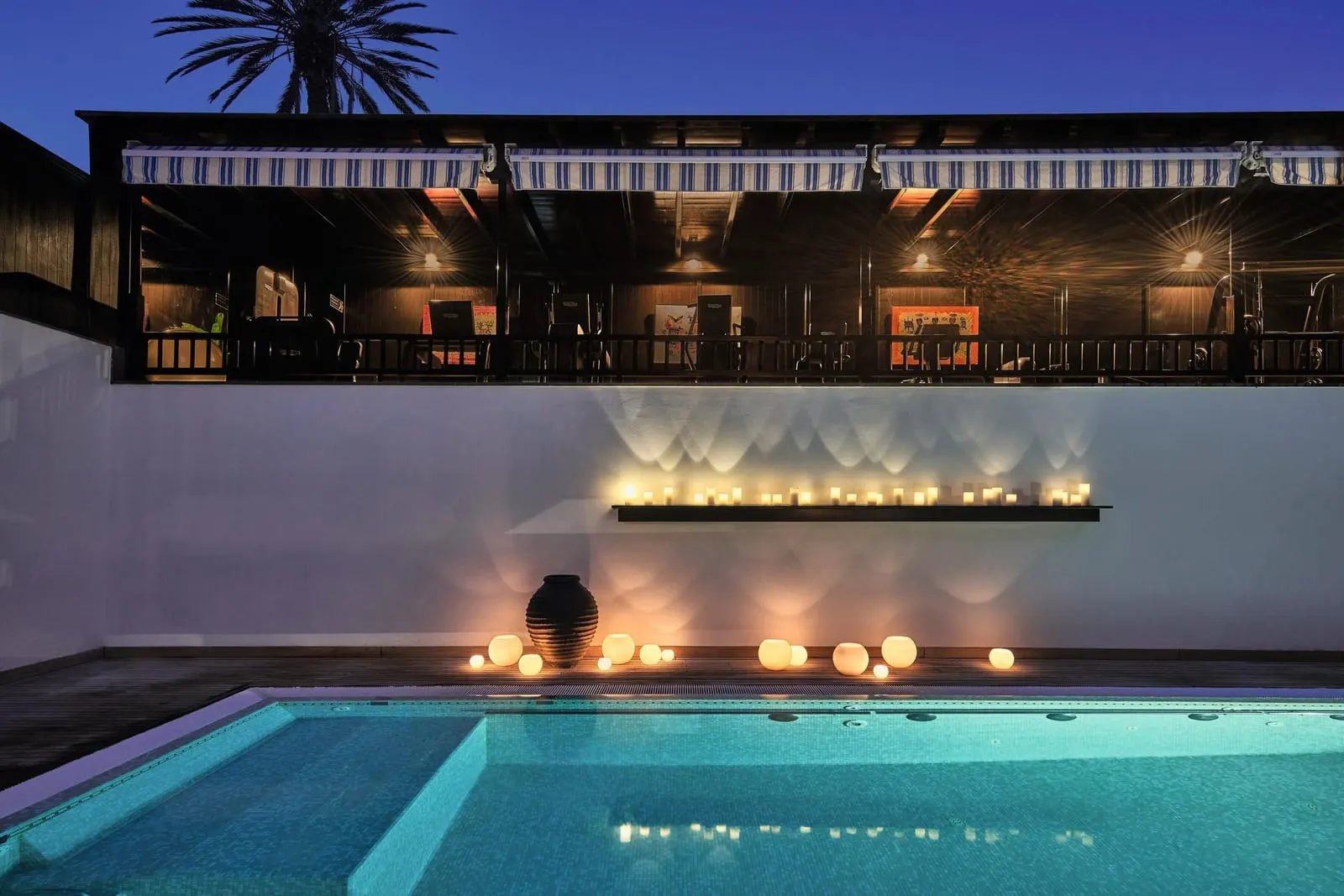
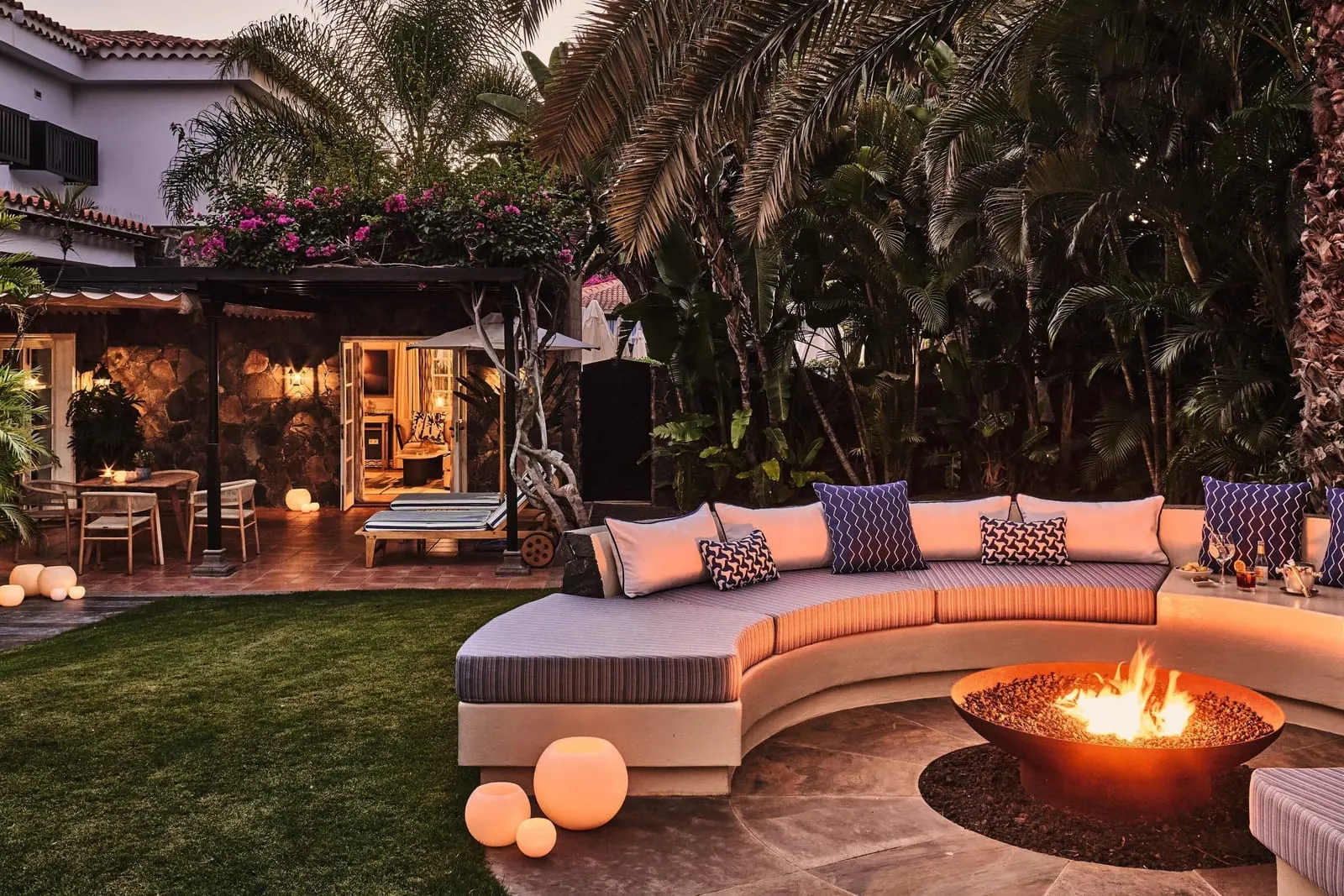
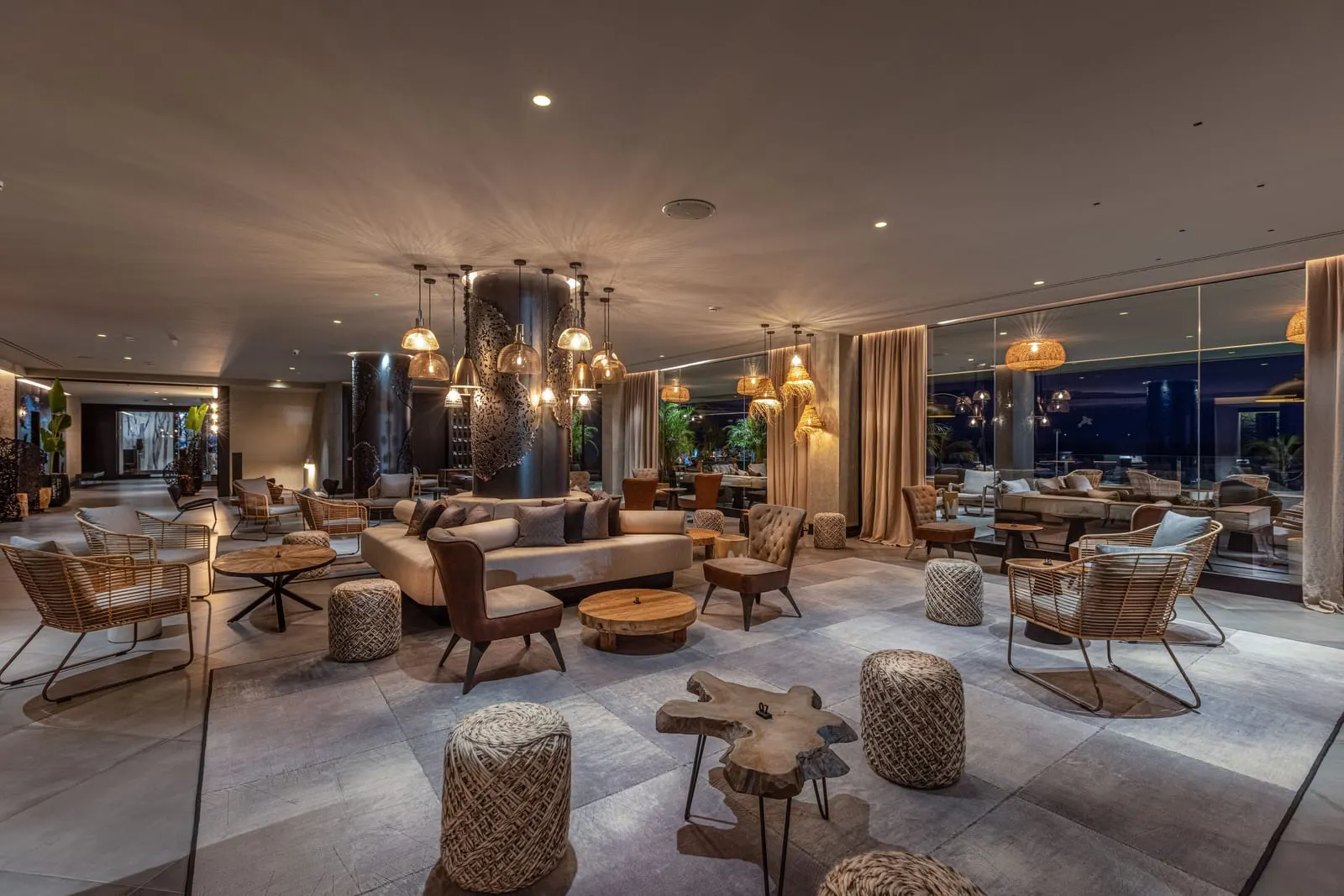
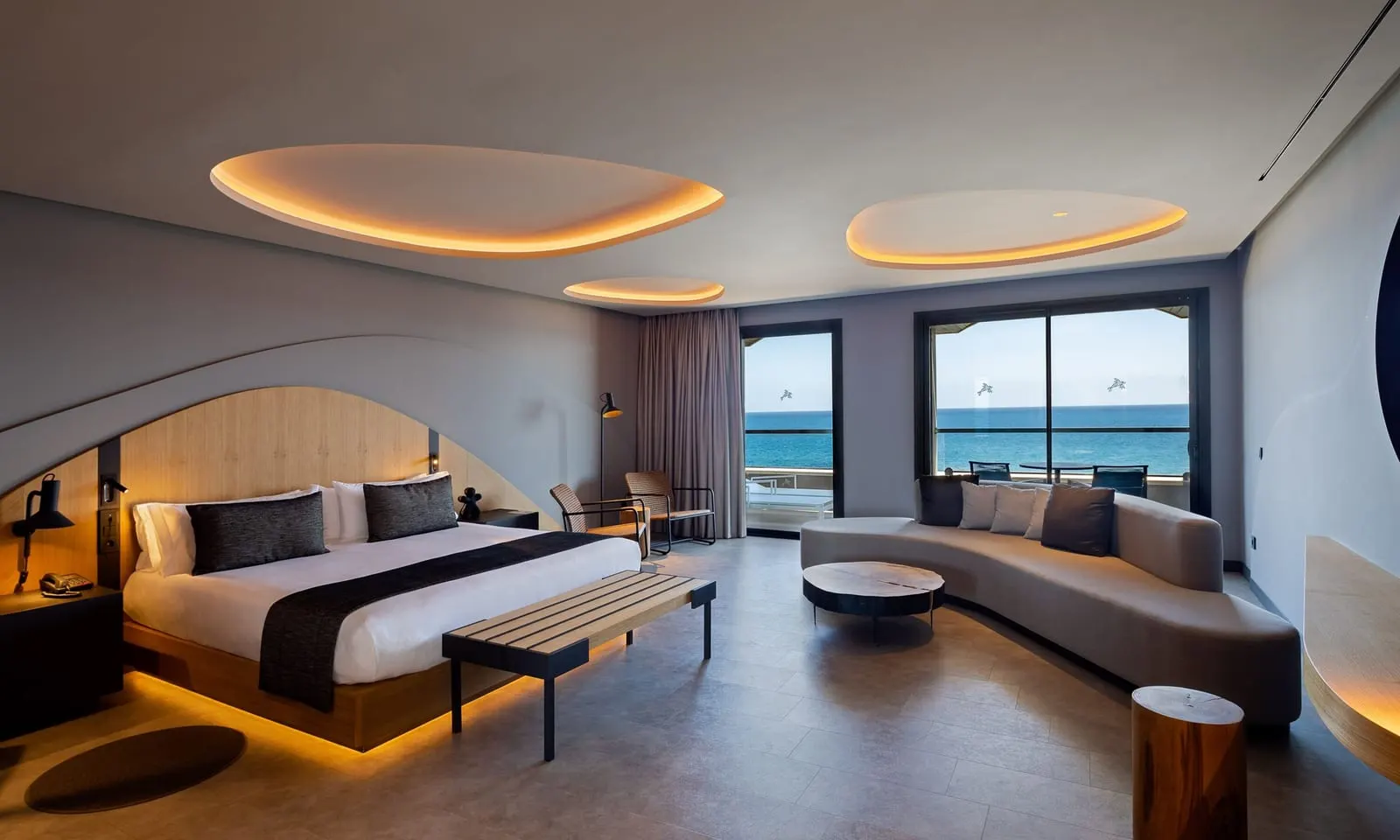
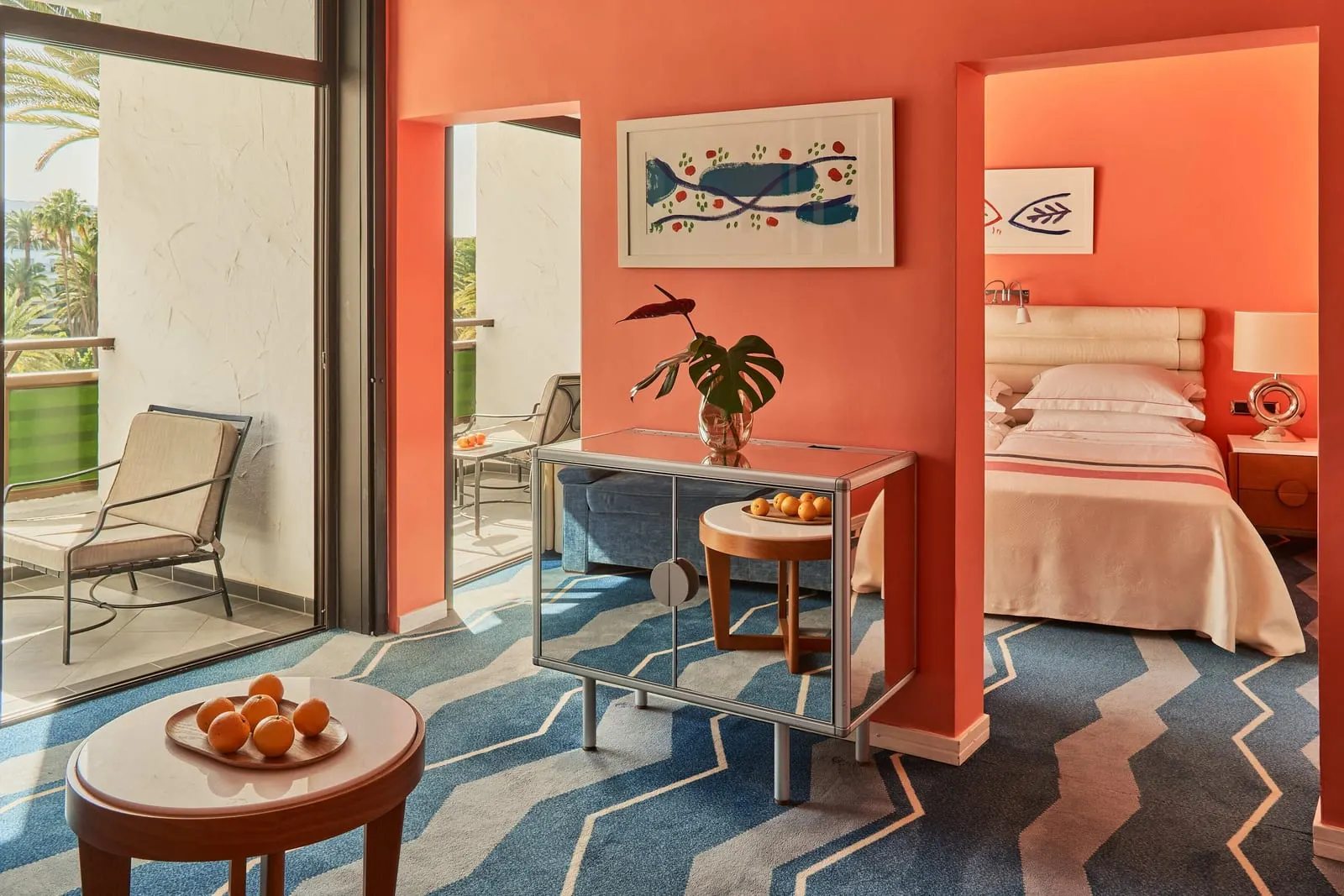
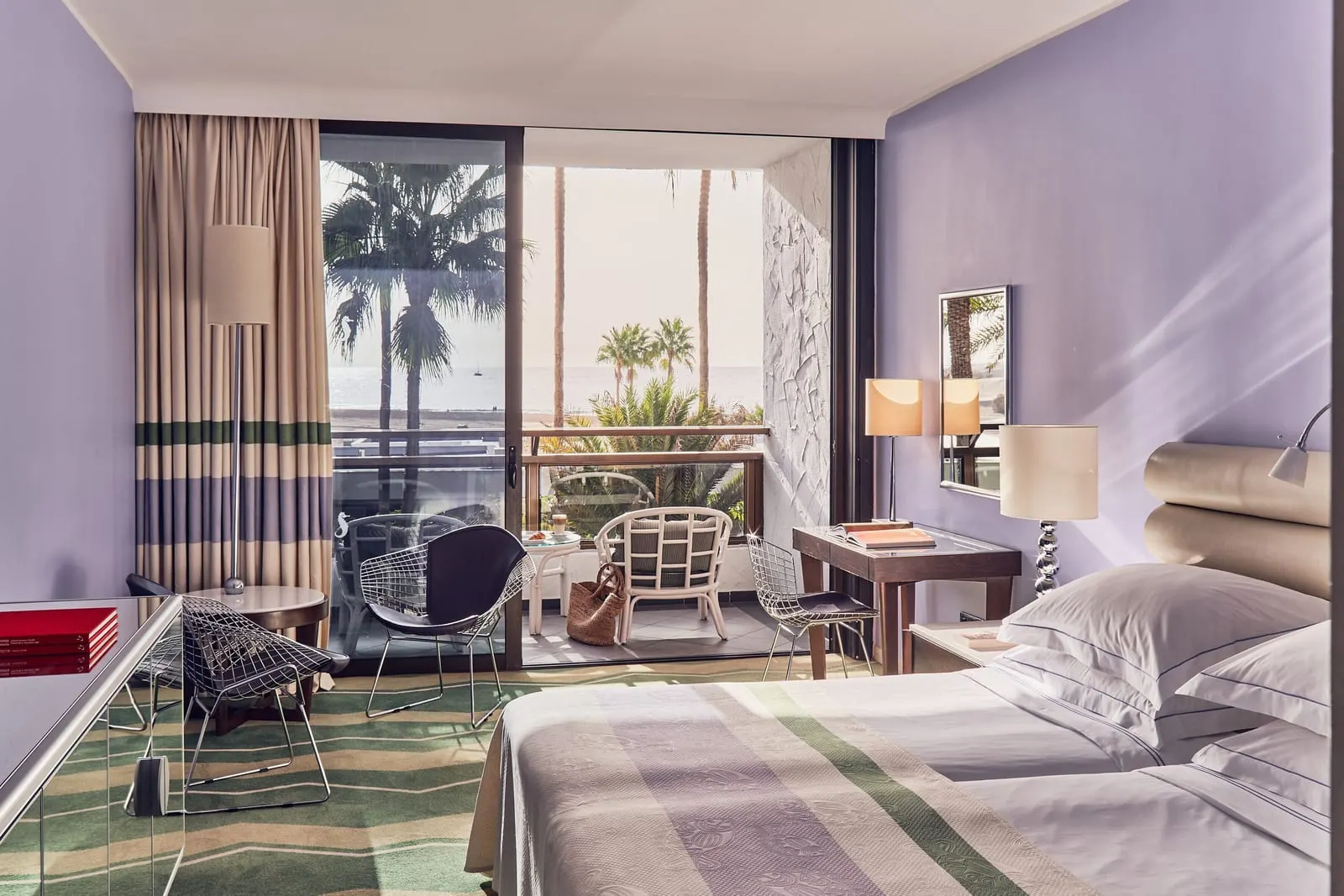
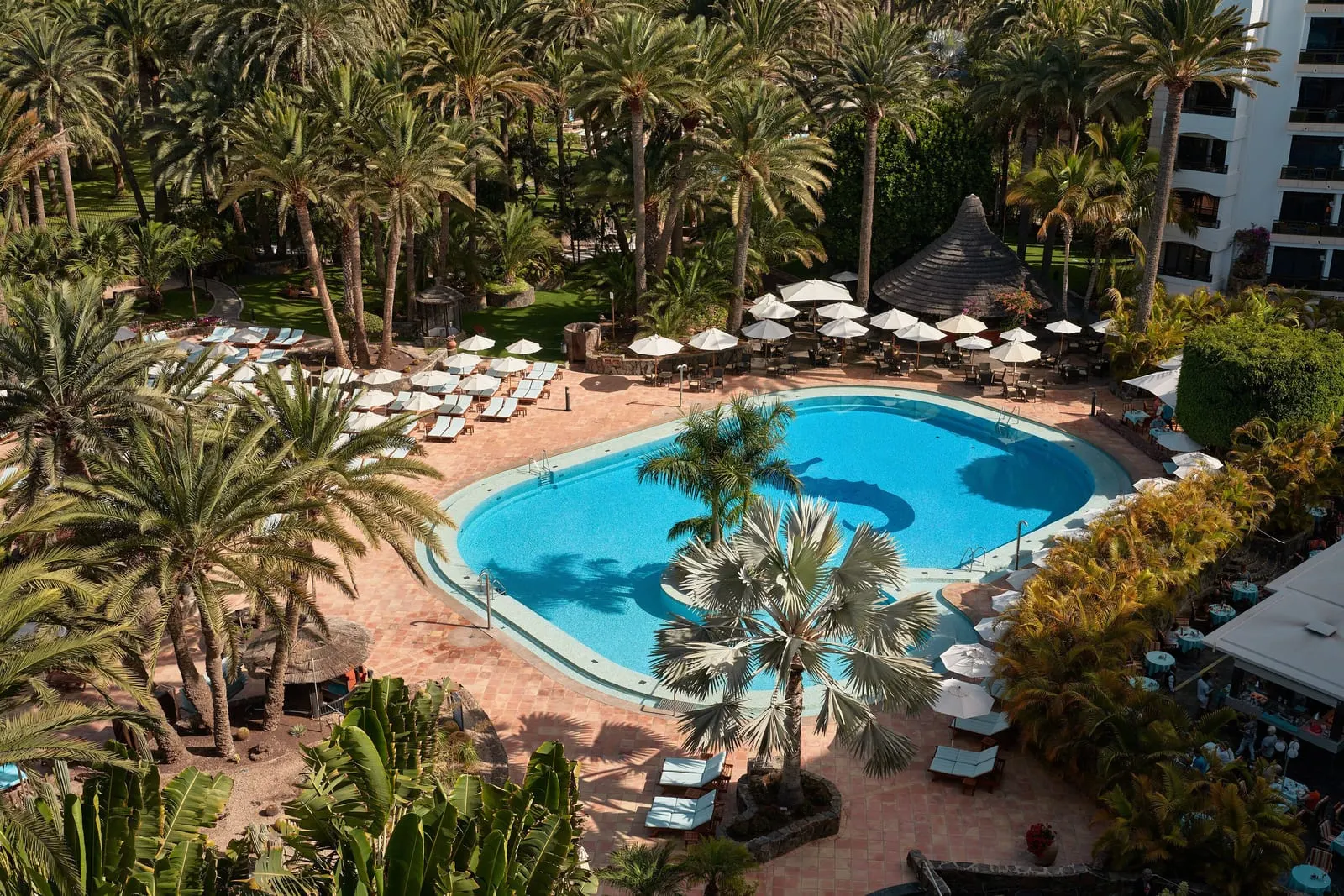
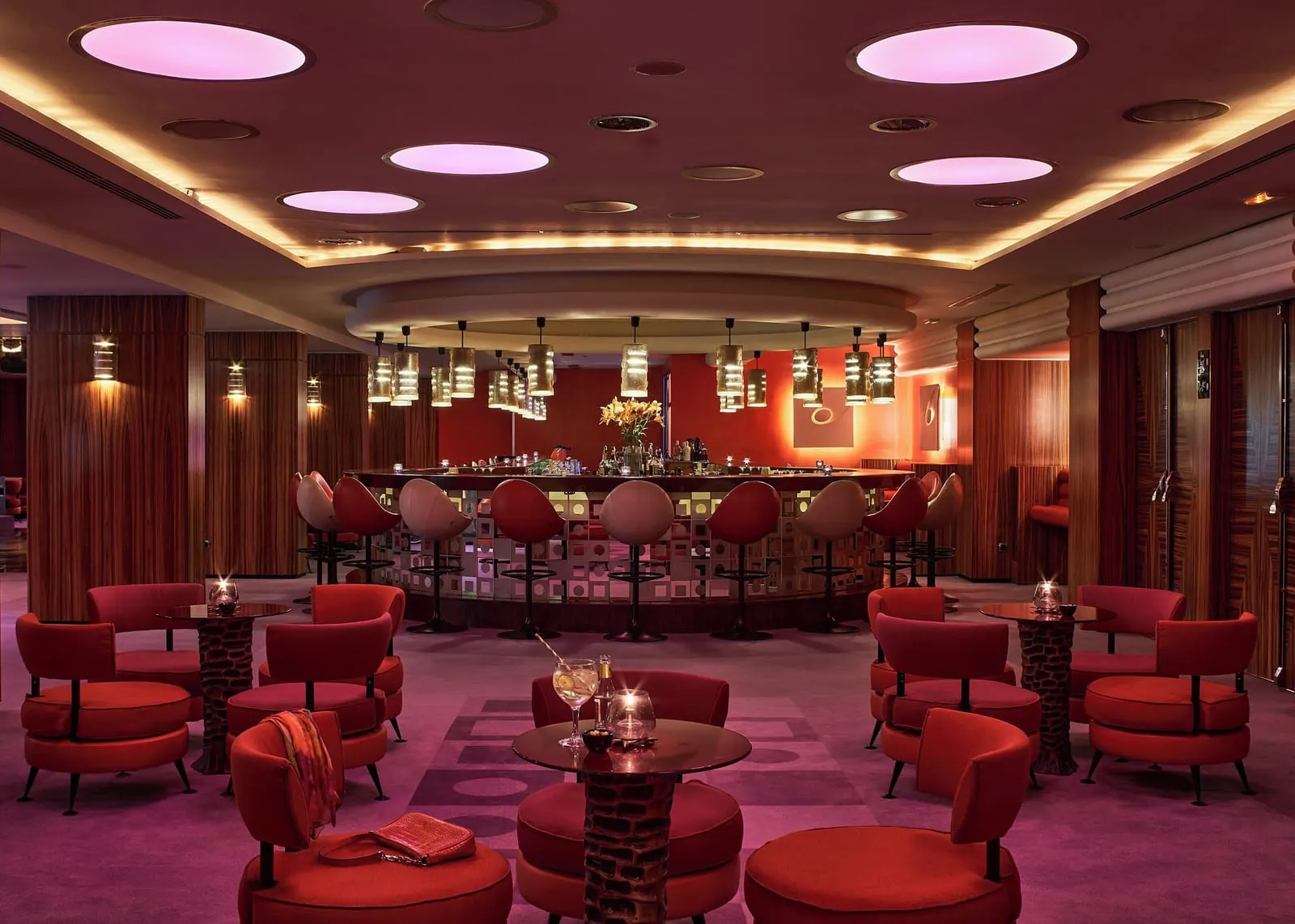
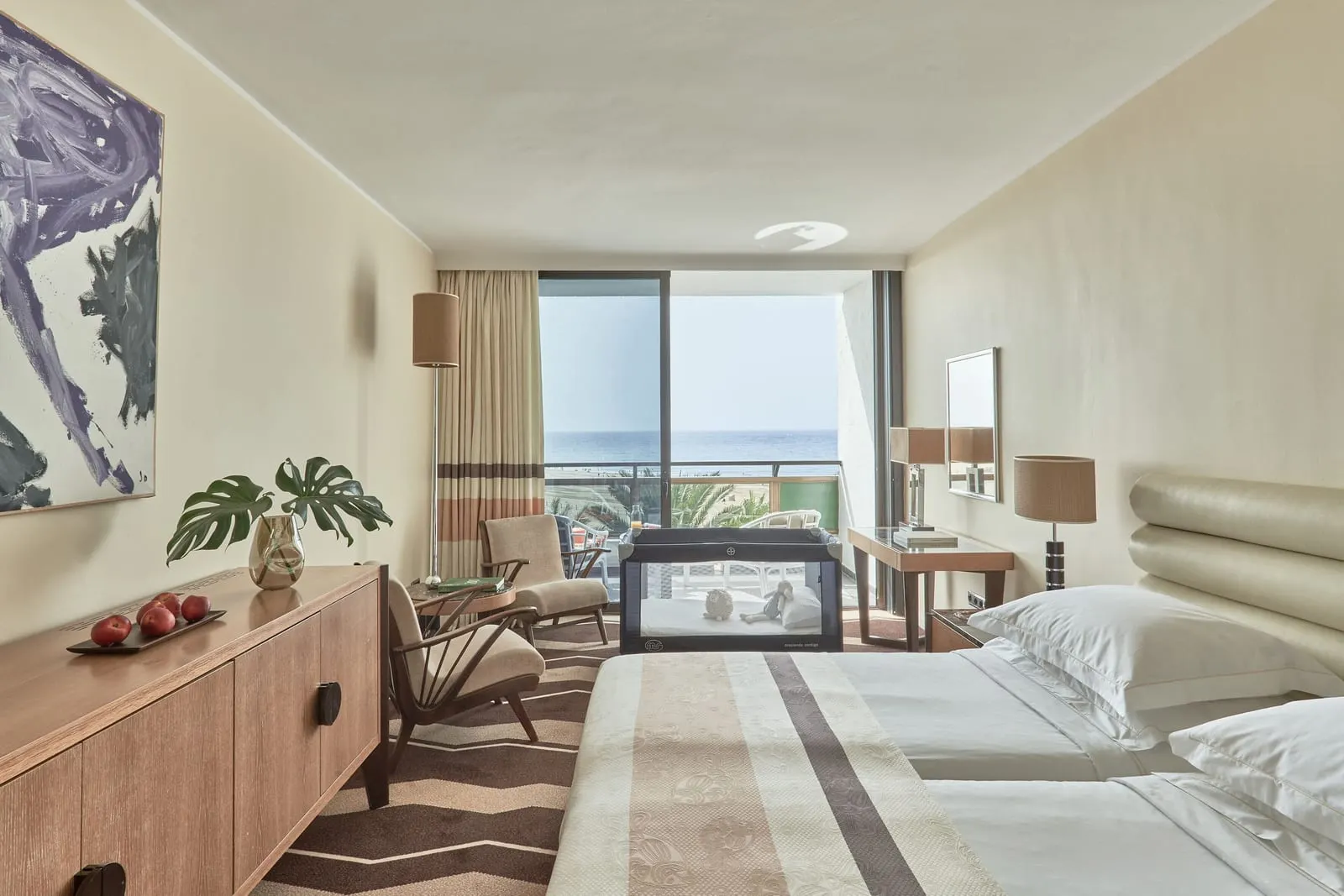
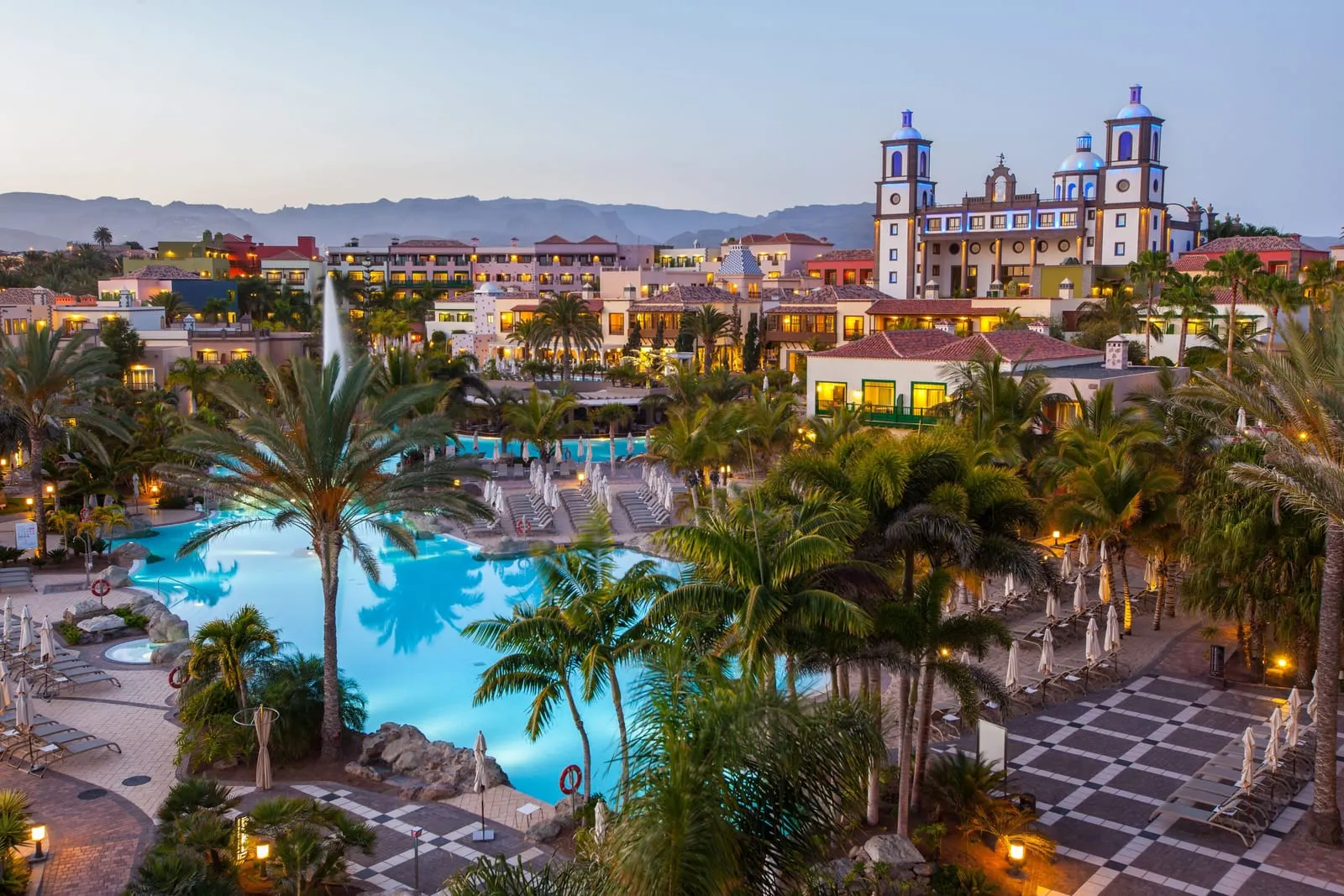
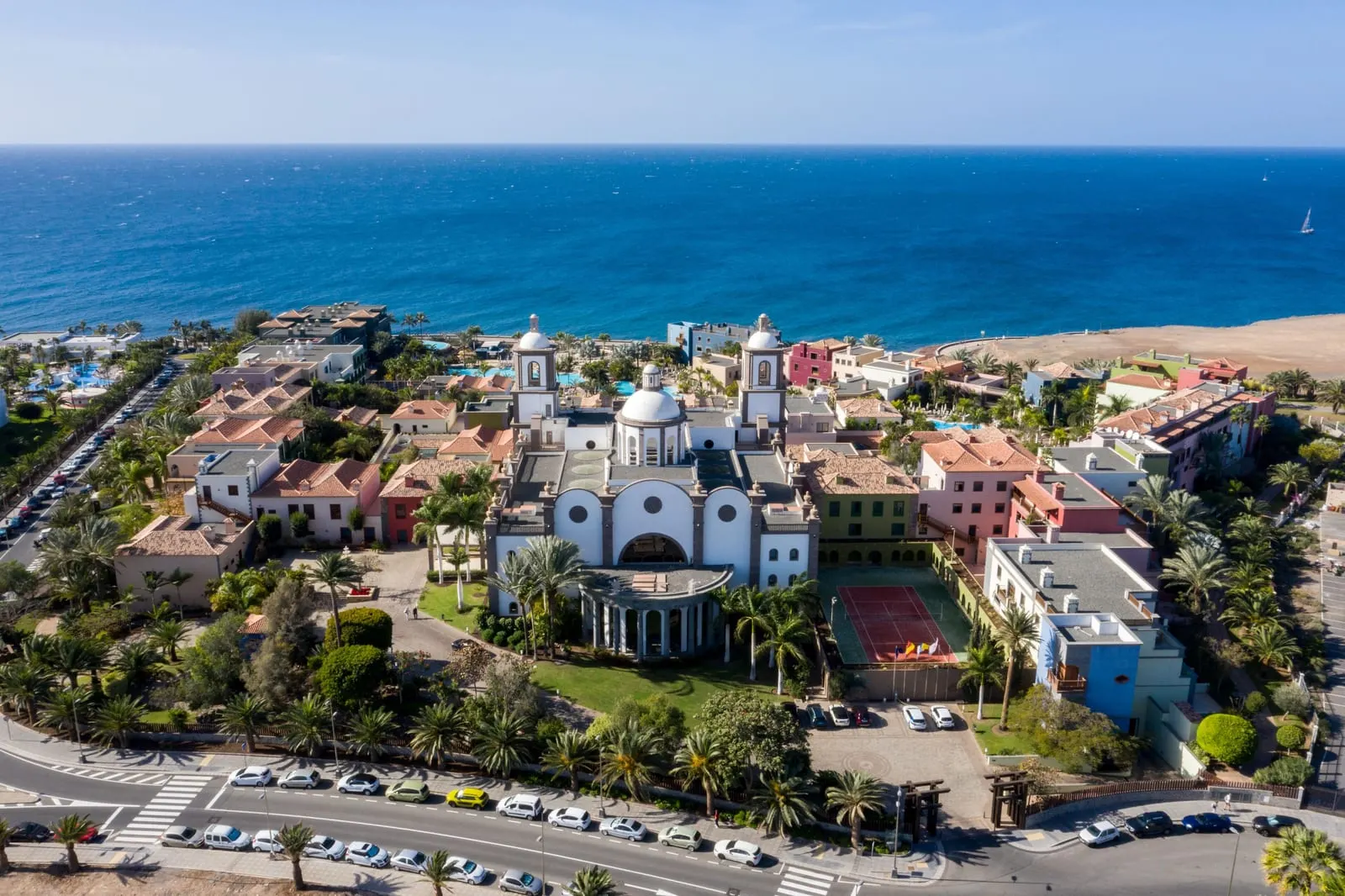
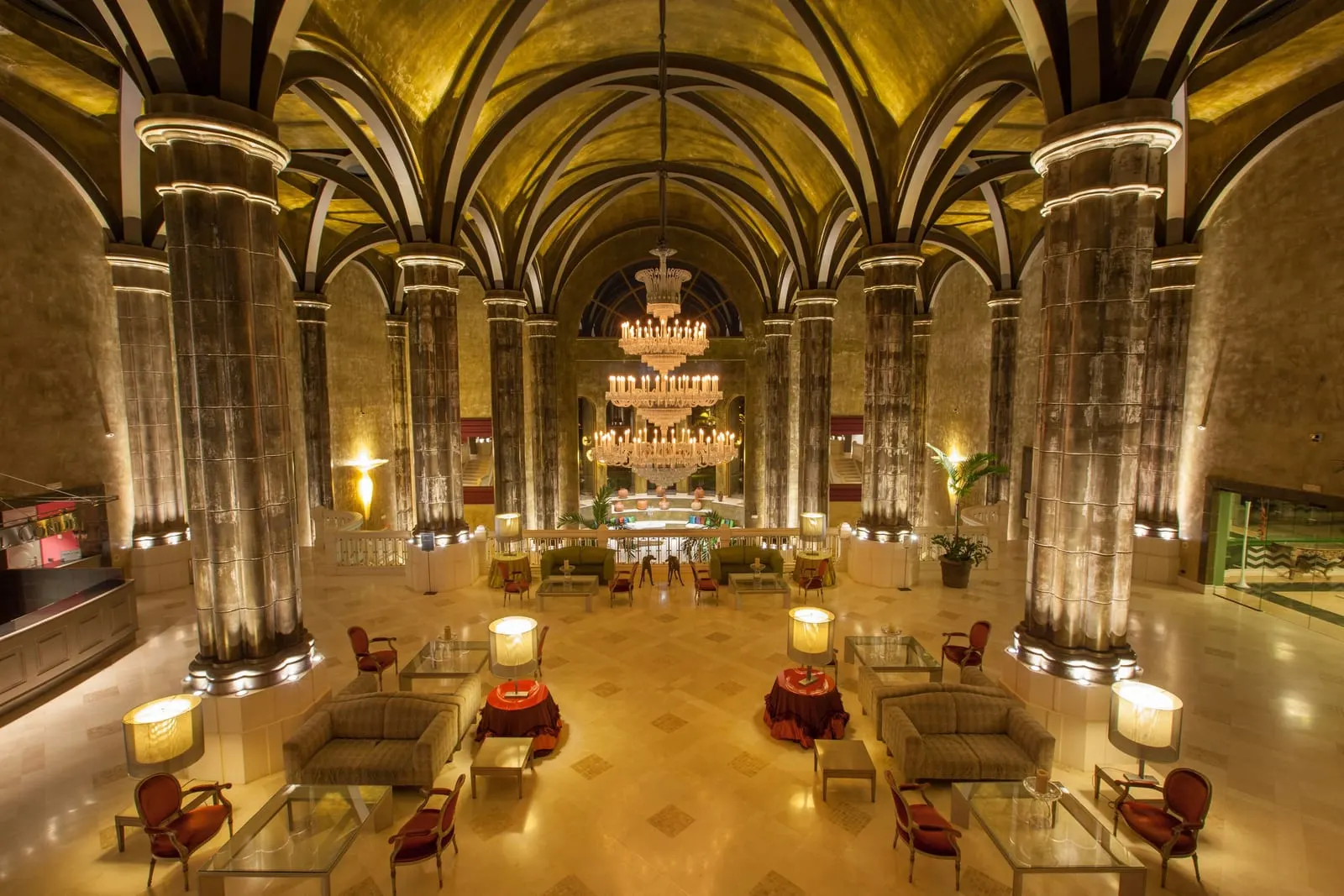
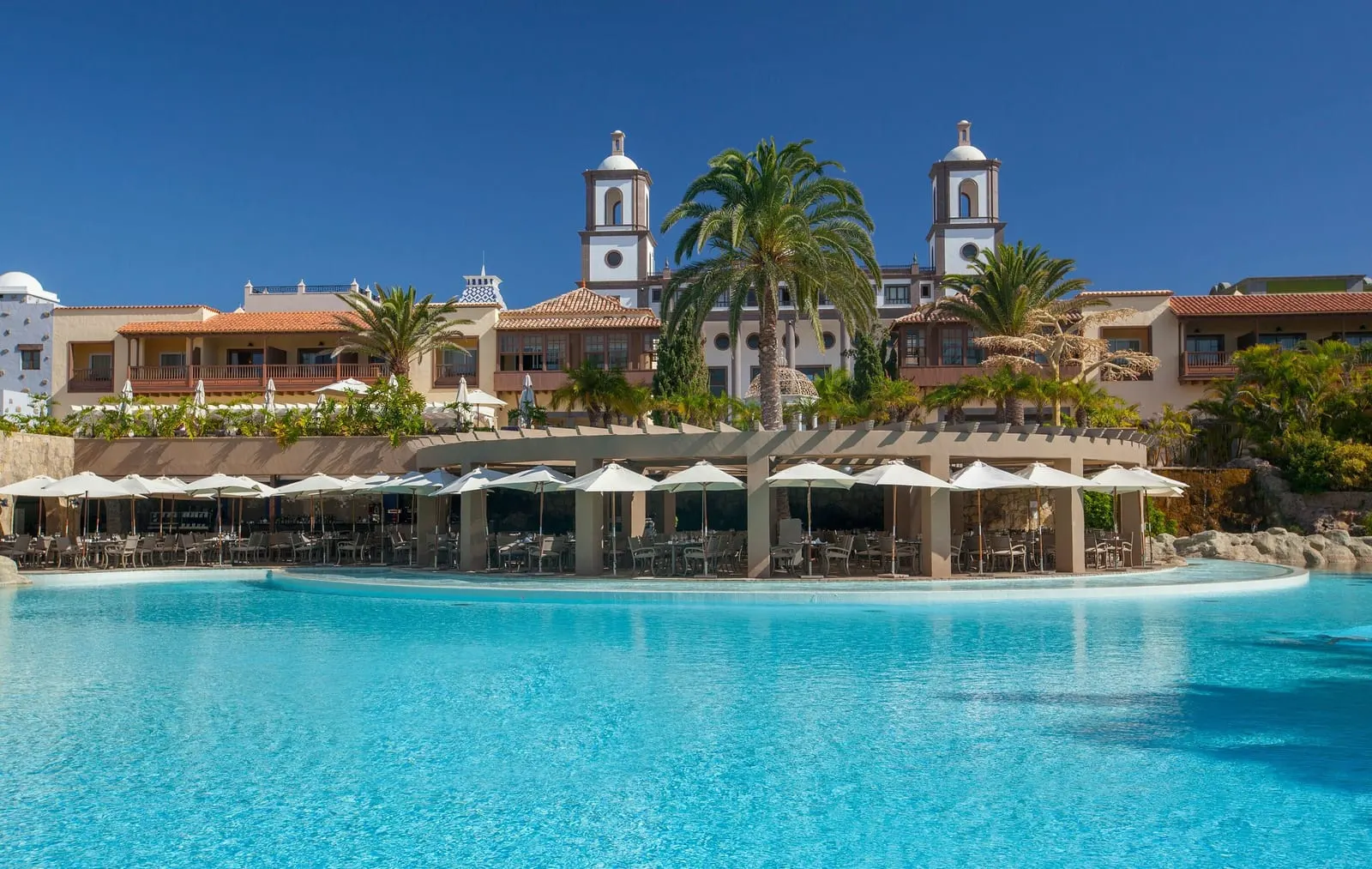
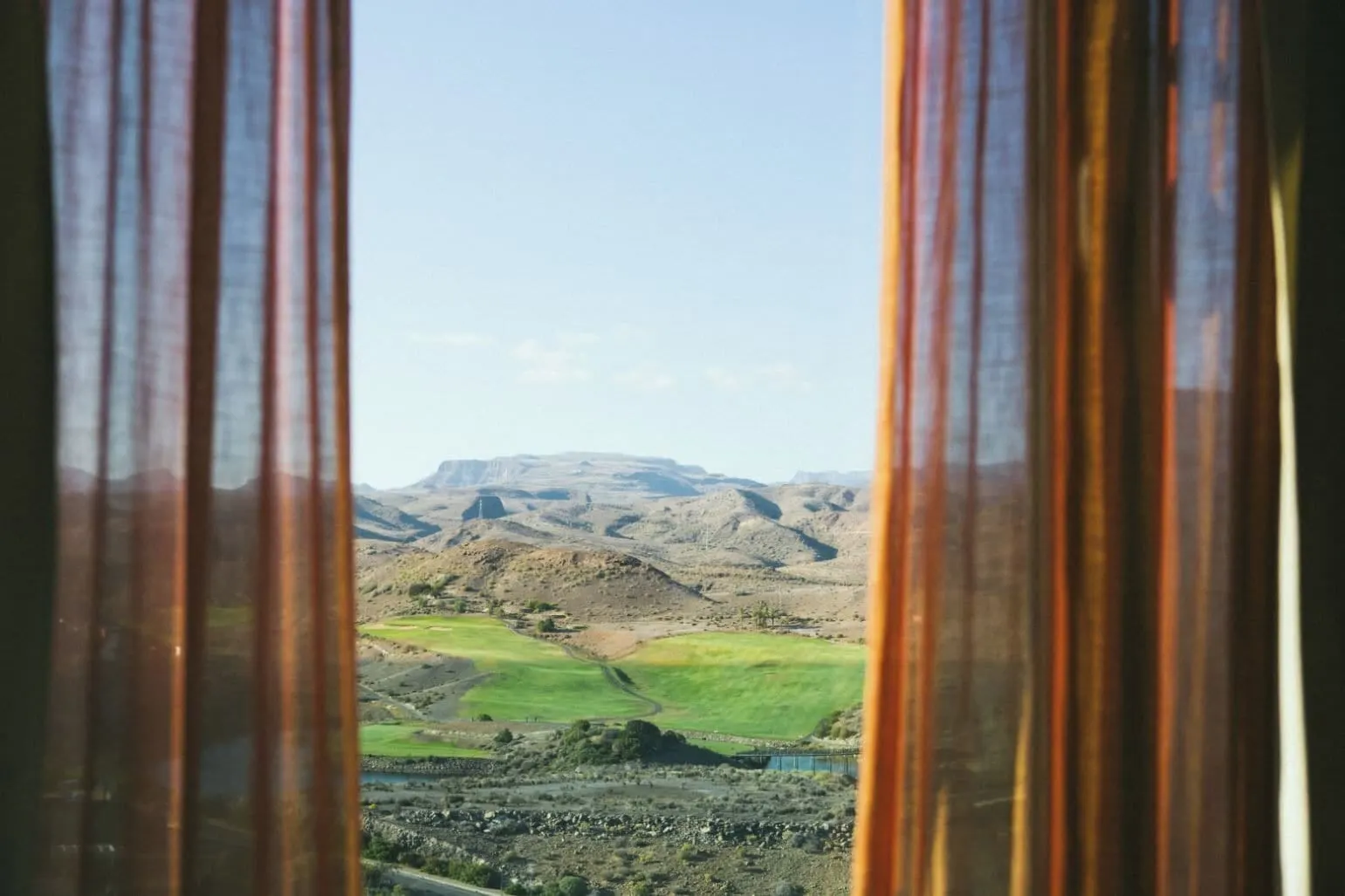
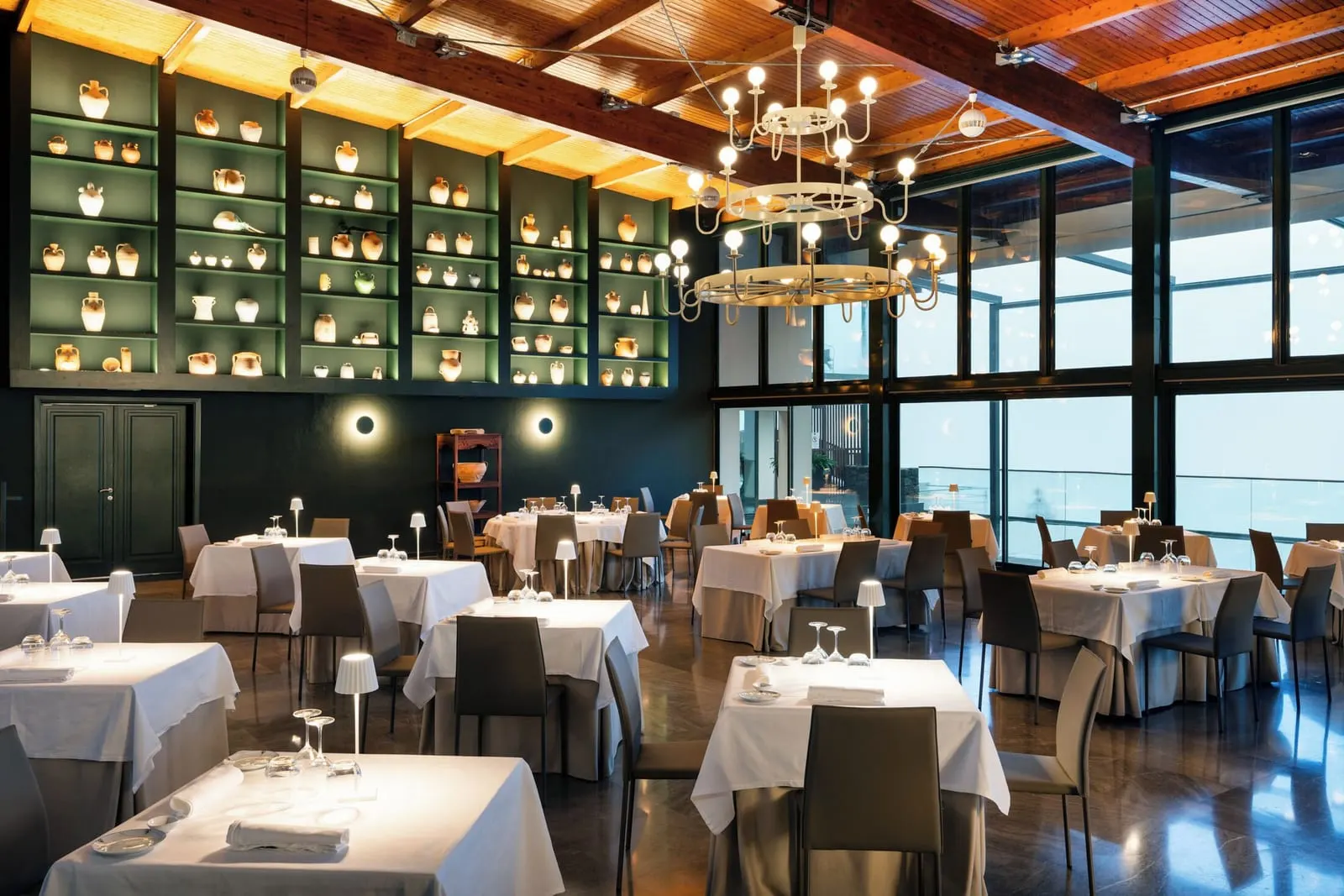
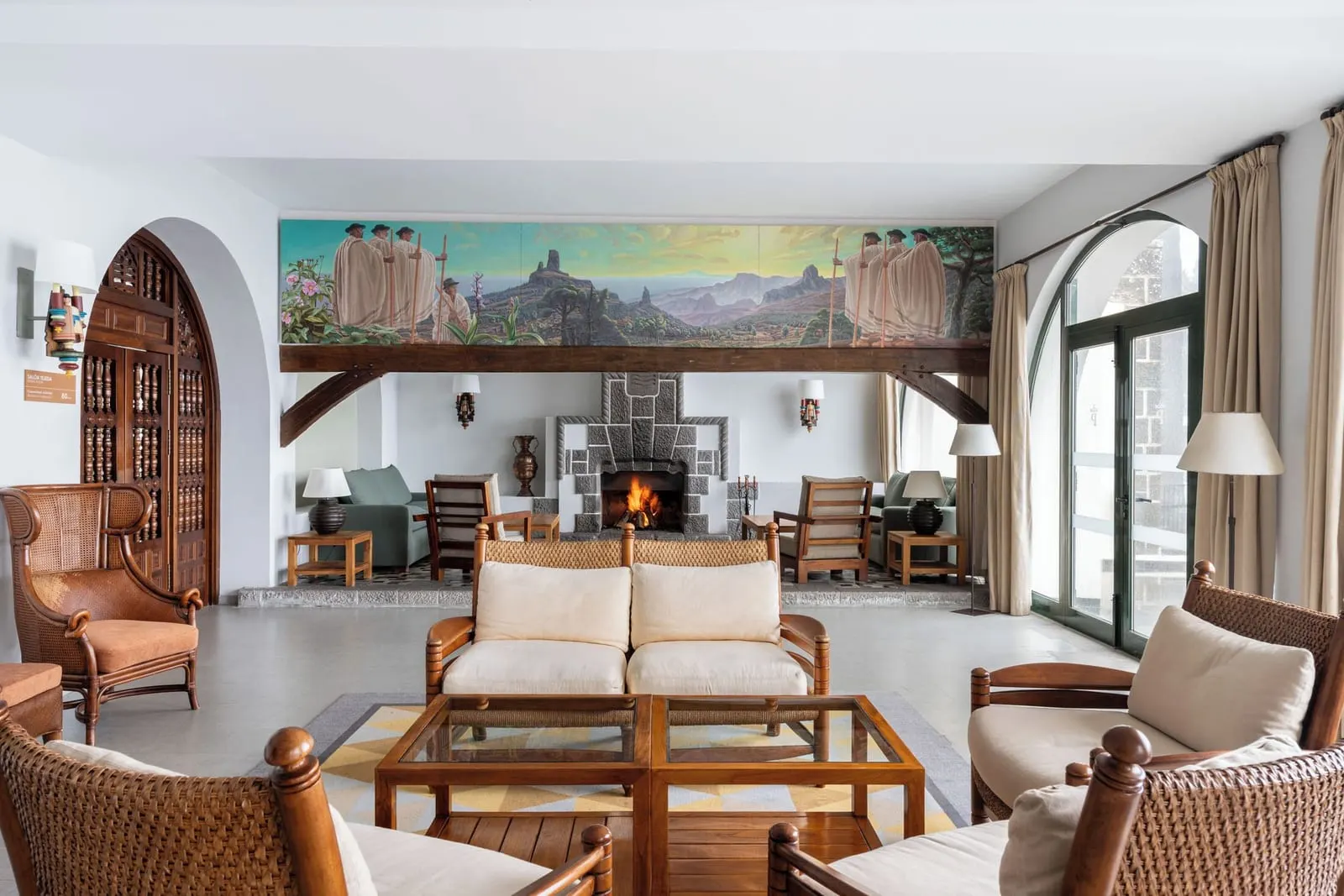
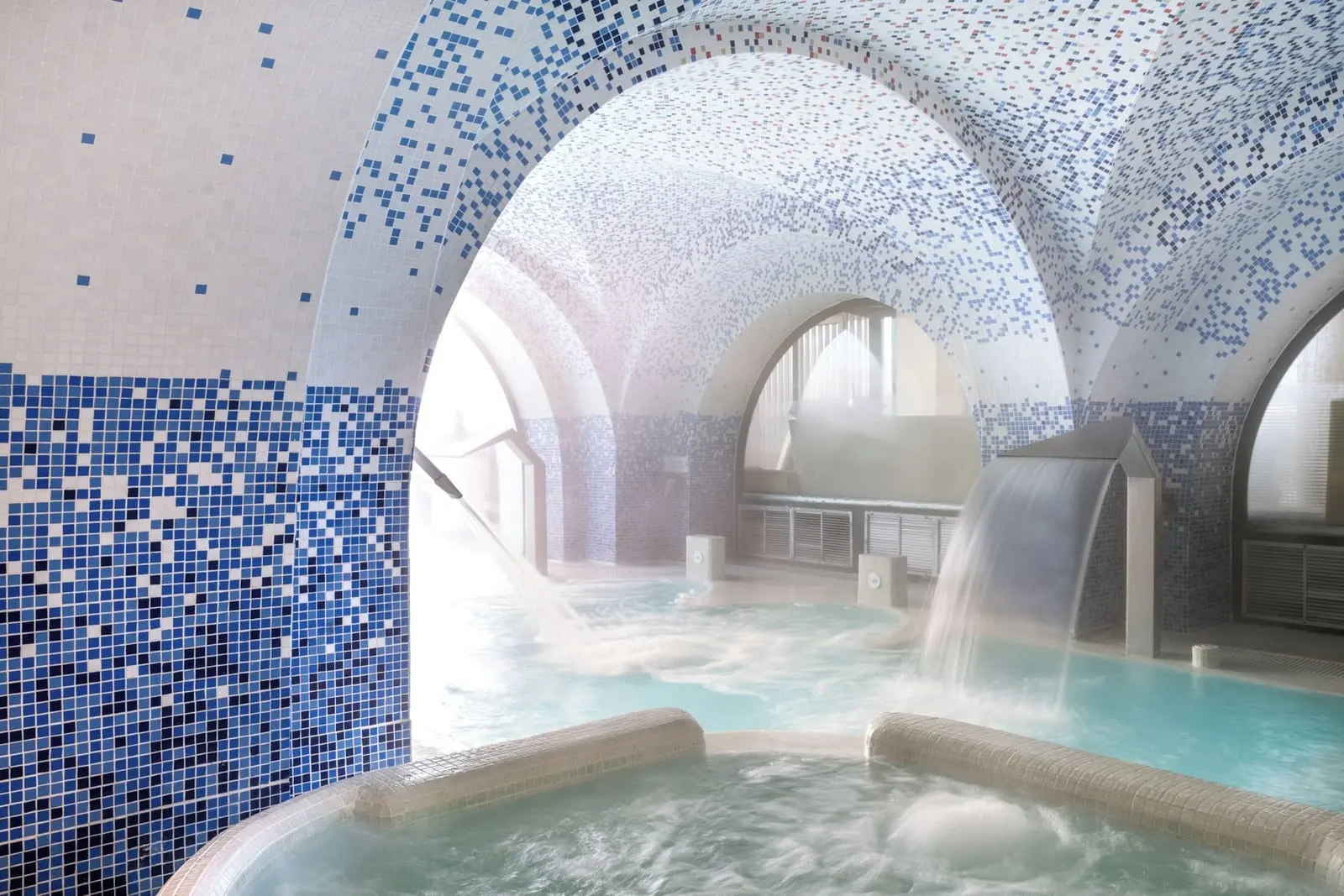
Gran Canaria is two islands in one trip, and where you stay decides which you get. The south is dry, sunny and built for holidays. Las Palmas, in the north-east, is a working port city of about 380,000 people with a beach of its own. Between them rise the mountains, greener and cooler as they climb. Six of these ten are in the south, three in the city and one on the pass at Cruz de Tejeda, and a week can take two bases.
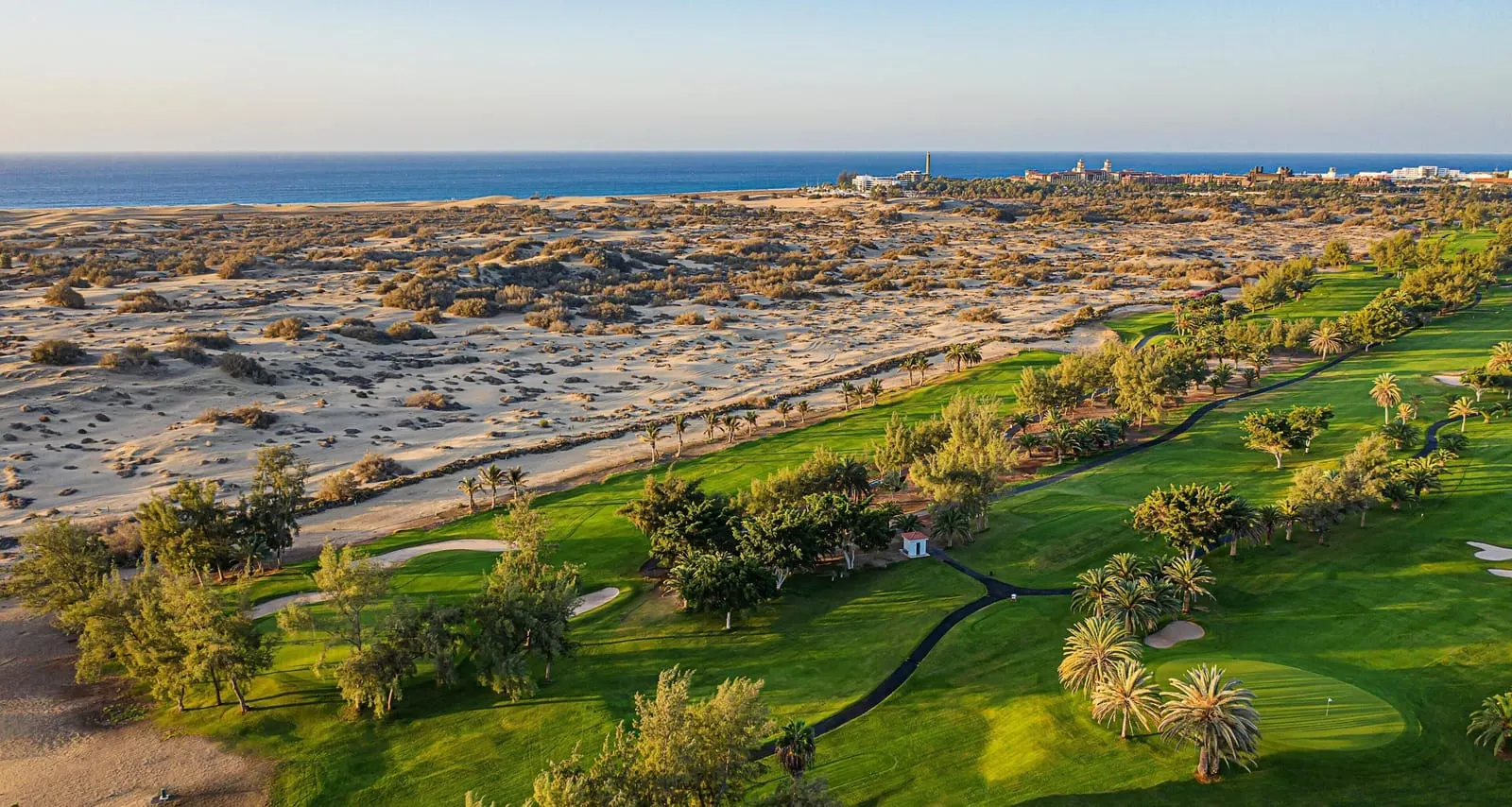
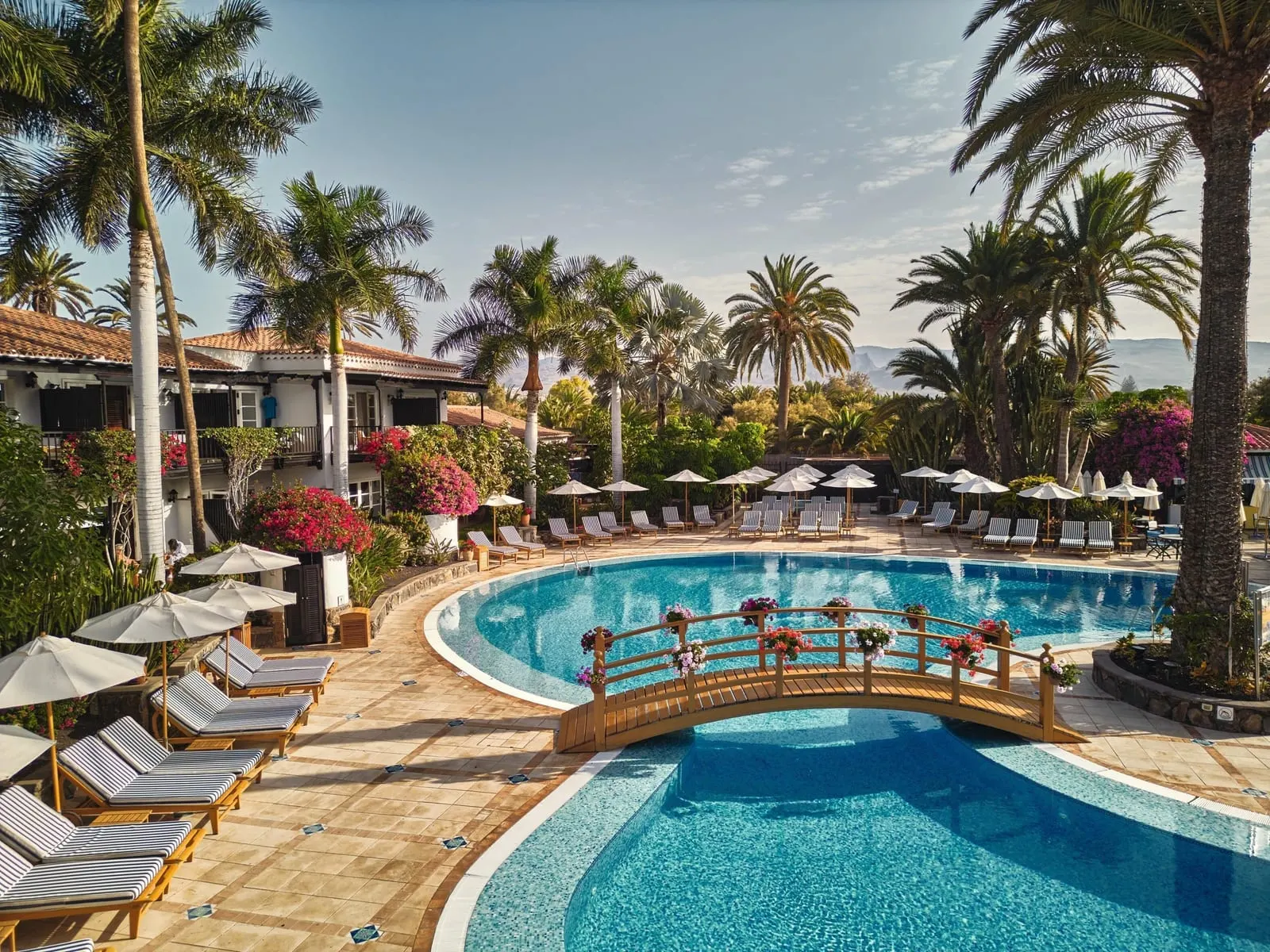
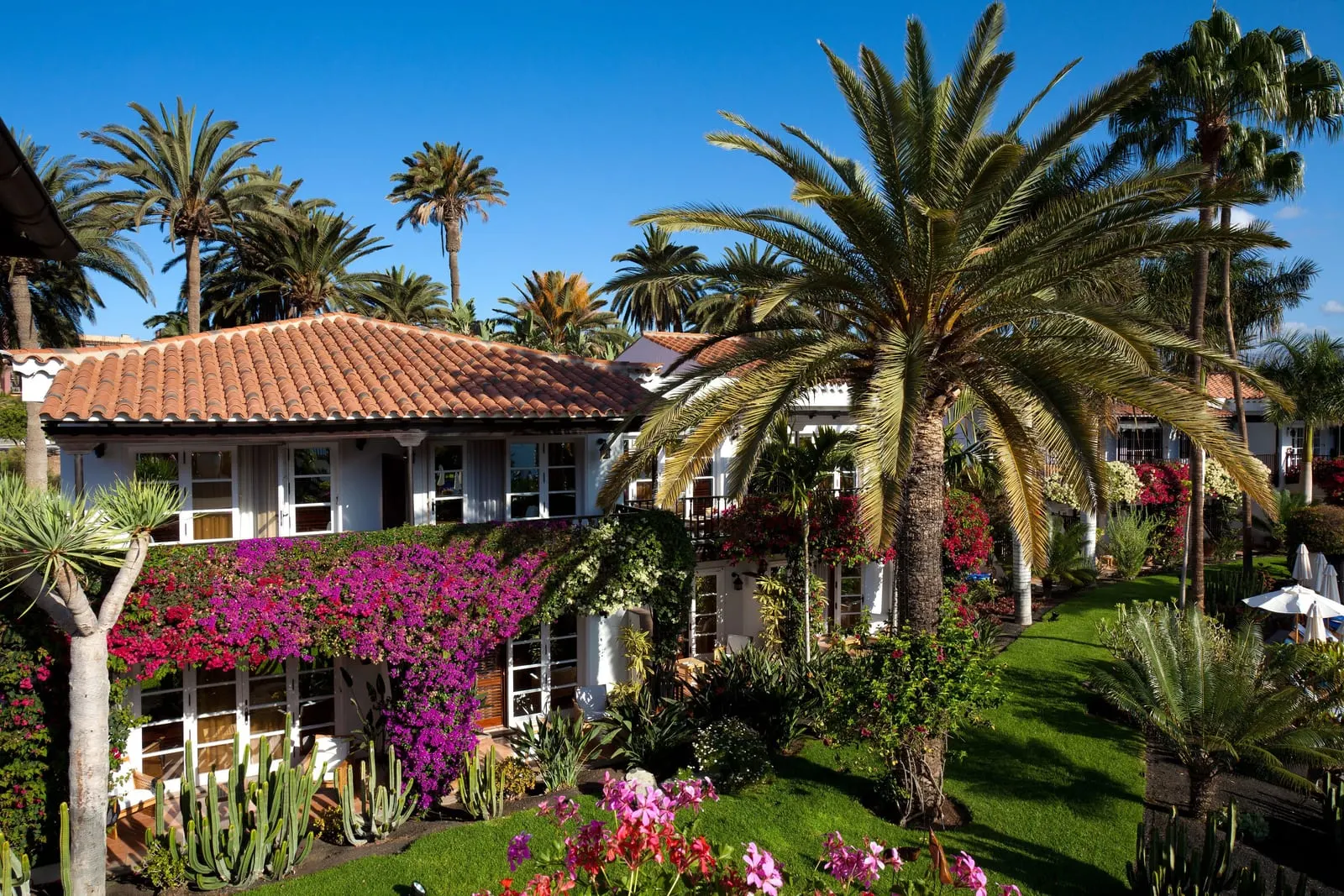
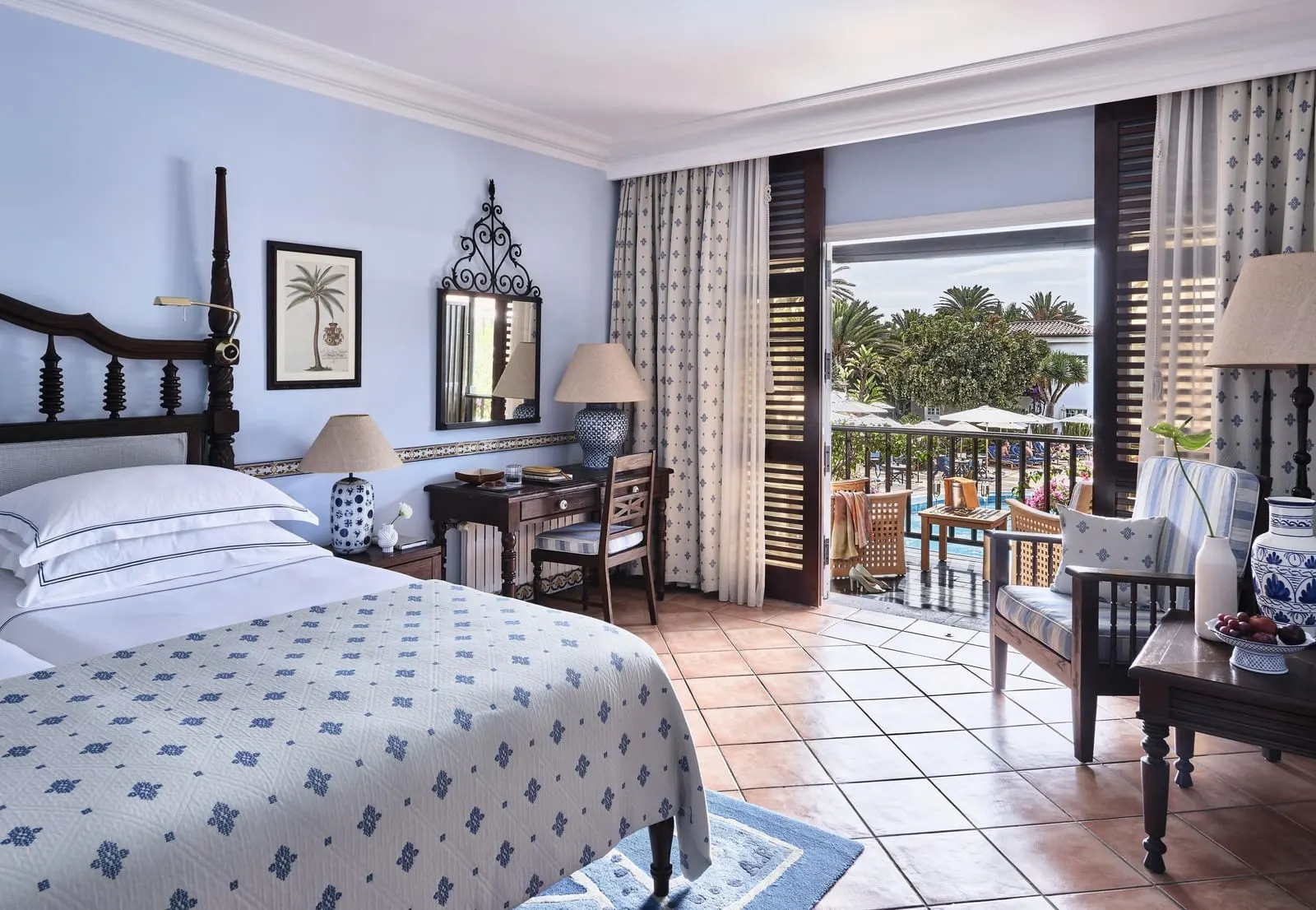
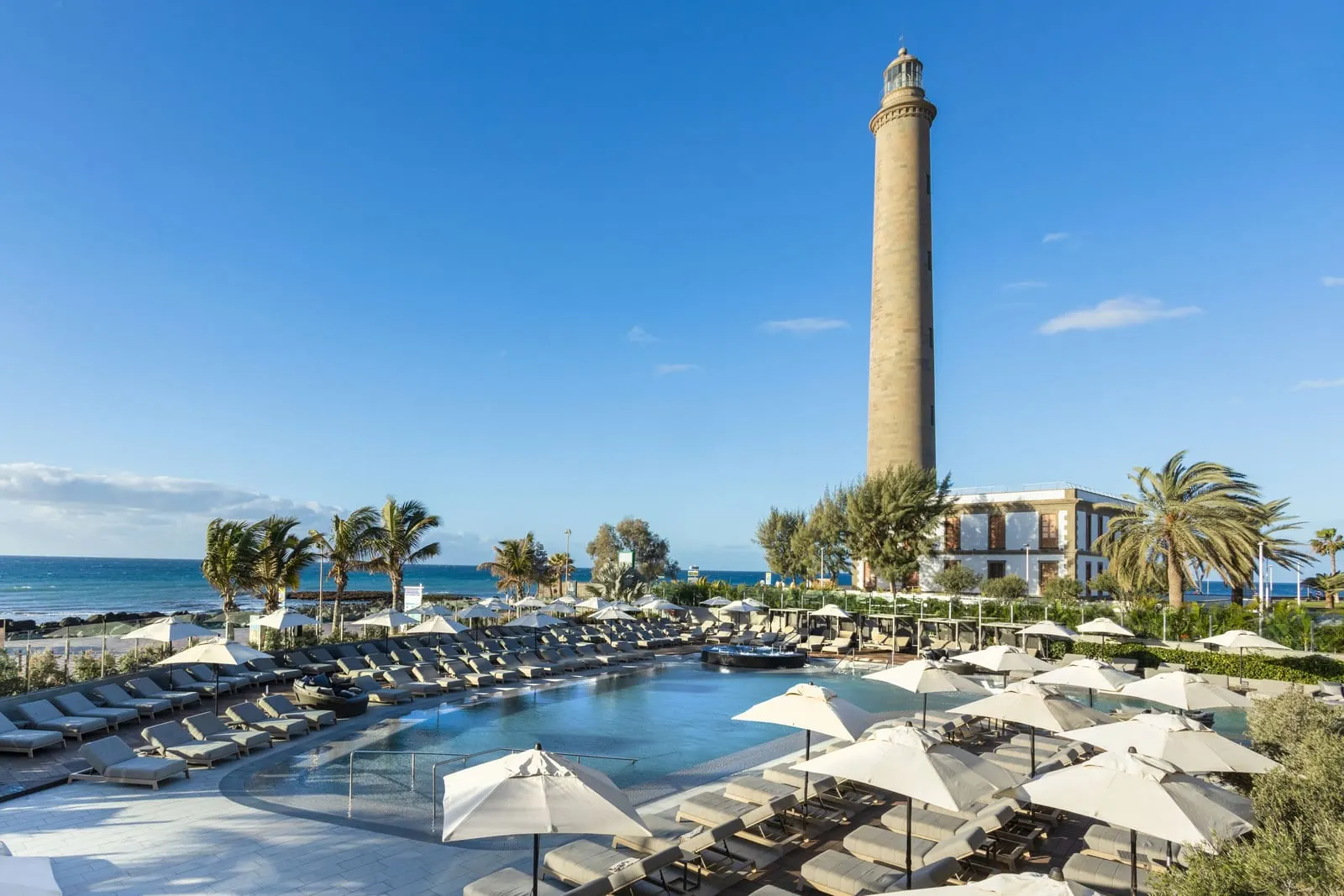
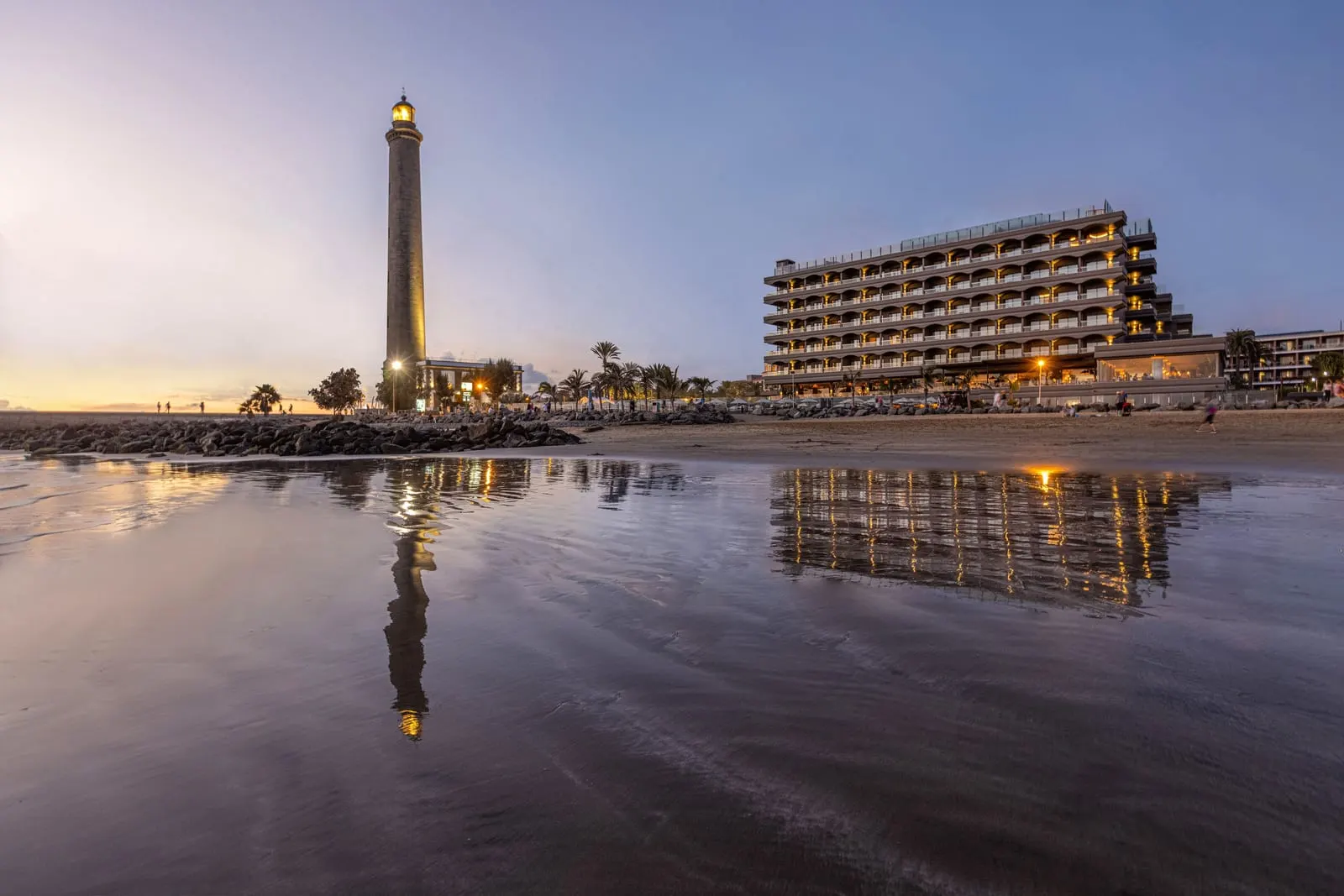
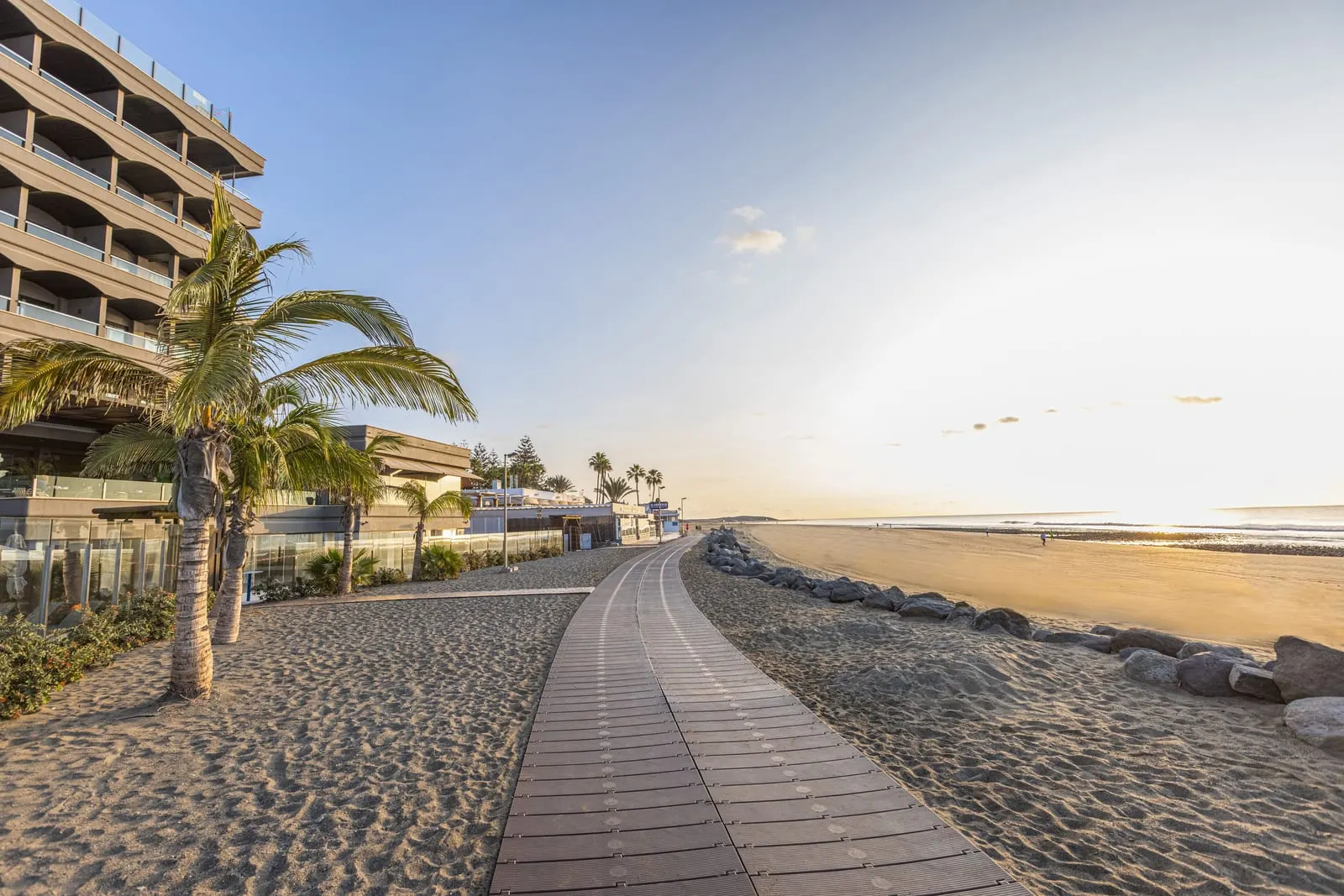
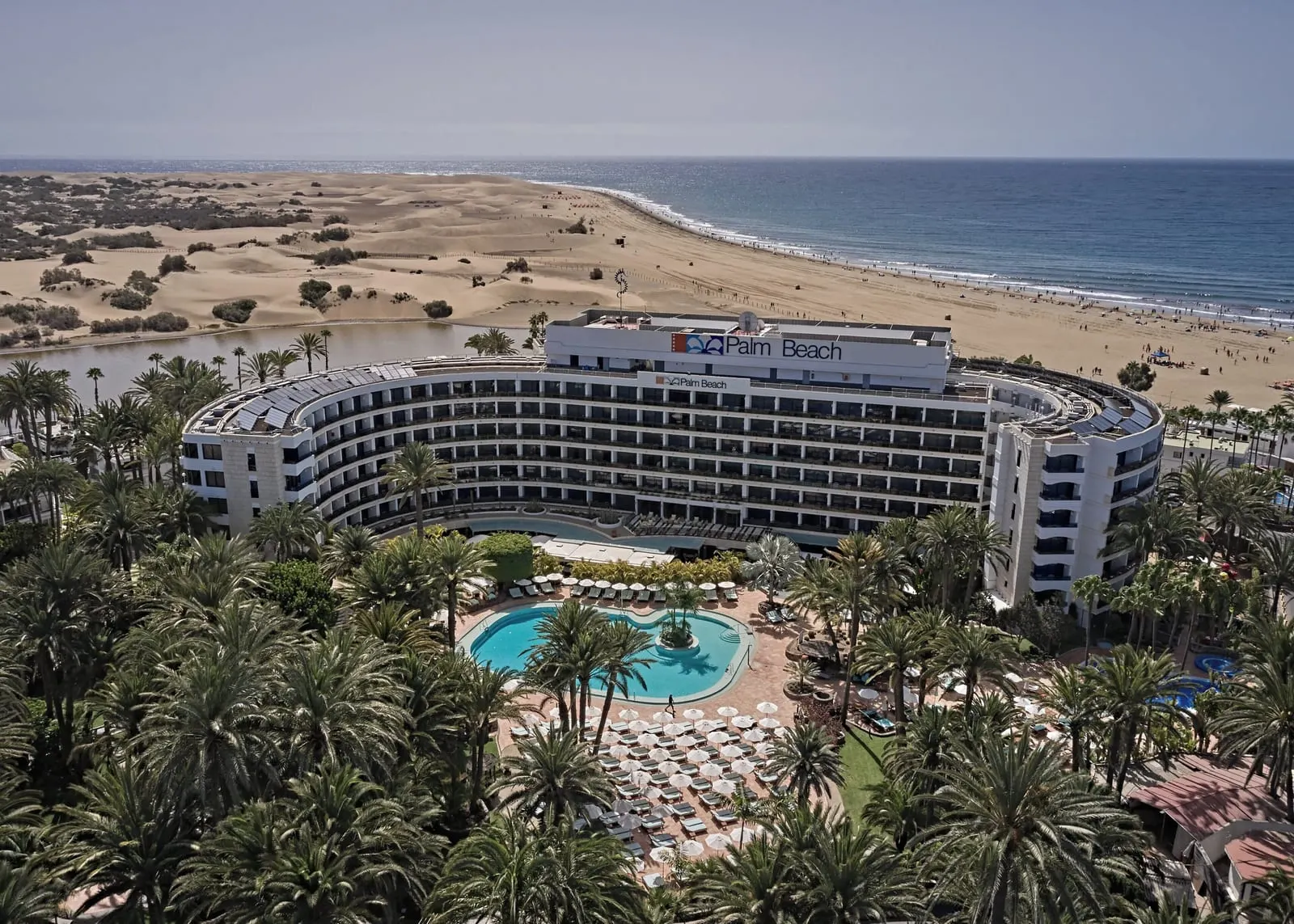
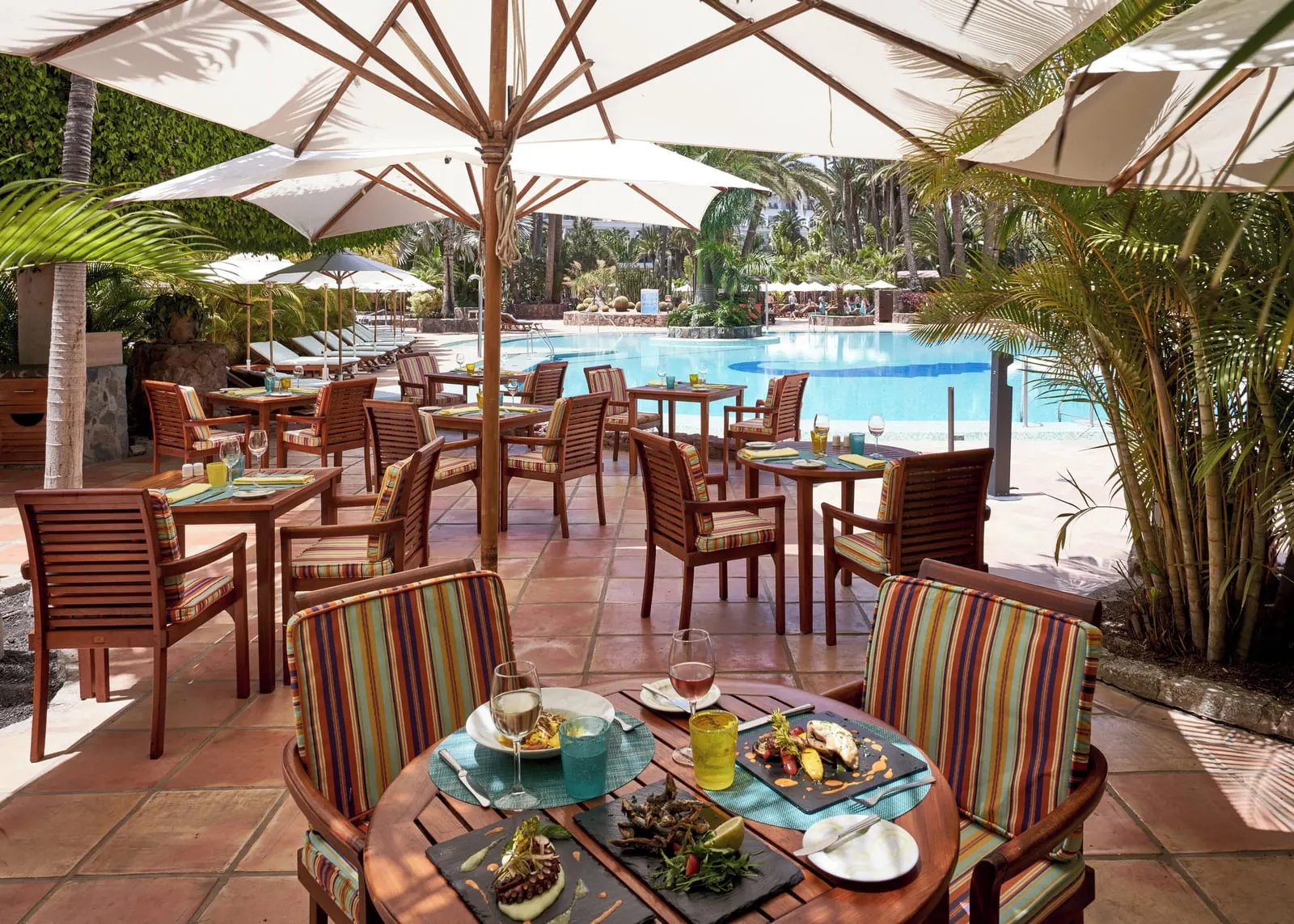
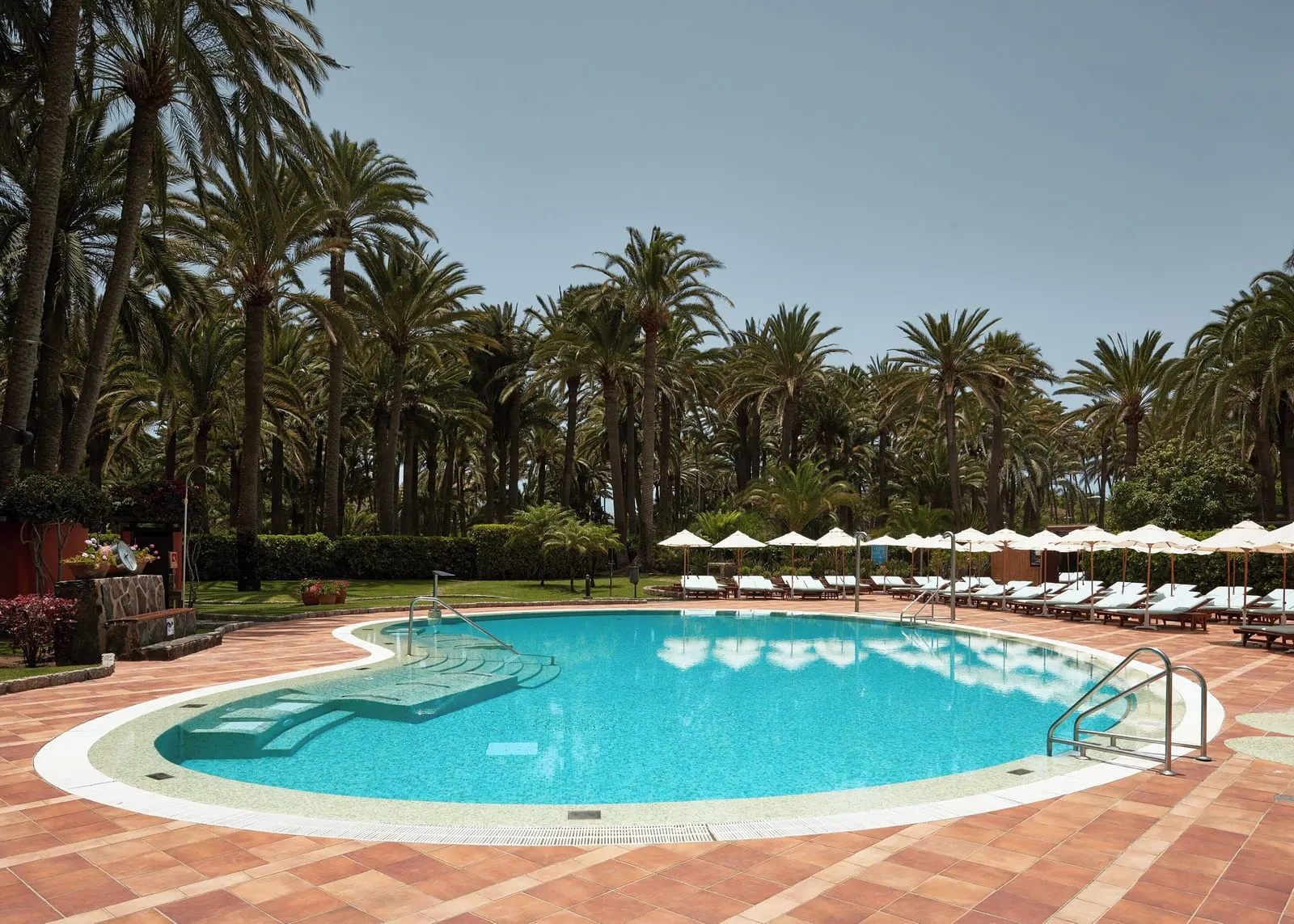
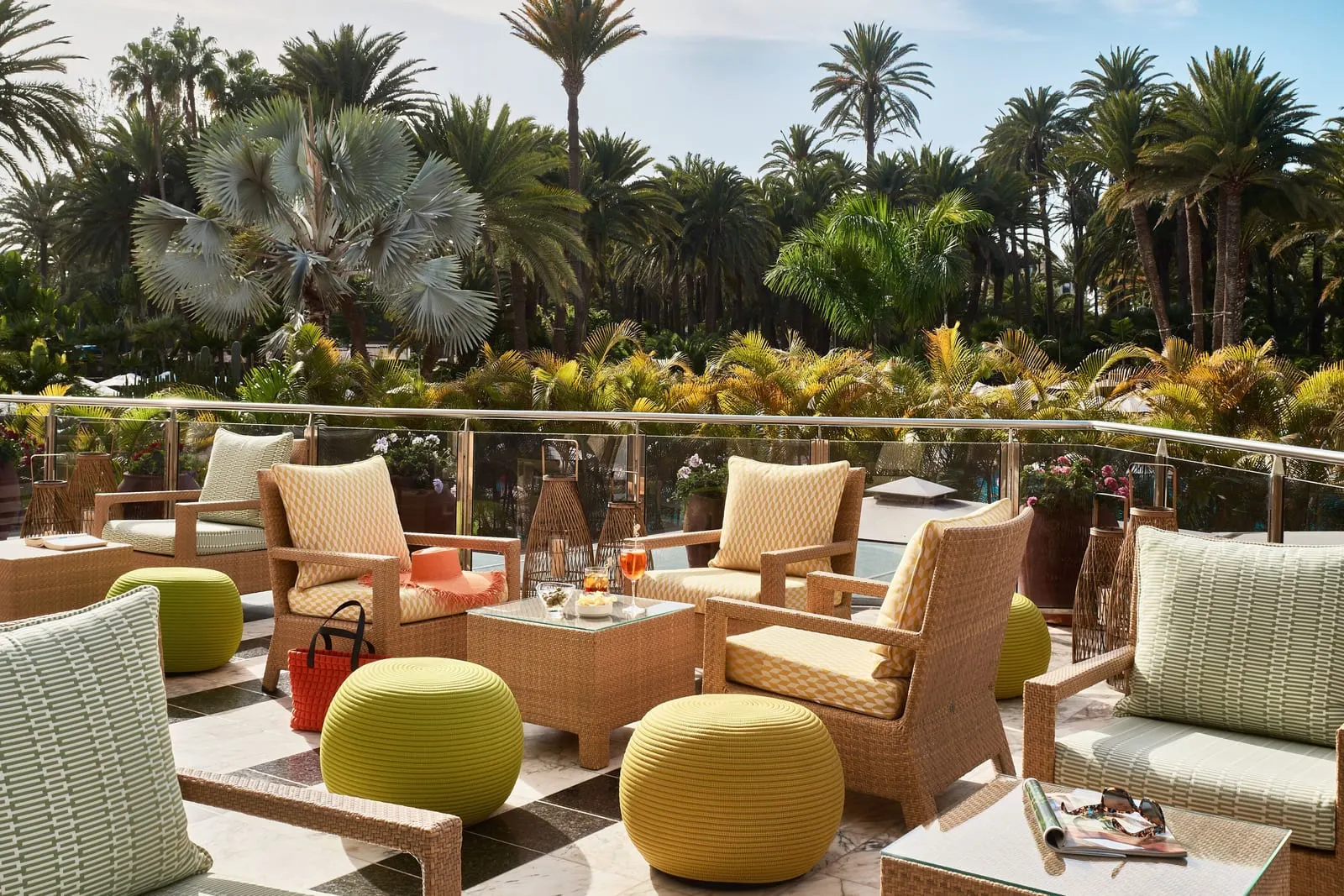
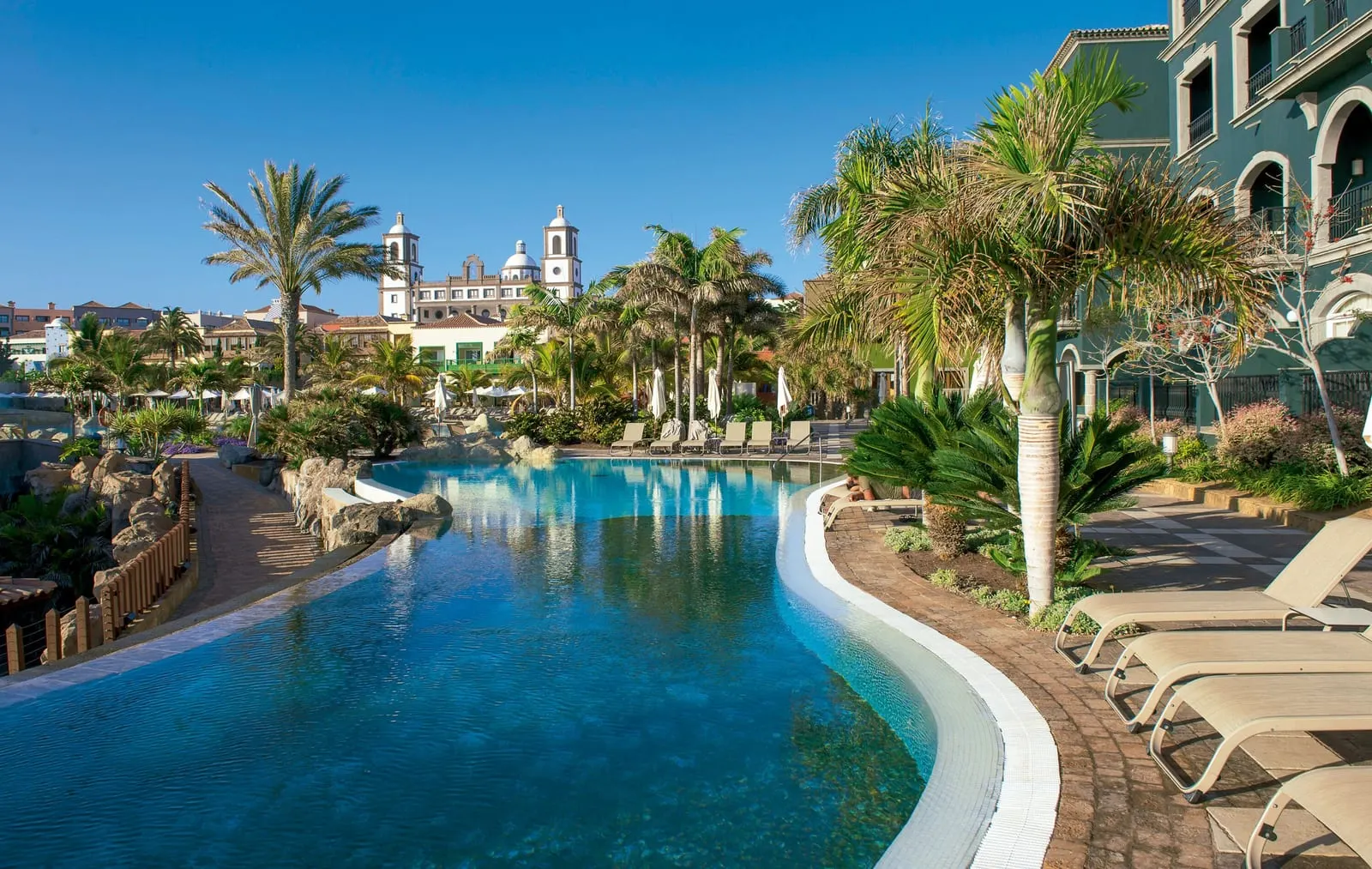
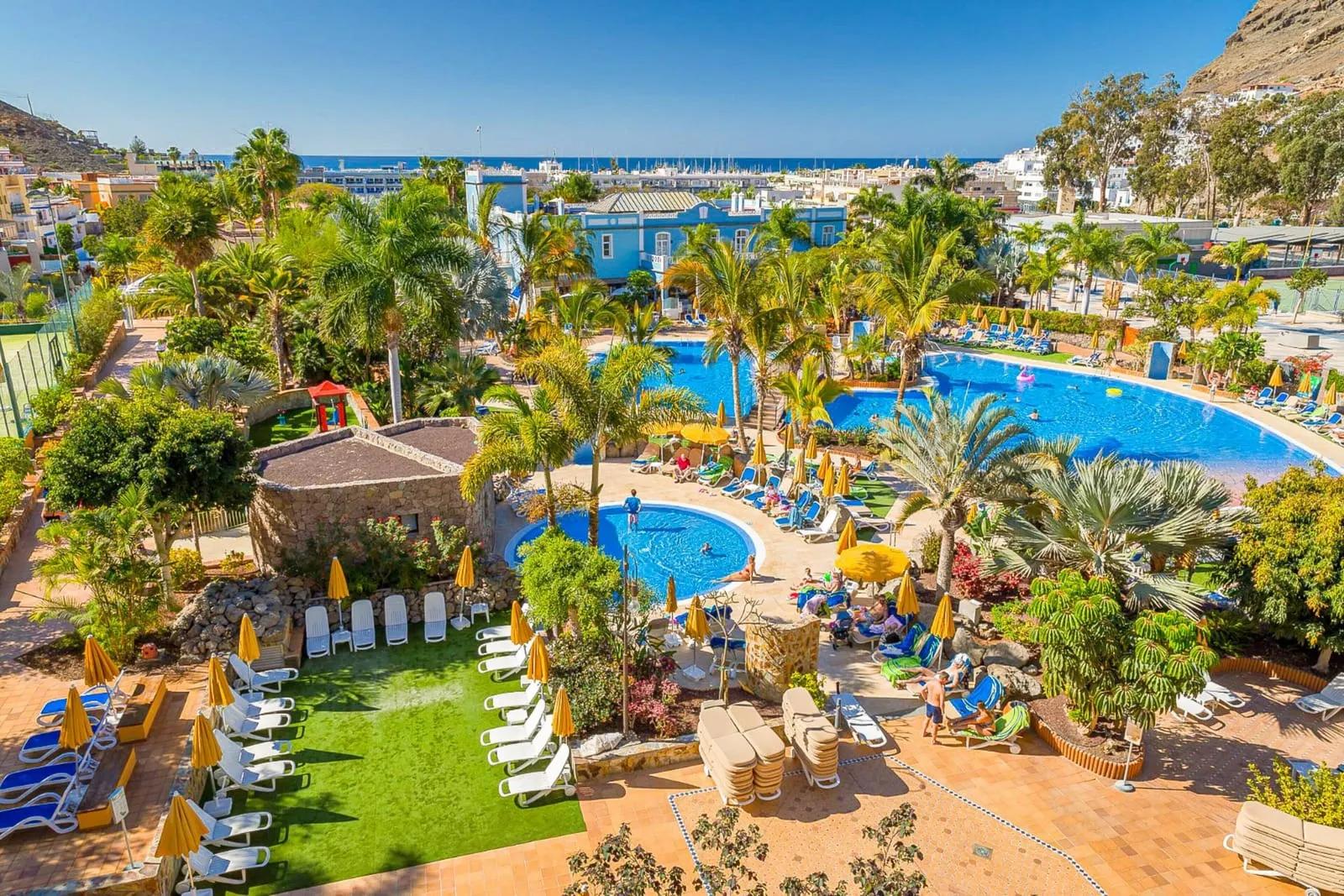
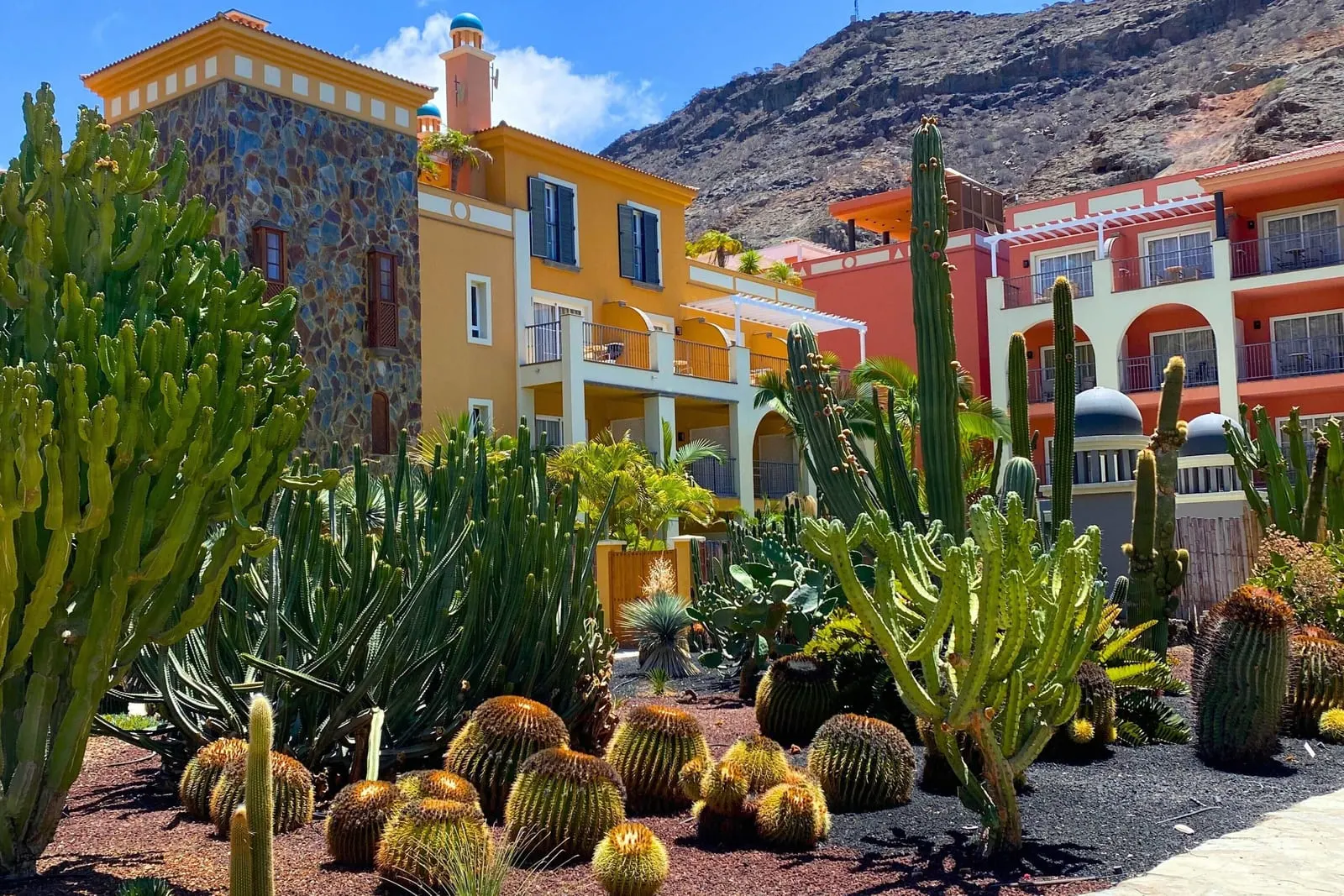
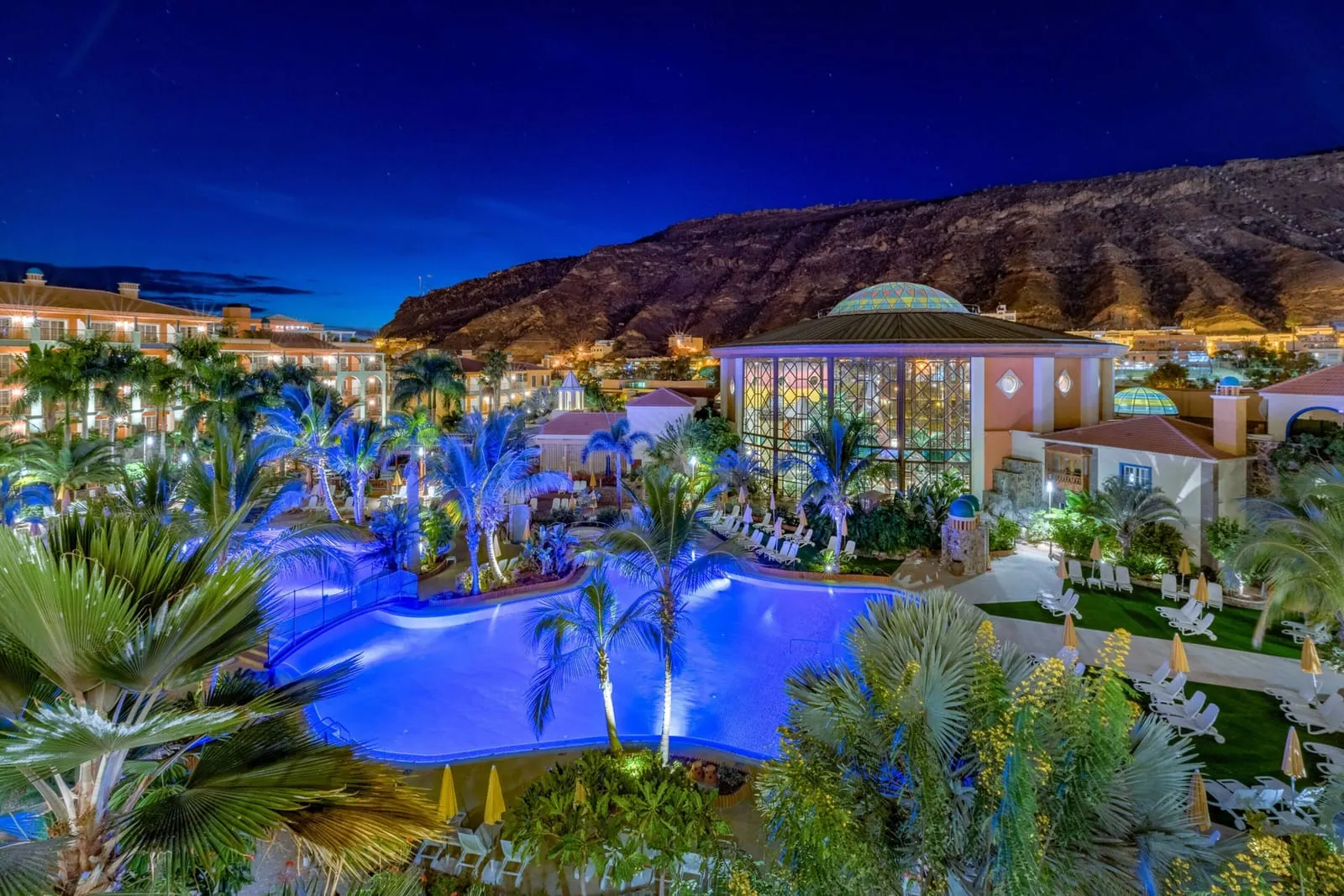
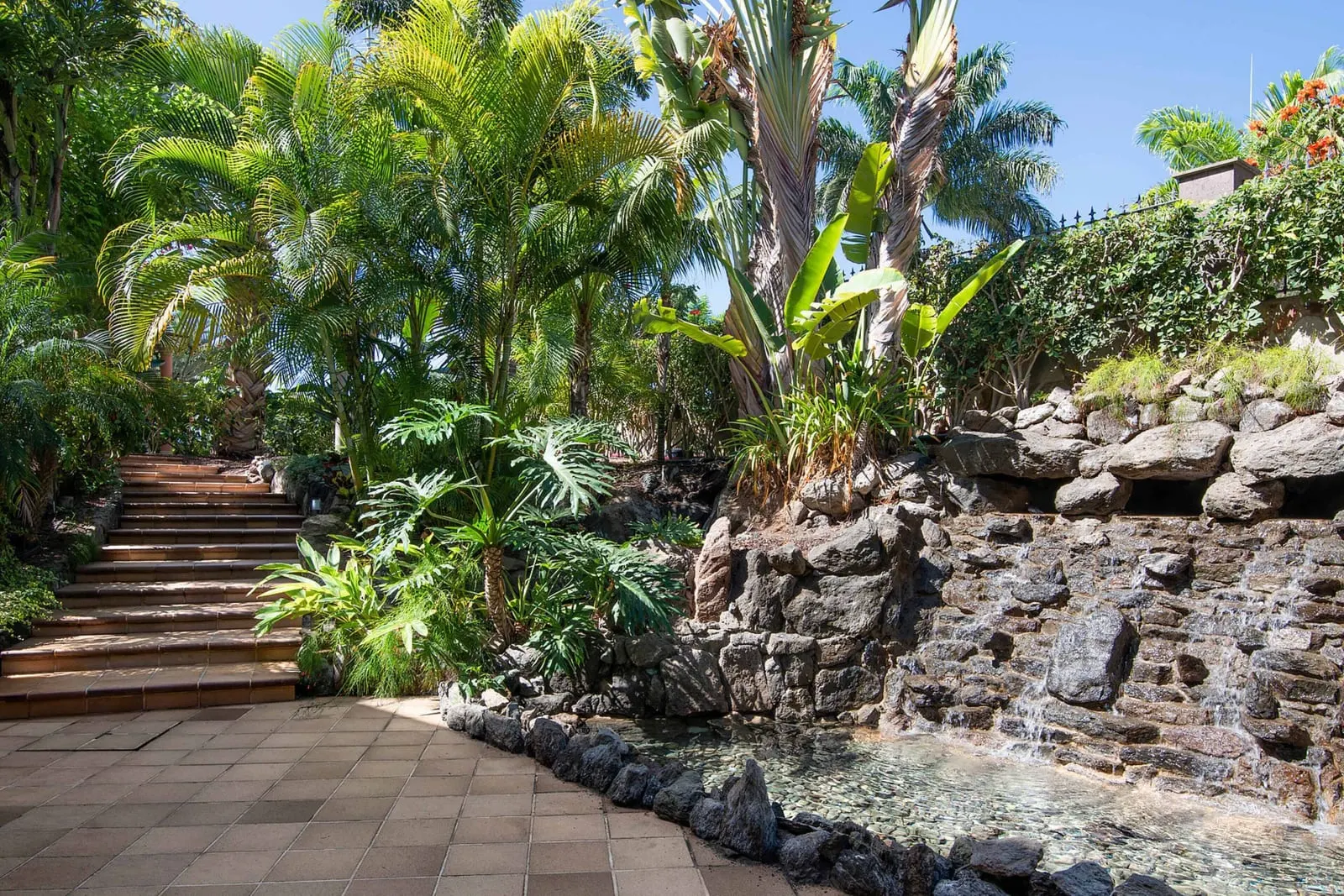
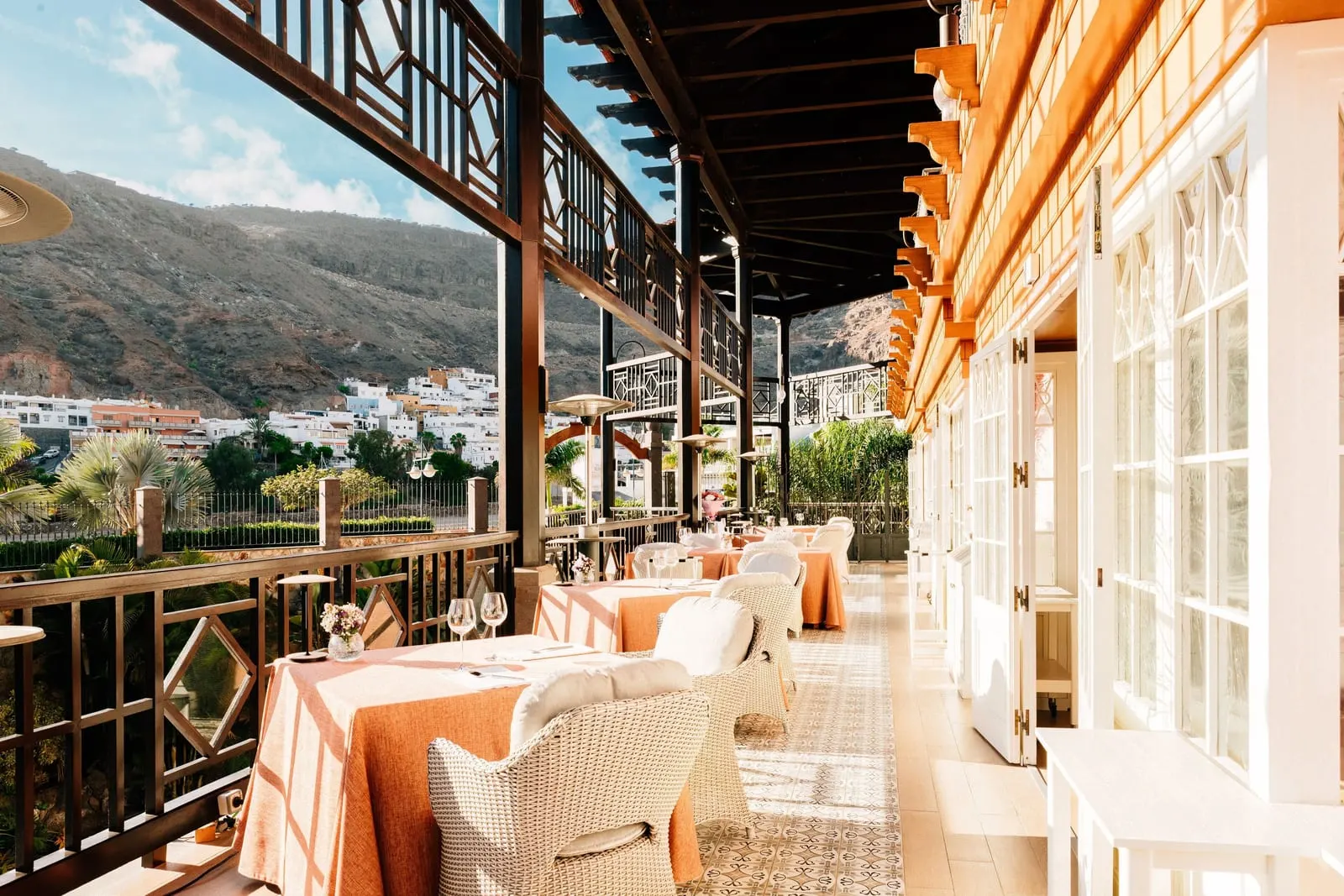
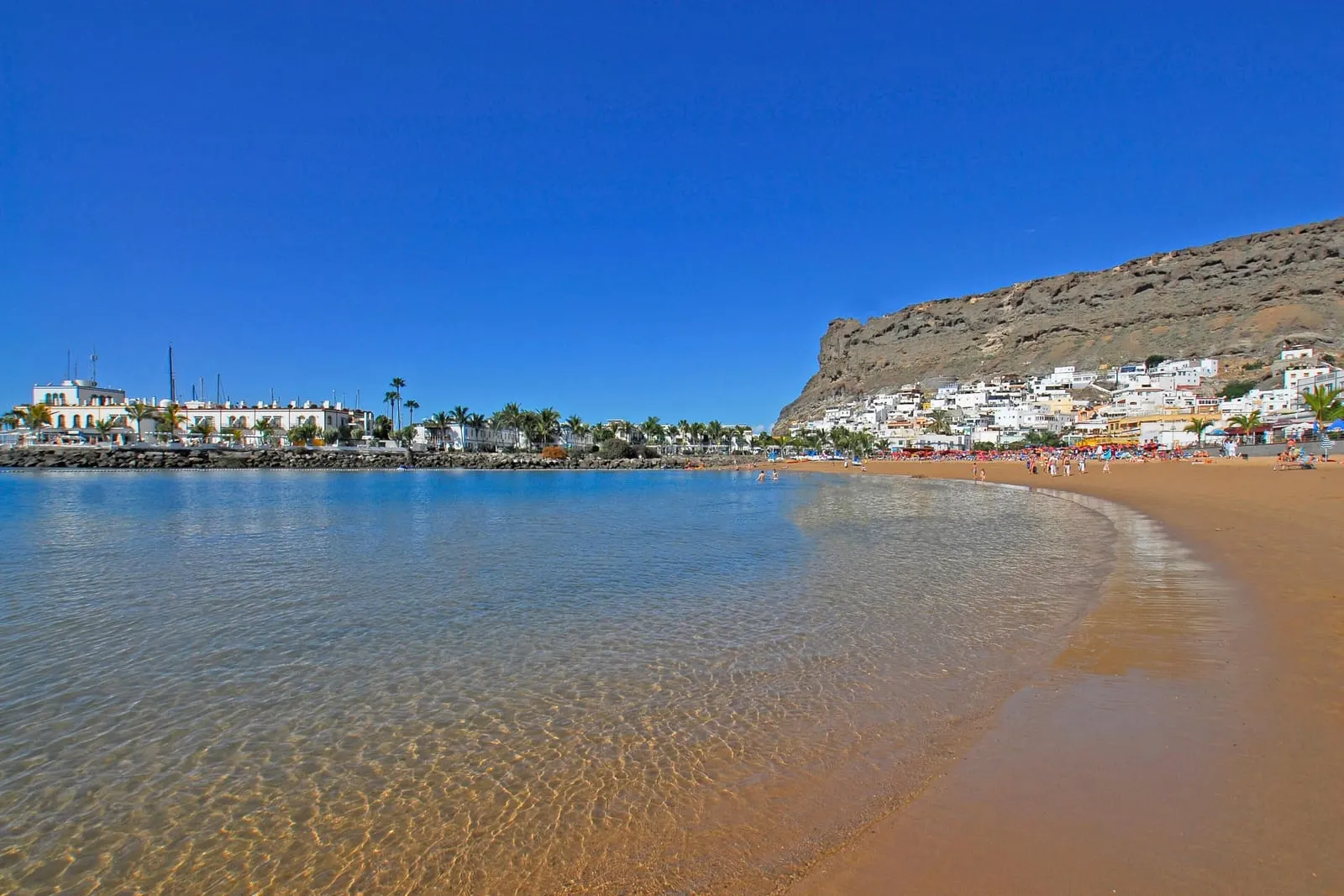
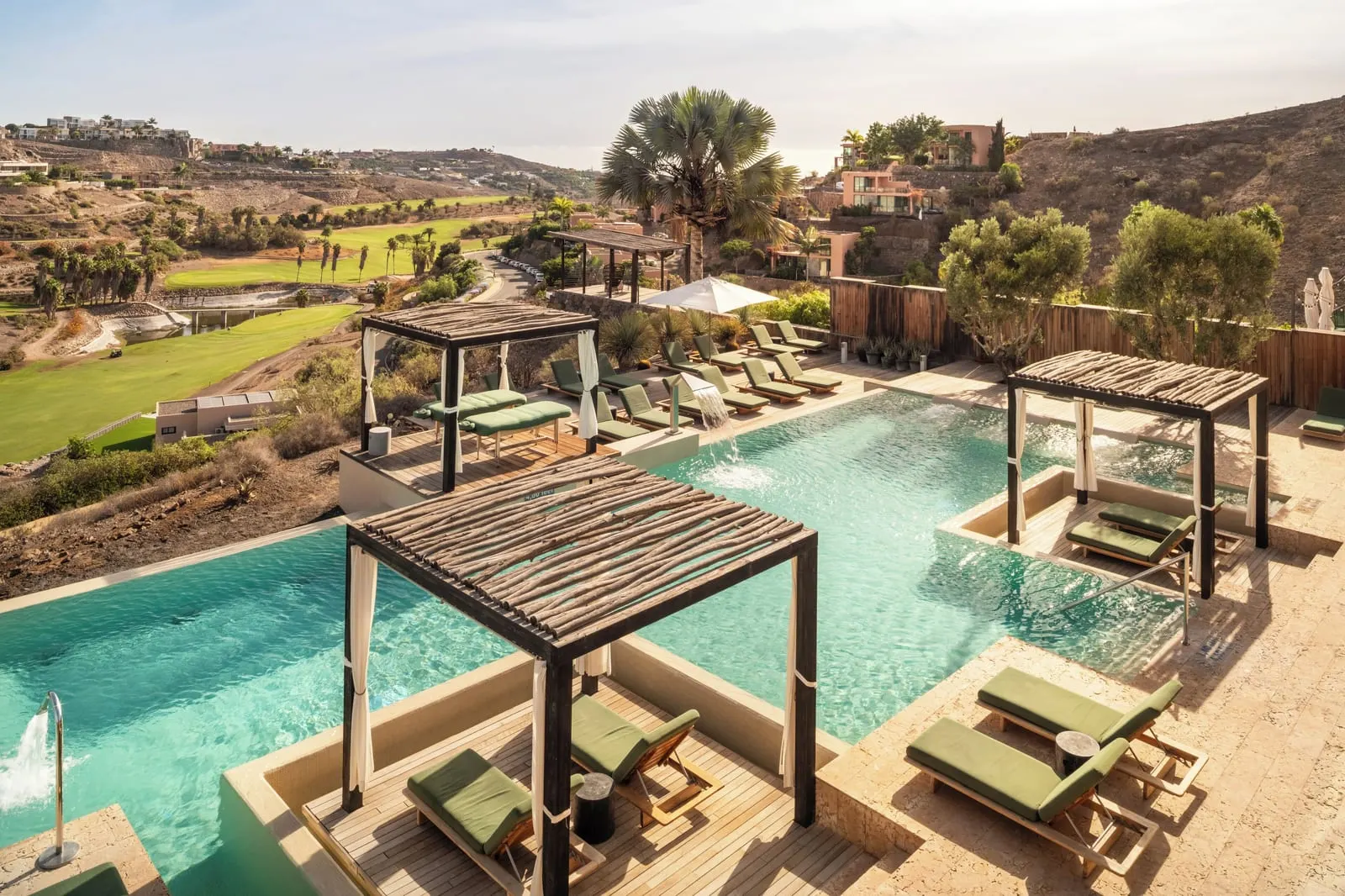
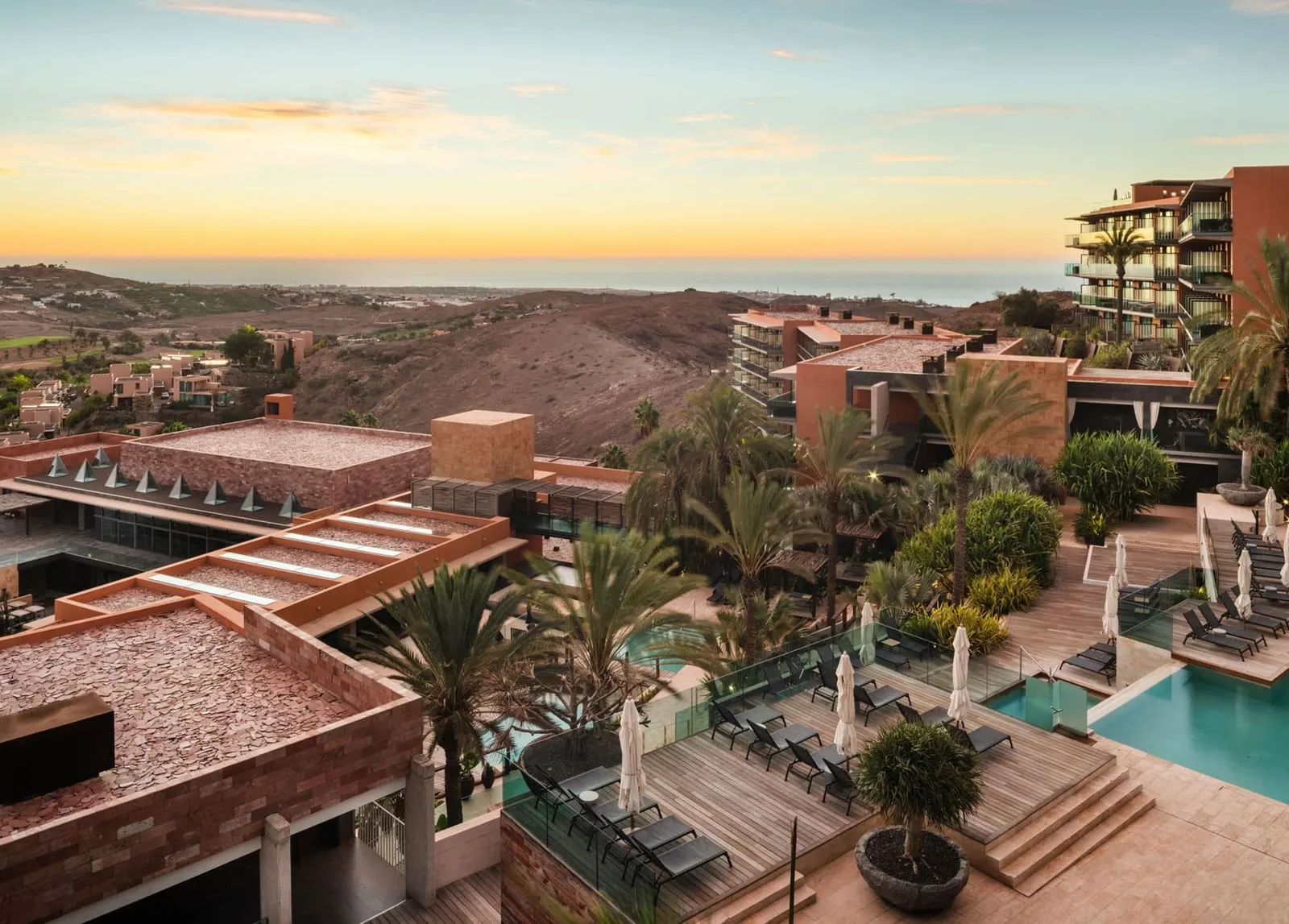
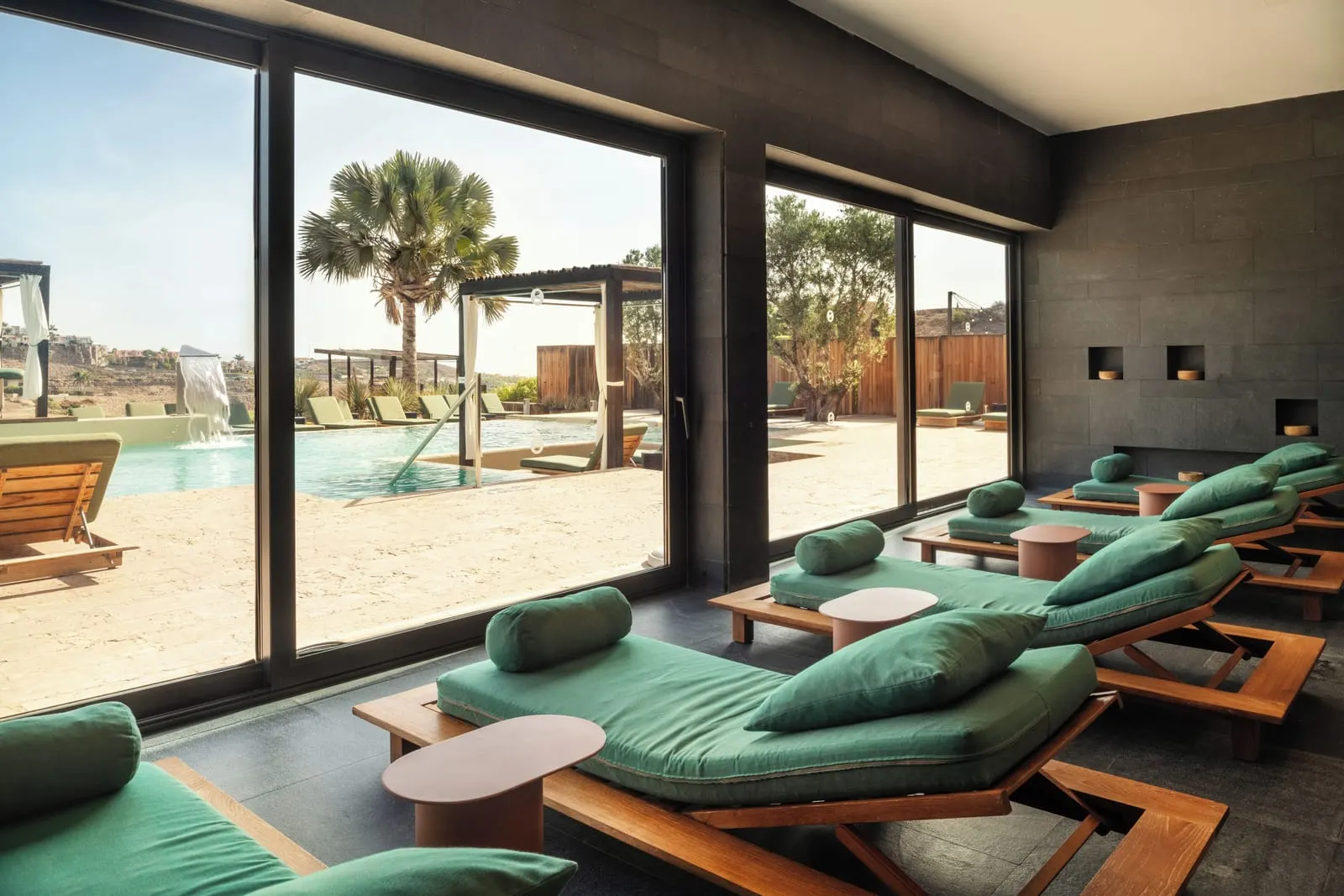
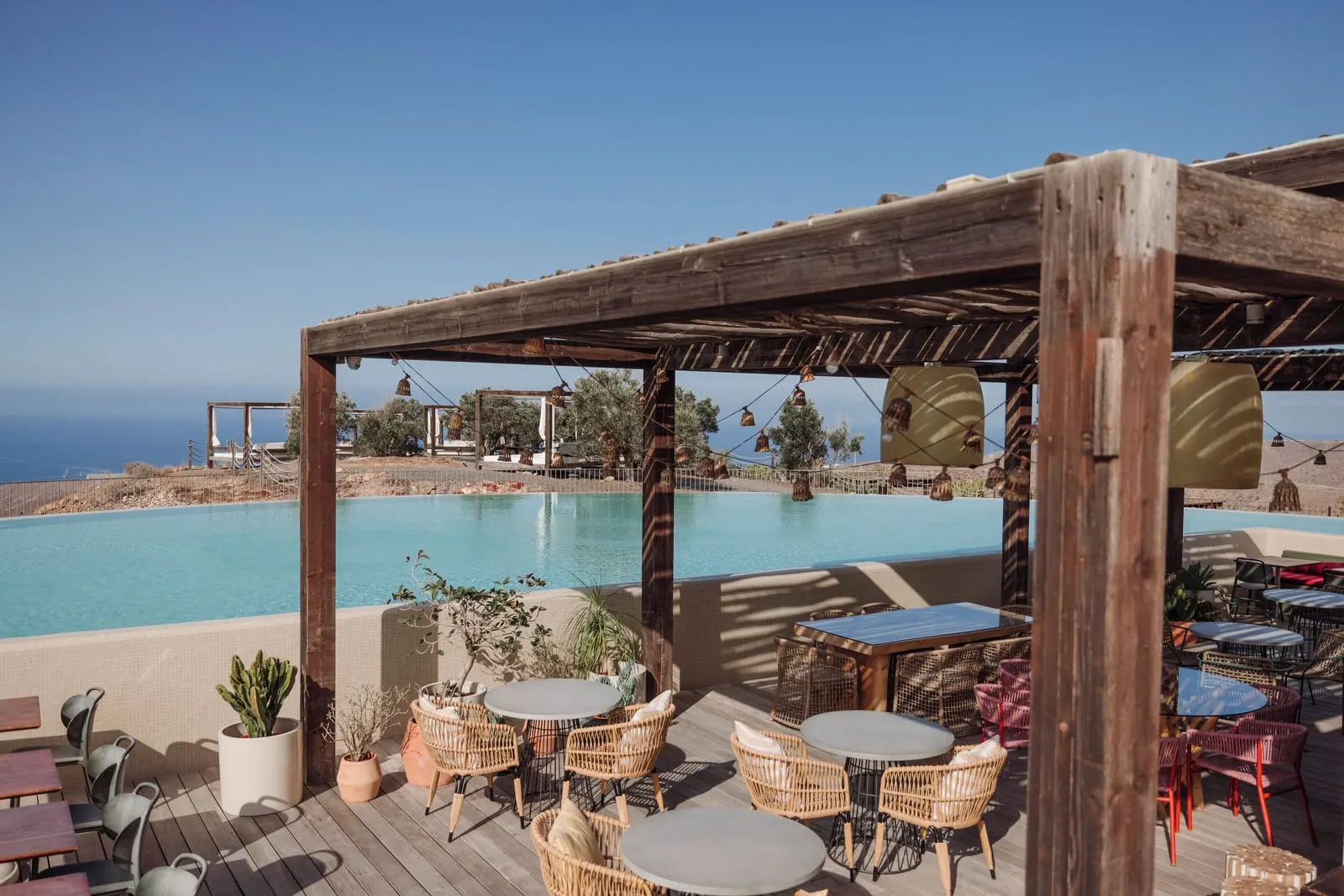
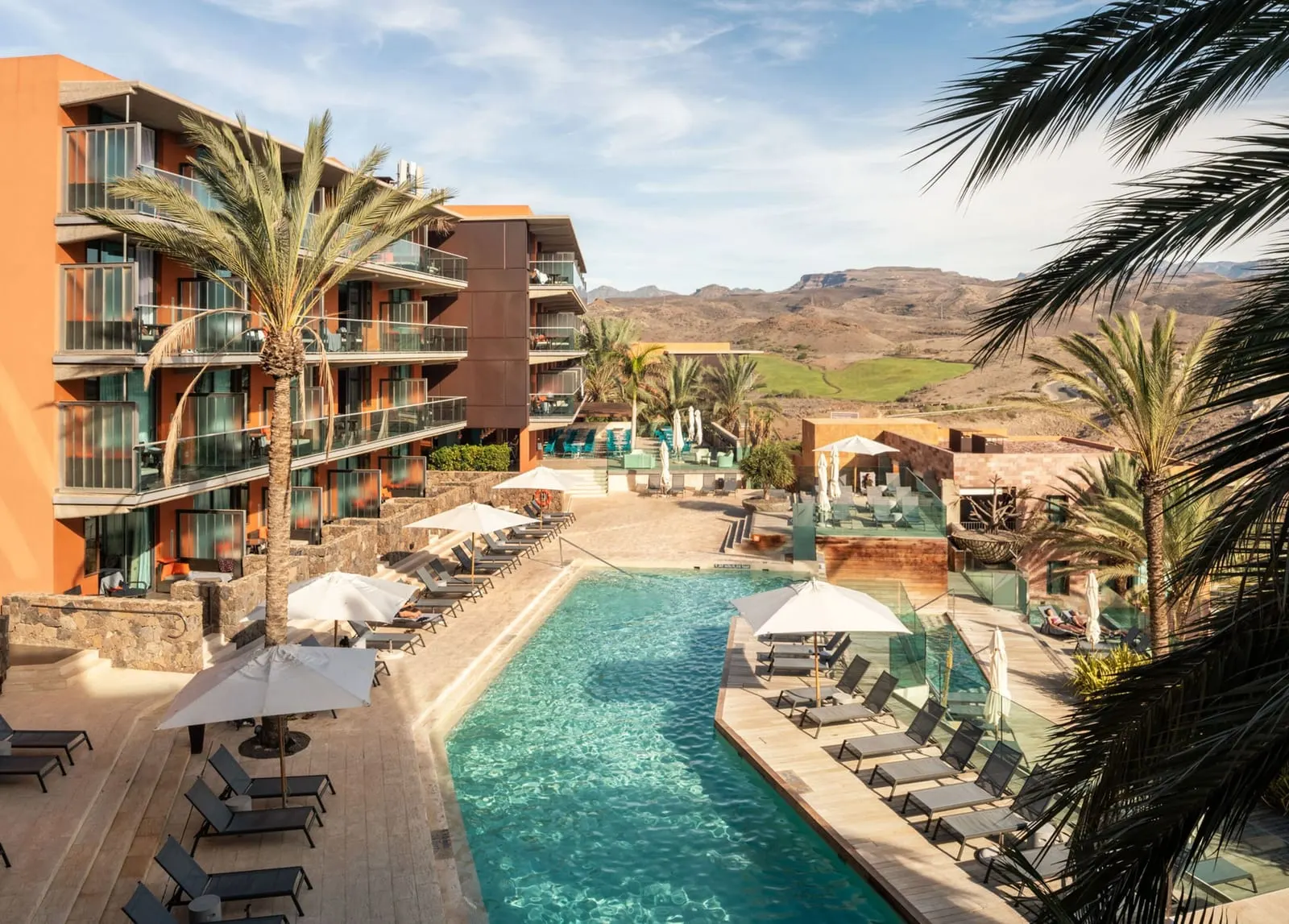
Maspalomas is the heart of the south: a lighthouse, the Charca lagoon and, behind Playa de Maspalomas, the Dunas de Maspalomas nature reserve. Seaside Grand Hotel Residencia and Seaside Palm Beach sit in the palm oasis by the lagoon, a few minutes from the sand, and Hotel Faro, adults only, stands on the lighthouse plaza. West of the lighthouse, Meloneras is a seafront promenade of restaurants above short beaches, with Lopesan Villa del Conde at its garden gate. East of the dunes lie Playa del Inglés and San Agustín, resort towns of apartments and shopping centres, an hour's walk along the sand from the lighthouse. Salobre Hotel Resort & Serenity is in the hills behind, for golf and the spa. Beyond the south-west coves, Puerto de Mogán, a fishing port of canals and bridges, has Hotel Cordial Mogán Playa, 26 minutes' drive from the lighthouse.
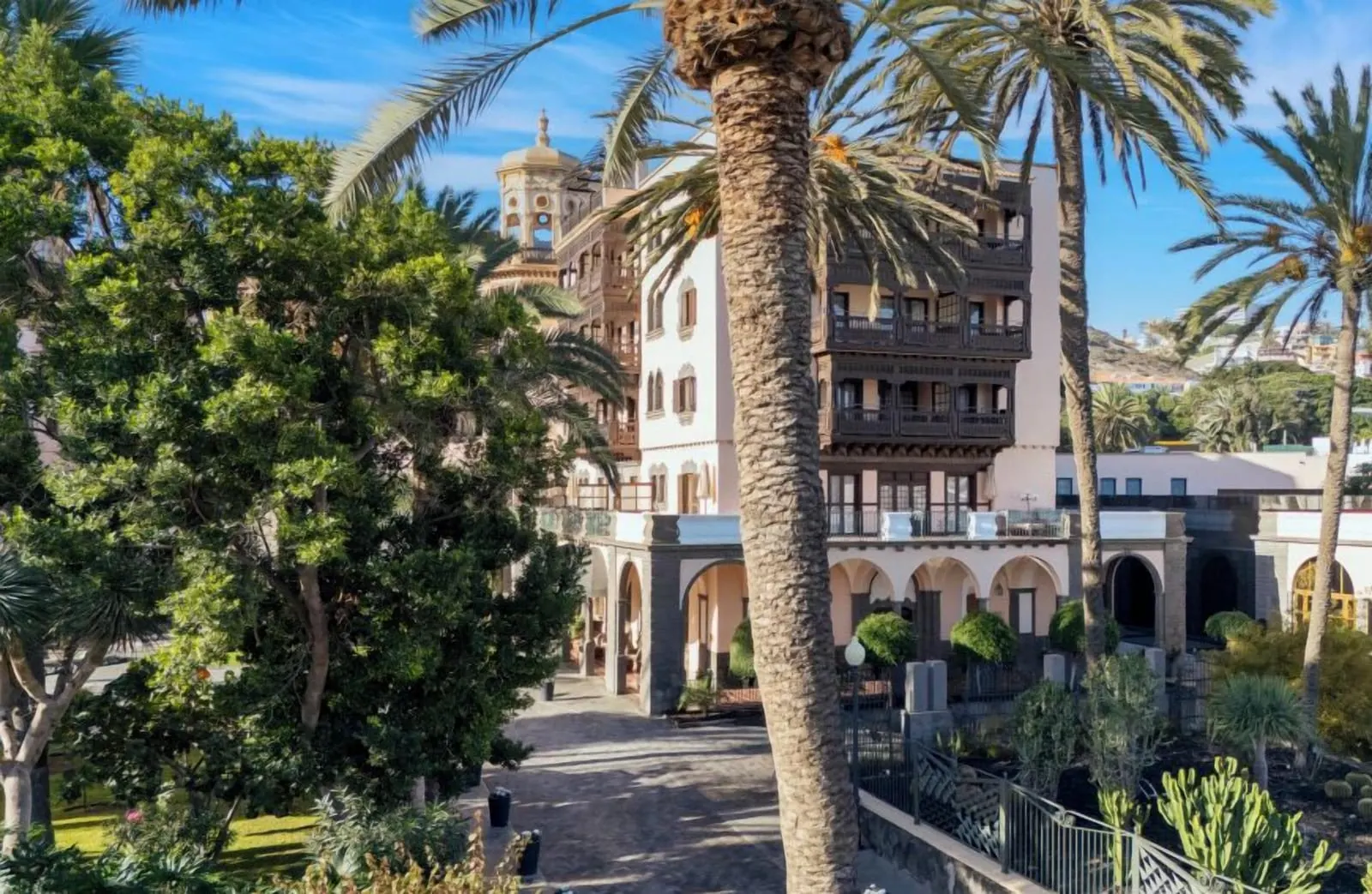
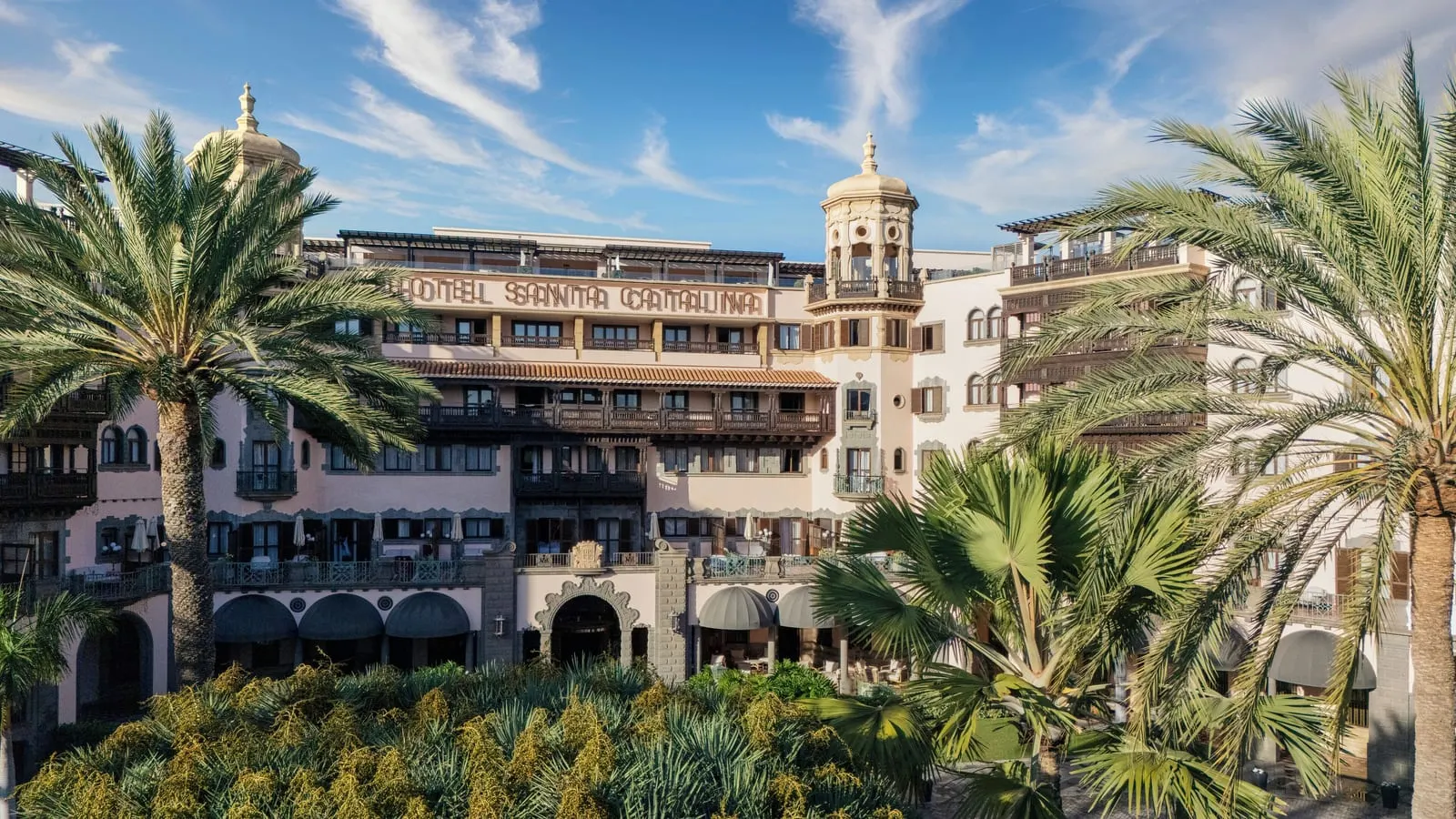
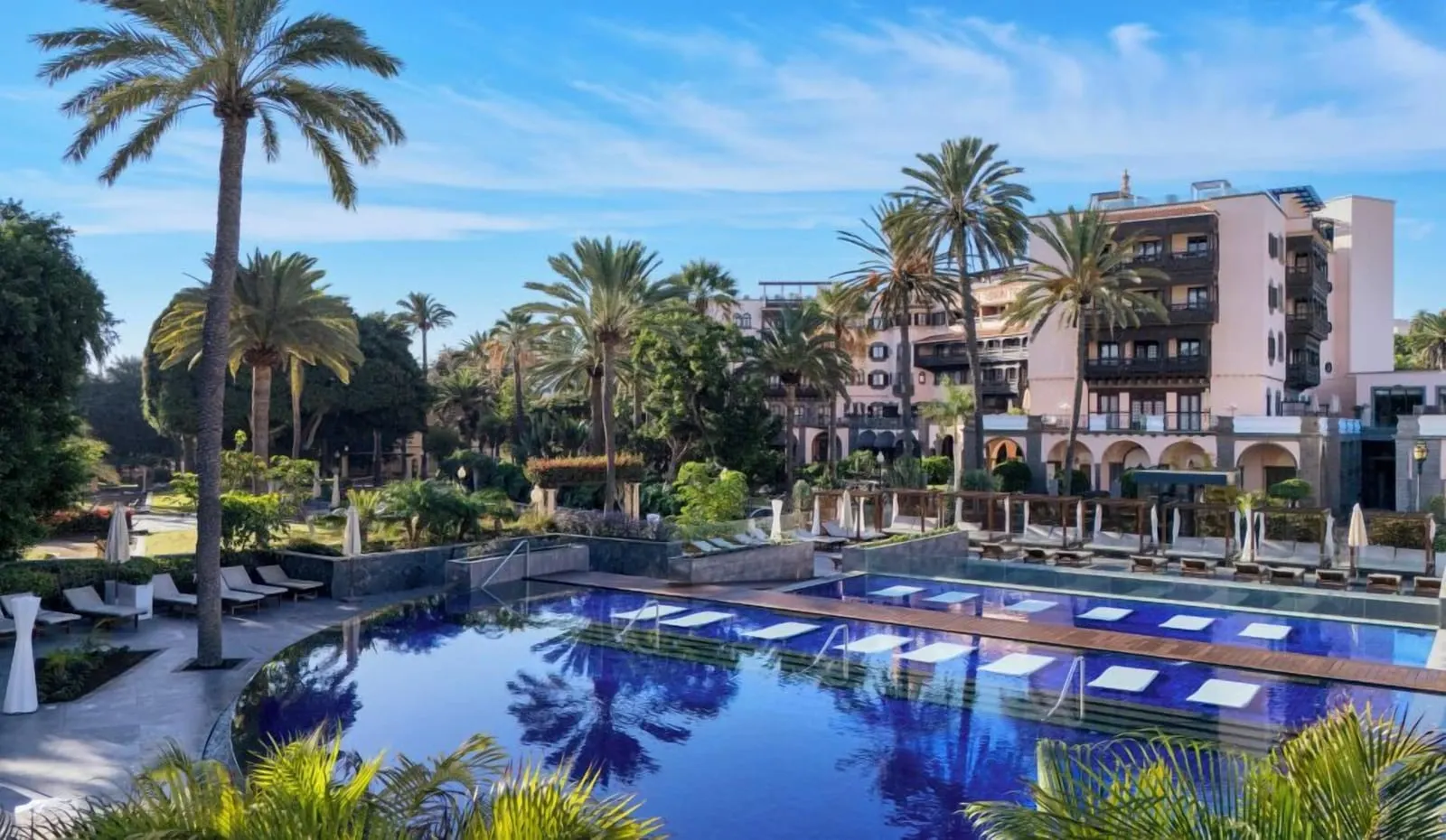
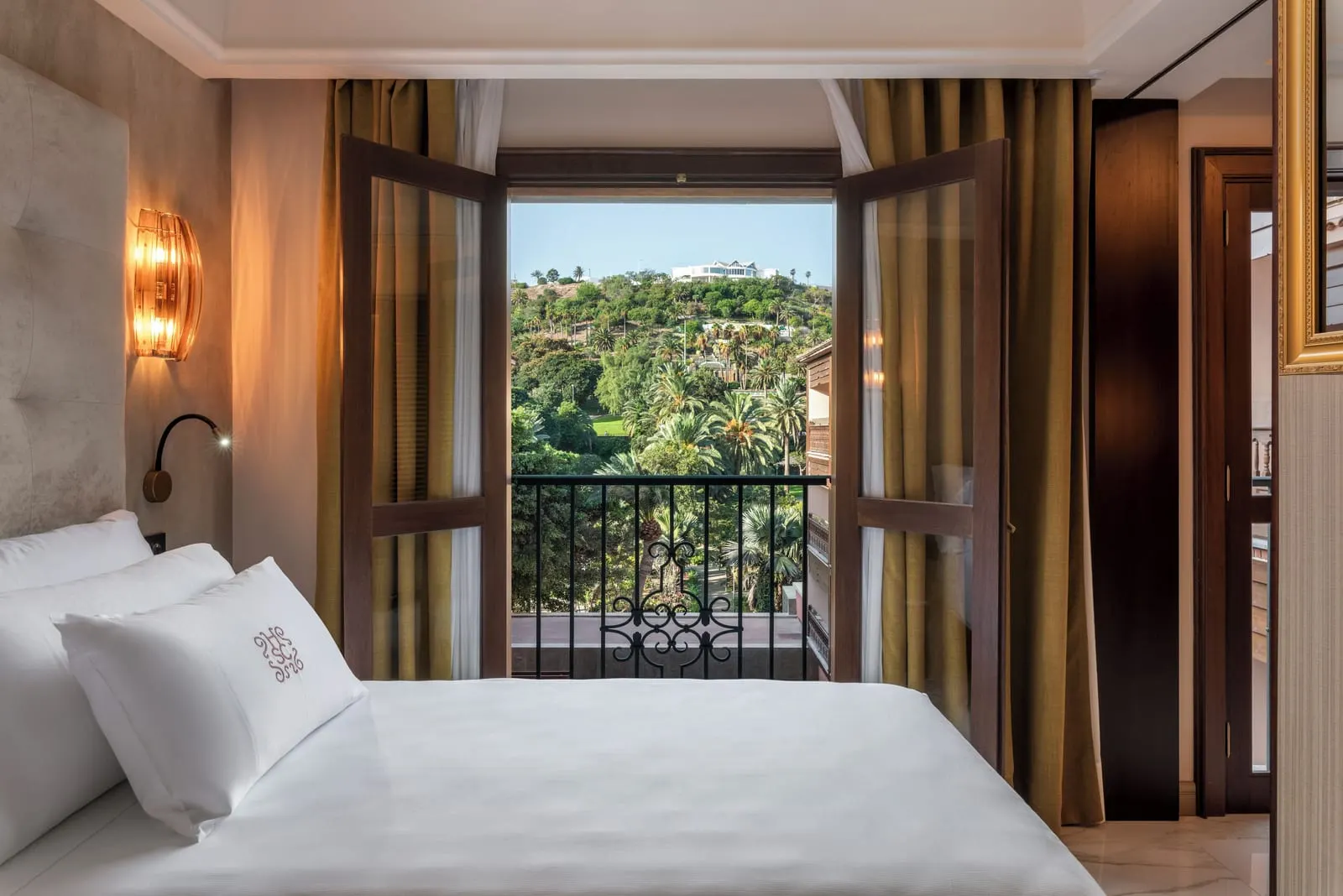
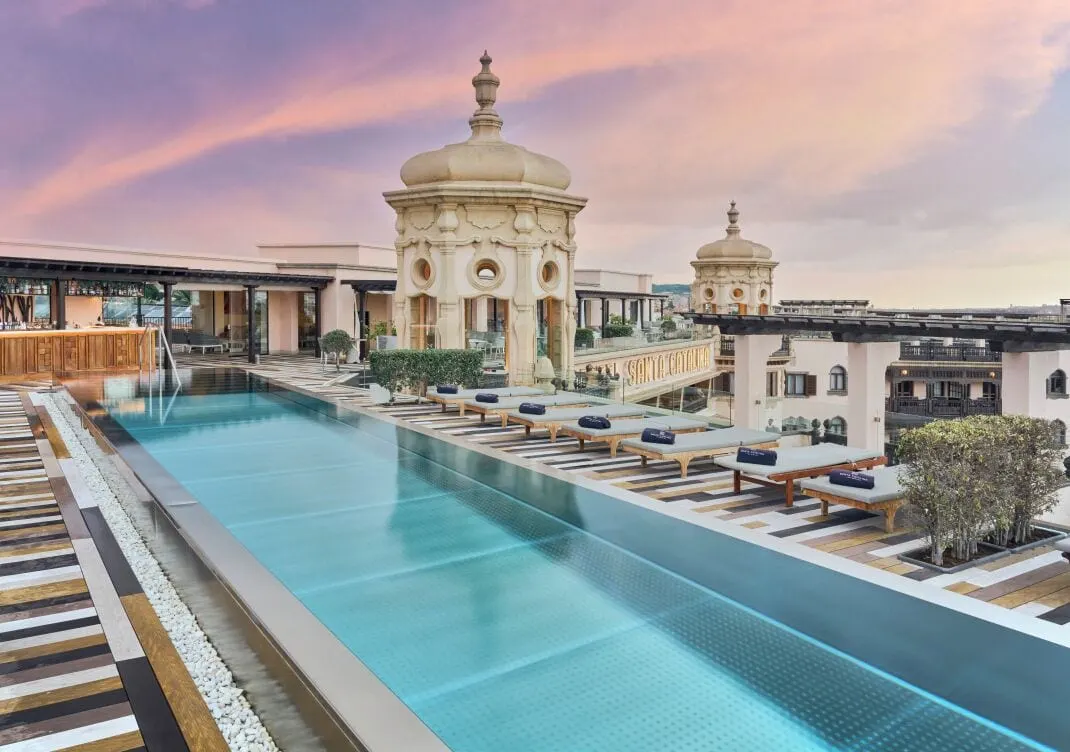
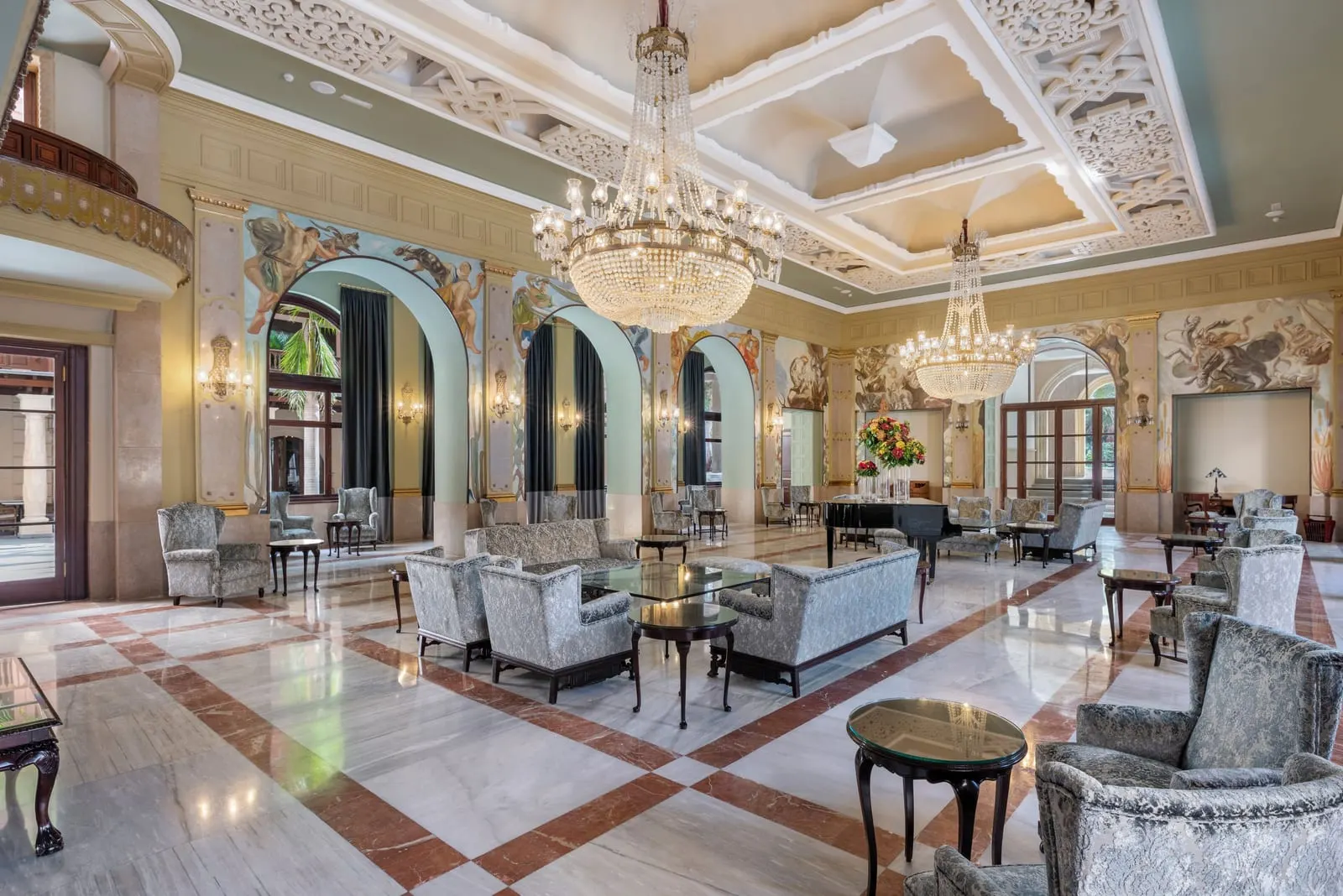
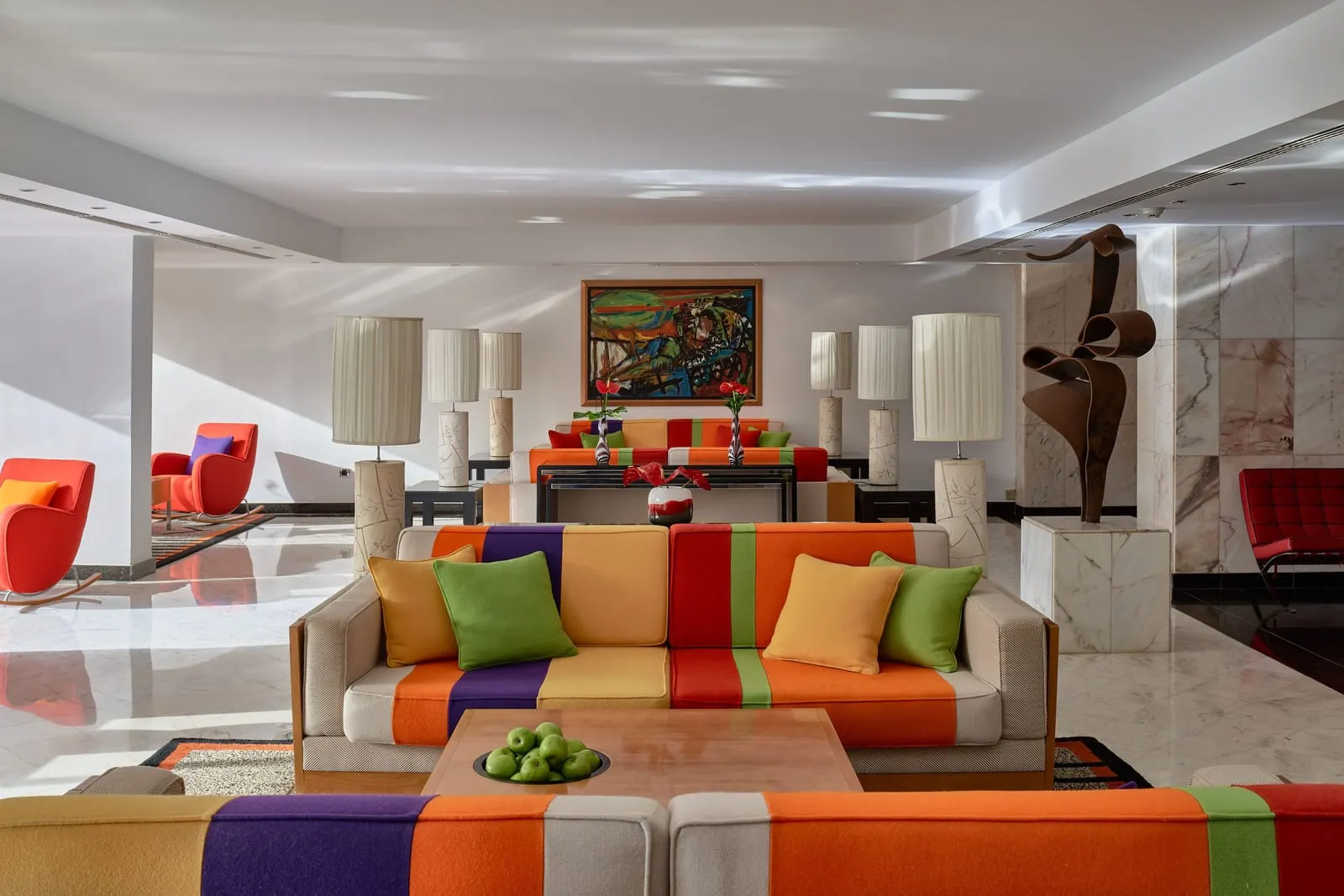
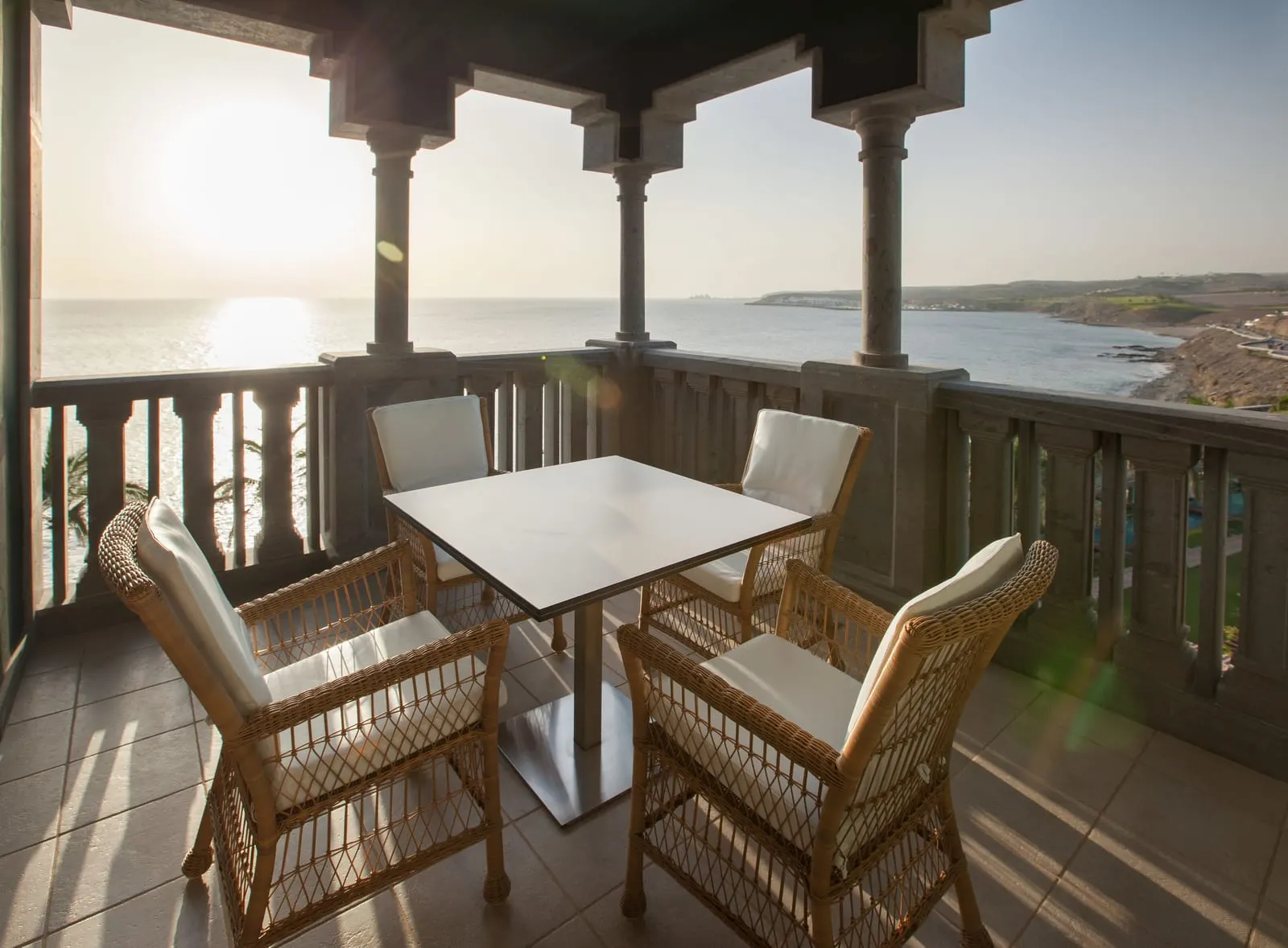
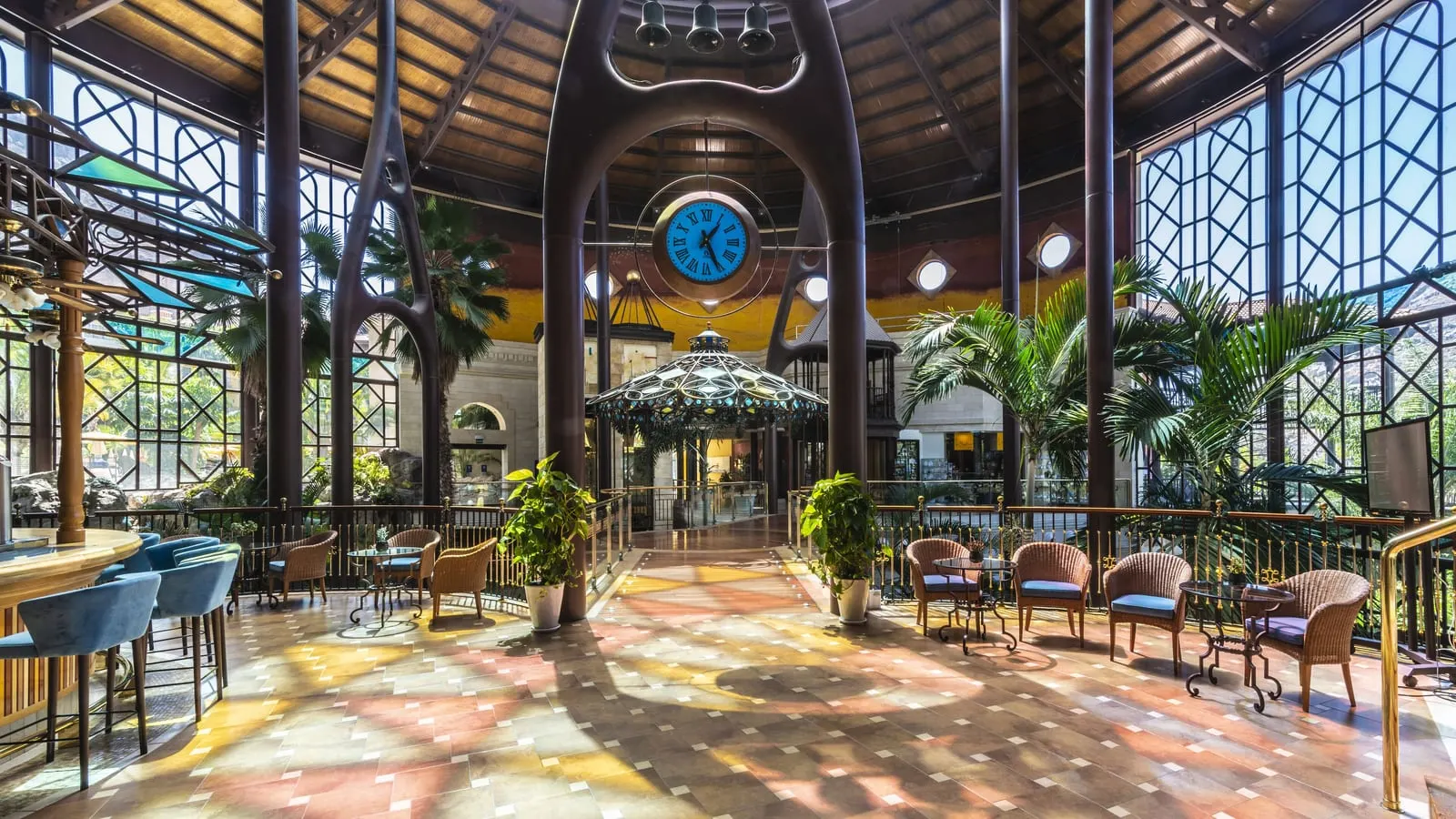
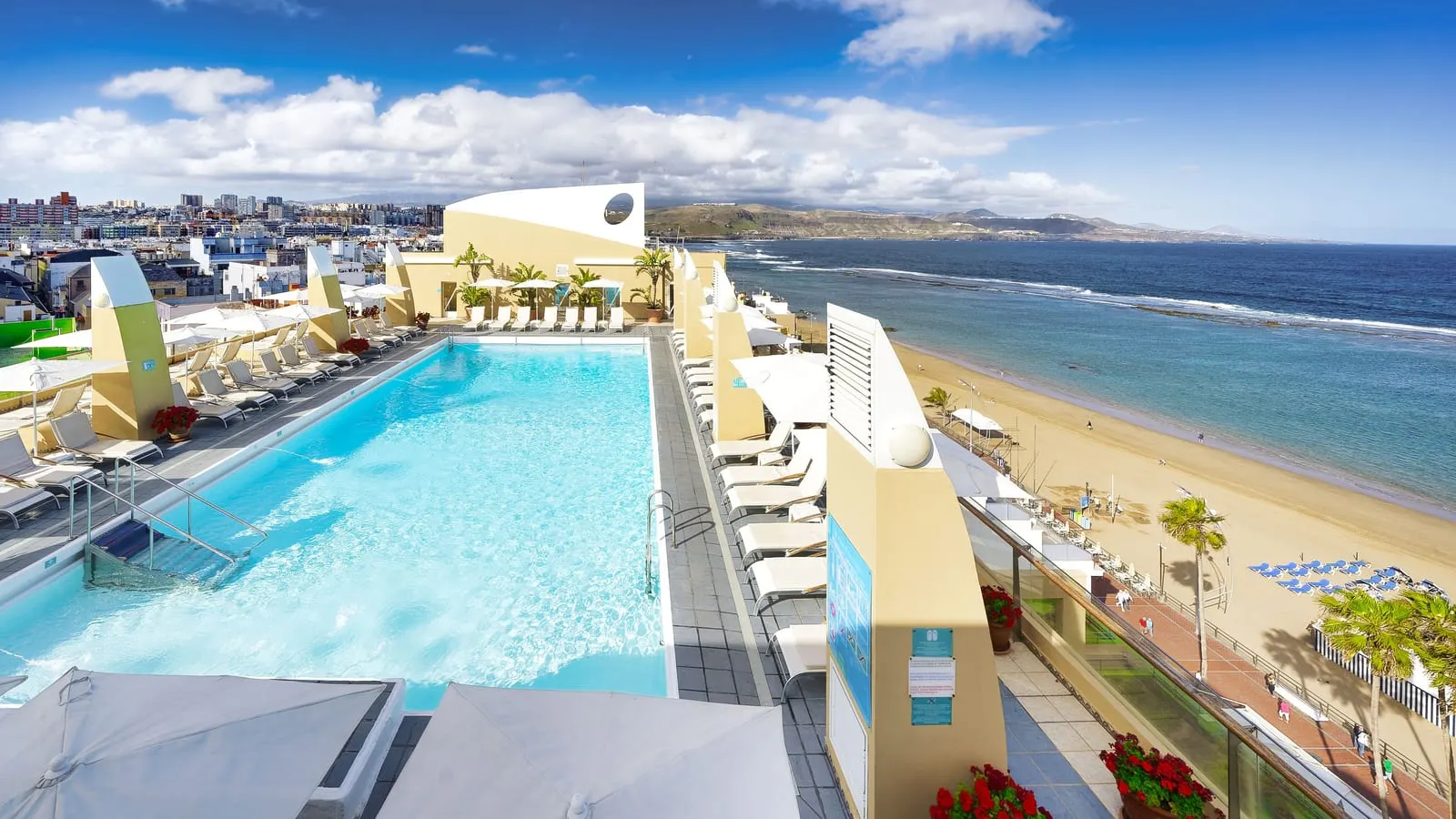
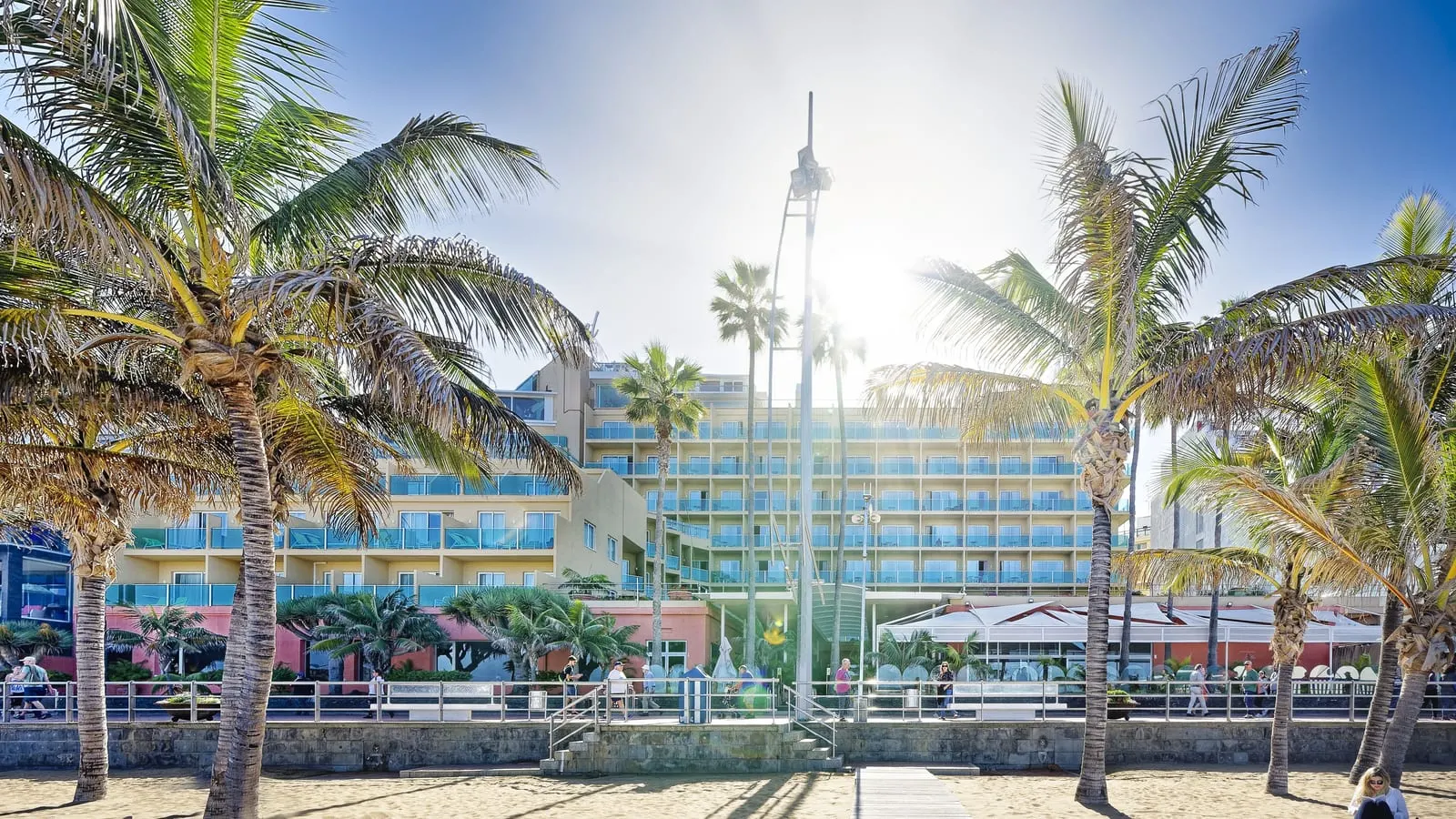
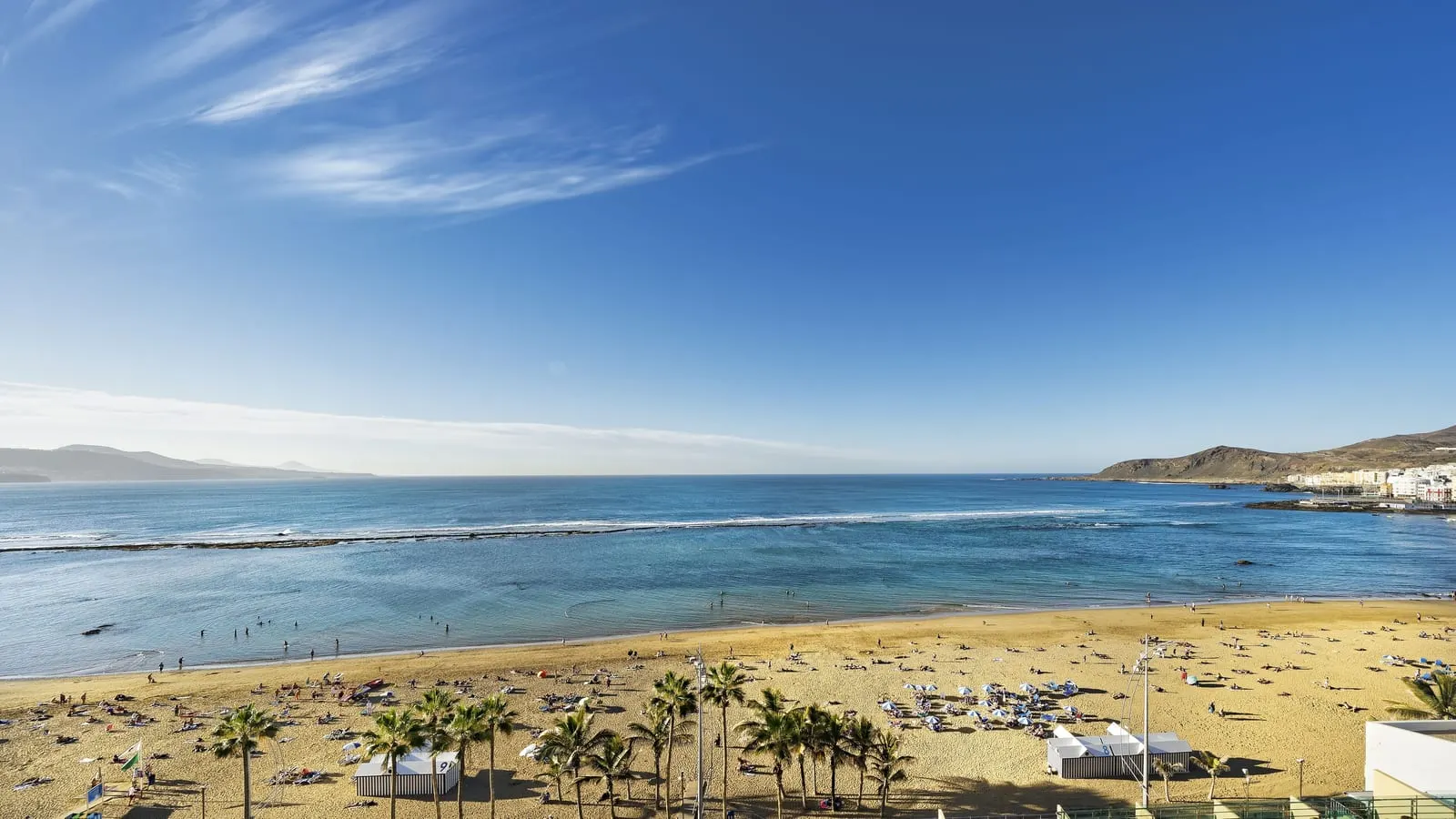
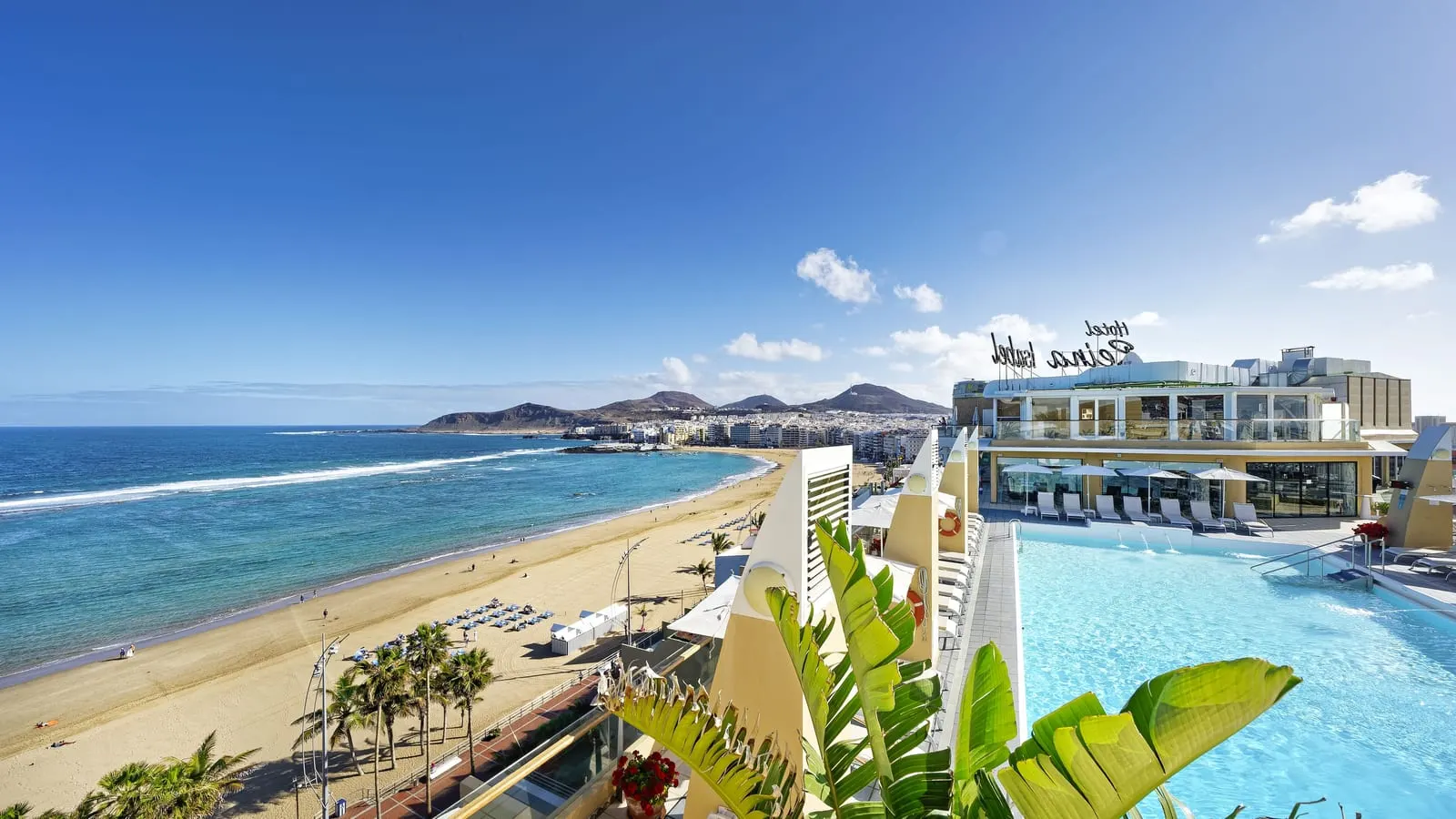
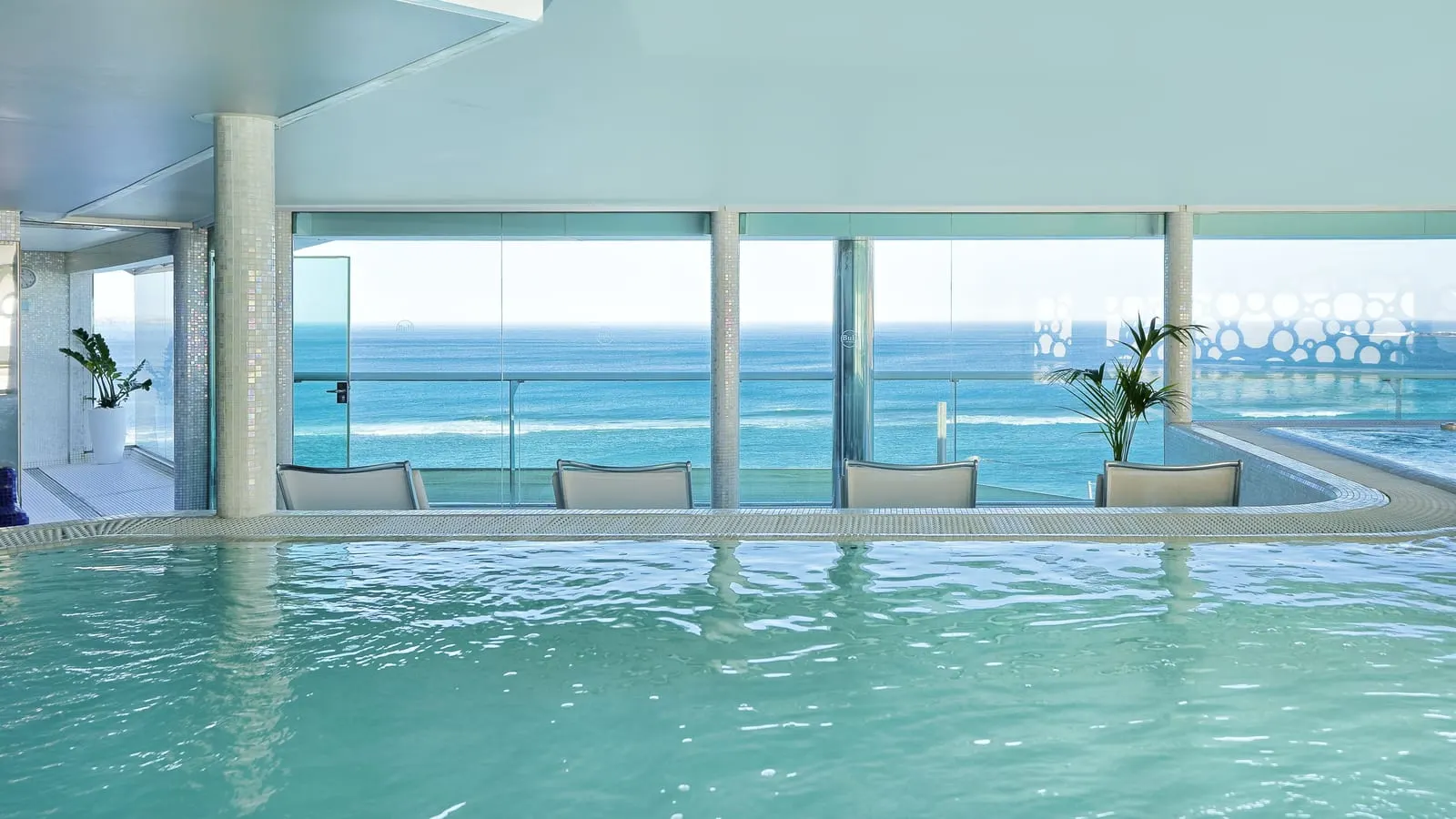
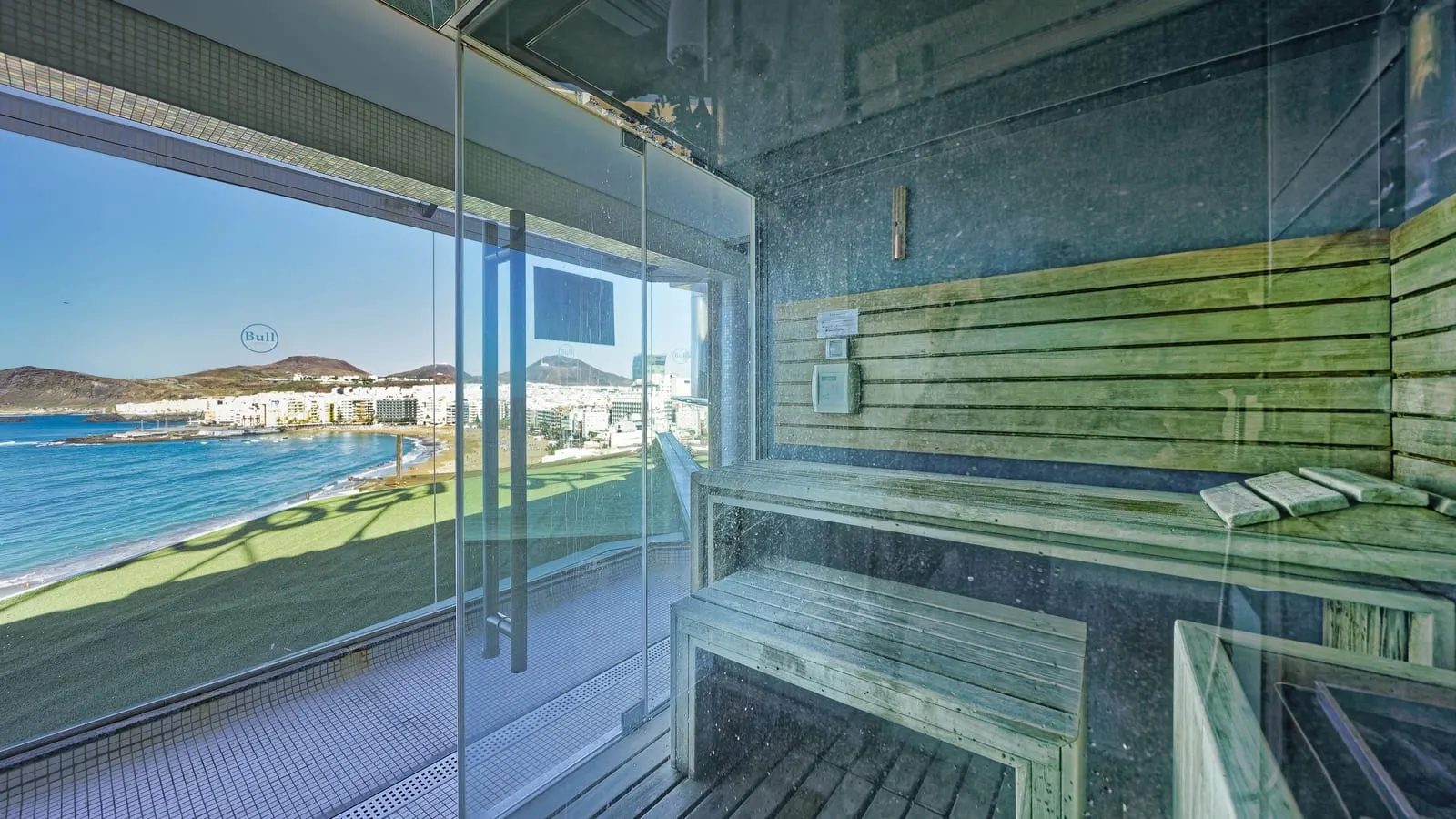
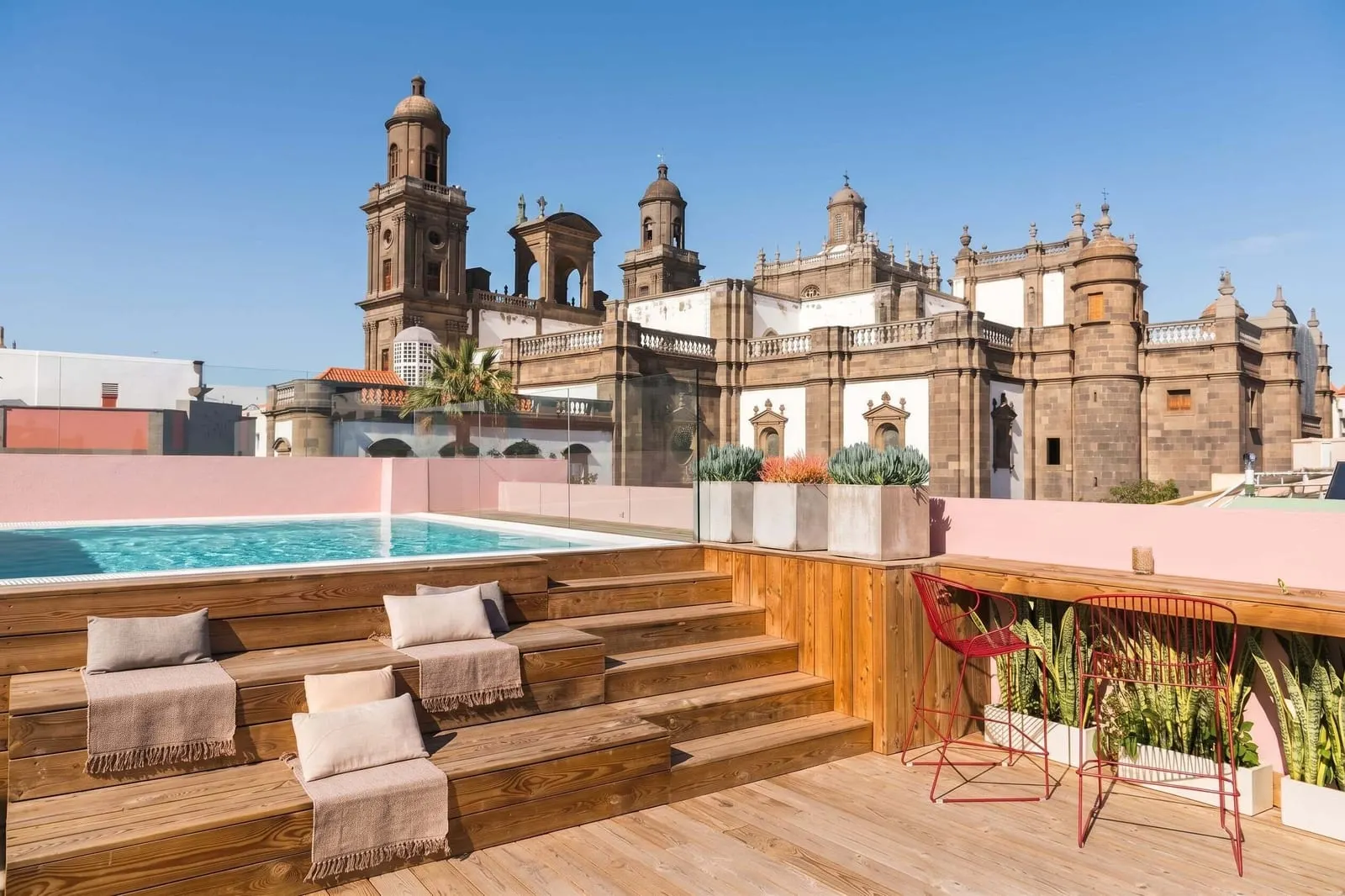
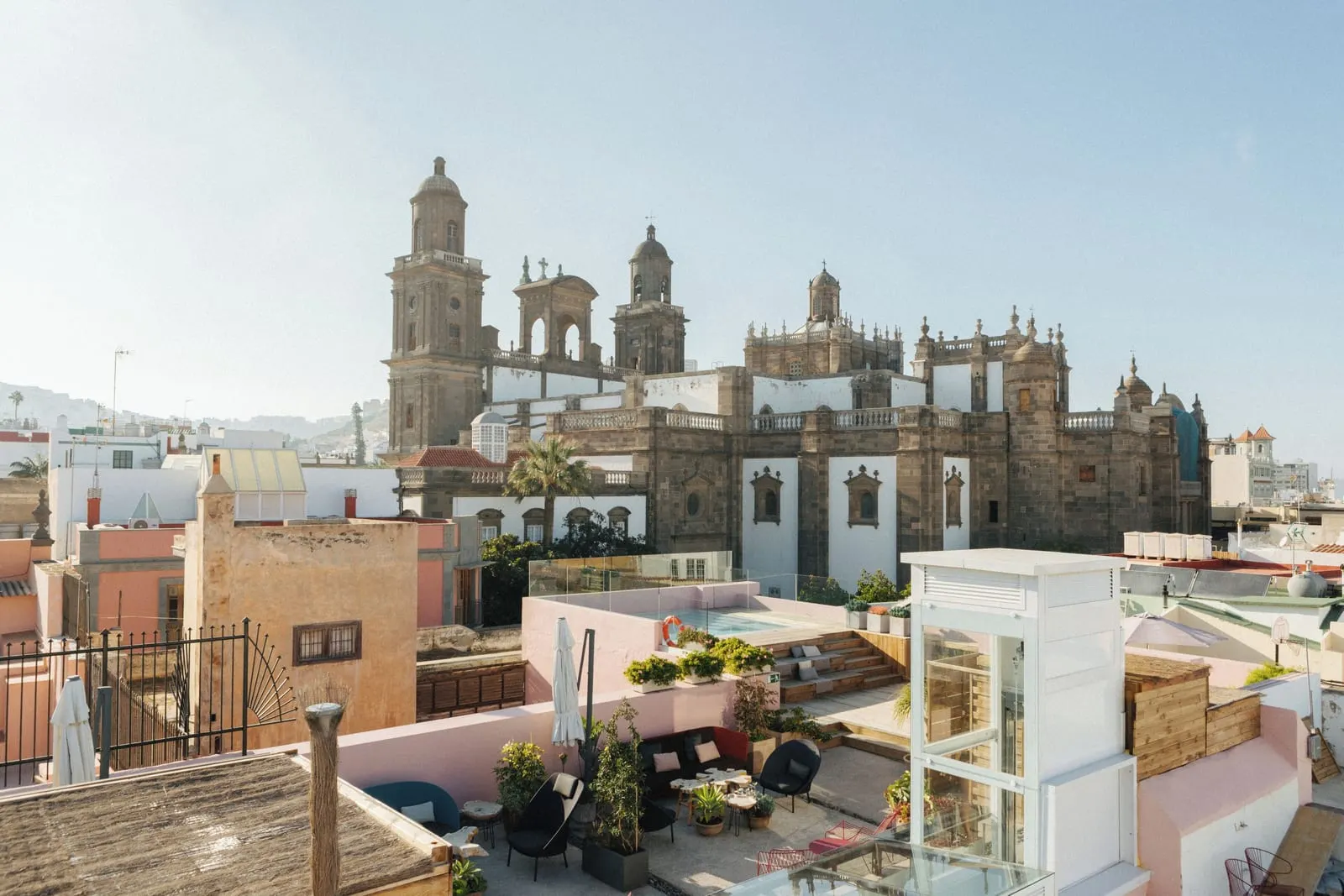
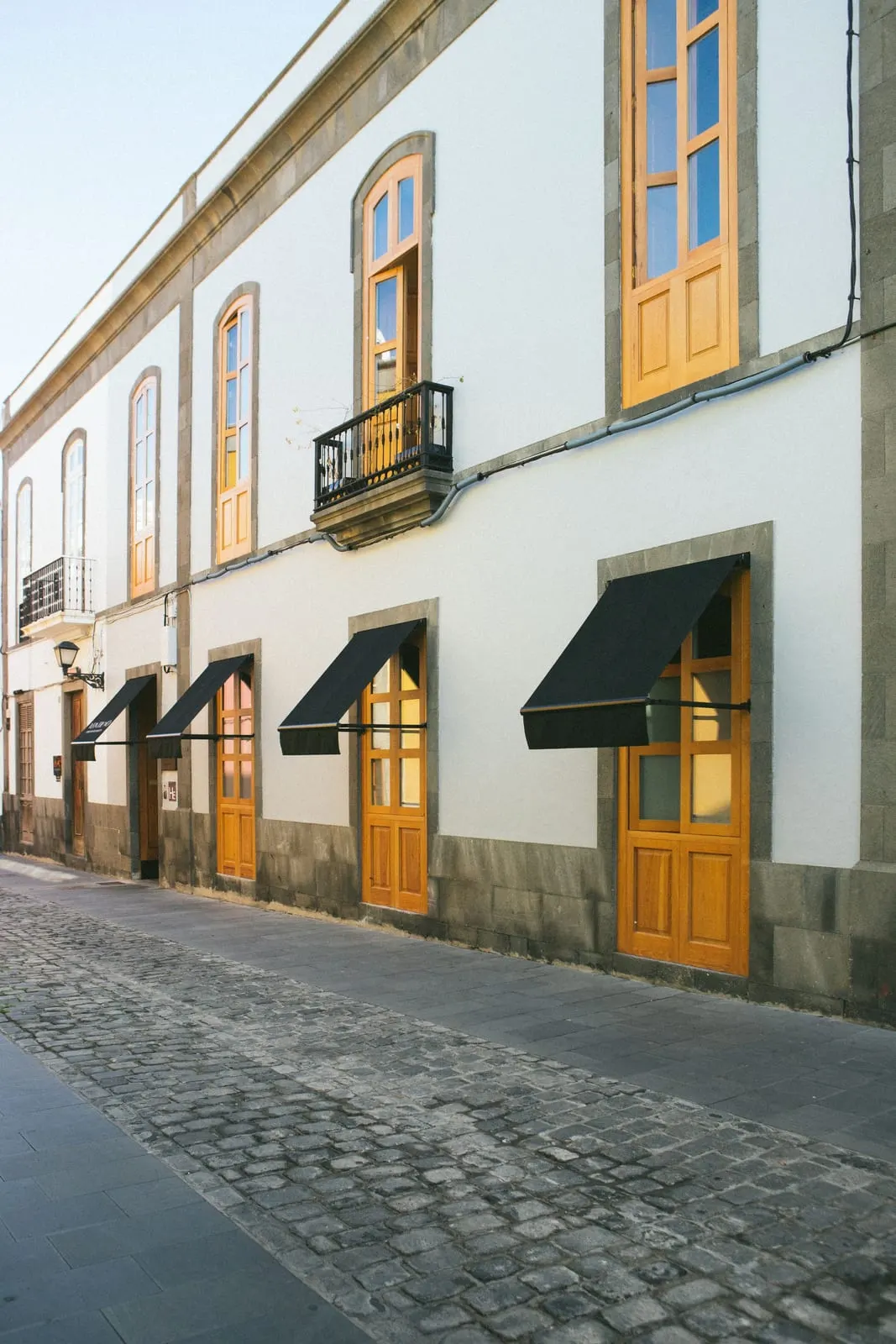
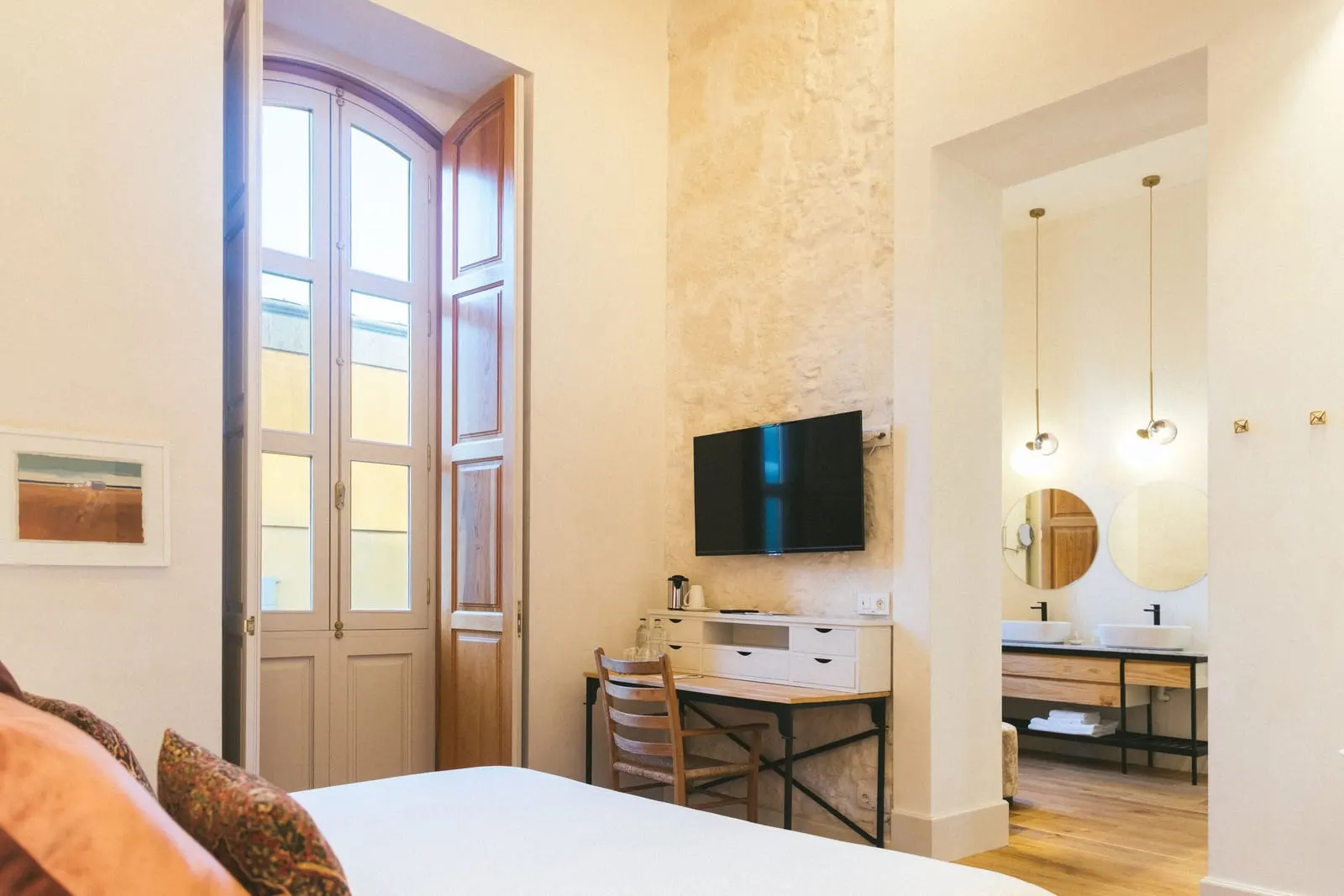
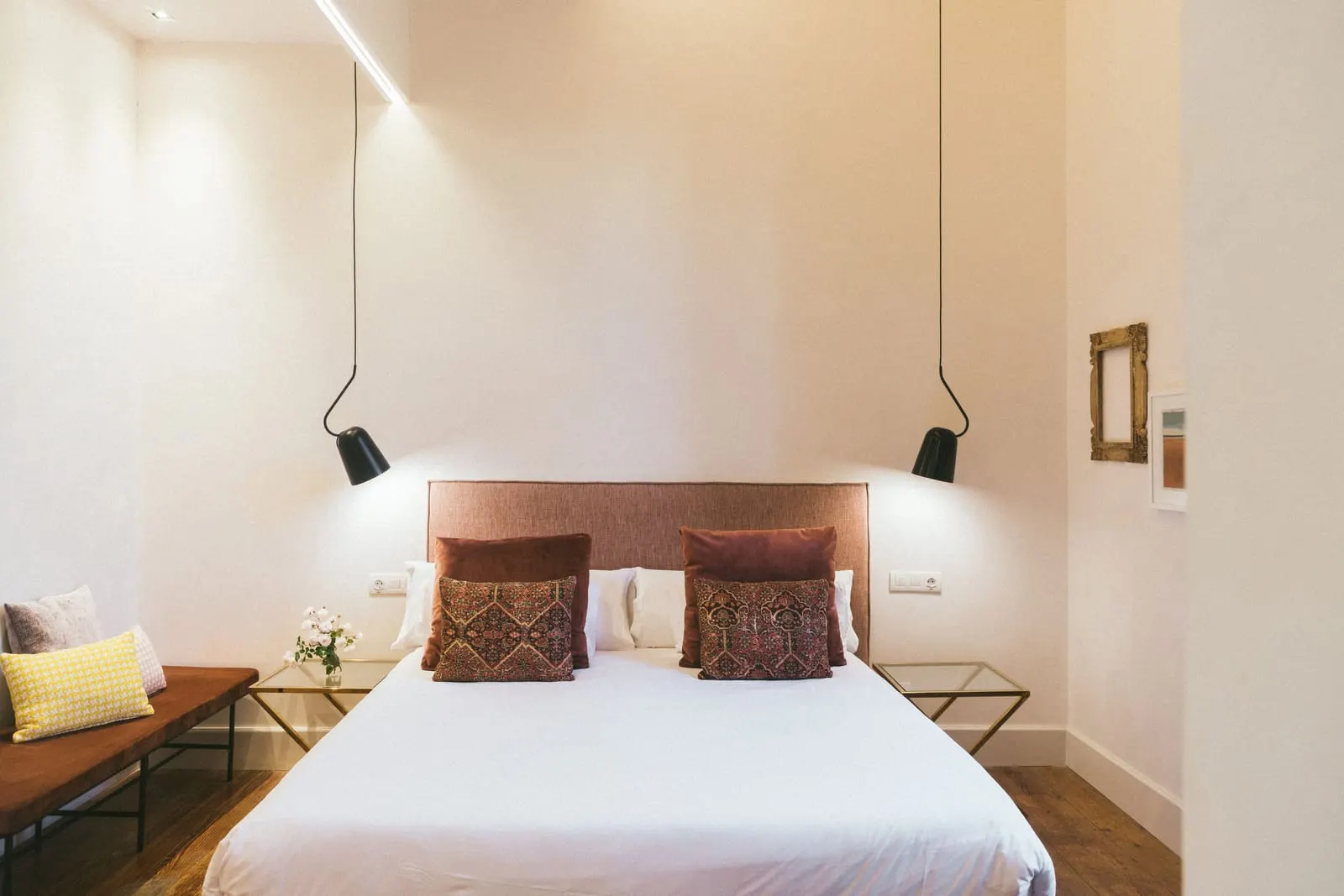
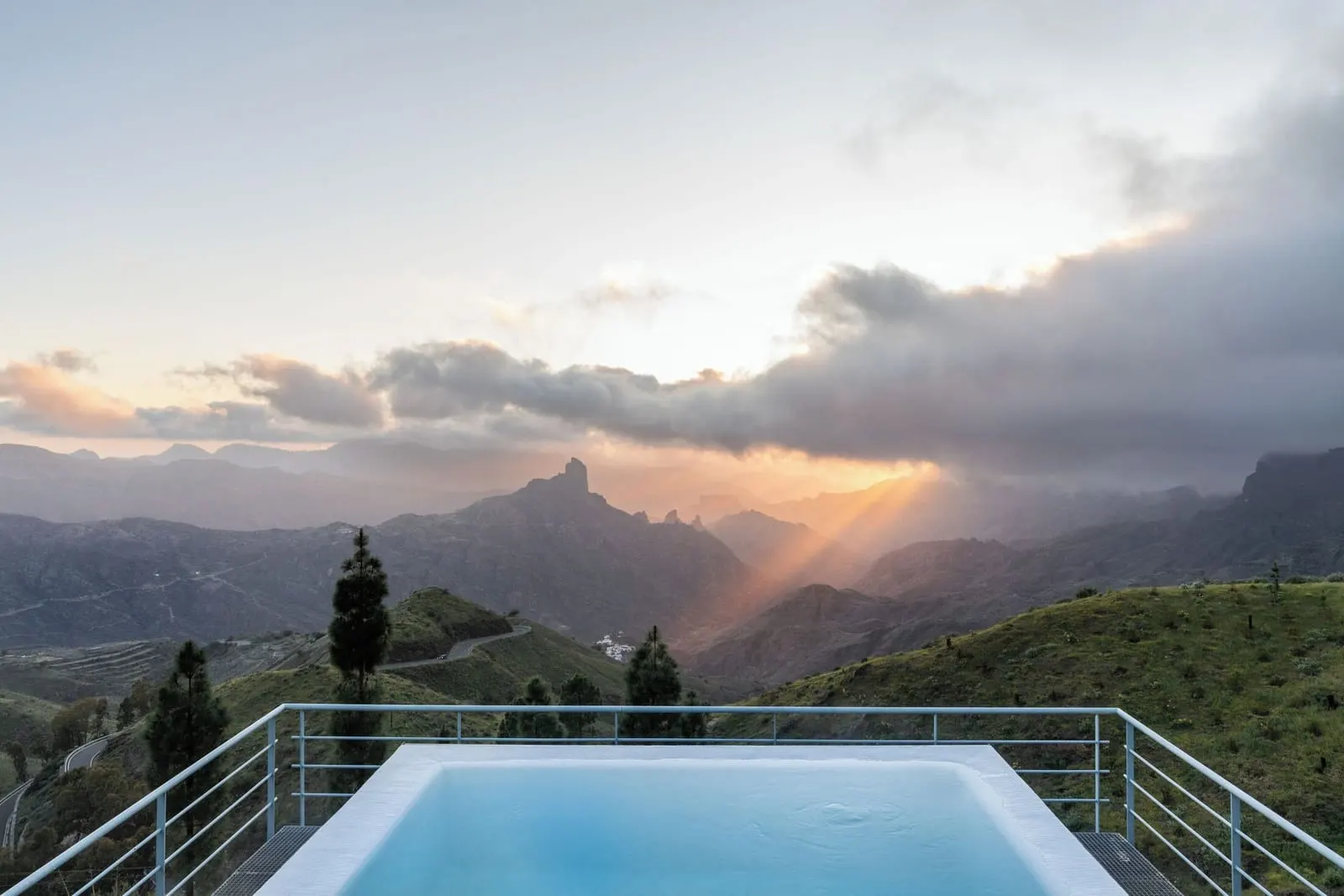
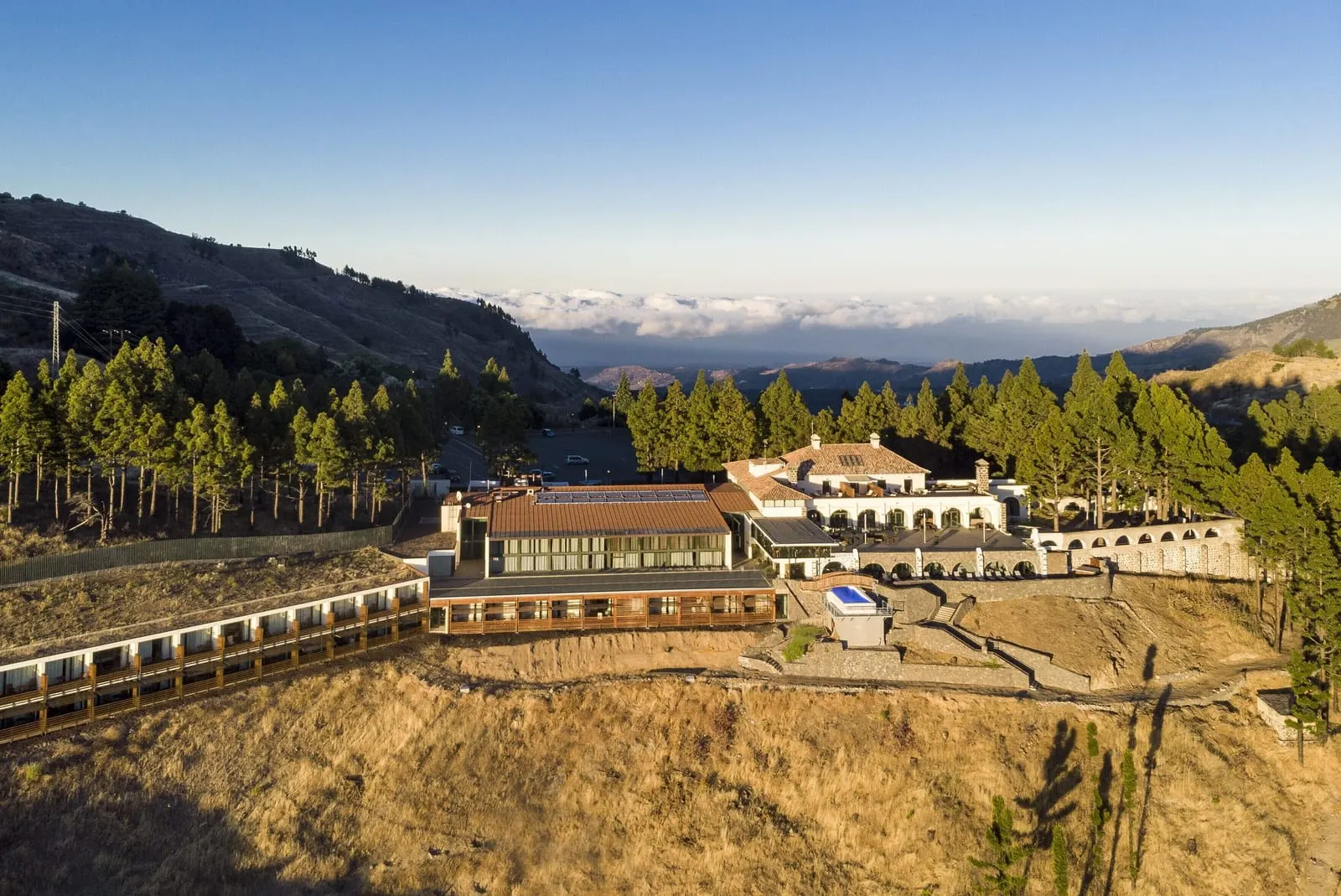
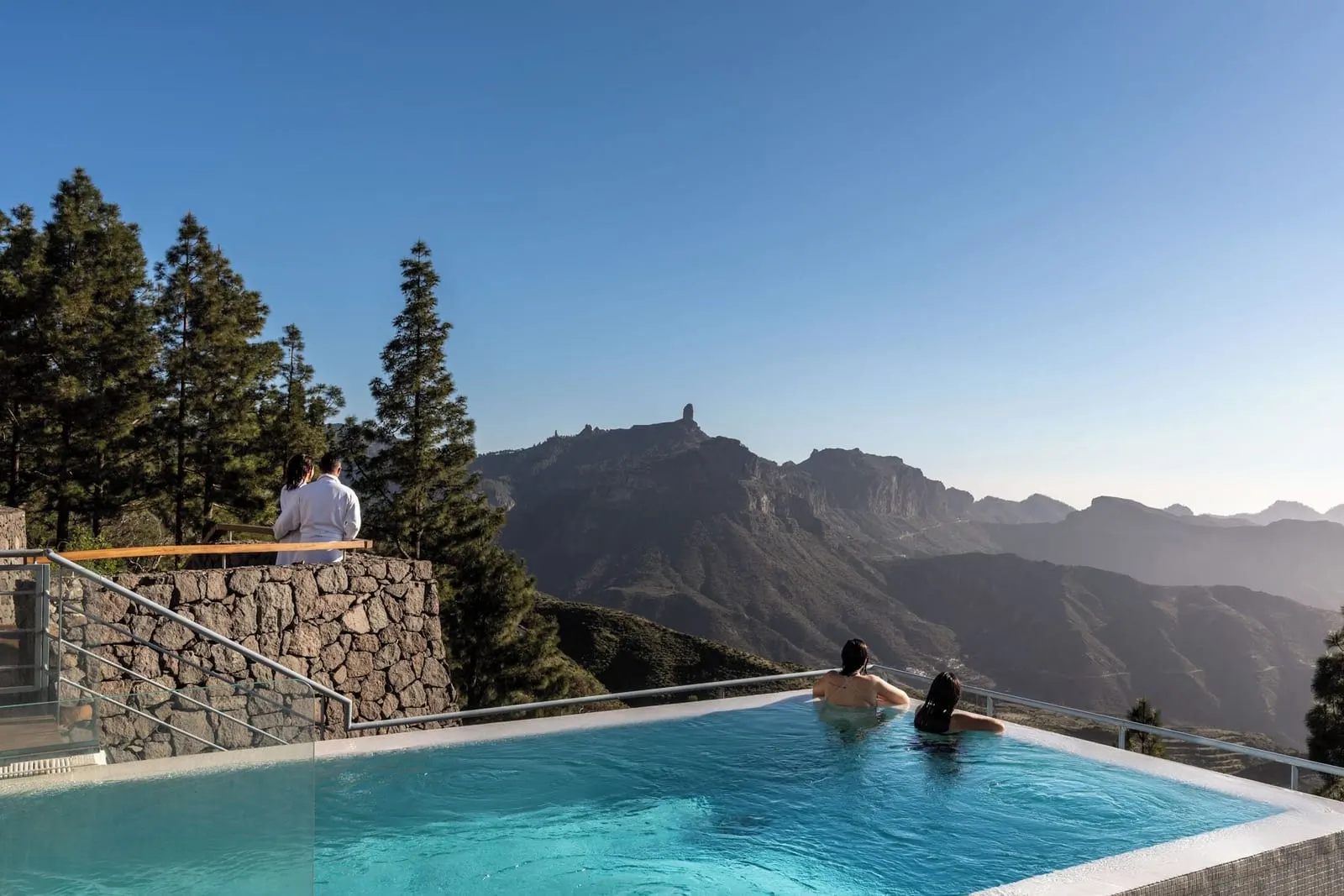
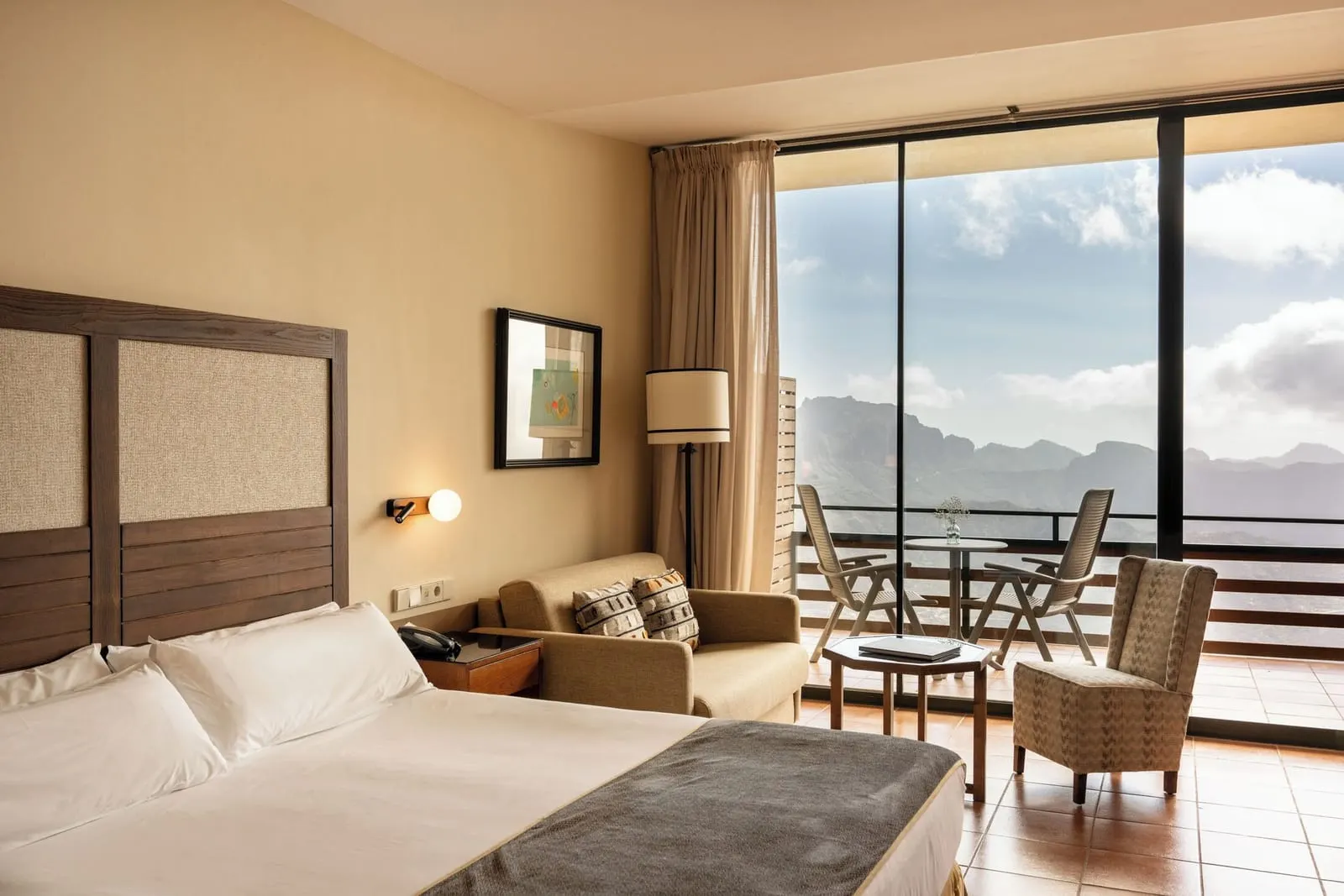
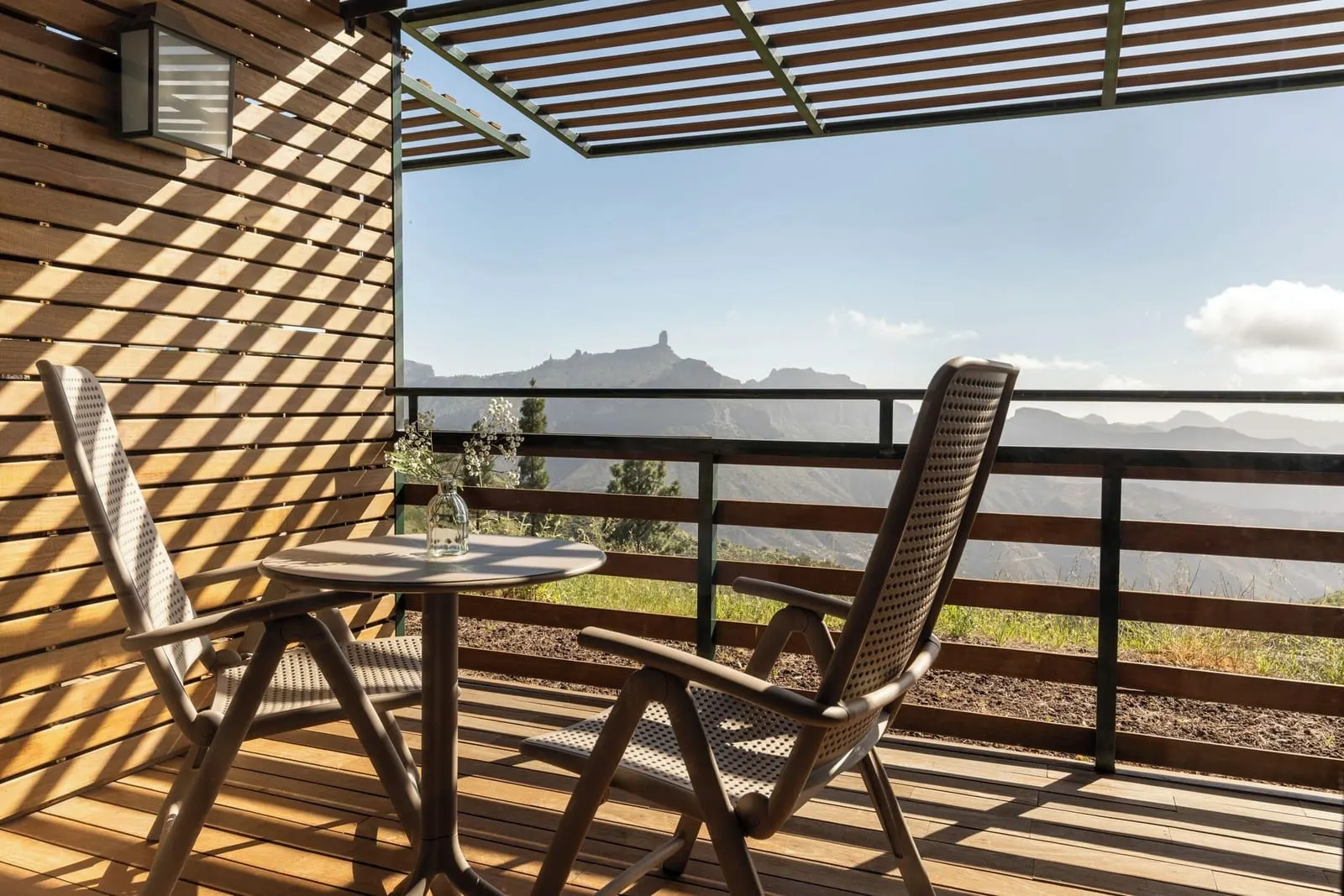
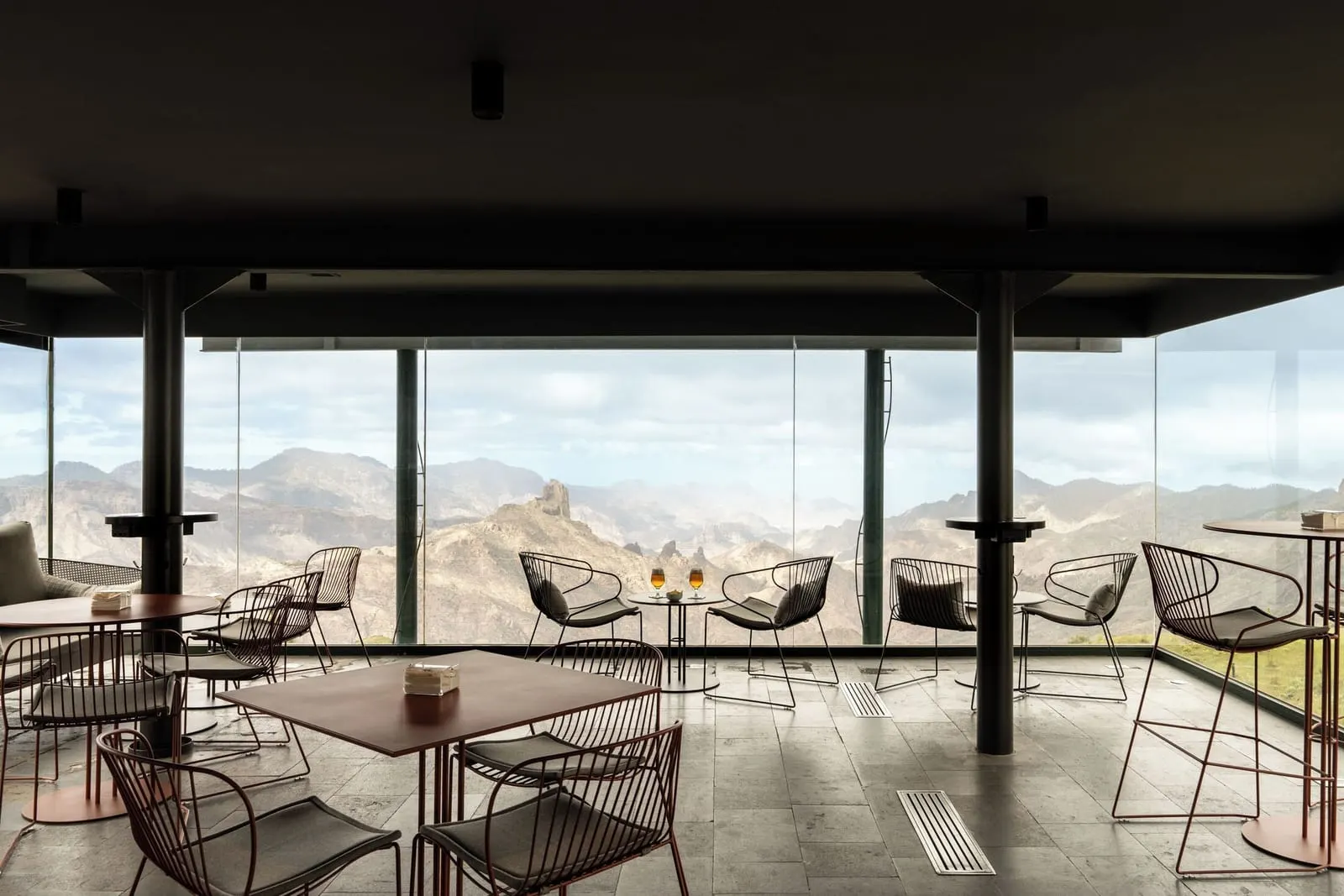
Las Palmas is the other trip. Bull Reina Isabel stands on the promenade of Las Canteras, the city beach, 3.1 km of sand from La Puntilla to the Auditorio Alfredo Kraus. Vegueta, the old quarter where the city began in 1478, has Hotel Veintiuno, seventeen rooms for adults by the cathedral of Santa Ana, a few minutes' walk from Triana's shopping street. Between the two, in the garden suburb of Ciudad Jardín, Santa Catalina, a Royal Hideaway Hotel, founded in 1890 and rebuilt in 1952, stands in the palms of Parque Doramas. The mountains are a third trip: the Parador de Cruz de Tejeda is about 1,500 metres up on the pass, facing the Tejeda caldera and the Roque Nublo, with trails from the door. Agaete, on the north-west coast, is a day out: 37 minutes by car from Las Canteras, about 80 from Maspalomas.
Gran Canaria Airport is at Gando on the east coast, between the two. With the roads clear, the Las Palmas hotels are 20 to 25 minutes by car, the four by the Maspalomas lighthouse 31 or 32, Salobre 34, Cordial Mogán Playa 43 and the Parador 52. Global's direct buses take cash or a contactless card: line 60 to Las Palmas, €2.95 to Santa Catalina in 30 minutes; line 66 to the Faro de Maspalomas, €4.05 in 40; line 91 to Puerto de Mogán, €6.80 in an hour. A metered taxi costs roughly €35 to €40 to Las Palmas by day and €50 to €55 to Maspalomas. Beyond your base, hire a car: the GC-1 motorway runs down the east coast and along the south to Puerto de Mogán, while the mountain roads, the GC-60 from Maspalomas and the GC-15 from the Las Palmas side, are slow and full of bends. Salobre and the Parador need one.
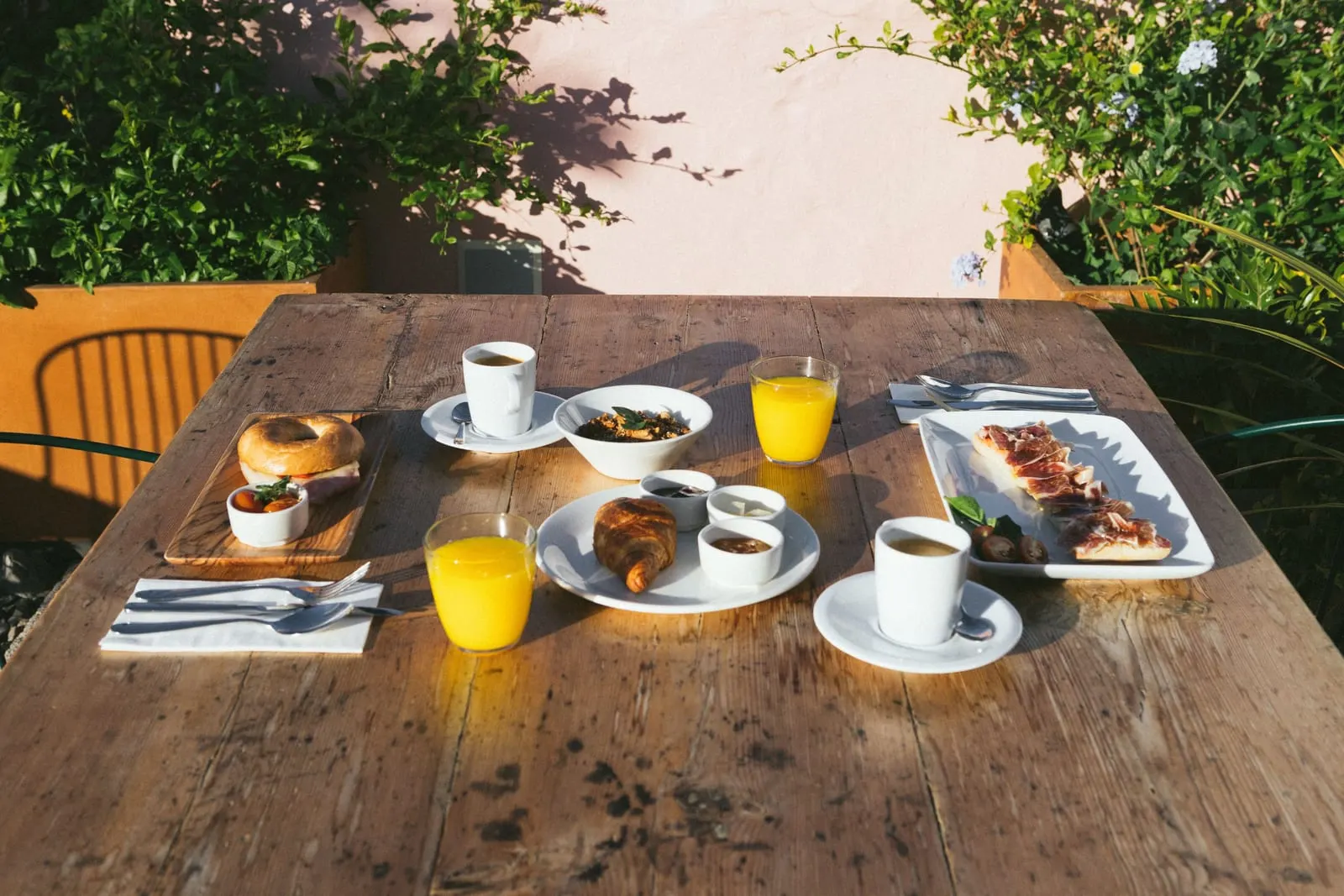
Read the rate before comparing prices. Hotel Faro, Santa Catalina and the Parador sell rooms without breakfast by default, Hotel Veintiuno's breakfast depends on the rate, and the other six include it; half board is widely sold, and Seaside Palm Beach also sells all-inclusive. IGIC, the Canary Islands' 7% sales tax, is in the price. Only Mogán has a tourist tax, €0.15 a person a night: the regional high court annulled it in July 2026, but the council says it applies until the ruling is final, so a stay in Puerto de Mogán may still be charged it. The honest part: the south has the sun and the city has the life, and one base rarely gives you both. At the airport, January afternoons average 20.8°C (69°F) and August's 27.5°C (82°F), with rain on about 22 days a year. The north-east trade wind blows most of the year, strongest at the north-west and south-east corners, with the south coast in its lee; calima, Saharan dust that peaks in February, can haze the sky for days; and the sea at the island's offshore buoy read between 19.6°C (67°F) and 24.5°C (76°F) in the year to November 2025.