Money
Is the Swiss Travel Pass worth it? We priced three trips leg by leg
Most advice compares the Swiss Travel Pass with full-price tickets, which is the wrong fight. The pass has to beat the CHF 150 Half Fare Card, and that takes far more travel than people think. Here is the number to check, and three trips worked out on SBB's own fares.
 By The Better Trip Editorial TeamPublished 24 October 2026Last checked: October 20266 min read
The short answer
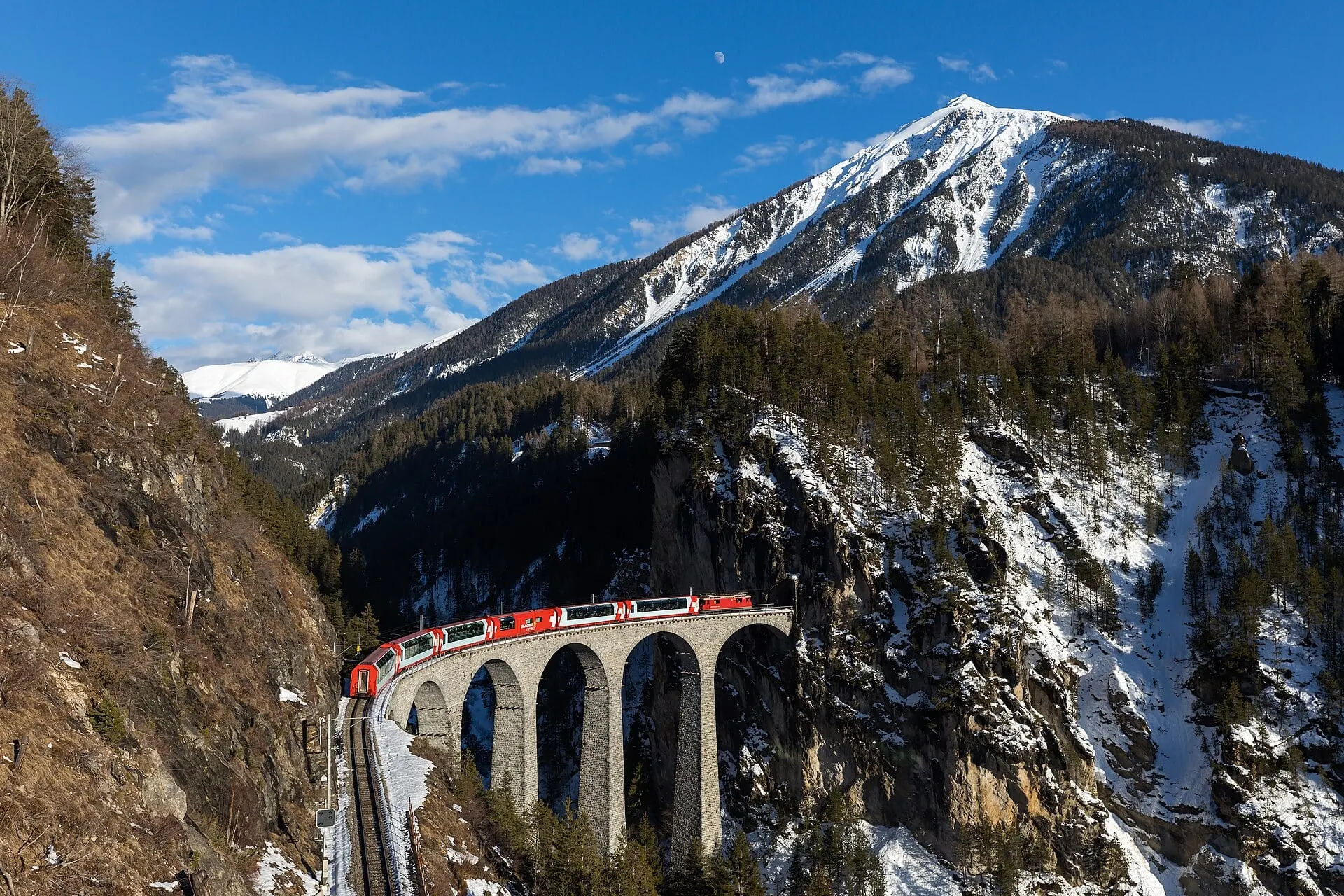
Add up the full second-class fares of your trip. A Swiss Travel Pass beats buying tickets once they pass its price, but it only beats the CHF 150 Half Fare Card once they pass twice its price less CHF 300: CHF 318 for a 4-day pass, or about CHF 80 for every day of it. Of our three trips, only the Glacier and Bernina loop gets there, where the 4-day pass costs CHF 309 against CHF 375 with the Half Fare Card. From Geneva to Lucerne in 3 days, plain tickets at CHF 153 beat both. On a week with a rest day, the Half Fare Card wins by CHF 40.50.
Ready to book
All our picksWhat only this guide tells you
What we worked out
The Half Fare Card halves every fare for a month and costs CHF 150. So against it, every franc of fares you would have paid is only worth 50 centimes to the pass. That gives a simple rule: the pass wins when your full fares come to more than twice its price minus CHF 300, or more than the price itself on the short passes, where that is higher. We then priced eleven of the legs travellers actually ride on SBB's planner, at full fare and not the Supersaver prices, and put them together into three trips. The pass only won on the one that rides the Glacier Express route: Zermatt to St. Moritz is CHF 166 on its own, more than half the price of a 4-day pass.
The one number to check
When is the Swiss Travel Pass worth it?
Price your trip at full fare, leg by leg, on the SBB planner, then compare the total with the third column. Above it, the pass is the cheapest way to pay. Below it, buy plain tickets if your fares come to less than CHF 300, and the Half Fare Card if they come to more, which is where the card pays for itself.
The last column is the same figure spread over the days of the pass. On a consecutive pass, a day you do not travel still counts, which is why the long passes look easy on paper and are hard to use up in practice.
| Pass, second class, adult | Price | Cheapest once your full fares pass | That is, per day of the pass |
|---|---|---|---|
| Swiss Travel Pass, 3 days in a row | CHF 254 | CHF 254 | CHF 85 |
| Swiss Travel Pass, 4 days in a row | CHF 309 | CHF 318 | CHF 80 |
| Swiss Travel Pass, 6 days in a row | CHF 399 | CHF 498 | CHF 83 |
| Swiss Travel Pass, 8 days in a row | CHF 439 | CHF 578 | CHF 72 |
| Swiss Travel Pass, 15 days in a row | CHF 499 | CHF 698 | CHF 47 |
| Swiss Travel Pass Flex, 3 days in a month | CHF 289 | CHF 289 | CHF 96 |
| Swiss Travel Pass Flex, 4 days in a month | CHF 349 | CHF 398 | CHF 100 |
| Swiss Travel Pass Flex, 6 days in a month | CHF 424 | CHF 548 | CHF 91 |
| Swiss Travel Pass Flex, 8 days in a month | CHF 459 | CHF 618 | CHF 77 |
| Swiss Travel Pass Flex, 15 days in a month | CHF 519 | CHF 738 | CHF 49 |
What the trains actually cost
How much are train tickets in Switzerland?
These are the full fares SBB charges on the legs that turn up in almost every first trip, with what you pay with the Half Fare Card. The mountain lines are the expensive ones: Zermatt to St. Moritz costs more than Zurich Airport to Zermatt, which takes half the time. A trip of short hops between cities, Zurich to Lucerne to Interlaken, rarely reaches CHF 80 a day.
| Leg | Full fare | With the Half Fare Card |
|---|---|---|
| Zurich Airport to Zermatt | CHF 134 | CHF 67 |
| Zermatt to St. Moritz | CHF 166 | CHF 83 |
| St. Moritz to Tirano | CHF 33 | CHF 16.50 |
| Chur to Tirano | CHF 66 | CHF 33 |
| St. Moritz to Zurich Airport | CHF 84 | CHF 42 |
| Zurich to Chur | CHF 42 | CHF 21 |
| Geneva Airport to Montreux | CHF 32 | CHF 16 |
| Montreux to Interlaken | CHF 56 | CHF 28 |
| Interlaken to Lucerne | CHF 34 | CHF 17 |
| Lucerne to Zurich Airport | CHF 31 | CHF 15.50 |
| Interlaken to Zermatt | CHF 86 | CHF 43 |
Three trips, priced
Swiss Travel Pass or Half Fare Card: which is cheaper?
Three trips we would plan for a first visit, priced three ways on the fares above. The pass wins the loop through the mountains because two of its days are the most expensive rides in the country. It loses the lakes trip because the legs are short and there are only four of them. And it loses the week because the rest day, and the cheap days around Lucerne and Interlaken, drag the average below CHF 91 a day.
With the famous trains instead of the ordinary ones, add the seat reservations to every column: CHF 86 on the two loops, CHF 20 on the lakes trip. No pass or card covers them, so they never change which option wins.
| Trip | Tickets at full fare | Half Fare Card and tickets | Swiss Travel Pass | Cheapest |
|---|---|---|---|---|
| Glacier and Bernina loop, 4 days: Zurich Airport to Zermatt, Zermatt to St. Moritz, a day to Tirano and back, St. Moritz to Zurich Airport | CHF 450 | CHF 375 | 4 days: CHF 309 / Flex 4: CHF 349 | The 4-day pass, by CHF 66 |
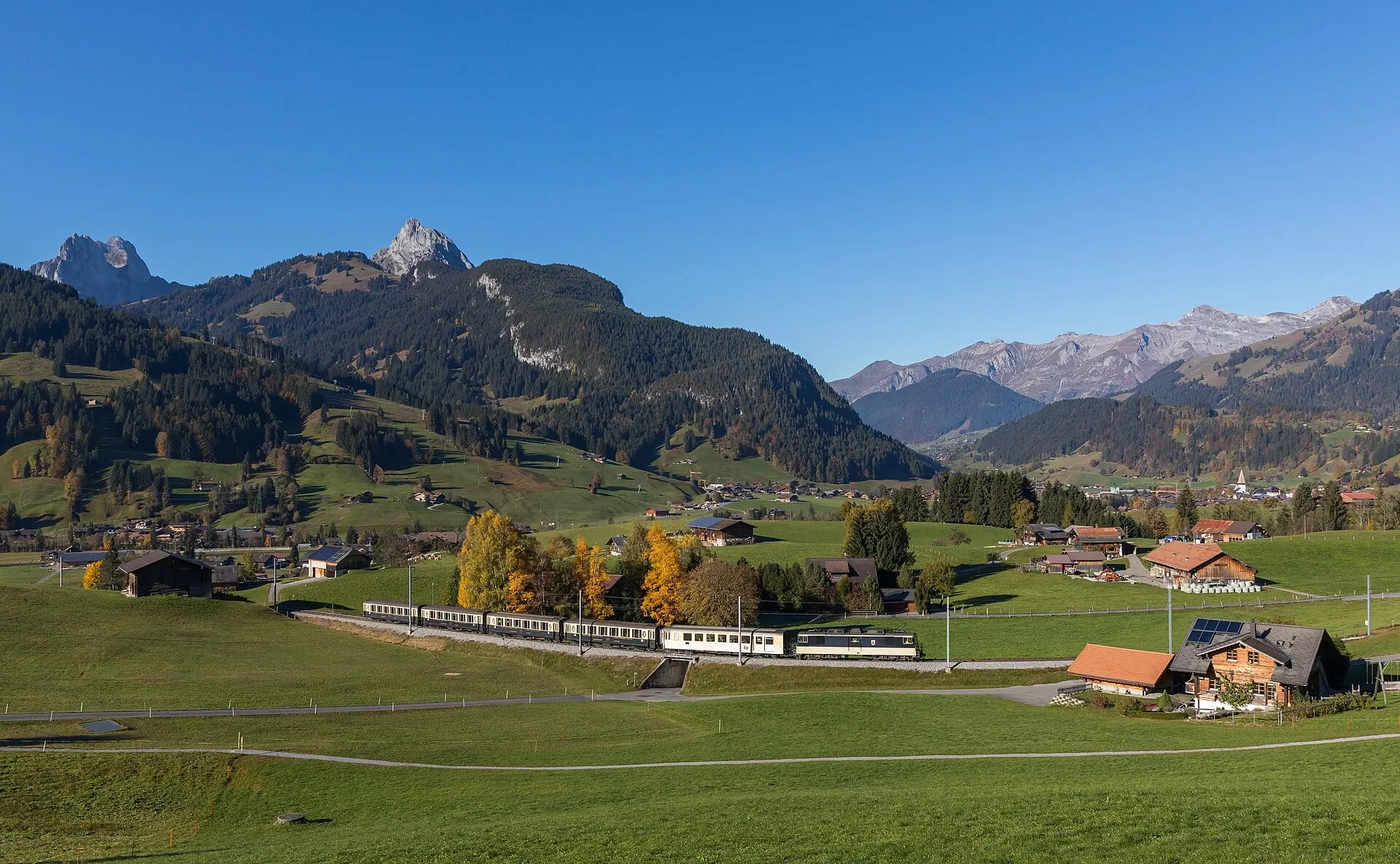
| Lake Geneva to Lucerne, 3 days: Geneva Airport to Montreux, Montreux to Interlaken, Interlaken to Lucerne and Zurich Airport | CHF 153 | CHF 226.50 | 3 days: CHF 254 / Flex 3: CHF 289 | Tickets, by CHF 101 against the pass |
| The classic week, 6 travel days in 7: Zurich Airport to Lucerne, Interlaken, Zermatt and St. Moritz, a day to Tirano and back, then Zurich Airport | CHF 467 | CHF 383.50 | Flex 6: CHF 424 / 8 days: CHF 439 | The Half Fare Card, by CHF 40.50 |
On the famous trains, the pass pays twice
Does the Swiss Travel Pass cover the Glacier Express?
The pass covers the fare on the Glacier Express, the Bernina Express and the GoldenPass Express, but not the seat reservation, which is compulsory on the first two. The ordinary trains on the same track need no reservation at all. With a pass, the ordinary train is free and the famous one is not: CHF 54 for the Glacier Express, CHF 32 from St. Moritz to Tirano.
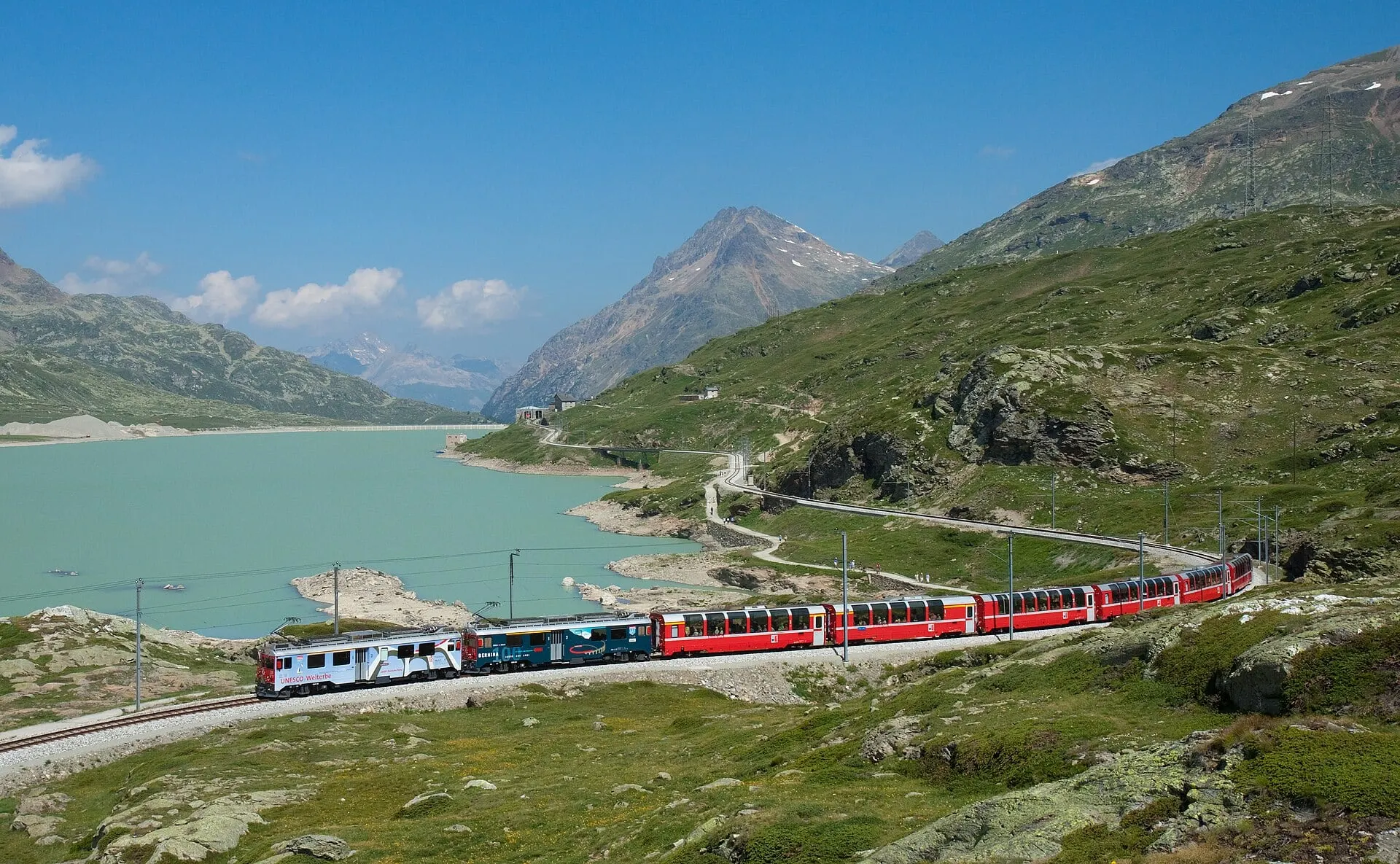
- Ride the famous train one way onlyOn the Tirano day, take the Bernina Express down and the regional train back. The view is the same, and the return costs nothing on a pass.
- The Glacier Express has a gap in autumnIt does not run from 11 October to 4 December 2026. The ordinary trains run every hour on the same line, with 4 changes and about 8 h 20 min of travel.
- Book the reservation earlyReservations sell out in summer, and a pass does not hold you a seat. Buy the pass first and the reservation as soon as your dates are fixed.
What the pass adds beyond the train
What else does the Swiss Travel Pass include?
The pass is more than a rail ticket, and on some trips the extras decide it. These count only on days the pass is valid, which on a Flex pass means days you have activated.
- Three mountains includedRigi, Stoos and the Stanserhorn are free with the pass. With the Half Fare Card you pay half.
- Up to 50% off the othersMost other mountain railways give pass holders up to 50% off, about the same as the Half Fare Card; the Jungfraujoch and the Gornergrat do not come free with either.
- Boats, buses and city tramsLake boats, PostBus routes and public transport in more than 90 towns and cities are included. Every trip on them adds to the pass's side of the sum.
- More than 500 museumsEntry is free on pass days. Check the list before a city day in Zurich, Lucerne or Bern; the Half Fare Card gives nothing here.
- Children travel free either wayWith the free Swiss Family Card, children aged 6 to 15 travel free with a parent holding either the pass or the Half Fare Card, so children do not change the answer.
What we would buy
Swiss Travel Pass, consecutive days
CHF 309 for 4 days in second class (official 2026 price)
The one to buy when your fares for the days in a row clear the break-even in our table, as on the Glacier and Bernina loop. Rated 4.8 on GetYourGuide from 2,172 reviews.
Swiss Travel Pass Flex
CHF 349 for 4 days in a month, second class (official 2026 price)
For trips with rest days between the long rides: you only use a day when you travel. It costs more per day, so check the Flex rows of the table. Rated 4.5 on GetYourGuide from 77 reviews.
Swiss Half Fare Card
CHF 150 for a month (official 2026 price)
The cheapest answer for most trips of a week or more with a few long rides. Half price on trains, buses, boats and most mountain railways for a month. Rated 4.3 on GetYourGuide from 223 reviews.
The catch
Supersaver tickets move the line
Booked ahead on sbb.ch, many intercity trains are cheaper than the full fare: on the day we checked, Lucerne to Zurich Airport from CHF 19.80 against CHF 31, and St. Moritz to Zurich Airport from CHF 58.80 against CHF 84. They are tied to one train and cannot be refunded.
What to do. If your plans are fixed, price Supersavers first; they make plain tickets, and the Half Fare Card, harder to beat.
The pass is only for visitors
The Swiss Travel Pass, the Flex pass and the Swiss Half Fare Card are sold only to people who live outside Switzerland and Liechtenstein. Flex days must be activated before you board.
What to do. Activate a Flex day before the first train of the day, not on the platform.
Questions people ask
Good questions about Is the Swiss Travel Pass worth it? We priced three trips leg by leg
Is the Swiss Travel Pass worth it for 3 days?
Only if your full fares over the 3 days come to more than CHF 254, the price of the pass; below CHF 300 the Half Fare Card does not pay for itself, so plain tickets are the thing to beat. A trip from Geneva to Montreux, Interlaken and Lucerne comes to CHF 153 in full fares, so plain tickets are cheaper than the CHF 254 pass.
Is the Half Fare Card better than the Swiss Travel Pass?
For most trips with short legs or rest days, yes. It costs CHF 150 for a month and halves almost every fare, so the pass only wins when your full fares come to more than twice its price less CHF 300: CHF 318 for 4 days, CHF 498 for 6 days.
Does the Swiss Travel Pass cover the Glacier Express?
It covers the fare but not the compulsory seat reservation, CHF 54 in second class. The ordinary trains on the same line, with 4 changes, need no reservation and are fully covered.
Is the Swiss Travel Pass worth it for young travellers?
More often. The youth pass for travellers under 25 costs CHF 218 for 4 days in second class, while the Half Fare Card costs the same CHF 150 at any age, so the youth pass is the cheapest way to pay once fares pass its own price. An adult needs CHF 318 of fares for the 4-day pass to win.
Swiss Travel Pass or Flex?
The consecutive pass is cheaper per day if you travel every day. The Flex costs CHF 40 more for 4 days, CHF 349 against CHF 309, but lets you skip days within a month.
Sources we read (7)
- travelswitzerland.com/all-in-one-travel-services-tickets-and-passes/swiss-travel-pass
- travelswitzerland.com/all-in-one-travel-services-tickets-and-passes/swiss-travel-pass-flex
- travelswitzerland.com/all-in-one-travel-services-tickets-and-passes/swiss-half-fare-card
- sbb.ch/en
- glacierexpress.ch/en/price
- rhb.ch/en/tickets/bernina-line-reservations
- gpx.swiss/en/pages/gpx-fares
If you book through a link on this page we may earn a commission, at no cost to you. It never decides what we recommend. Last checked: October 2026
More guides
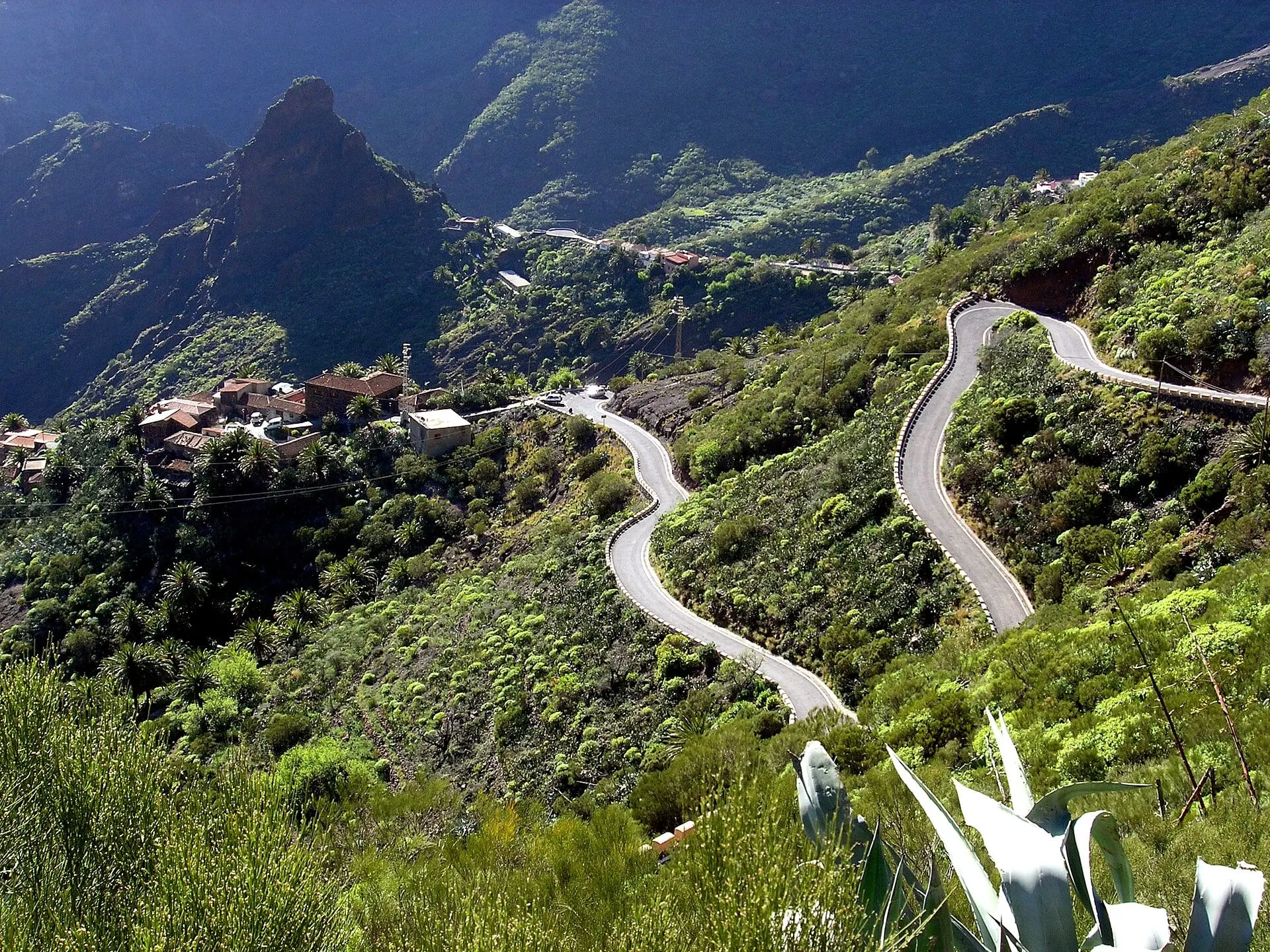
Image credits: Kabelleger / David Gubler (CC BY-SA 4.0) · Kabelleger (CC BY-SA 4.0) · Kabelleger / David Gubler (CC BY-SA 3.0)