Why this is one of the great crossings
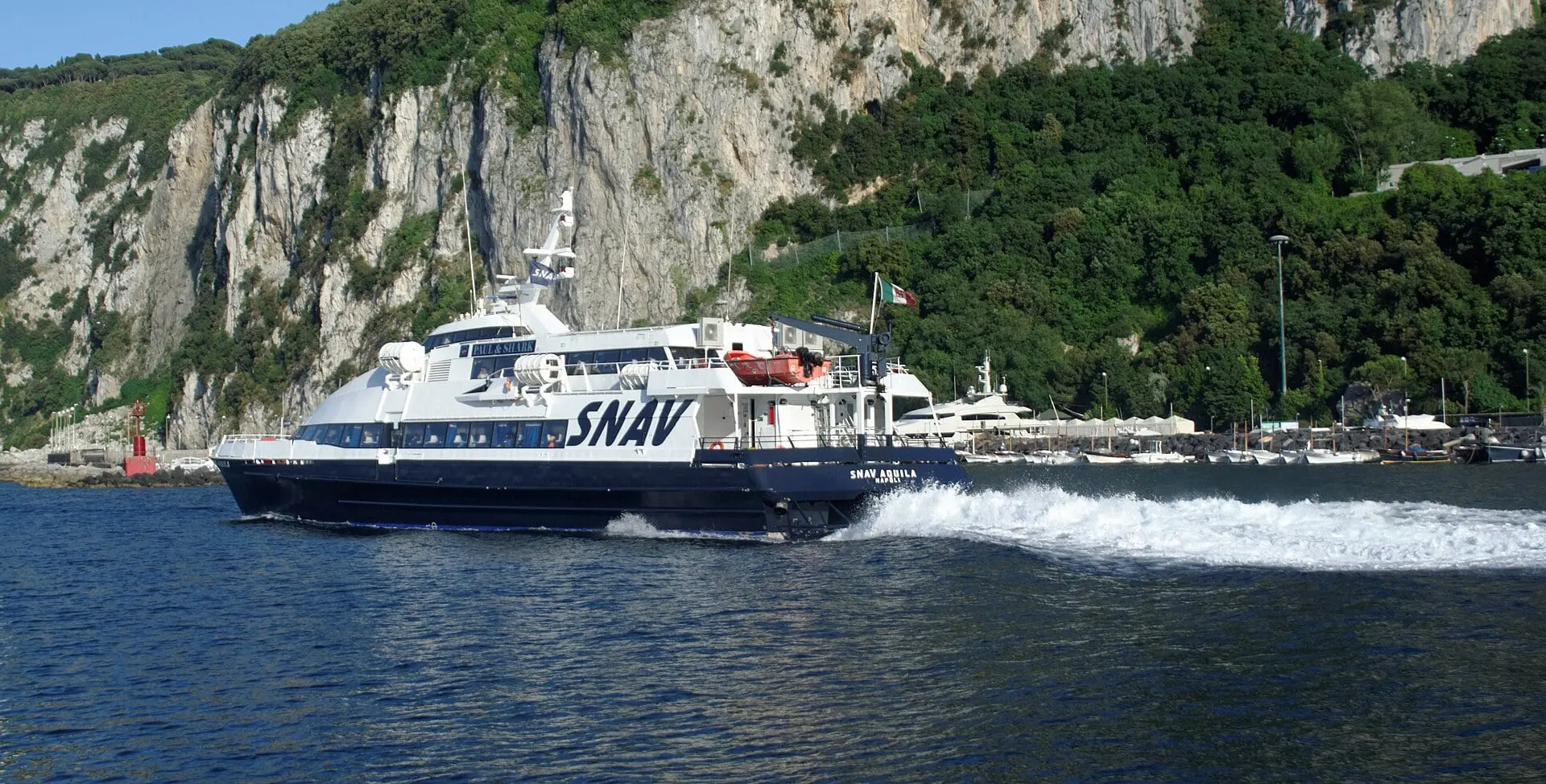
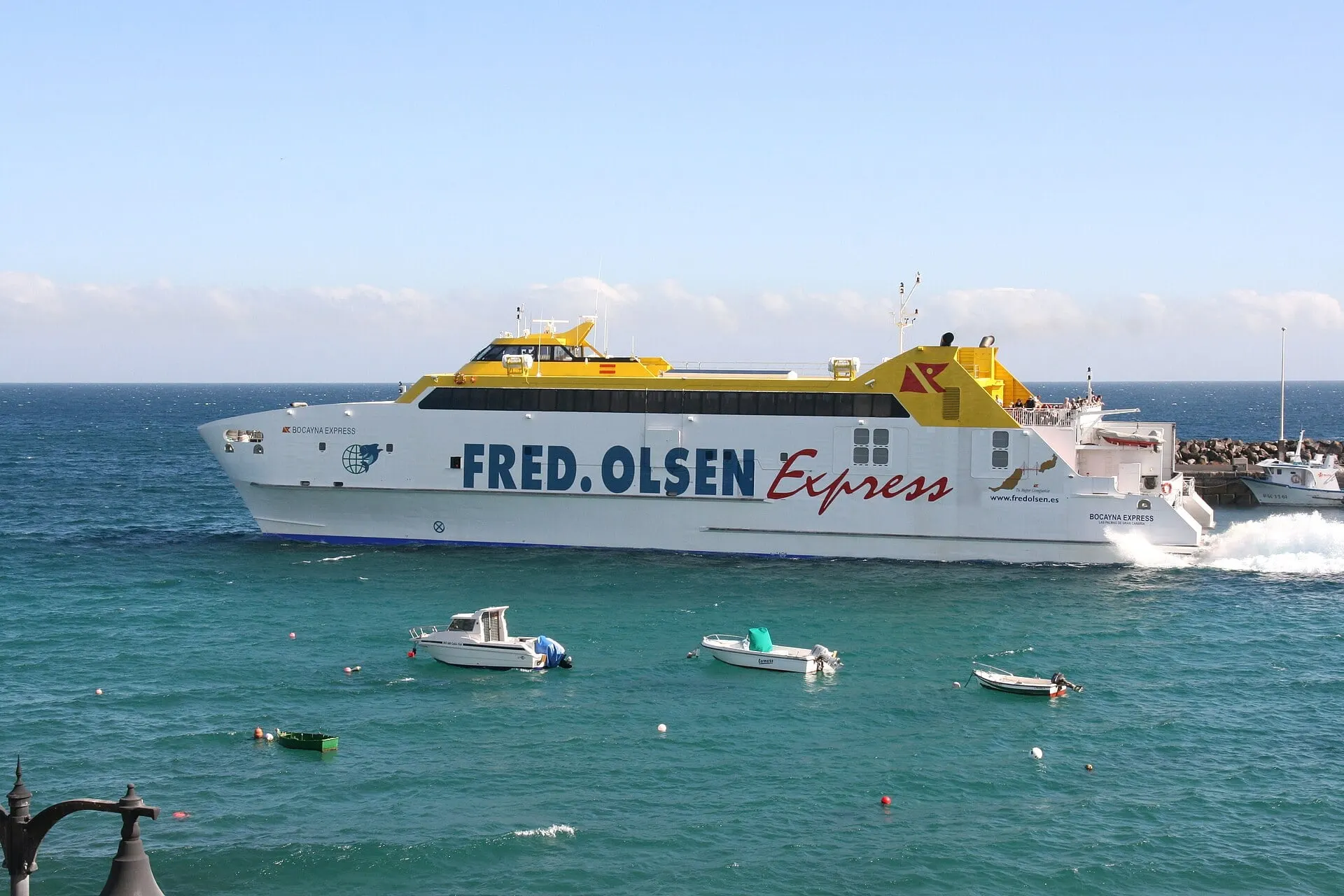
On 8 July 1974 a new company opened its first route, from Los Cristianos to San Sebastián de La Gomera. Fred. Olsen Express still sails it, with the catamaran Bencomo Express and the trimaran Benchijigua Express, the largest in the world, and the 34 km crossing takes 50 minutes. The town at the other end is older in this story than the ship: on 6 September 1492 the Niña, the Pinta and the Santa María sailed from San Sebastián, the last place in Europe Columbus stopped before he crossed the Atlantic.
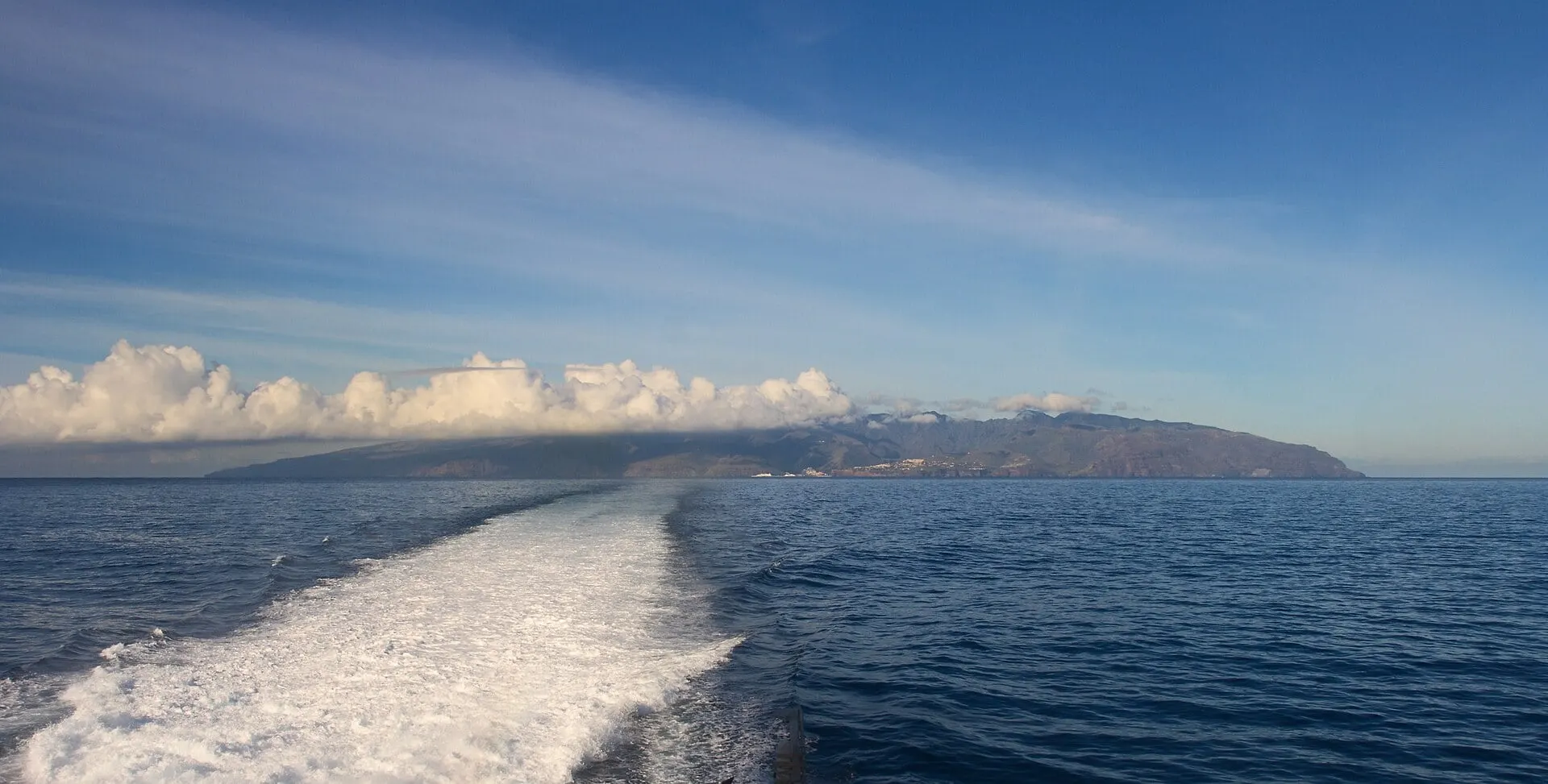
The sea in between is the second reason. The Cabildo de La Gomera records 21 species of whale and dolphin in the island's waters, short-finned pilot whales among them as permanent residents, and the waters joining La Gomera and Tenerife were the first place in Europe to be named a Whale Heritage Site. Look back and Teide rises over everything: 3,718 m, the highest peak on Spanish soil, and 7,500 m from the ocean floor.
The third reason is the forest. Garajonay National Park covers some 11% of La Gomera, and laurel forest covers about 70% of the park: evergreen laurisilva, fed by fog and permanent streams, a living remnant of the warm forests that covered much of Europe in the Tertiary. UNESCO inscribed it in 1986. From the quay it is 26 minutes by road to the first viewpoint, which is why this is one of the few great crossings that is also an easy day out.