Two islands, one strait and a sea of sand
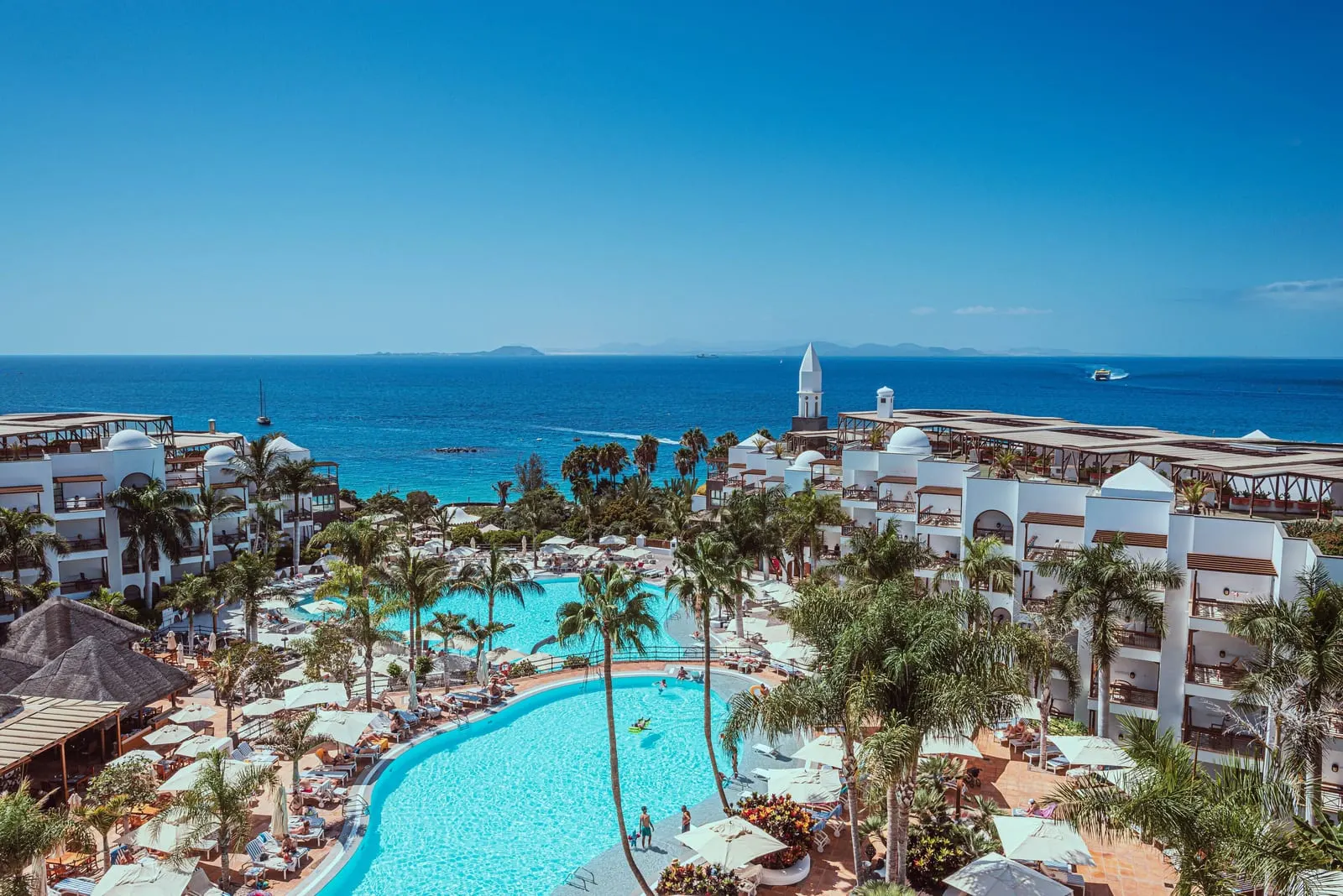
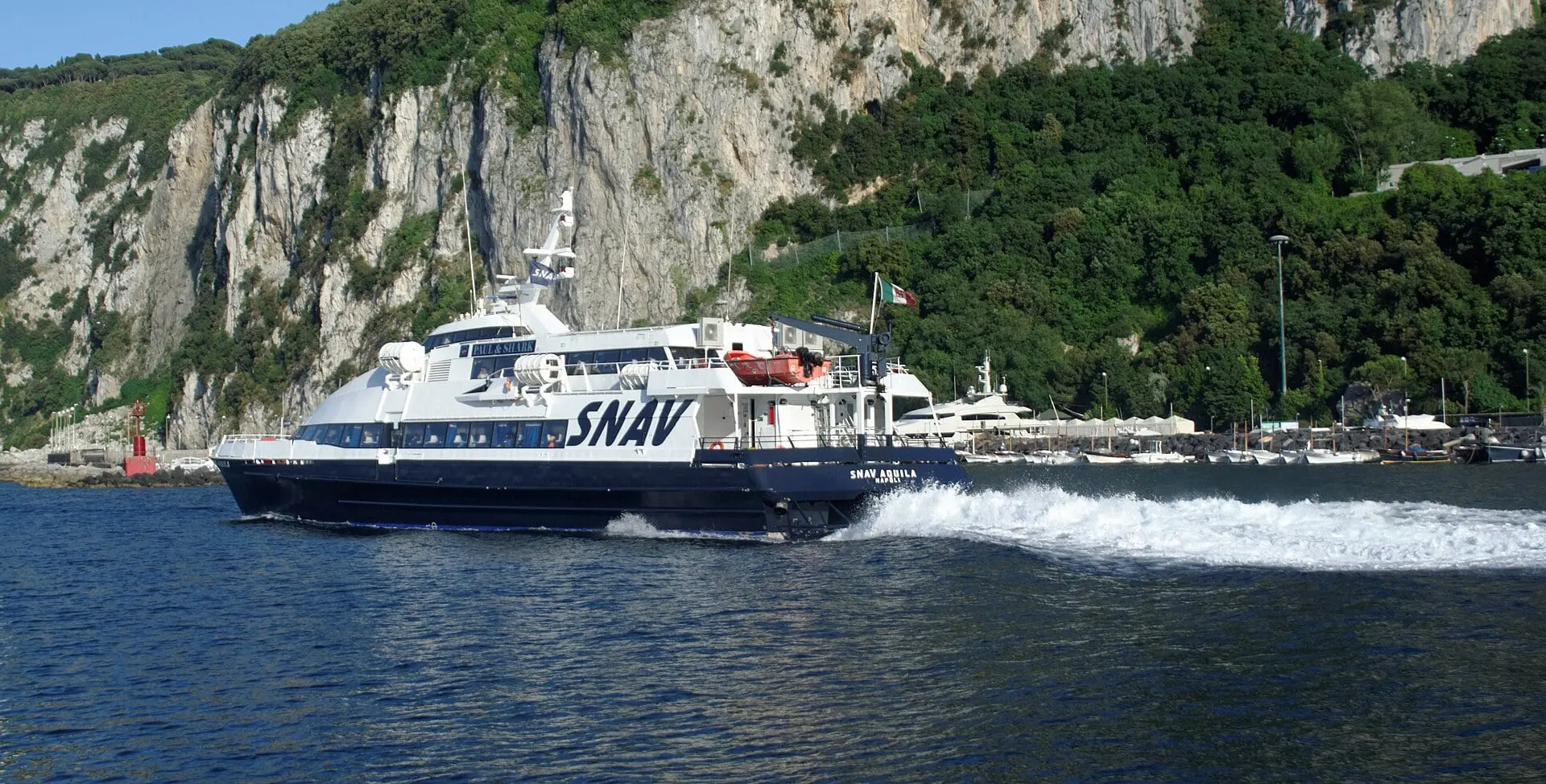
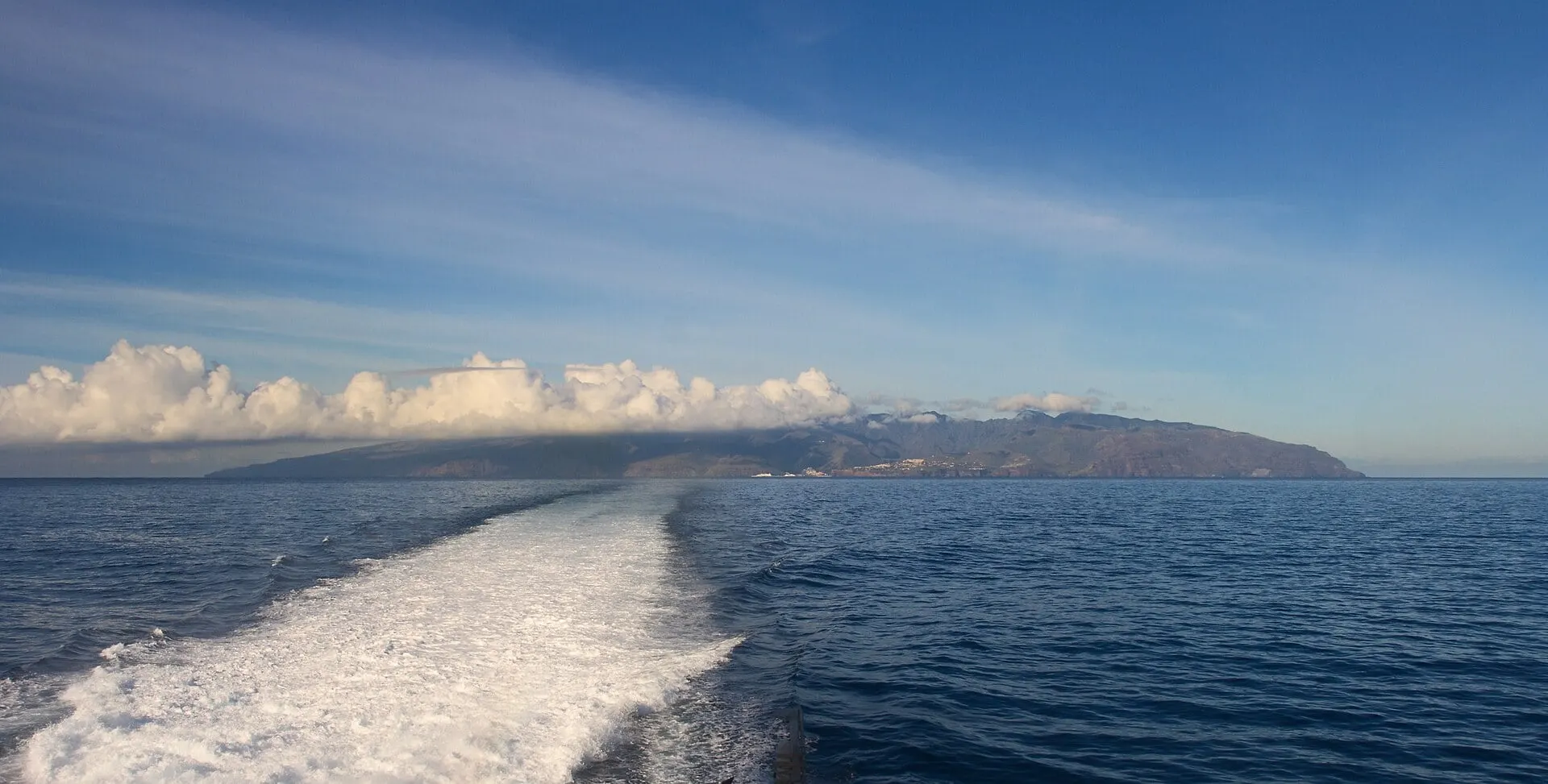
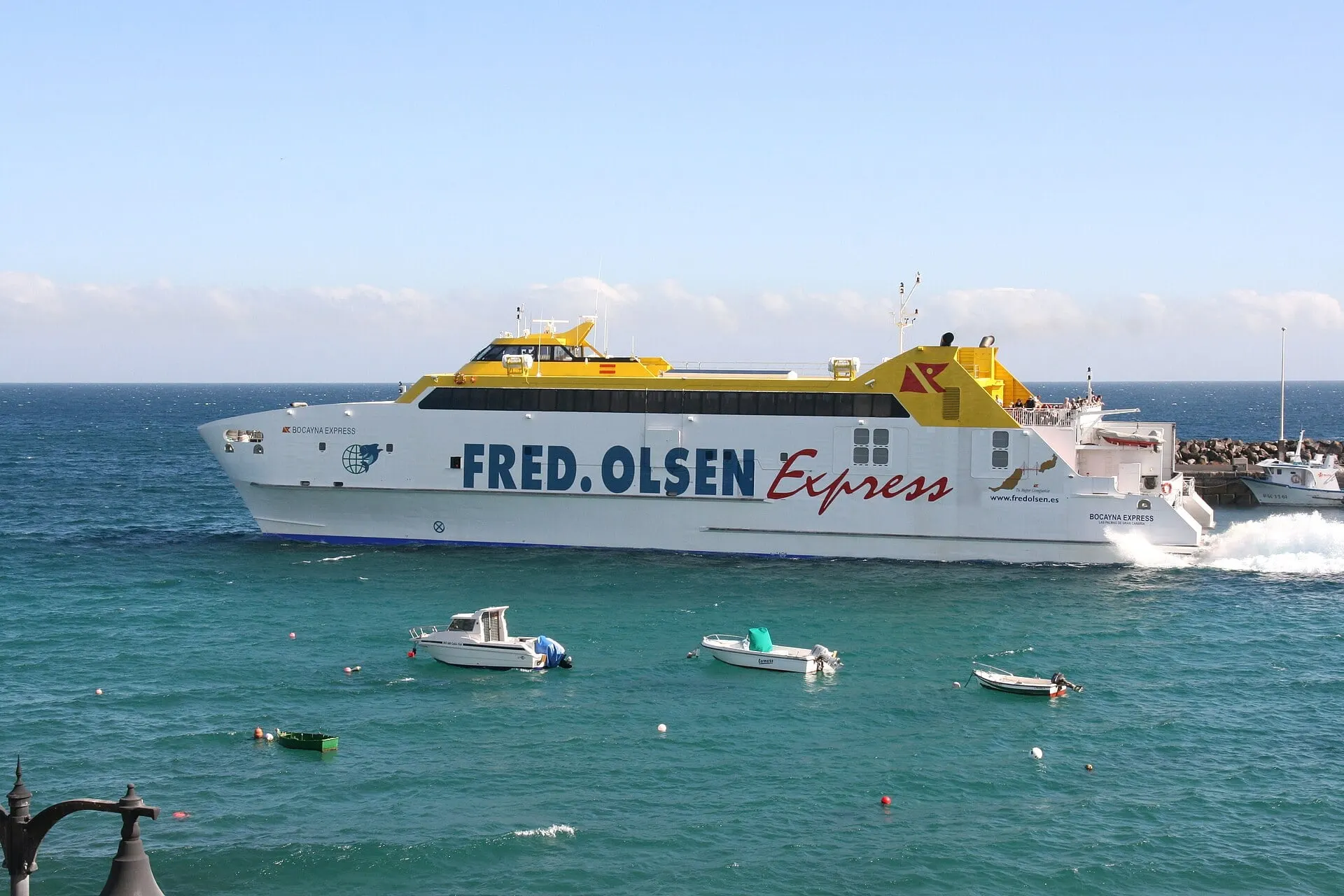
From the harbour at Playa Blanca, Fuerteventura is not a smudge on the horizon but a coastline you can read: 13 km away across the Bocaina Strait, close enough that the crossing is shorter than the drive from Playa Blanca to Lanzarote's airport. Fred. Olsen named its fast ferry after the strait. The Bocayna Express, 66 metres long and built for this one crossing, carries 436 passengers and up to 69 cars at 31 knots, and does it in 25 minutes.
The reason to go is what changes on the far side. Lanzarote is the island of Timanfaya's volcanoes and Manrique's whitewashed restraint. Northern Fuerteventura opens in sand: the Parque Natural de Corralejo, 2,668.7 hectares of dunes running south from the edge of Corralejo towards the volcanic cone of Montaña Roja, a sandy expanse of "enormous scientific interest", in the words of Spain's tourist board, that you may walk only on marked trails.
Between the two lies Lobos. The islet covers less than five square kilometres, sits two kilometres off Fuerteventura, and takes its name from the monk seals, lobos marinos, that once lived on it. From La Caldera, its highest point at 127 metres, both islands are in view. The ferry passes it on the run into Corralejo; landing takes a short boat ride from Corralejo harbour and a visitor permit from Fuerteventura's island council.
Three companies, about 25 sailings each way on a winter weekday and fares from €19.50: few sea crossings in Europe give so much for so little time.