Sunset and stargazing in the mountains, with telescopes
4.8/5
About 320 reviews on GetYourGuide
Sunset above the clouds at 1,948 metres with Teide on the horizon, then the Milky Way and telescope views in the dark centre of the island, with a glass of cava and a photo of you under the stars. From 45 euros. Pack a warm coat.
- Free cancellationUp to 24 hours before, with a full refund
- Duration: 3 to 6 hoursStart times show in the calendar
- Live guideEnglish
- Pickup availableChoose the option when you book
Most visitors to Gran Canaria spend their evenings on the coast, under hotel lights. An hour inland, the high centre of the island is dark. Since December 2017 the Starlight Foundation has listed Gran Canaria as a Starlight Tourist Destination, a certificate the Cabildo says covers the island's Biosphere Reserve, and these are the mountains UNESCO listed in 2019 as Risco Caído and the Sacred Mountains of Gran Canaria, a landscape whose first people read the sky. This evening takes you up into it for sunset and stays for the stars.
With the pickup version, a van collects you at or near your hotel on the south coast, between Puerto de Mogán and Bahía Feliz, in the late afternoon. The operator says the first stop, about 30 minutes in, is the Mirador Astronómico de la Degollada de las Yeguas above the Fataga ravine, and that the road then climbs for about 40 minutes through villages such as Arteara and Fataga to the viewpoint at Pico de las Nieves, which it puts at 1,948 metres. There you watch the sun go down over the cloud sea with Roque Nublo below and Teide on Tenerife on the horizon, with a glass of cava or juice. Self-drivers meet the group here, at the viewpoint.
When it is dark, everyone follows the guides a short way to the stargazing spot, which the operator says is about 200 metres outside the hamlet of La Plata, by the Llanos de la Pez picnic area at about 1,670 metres. The guides walk you round the constellations with a laser pointer, then turn the telescopes (Dobsonian and computerised Schmidt-Cassegrain models, the operator says) on planets, star clusters, nebulae and galaxies, and show live deep-sky images on tablets. Each group gets an astrophotography portrait under the stars to download, at no extra charge, and blankets are lent for the cold.
The self-drive evening runs about three hours and you can stay on under the sky when the group leaves; with pickup it is five to six hours, door to door. Stargazing Gran Canaria is run by the team behind Stargazing Tenerife, and the operator says its senior guides are certified by the Starlight Foundation.
Why this one
This is the Gran Canaria night-sky tour with the most reviews on GetYourGuide by a wide margin: 4.8 from about 320 on 6 November 2026, from 45 euros. The closest rivals are newer and smaller. A pickup tour with a 16-inch telescope stood at 4.9 from 20 reviews at 85 euros for five hours; a two-hour session with local astronomers near Tejeda, running since 1995 and listed as wheelchair accessible, at 5.0 from 10 at 59 euros; and a coastal sunset hike with a picnic and stargazing on a beach in the west at 4.9 from about 40, at 45 euros. None of them pairs a sunset above the clouds with a full telescope session and a free portrait at this price, and none has this many guests behind its score.
Booking direct is no cheaper for the self-drive version: the operator's own site charges the same 45 euros per adult, 25 euros for children aged 4 to 12, and lists its pickup tour at 75 euros. If you want the summit by day as well, our Roque Nublo and the summit page covers a 10-hour tour that hikes to the rock and ends with sunset at the top of the island and local food, but no telescopes. For the stars themselves, this is the one we would book.
Good for
- A first proper look through a telescope, with guides who explain as they go
- Couples and friends staying in Maspalomas, Meloneras or Puerto de Mogán
- Guests at the Parador in Cruz de Tejeda, 14 minutes from the viewpoint
Not for
- Anyone who gets car sick on mountain hairpins
- Guests in Las Palmas without a car: pickup runs on the south coast only
- Anyone who wants dinner as part of the evening
When to go
What an evening at the stargazing spot is like, month by month. Sunset is calculated for Llanos de la Pez; temperature and cloud are modelled for its 1,670 metres from five years of historical weather, 90 minutes after sunset, when the telescopes come out.
| Month | Sunset | Temperature | Clear sky | Rainy days |
|---|---|---|---|---|
| Jan | 18:28 | 6°C / 3°C | 70% | 22% |
| Feb | 18:52 | 6°C / 3°C | 74% | 25% |
| Mar | 19:18 | 5°C / 3°C | 84% | 33% |
| Apr | 20:27 | 7°C / 5°C | 71% | 18% |
| May | 20:44 | 9°C / 6°C | 81% | 15% |
| Jun | 20:59 | 10°C / 9°C | 84% | 7% |
| Jul | 21:00 | 16°C / 12°C | 95% | 3% |
| Aug | 20:41 | 18°C / 12°C | 82% | 5% |
| Sept | 20:08 | 12°C / 10°C | 79% | 13% |
| Oct | 19:27 | 12°C / 9°C | 67% | 13% |
| Nov | 18:11 | 9°C / 6°C | 65% | 23% |
| Dec | 18:10 | 7°C / 4°C | 71% | 27% |
Temperature is the median at the stargazing spot 90 minutes after sunset, with the coldest evening in ten after it. Clear sky is the share of evenings with little mid or high cloud overhead at that hour; rain, the share of days with 1 mm of rain or more.
The Moon
The Moon decides what you see. In the two or three days before and at full moon the sky is not as dark and faint galaxies wash out, the operator says; in the week around a new moon it is at its darkest. The next new moons fall on 9 November and 9 December 2026, then 7 January, 6 February, 8 March and 6 April 2027.
From our Gran Canaria hotels
Drive times are routed from each hotel in our Gran Canaria edit to the viewpoint at Pico de las Nieves, where the self-drive version meets at sunset. The pickup version collects from or near hotels on the south coast between Puerto de Mogán and Bahía Feliz, the operator says, and from the nearest pickup point if your hotel is just outside it; there is no pickup from Las Palmas or the north.
- Parador de Cruz de TejedaCruz de Tejeda14 min by carSelf-drive only
- Hotel VeintiunoLas Palmas, Vegueta46 min by carSelf-drive only
- Santa Catalina, a Royal Hideaway HotelLas Palmas, Ciudad Jardín49 min by carSelf-drive only
- Bull Reina Isabel & SpaLas Palmas, Las Canteras52 min by carSelf-drive only
- Seaside Grand Hotel ResidenciaMaspalomas68 min by carHotel pickup
- Lopesan Villa del Conde Resort & ThalassoMeloneras68 min by carHotel pickup
- Hotel Faro, a Lopesan Collection HotelMaspalomas69 min by carHotel pickup
- Seaside Palm BeachMaspalomas69 min by carHotel pickup
- Salobre Hotel Resort & SerenitySalobre, Maspalomas71 min by carHotel pickup
- Hotel Cordial Mogán PlayaPuerto de Mogán80 min by carHotel pickup
The facts
- Duration
- About 3 hours self-drive; 5 to 6 hours with pickup
- Language
- English
- Group
- Small vans; the operator says sessions top out at about 30 people
- Included
- Sunset stop with a glass of cava or juice, telescopes, laser-guided constellation tour, live deep-sky images on tablets, a downloadable portrait under the stars, blankets; hotel pickup with the pickup version
- Not included
- Food, toilets, pickup from Las Palmas or the north
- Bring
- Warm layers, long trousers, closed shoes, snacks and water
- Children
- 25 euros aged 4 to 12 and free up to 3 on the operator's self-drive price list; booster seats only, no seats for small children
- Cancellation
- Free up to 24 hours before
- Price
- From 45 euros on GetYourGuide on 6 November 2026; the calendar shows today's price
- Run by
- Stargazing Gran Canaria S.L.
What guests keep saying
Recurring themes in the tour’s reviews, in our words, never quoted.
Praised
- Guides who know the sky, tell it with stories and humour, and answer every question
- The sunset above the clouds, with Roque Nublo and Teide in view, is the moment many guests remember first
- Punctual pickups, clear messages and a free photo under the stars to take home
Complaints
- The mountain road is long and winding, which does not suit anyone prone to car sickness
The catch
It is cold up there, all year
At the stargazing spot 90 minutes after sunset, the modelled median is 6.1°C in January, 9.4°C in November and 16.4°C in July, and one evening in ten in February is about 2.6°C or colder. The operator says it can drop to freezing, and its blankets are limited.
What to do. Pack a warm coat, a hat, long trousers and closed shoes, whatever the month; the operator asks guests not to come in shorts or sandals.
The road is long and winding
From the south coast the route climbs for over an hour on mountain roads with sharp bends; our routed drive from Maspalomas to the viewpoint is about 68 minutes, and self-drivers come back down in the dark.
What to do. If you get car sick, take something before you set off and ask for a front seat; drive yourself only if you are at ease on mountain roads at night.
Keep WhatsApp on, before you lose signal
The operator sends the meeting time and place by WhatsApp on the day, and says phone signal at the sunset and stargazing spots is patchy or absent, so it is hard to reach anyone once you are up there.
What to do. Check WhatsApp in the afternoon, save the directions offline and leave plenty of time to cross the resorts at rush hour.
Bring your own supper
The welcome drink is the only refreshment, and the operator says there are no restaurants or toilets at the stargazing site on an evening of three to six hours.
What to do. Eat before you leave or pack a sandwich and a hot drink; the operator is happy for you to bring them.
Pick your night by the Moon and the forecast
The operator says that in the two or three days before full moon not all the faint objects show. In the five years of weather we looked at, the sky over the site was clear on about two evenings in three in October and November and on 95% in July.
What to do. Choose a night near new moon and book early in your stay, so a cancelled night can move to another date.
Questions people ask
Good questions about Sunset and stargazing in the mountains, with telescopes
Is the Gran Canaria stargazing tour worth it?
For 45 euros you get a sunset from 1,948 metres, a guided telescope session in the dark centre of the island, a glass of cava and a portrait under the stars. It was rated 4.8 from about 320 reviews on GetYourGuide on 6 November 2026, the most reviewed night-sky tour on the island there.
Where does the Gran Canaria stargazing tour go?
Sunset is at the viewpoint by Pico de las Nieves, which the operator puts at 1,948 metres, and the stargazing at a spot near La Plata by Llanos de la Pez, at about 1,670 metres. The pickup version stops first at the Degollada de las Yeguas viewpoint above the Fataga ravine.
How cold is it stargazing on Gran Canaria?
Much colder than the coast. At the stargazing spot 90 minutes after sunset the modelled median is about 6°C from December to March, 12°C in September and October and 16°C to 18°C in July and August, and the operator says it can drop to freezing. Blankets are lent, but bring your warmest layers.
Is there pickup from Las Palmas or Maspalomas?
Pickup runs only on the south coast, between Puerto de Mogán and Bahía Feliz, so Maspalomas, Meloneras and Puerto de Mogán are covered and Las Palmas is not. From Las Palmas the self-drive meeting point is about 50 minutes away by car.
Can I drive myself to the stargazing tour?
Yes. The self-drive version meets at the Pico de las Nieves viewpoint at sunset and you follow the guides' vehicle to the stargazing spot, then leave when you like. The operator sends the time and directions by WhatsApp on the day.
What happens if it is cloudy?
The operator checks forecasts and satellite images before confirming, and if it cancels beforehand you can move to another date or take a full refund. If the guides stop a tour already under way, you can rebook free within a year or take a 50% refund.
When is the best time for stargazing on Gran Canaria?
In the week around a new moon, and from May to September if you can: in the five years of weather we looked at, the sky over the stargazing spot was clear on 81% to 95% of evenings from May to August, against about two in three in October and November.
The night sky
Sunset above the clouds at 1,948 metres with Teide on the horizon, then the Milky Way and telescope views in the dark centre of the island, with a glass of cava and a photo of you under the stars. From 45 euros. Pack a warm coat.
If you book through our links we may earn a commission from GetYourGuide. It never affects which experiences we include. Operators cannot pay to be here. · Last checked: November 2026
The best things to do in Gran Canaria, hand-picked
All ten things to do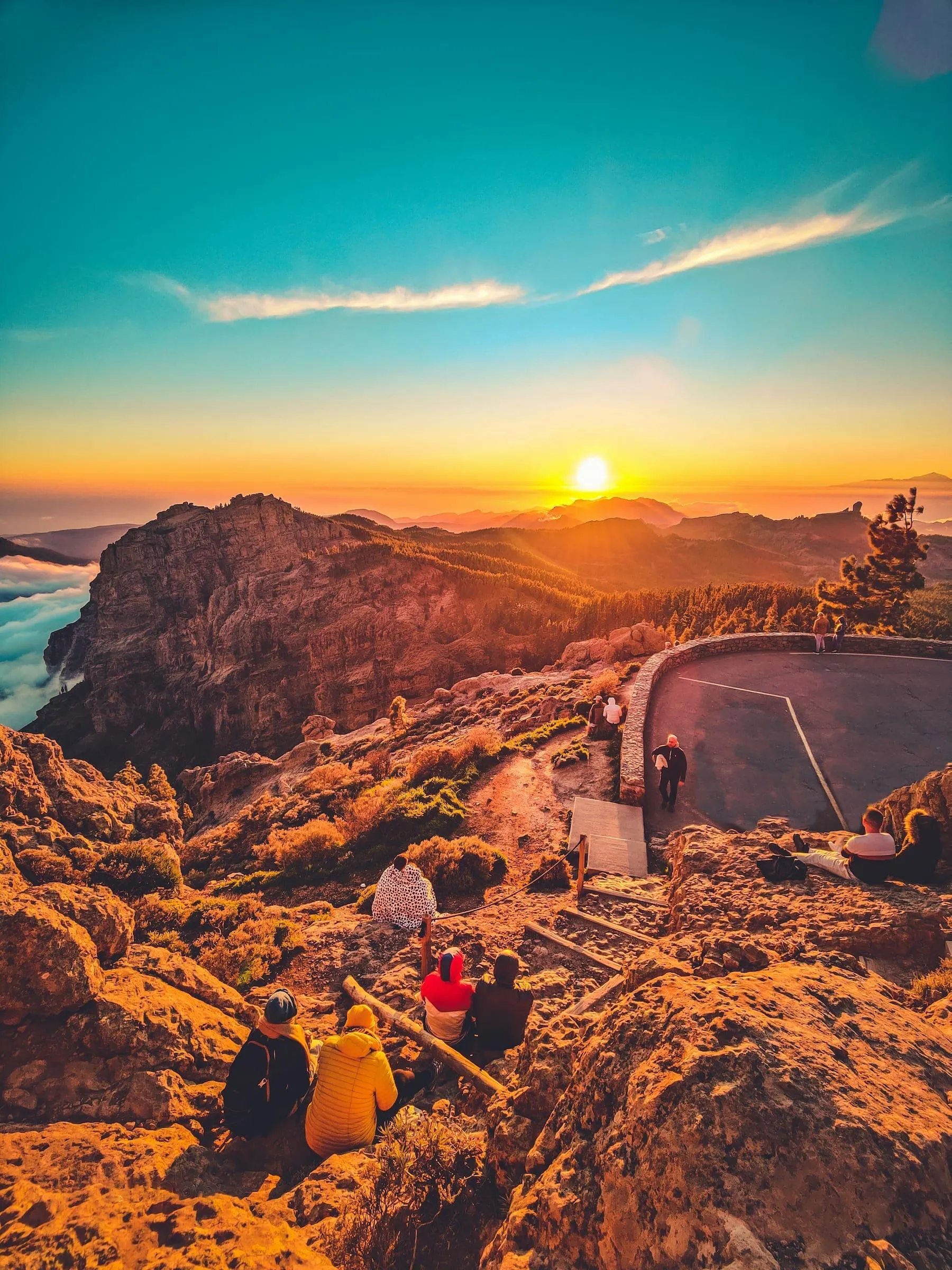 Roque Nublo and the summit
Roque Nublo and sunset on the summit, with lunch at Cruz de Tejeda
From €112.504.8(950)
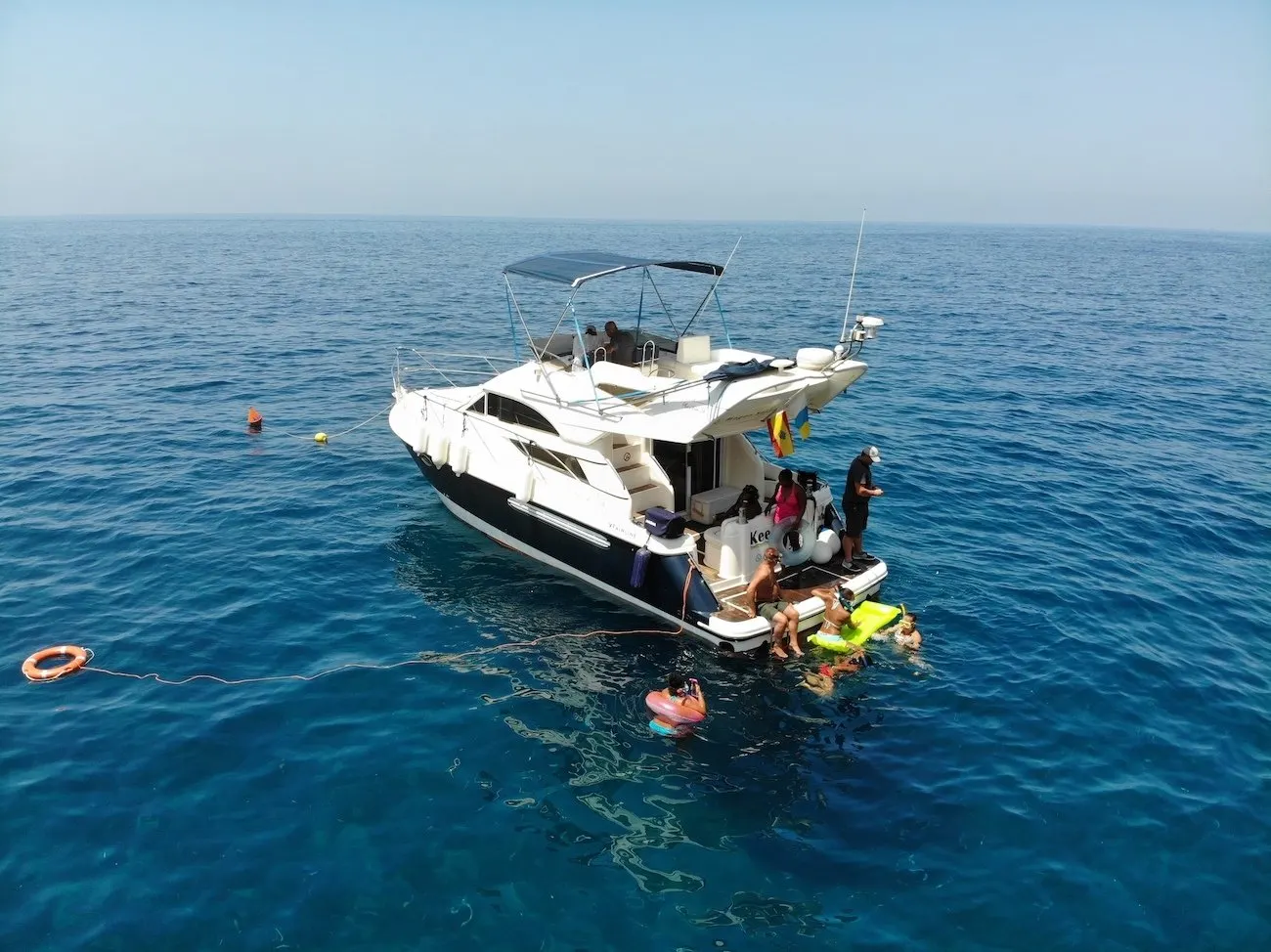 Dolphins, on a small boat
Dolphin watching from Puerto de Mogán, with a swim stop
From €894.7(290)
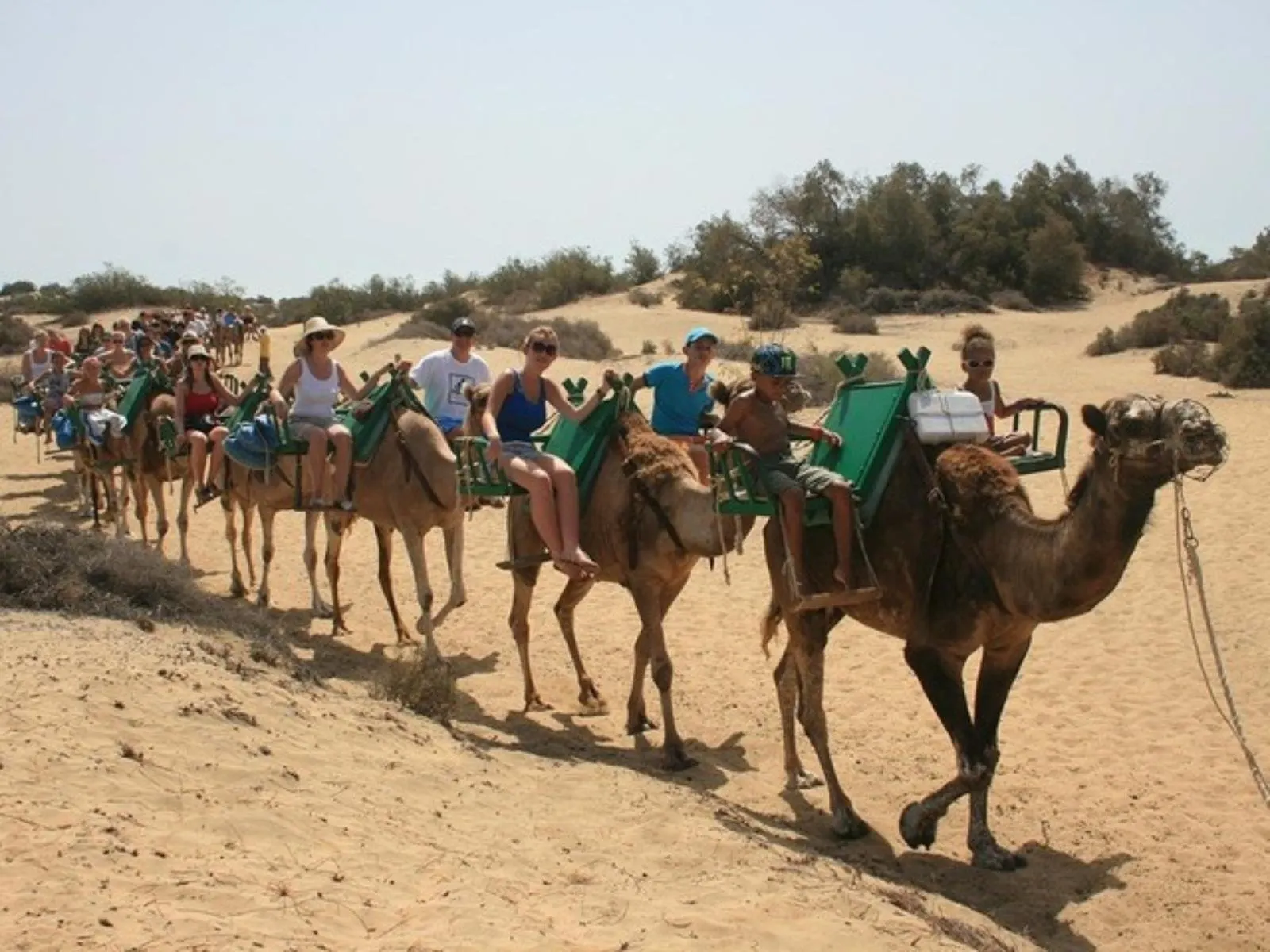 The dunes, by camel
A camel ride in the Maspalomas dunes
From €184.4(5,300)
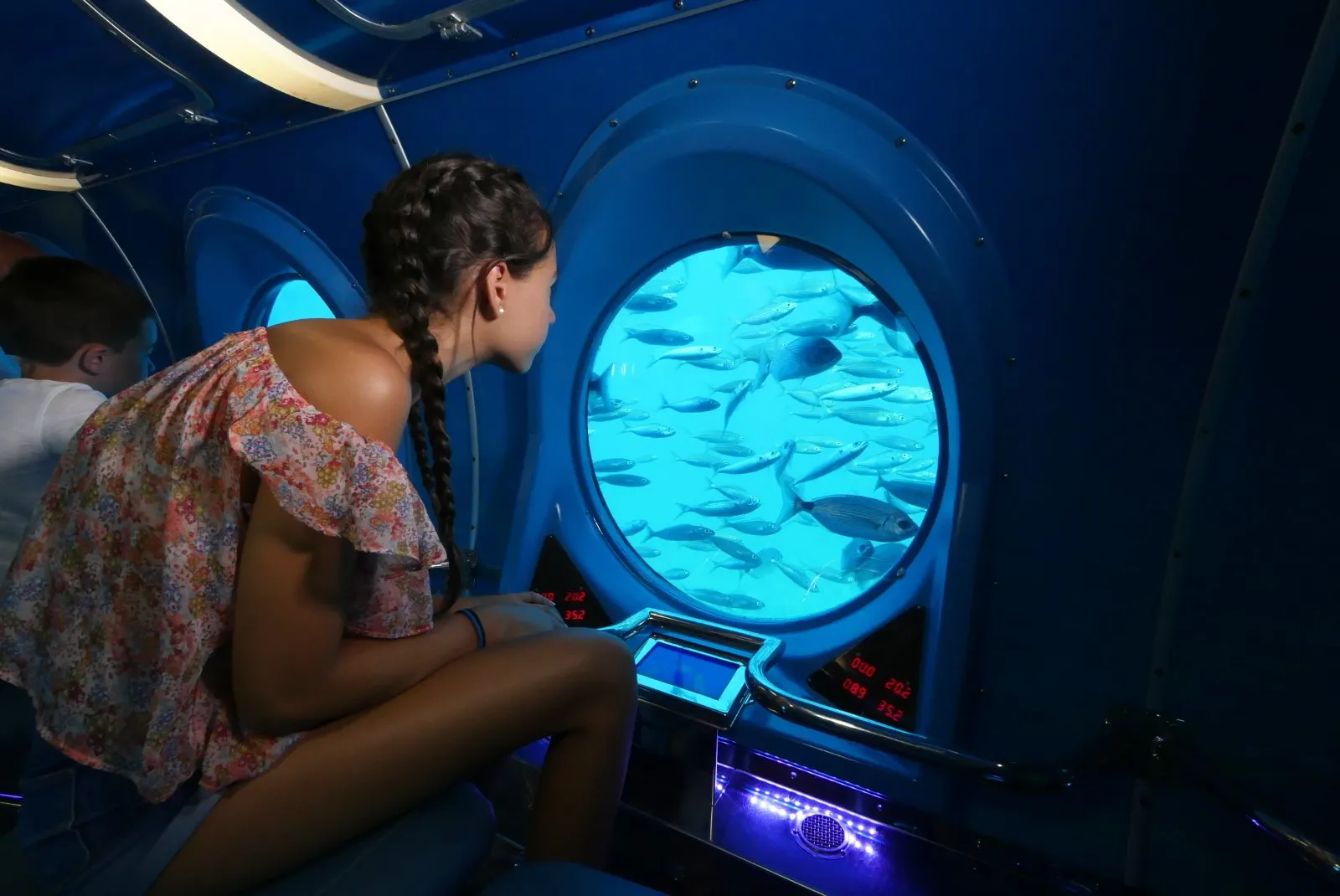 Under the sea, staying dry
The Golden Shark submarine dive at Puerto de Mogán
From €384.4(4,600)
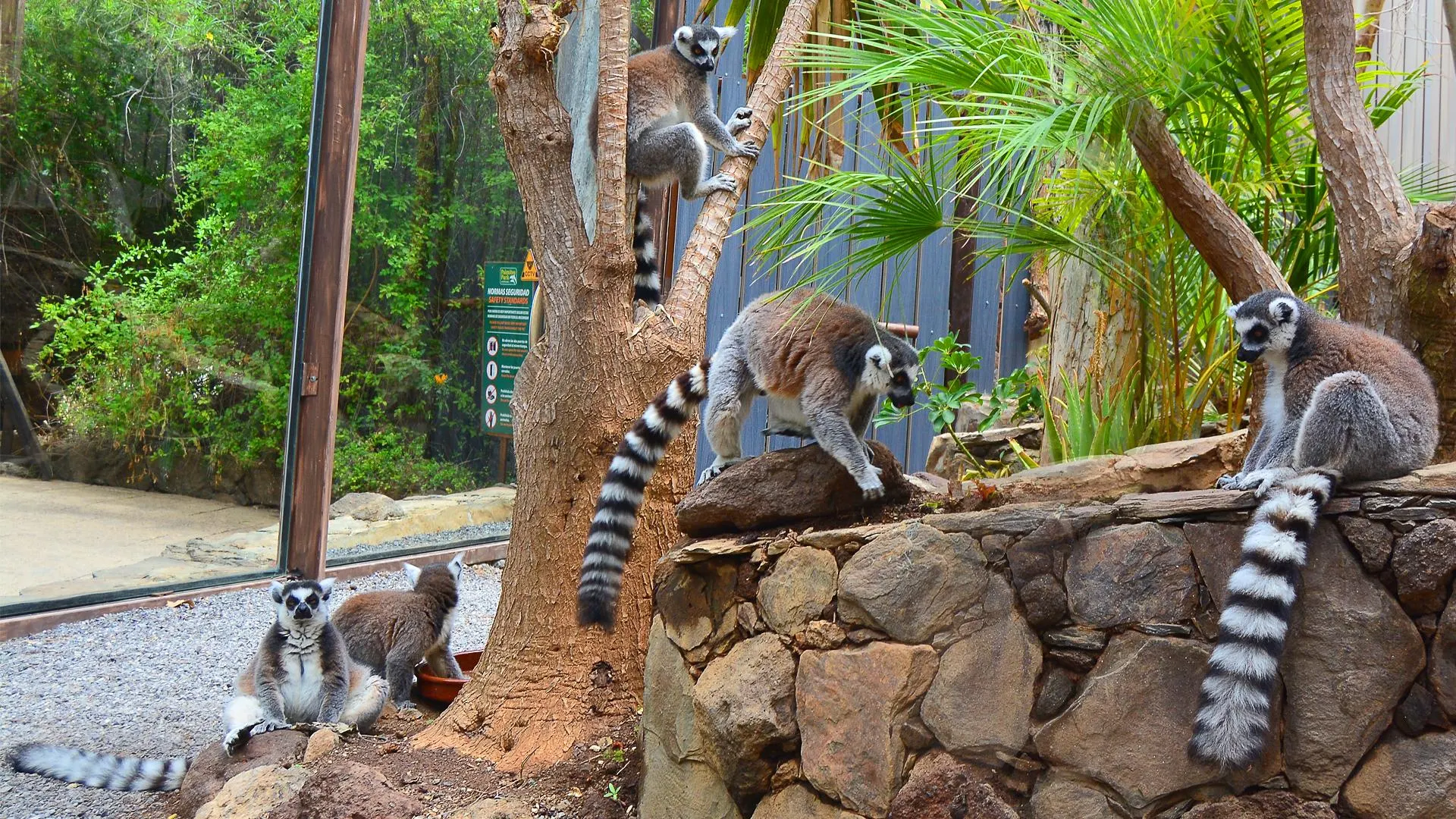 The animal park
Palmitos Park tickets: dolphins, birds of prey and gardens
From €394.7(1,900)
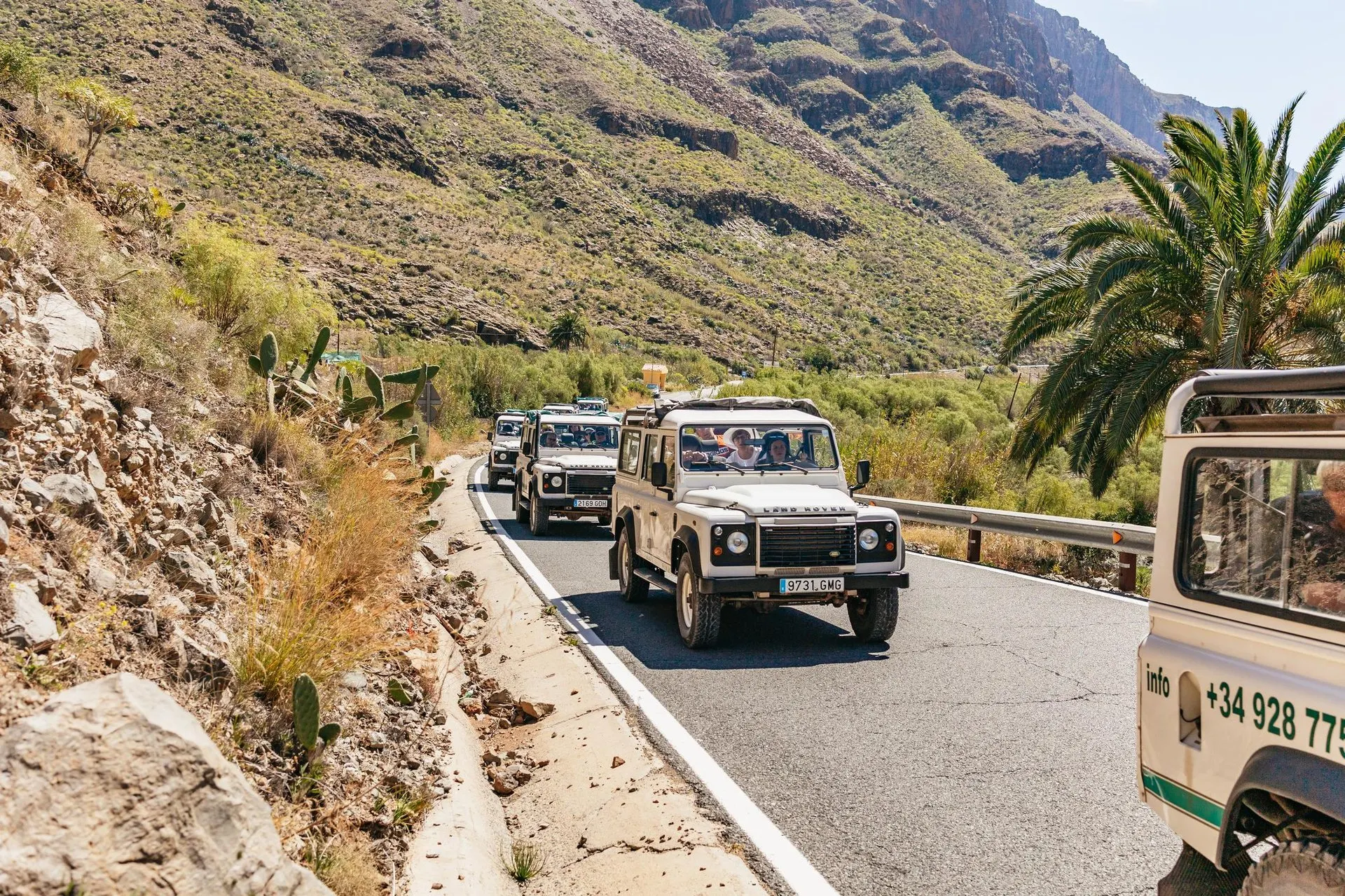 The mountains, by jeep
A jeep safari through the southern valleys and mountain villages
From €694.5(1,500)
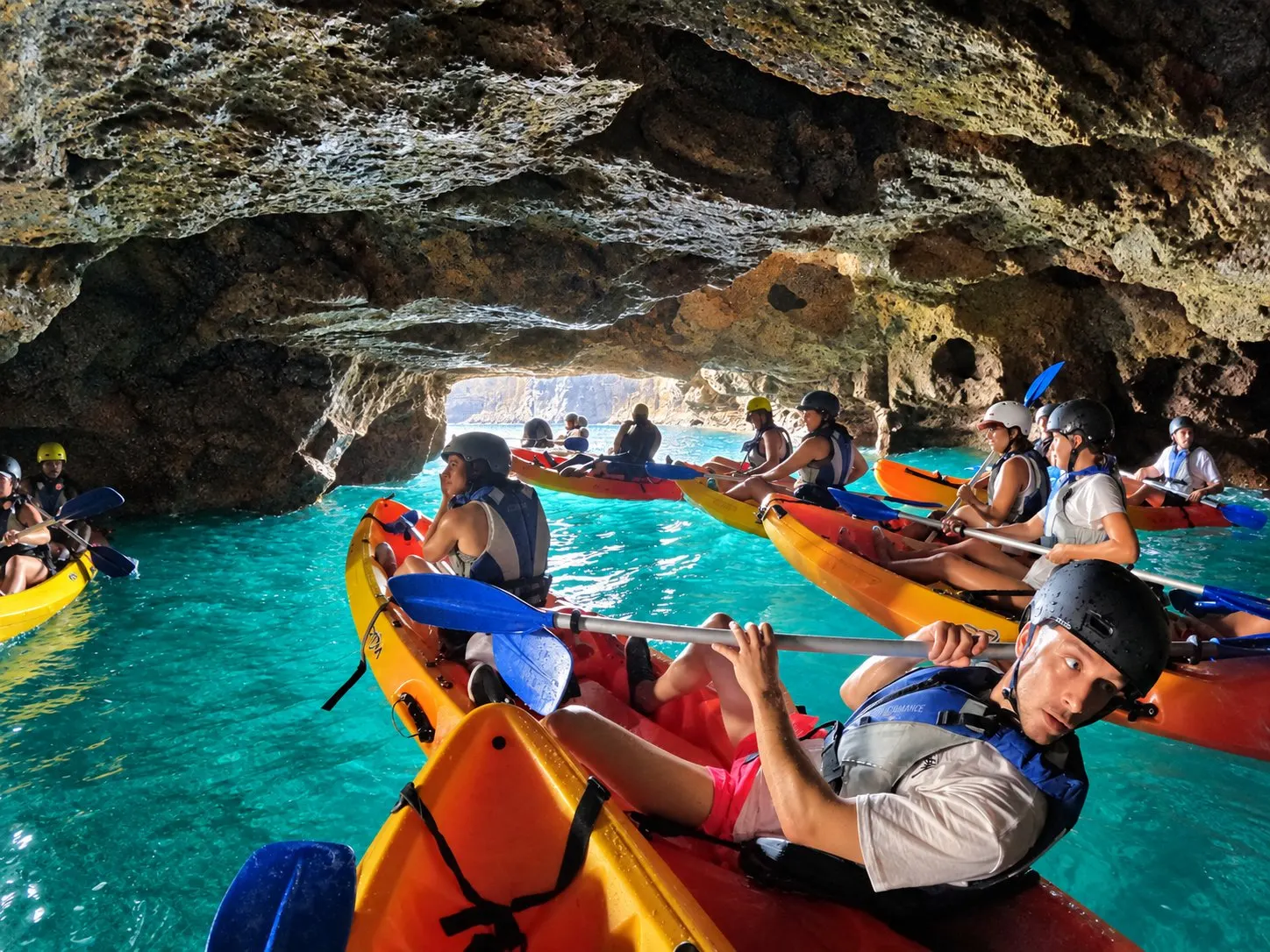 The sea caves, by kayak
Kayak to the sea caves of Mogán, and snorkel
From €654.9(430)
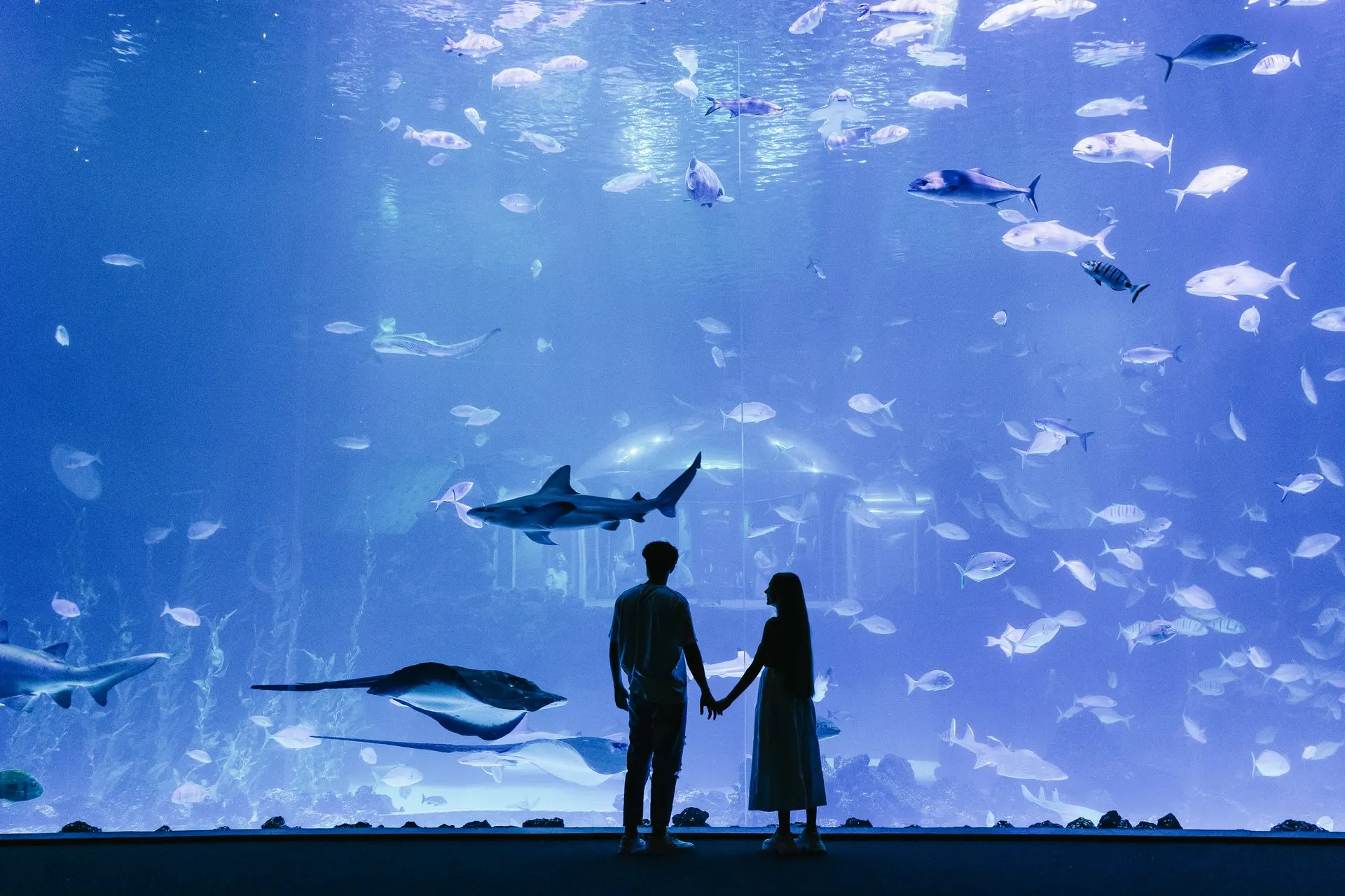 The aquarium
Poema del Mar aquarium tickets, Las Palmas
From €294.8(4,600)
 The old town, with tapas
A walk through Vegueta and Triana, with a tapa stop
From €554.7(220)
Image credits: GetYourGuide