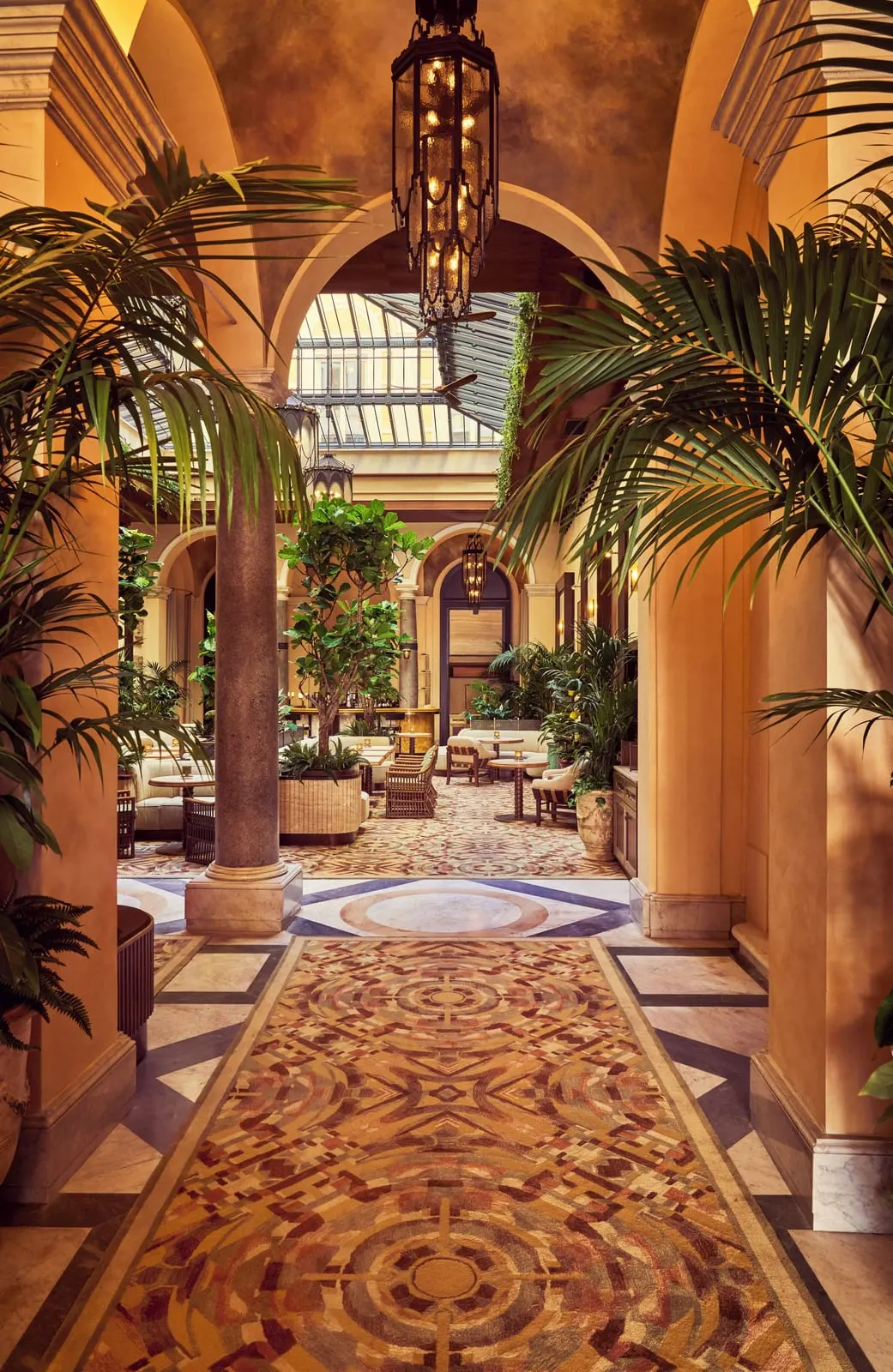
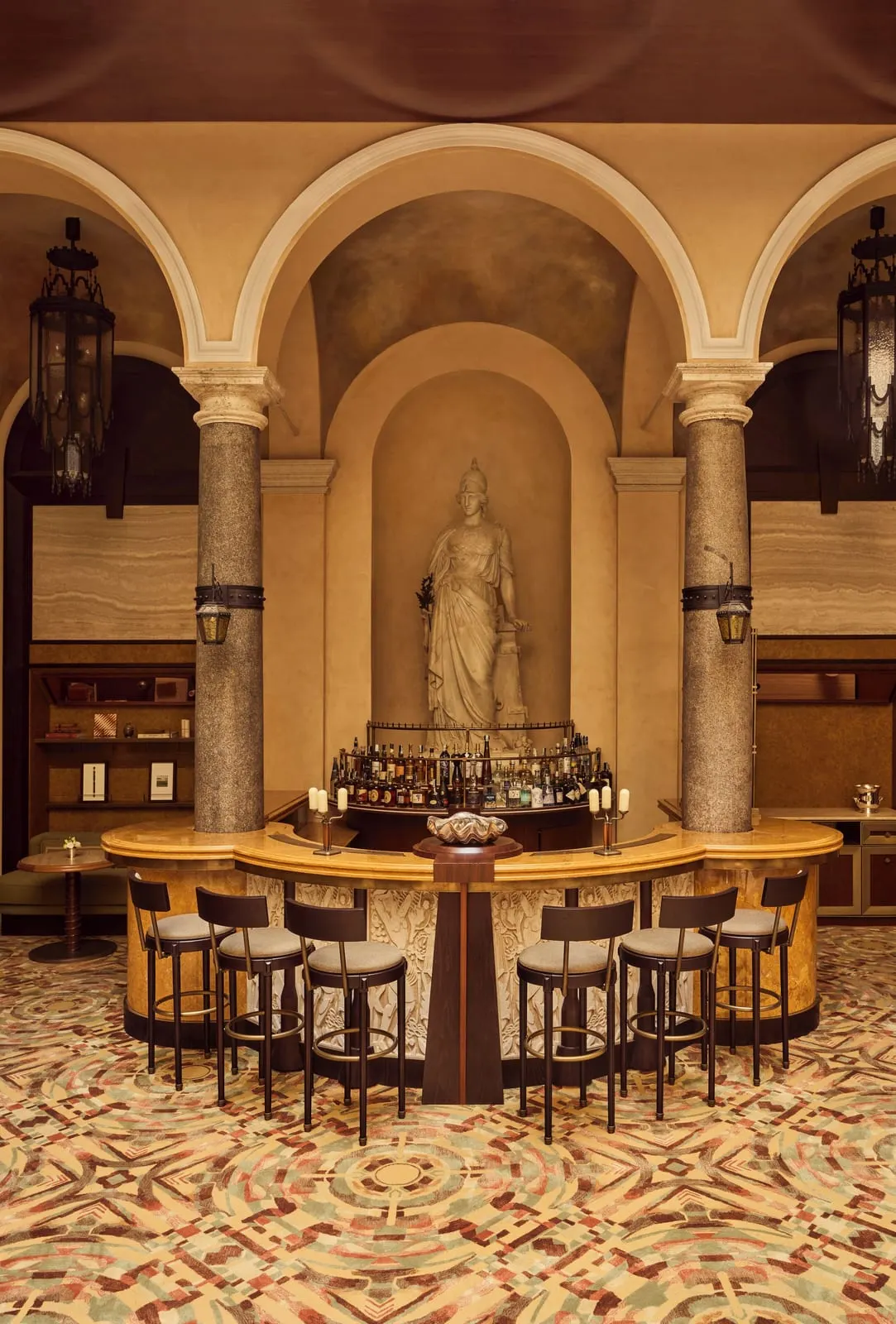
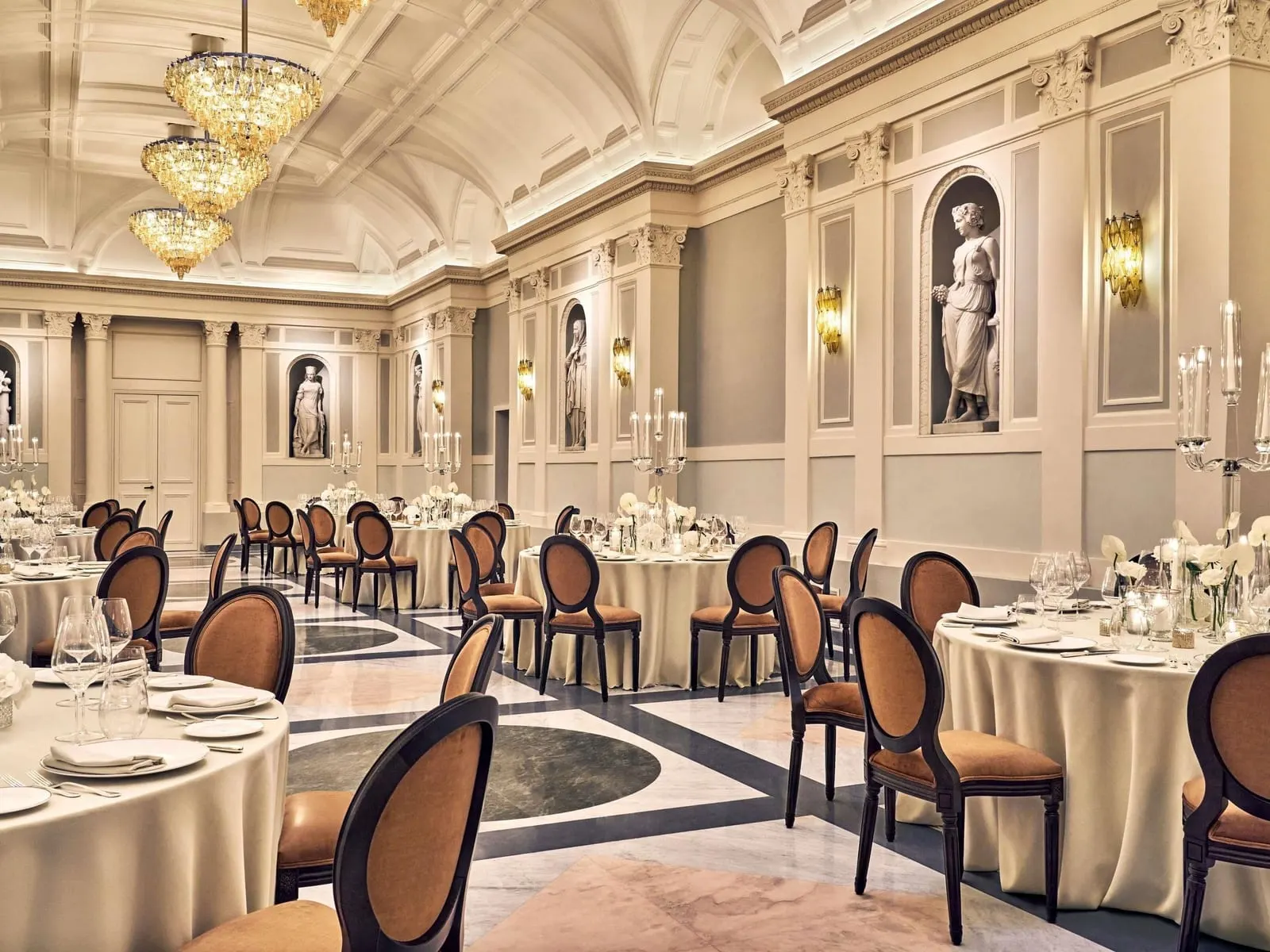
The palazzo was built in 1620 for the Portuguese Fonseca family and first took paying guests in 1811. Stendhal stayed, and a suite carries his name under its original frescoed ceiling. Arsenale Group agreed to buy the hotel from the Billi family in February 2021 and handed the restoration to the artist and architect Hugo Toro, who kept the vaulted ceilings, the marble columns and the statuary and laid an Art Deco reading of train travel over the top. Accor operates it under the Orient Express name. It reopened on 8 April 2025 as the first hotel that name has ever carried, on an island site, with Santa Maria sopra Minerva alongside and Bernini's elephant and obelisk outside the door.
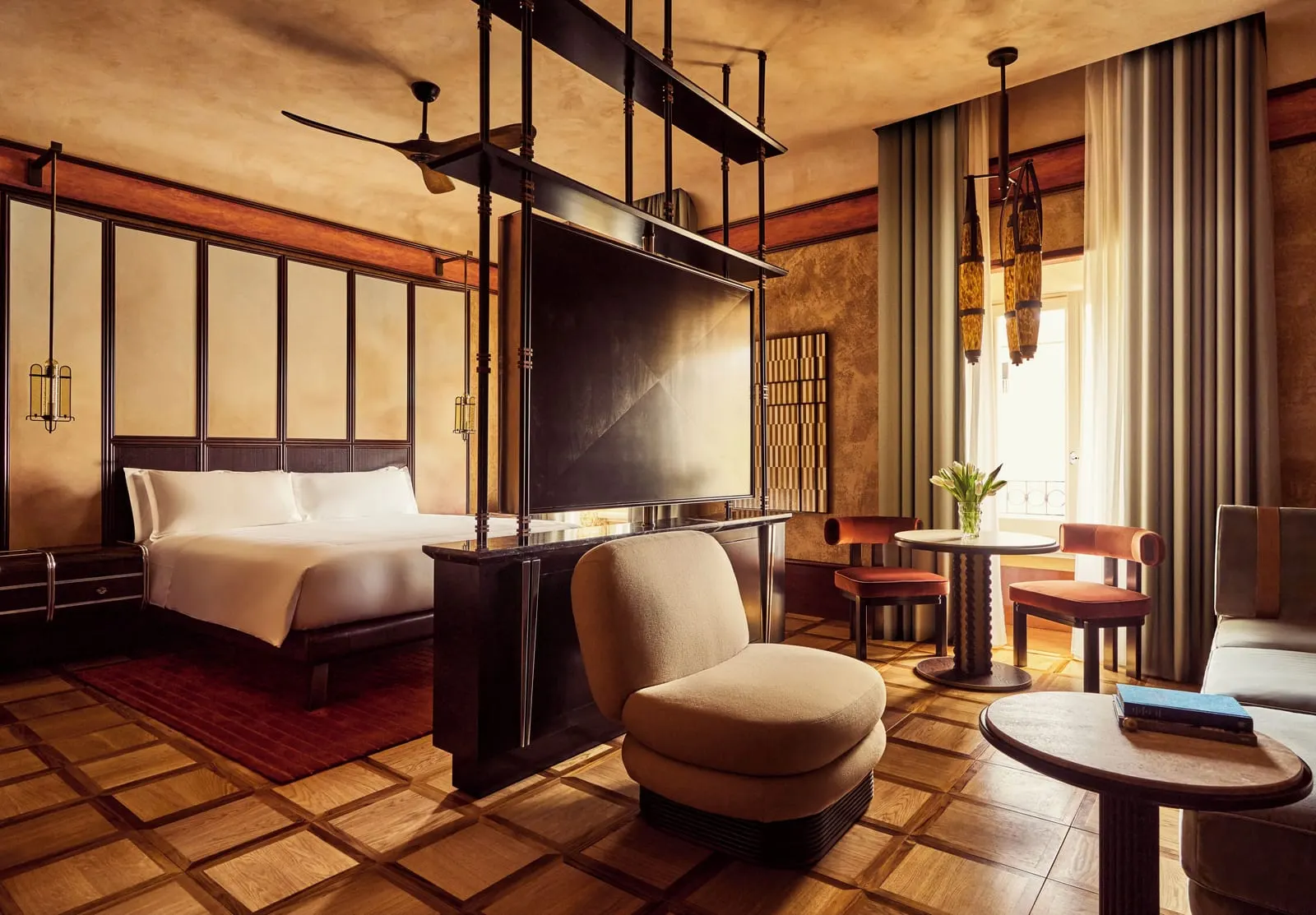
There are 93 rooms and suites, 36 of them suites. The hotel says they run from 25 to 235 square metres, although the largest it publishes is 190. The ladder is long: Classic at 25, Superior at 29, Deluxe at 35, Grand Deluxe at 41, Junior Suites in the late forties, Suites at 63, then four Signature Suites. The FAQ says rates top out at 15,000 euros a night; the hotel's own booking engine asked 23,000 for the Orient Express Suite in January 2027. Read the descriptions rather than the category names, because the Pantheon and the square are named in only five of the fourteen categories on sale, the cheapest being the 90 square metre Stendhal Suite. Bedside tables are steamer trunks, the bathrooms Rosso Verona marble, the linen Rivolta Carmignani, who supplied the sleeper cars.
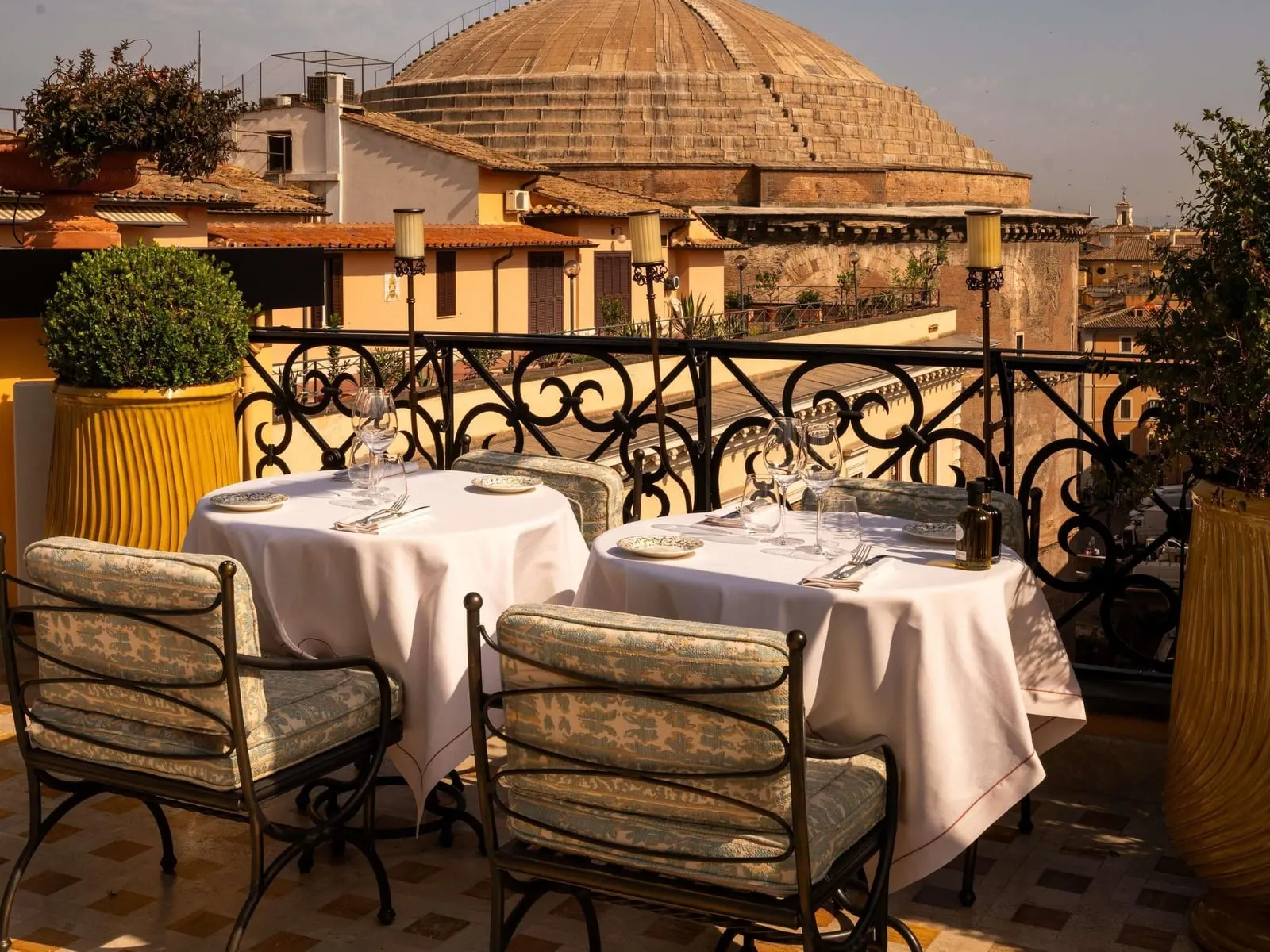
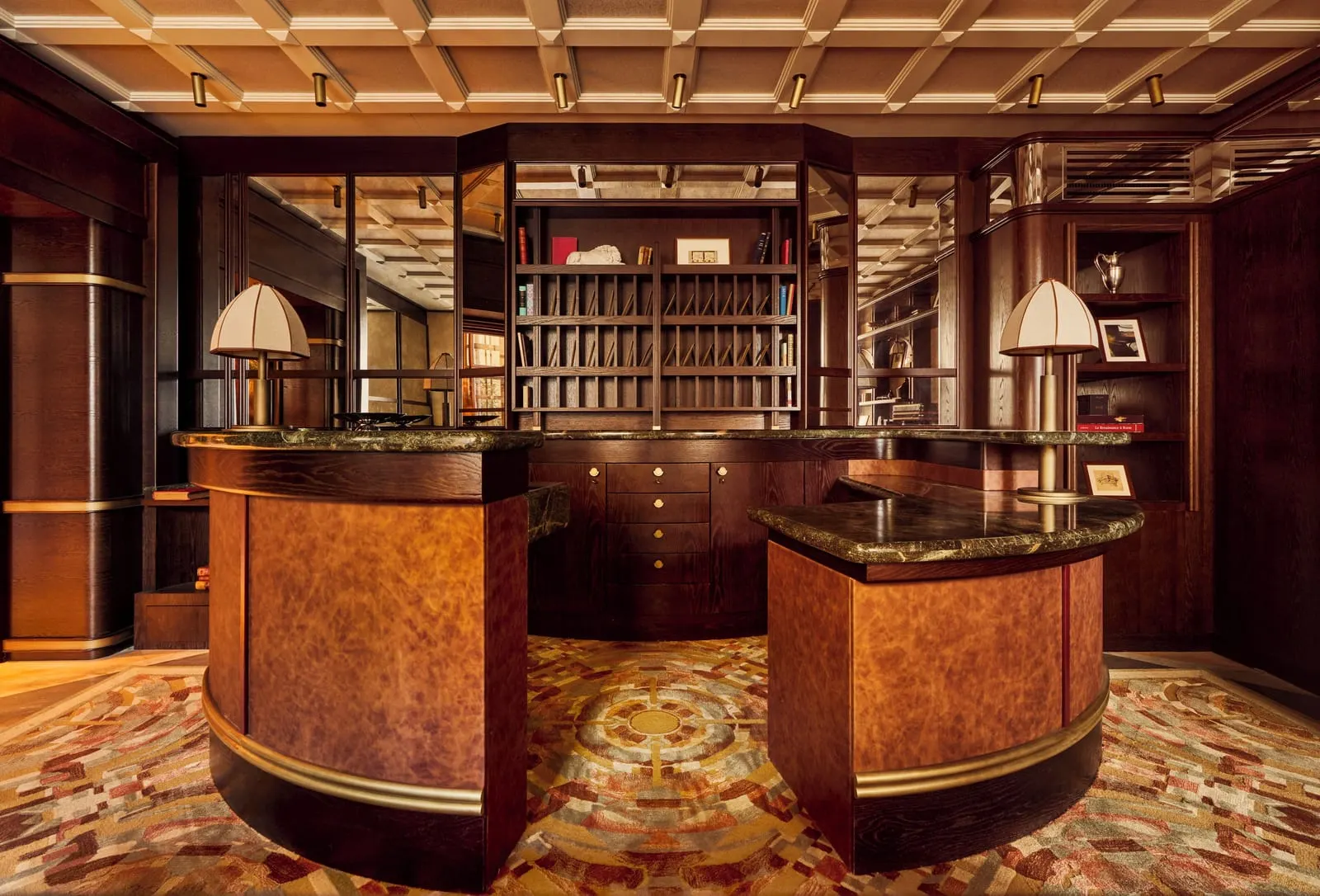
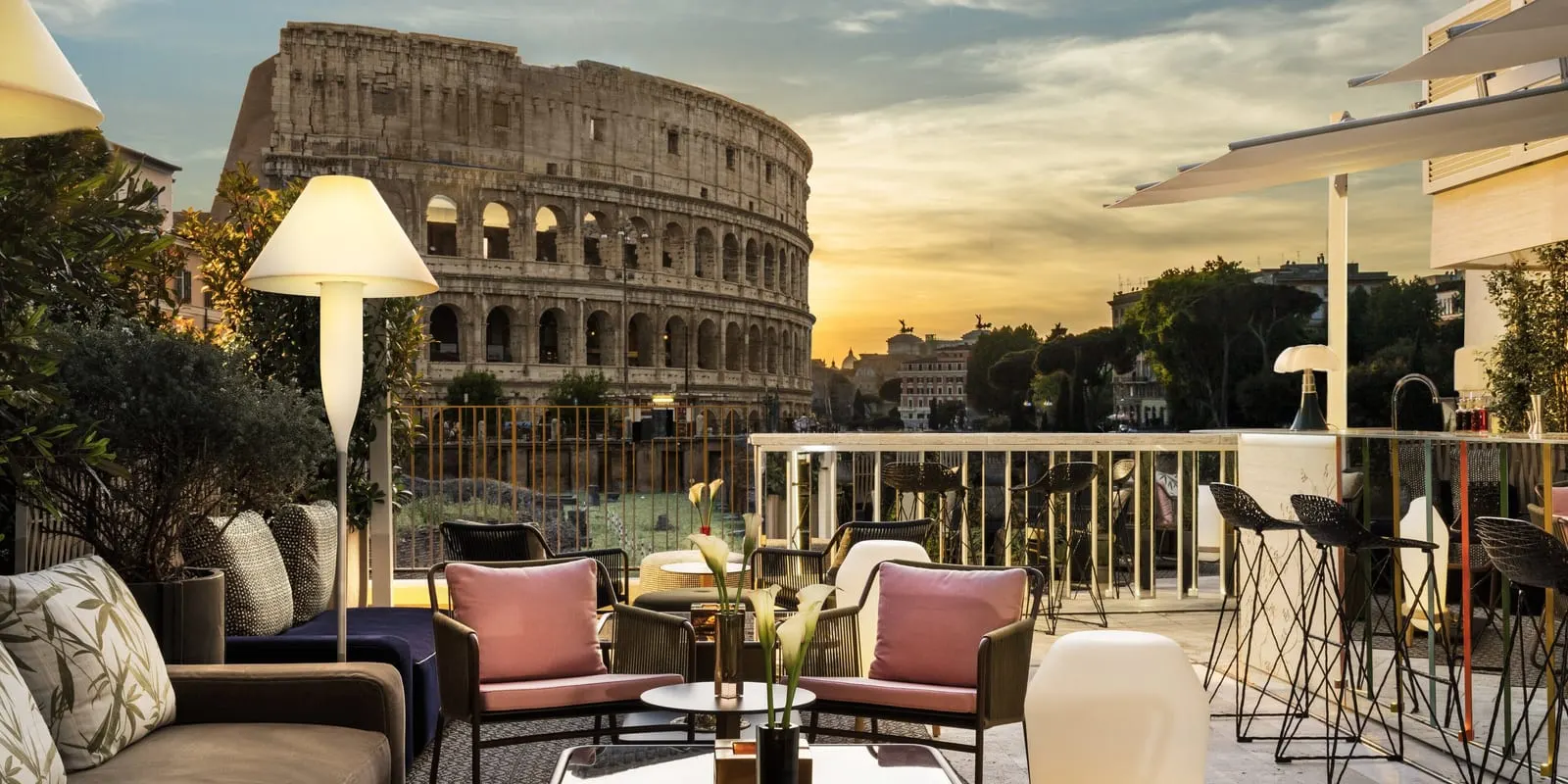
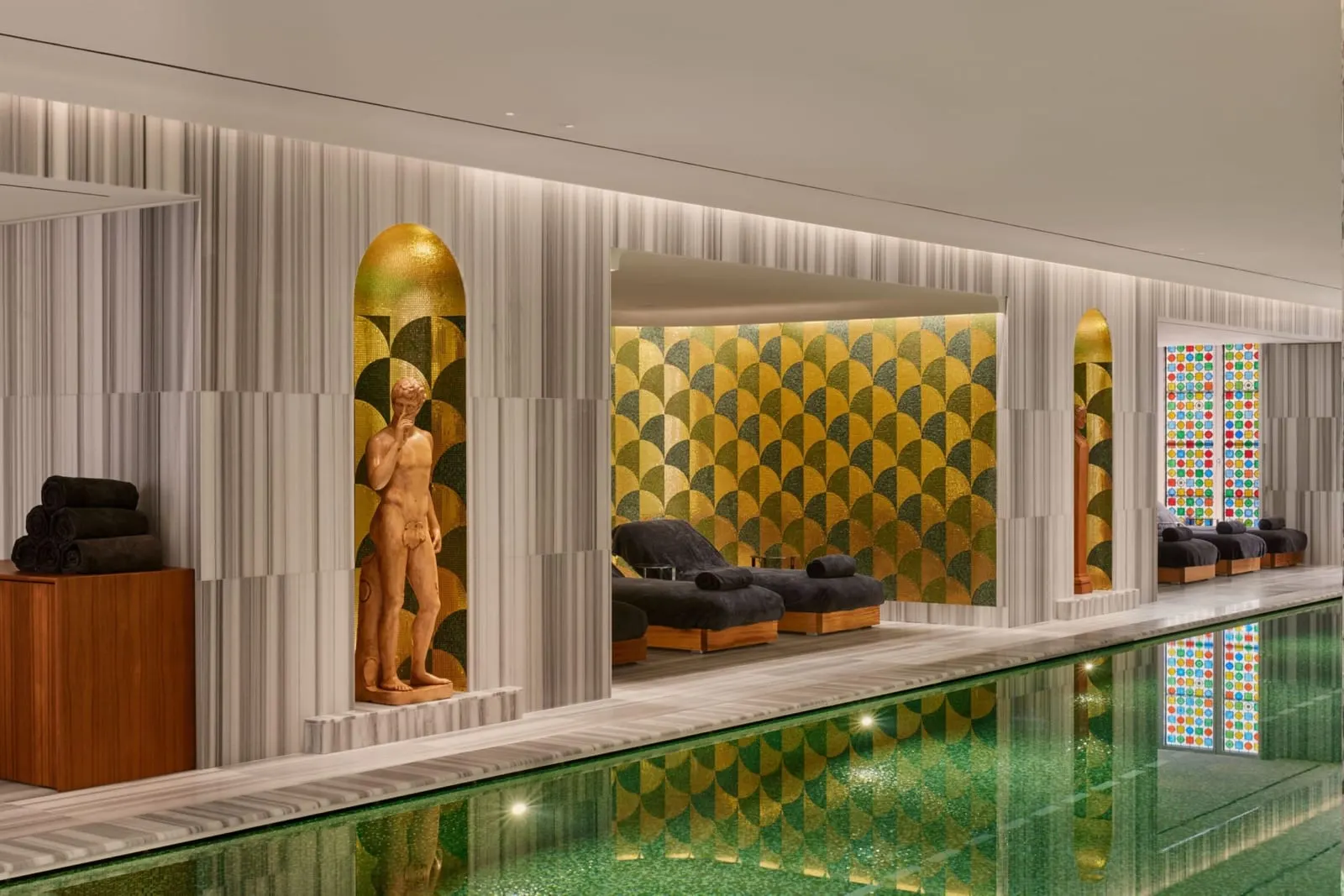
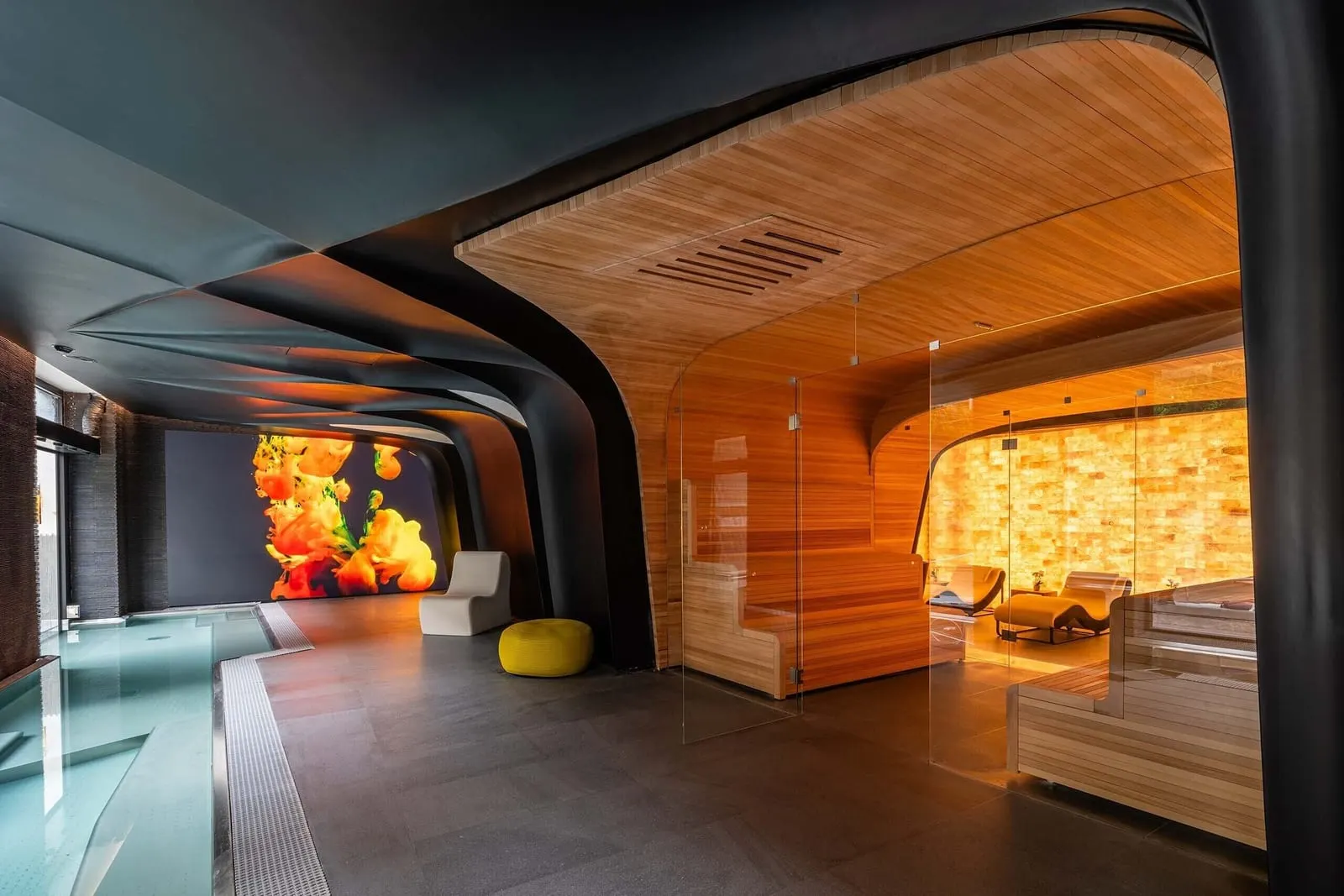
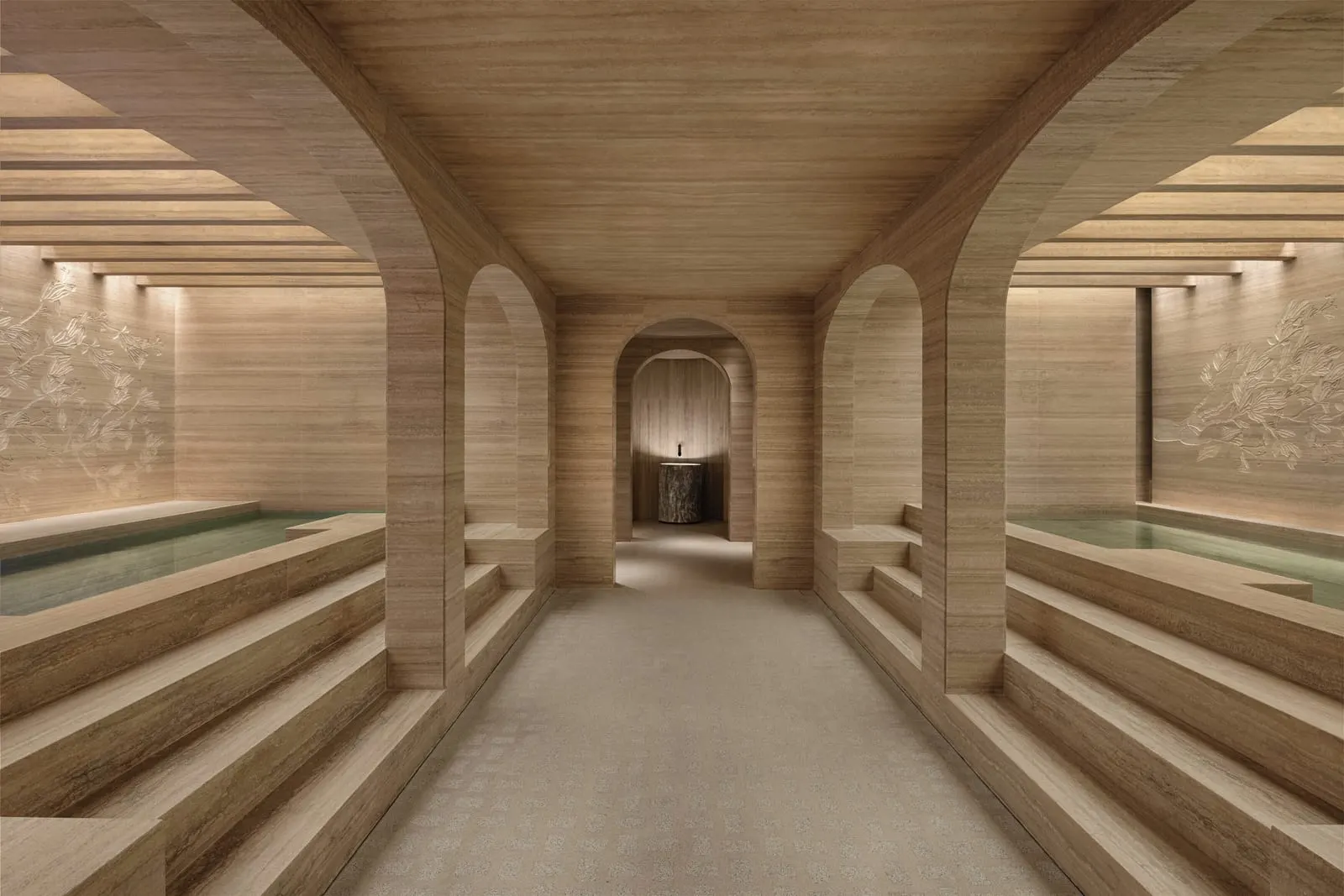
Gigi Rigolatto Roma takes the seventh floor, a Paris Society and RIKAS concept that also runs in Paris, Saint-Tropez, Dubai and Bodrum, serving lunch, aperitivo and dinner beside a fourteen-seat Bellini Bar. The hotel's own words for the view are the Pantheon's dome in the foreground with the Vittoriano and St Peter's beyond, and that is the scale to expect: the dome stands about 110 metres off and, at 43 metres to its crown, rises above a seventh-floor terrace rather than sitting level with it. La Minerva Bar works all day under the lobby skylight, and breakfast there is in the rate. A thirty-seat speakeasy hides at ground level behind two doors, and Da Vittorio of Brusaporto runs a pastry counter at the same address, though the hotel counts only two dining rooms of its own. The spa came late, in February 2026: 210 square metres underground, hammam and Turkish baths, Furtuna Skin facials, open 9.00 to 20.00 and sold as booked rituals rather than a thermal suite you can wander into. A gym and Kinesis room sit on the first floor. There is no pool. Service is what guests raise first, and they describe being handed a named contact the hotel calls a Conductor.
This is a short, expensive Rome trip in which the address does the work. The hotel advertises from 1,000 euros for a Classic Room; its own booking engine would not go below 1,105 in January, February or March 2027, before 10 euros a person a night in city tax, and asked 1,445 in May, June and July. The honest reservation is that what you are paying for is not in the entry room, and may not be in the step above it either: the Junior Suite with View costs about 80 per cent more than a Classic and is sold as a view over Rome, not of the square. If you want the Pantheon in the window rather than the hotel around it, Albergo del Senato sits on the square itself for a fraction of this. Mimi Kakushi, the Japanese restaurant announced at the opening, has still not opened.