Why the Brenner line is one of the great railway journeys
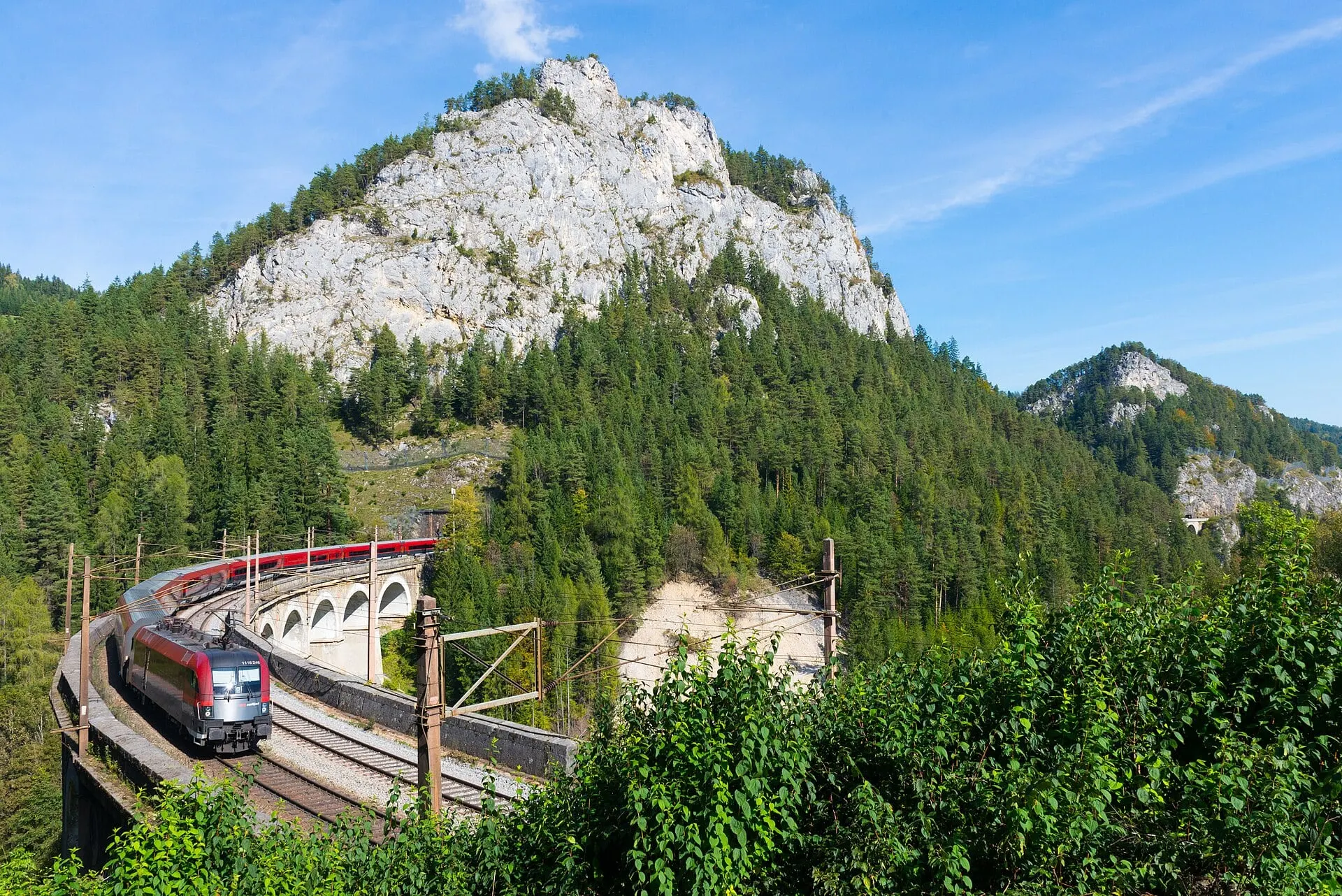
People have crossed the Alps at the Brenner since the early Bronze Age, around 1700 BC, because it is the lowest way over the main ridge. The railway was built between 1860 and 1867 and opened on 24 August 1867, and it still climbs over the pass in the open air, with no summit tunnel. To gain height on the Austrian side it leaves the valley floor at St. Jodok, swings round the village in a great loop and curls back through a 481 m horseshoe tunnel, on gradients of up to 26 per thousand.
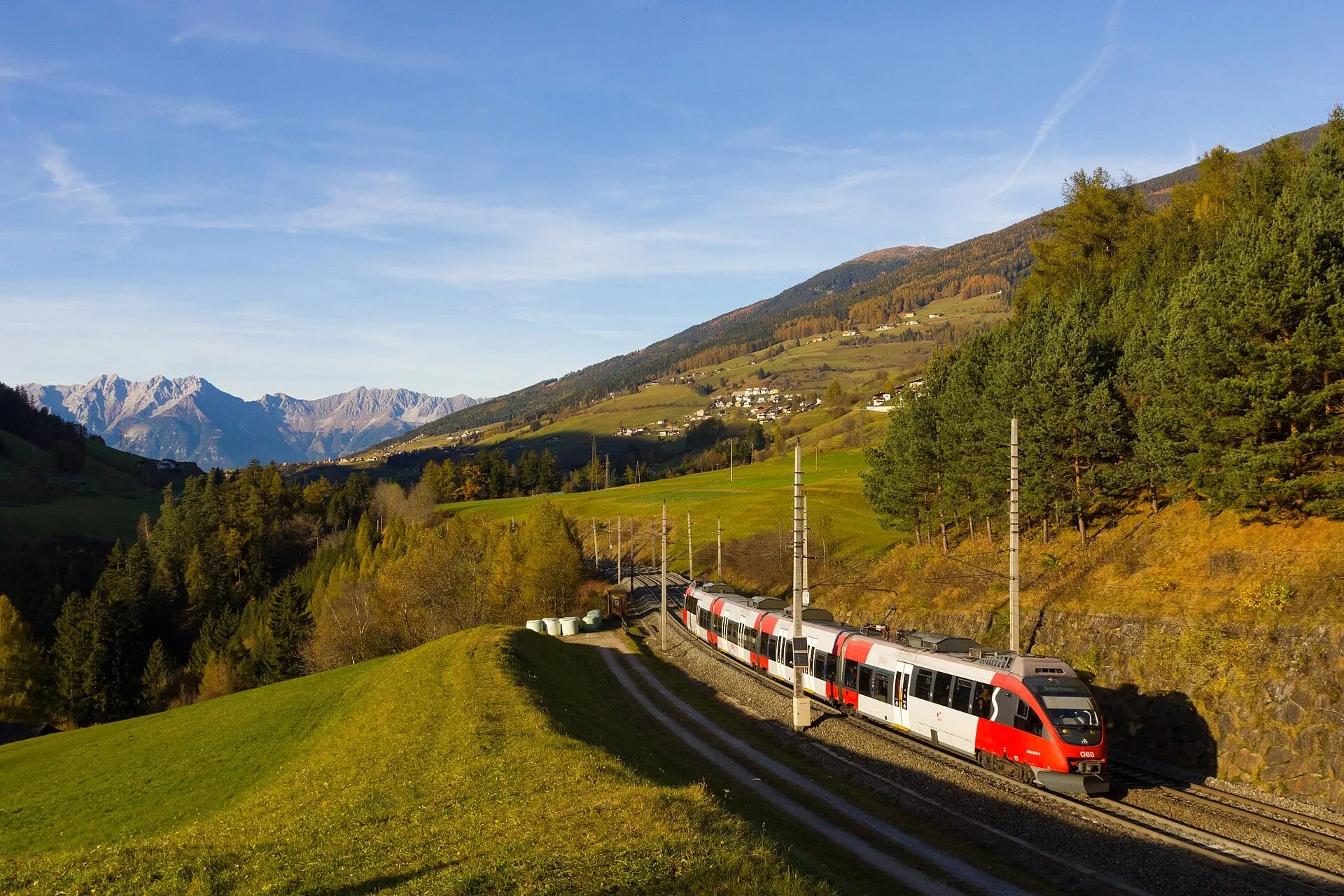
The reward is a day that changes country, language and climate. Bavaria gives way to Tyrol at Kufstein; at the Brenner the station signs turn bilingual; south of the pass the Eisack cuts down to Brixen and Bolzano, where vines grow from 200 to 1,000 m and South Tyrol's 4,800 or so growers work about 5,860 hectares. Below Salurn the valley opens into Trentino and the Adige carries the line on to Verona, a World Heritage city since 2000.
It is also a line with a deadline. Under it, the 55 km Brenner Base Tunnel runs from Innsbruck to Fortezza at no more than 790 m above sea level, 580 m below the pass, and both main tubes broke through at the border on 28 July 2026. When it opens, a passenger train will take 25 minutes from Innsbruck to Fortezza instead of 1 hour 20. The last opening date announced is 2032, and the tunnel company is due to publish an updated programme in late autumn 2026. Until then, every through train still goes over the top.