Why the Douro line is one of Europe's great rail journeys
Before the railway, the wine of the upper Douro reached Porto by bad roads or by the river itself, a hard and dangerous passage. Work on the line began in 1875 at Ermesinde, outside Porto. The first train reached Régua four years later, and Pinhão in 1880, which was meant to be the end of the line. Pressure from Porto's merchants and from Dona Antónia Ferreira, the great figure of the Port wine trade, pushed it on up the valley: Tua in 1883, then Barca d'Alva and the Spanish frontier in 1887, with through running to Salamanca. The section beyond Pocinho closed in 1988, and the line today is 172 km long with 37 stations and halts.
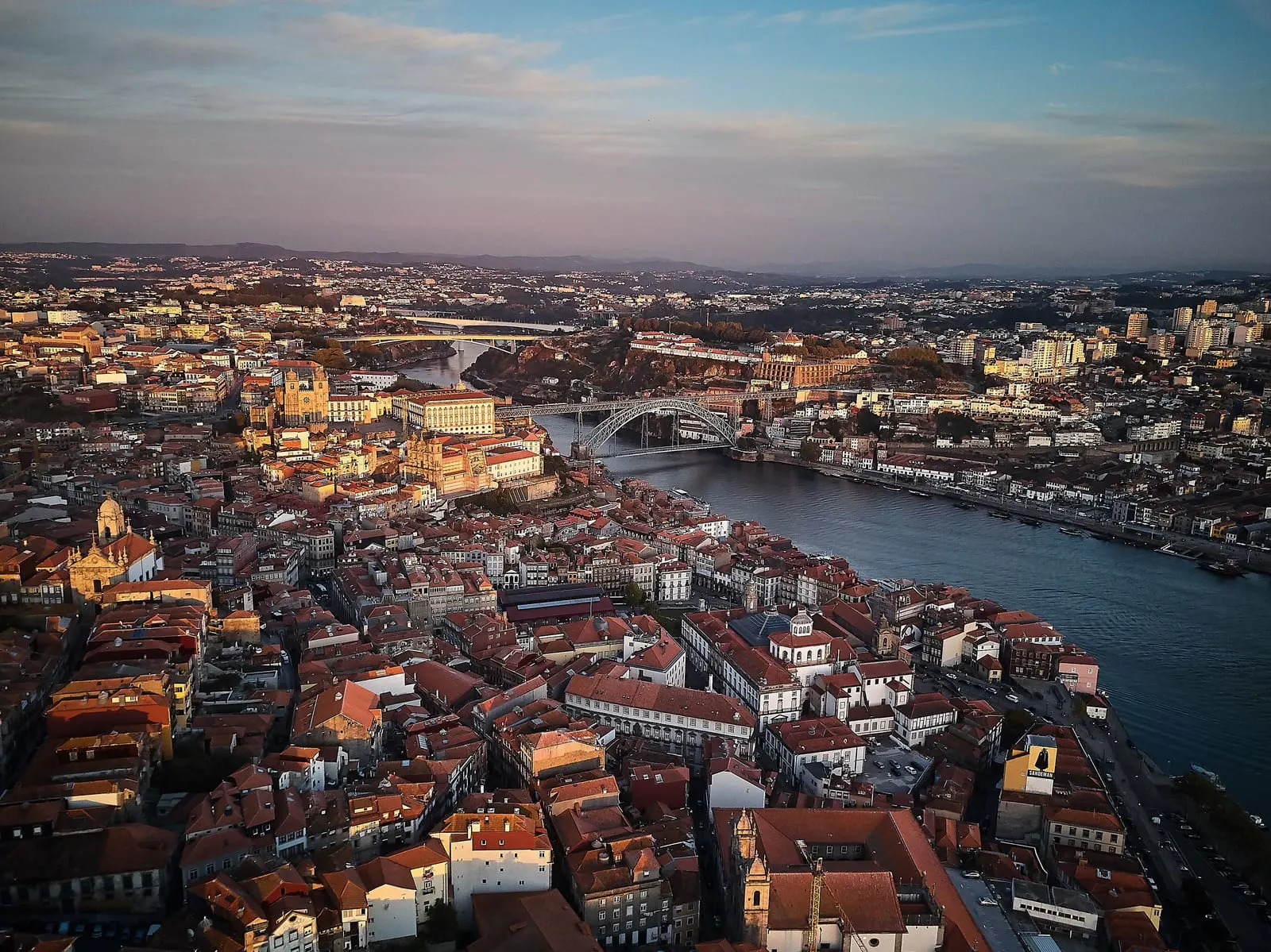
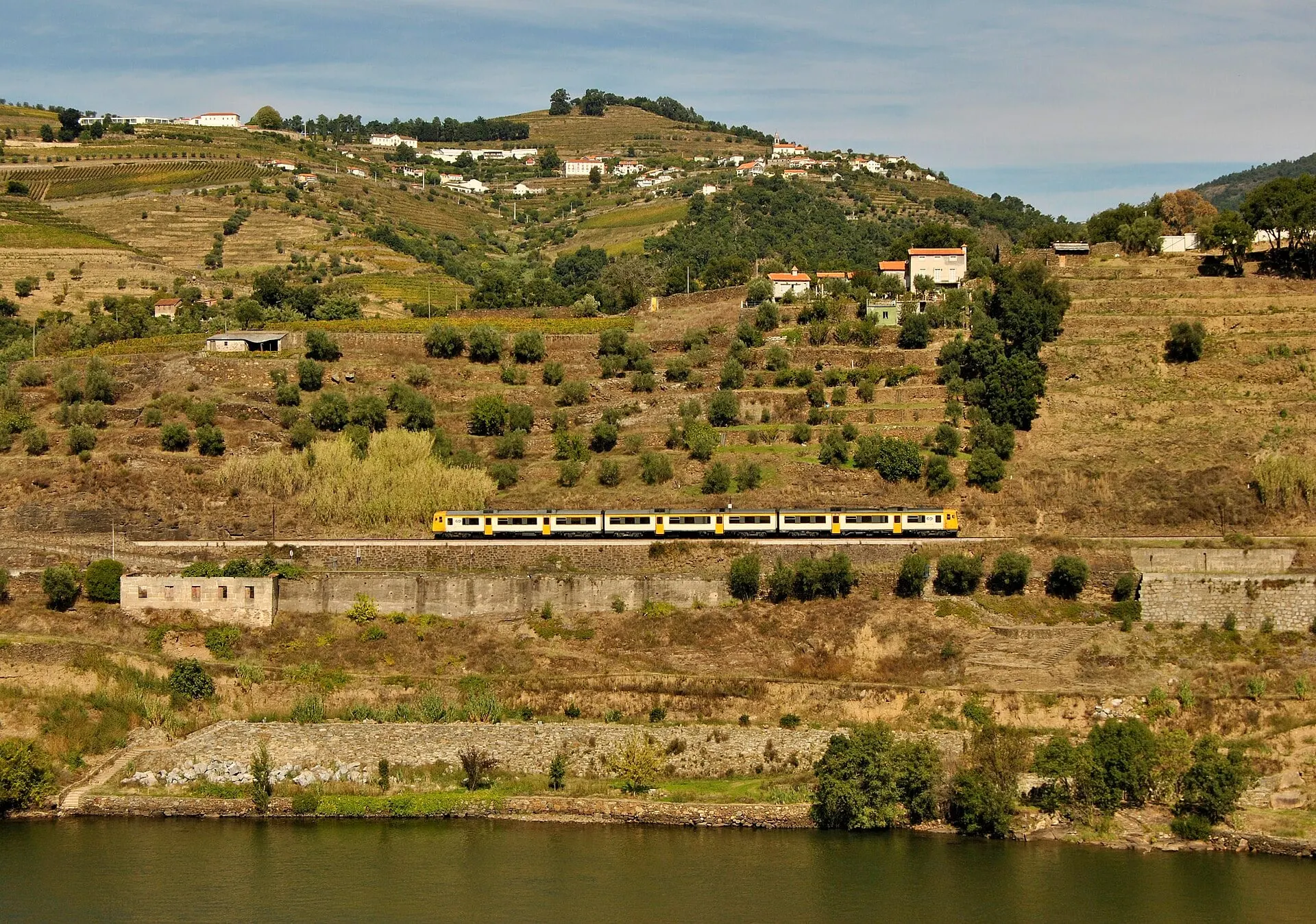
What it runs through is the reason to go. UNESCO inscribed the Alto Douro Wine Region as a World Heritage Site in 2001, 24,600 ha of a landscape where wine has been made for some 2,000 years: terraces, quintas, villages and chapels, all of it shaped by the vine. CP calls it the oldest demarcated wine region in the world. The line follows the river for most of the way, and from Régua to Pinhão and Tua it runs so close to the water that the terraces seem to start at the window. It passes through all three of the Douro's wine sub-regions, Baixo Corgo, Cima Corgo and Douro Superior, and it starts in a second World Heritage Site, the historic centre of Porto.
The best part is that no special train is needed. The regular InterRegional services do the whole run, and the ones sold as MiraDouro use restored Swiss Schindler carriages from the late 1940s and Sorefame carriages from the early 1970s, both with windows that open, at the normal fare.