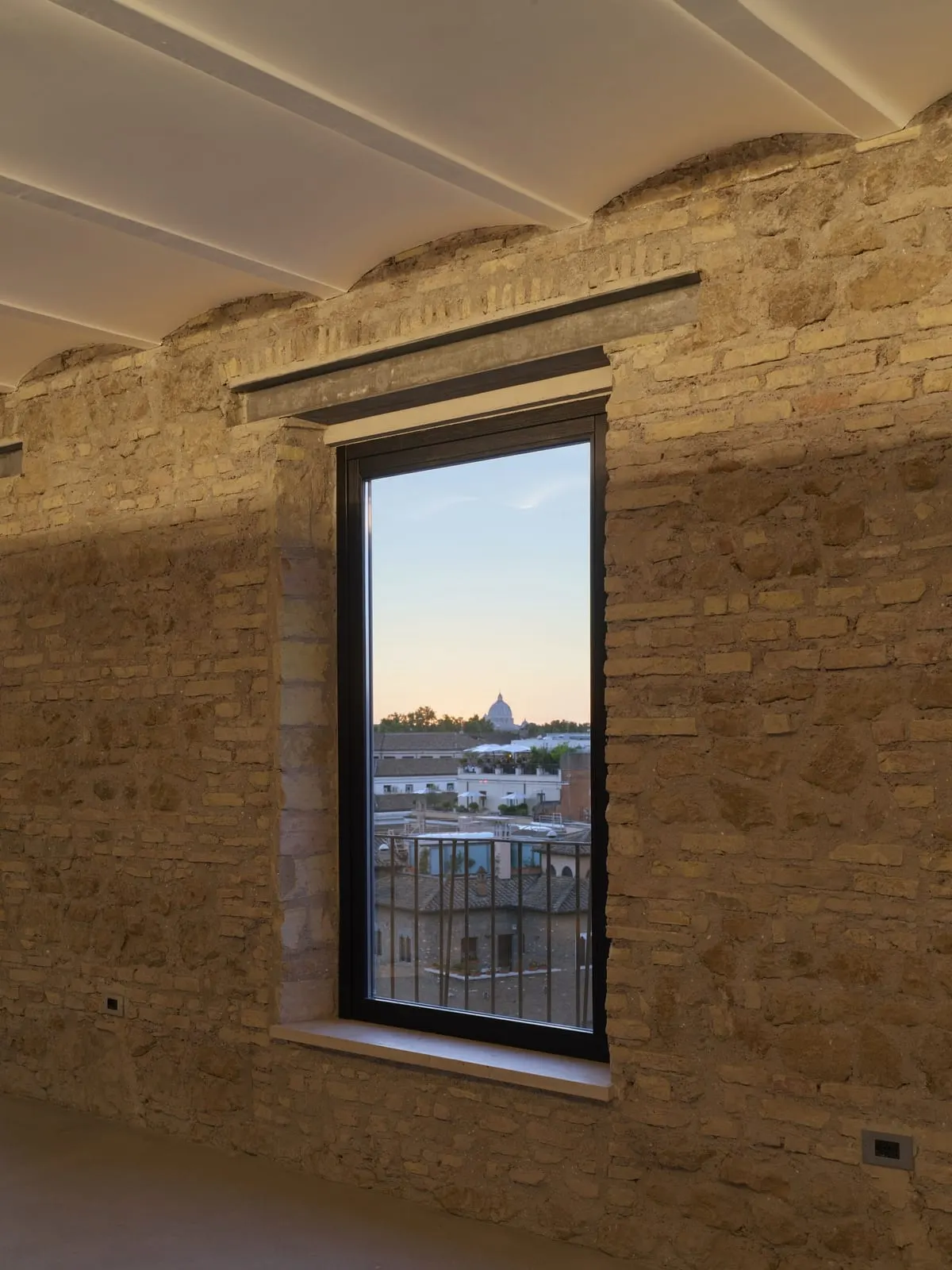
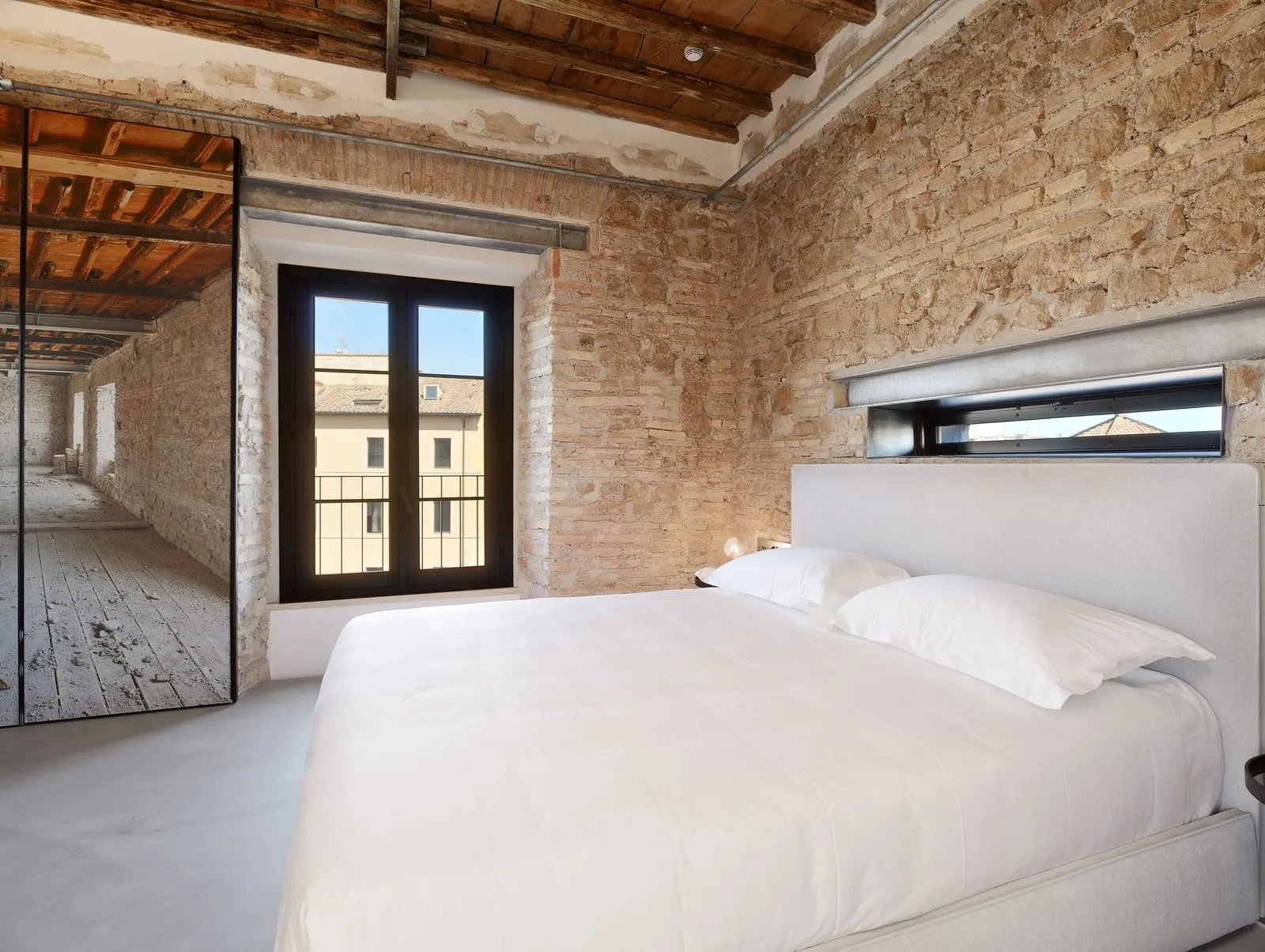
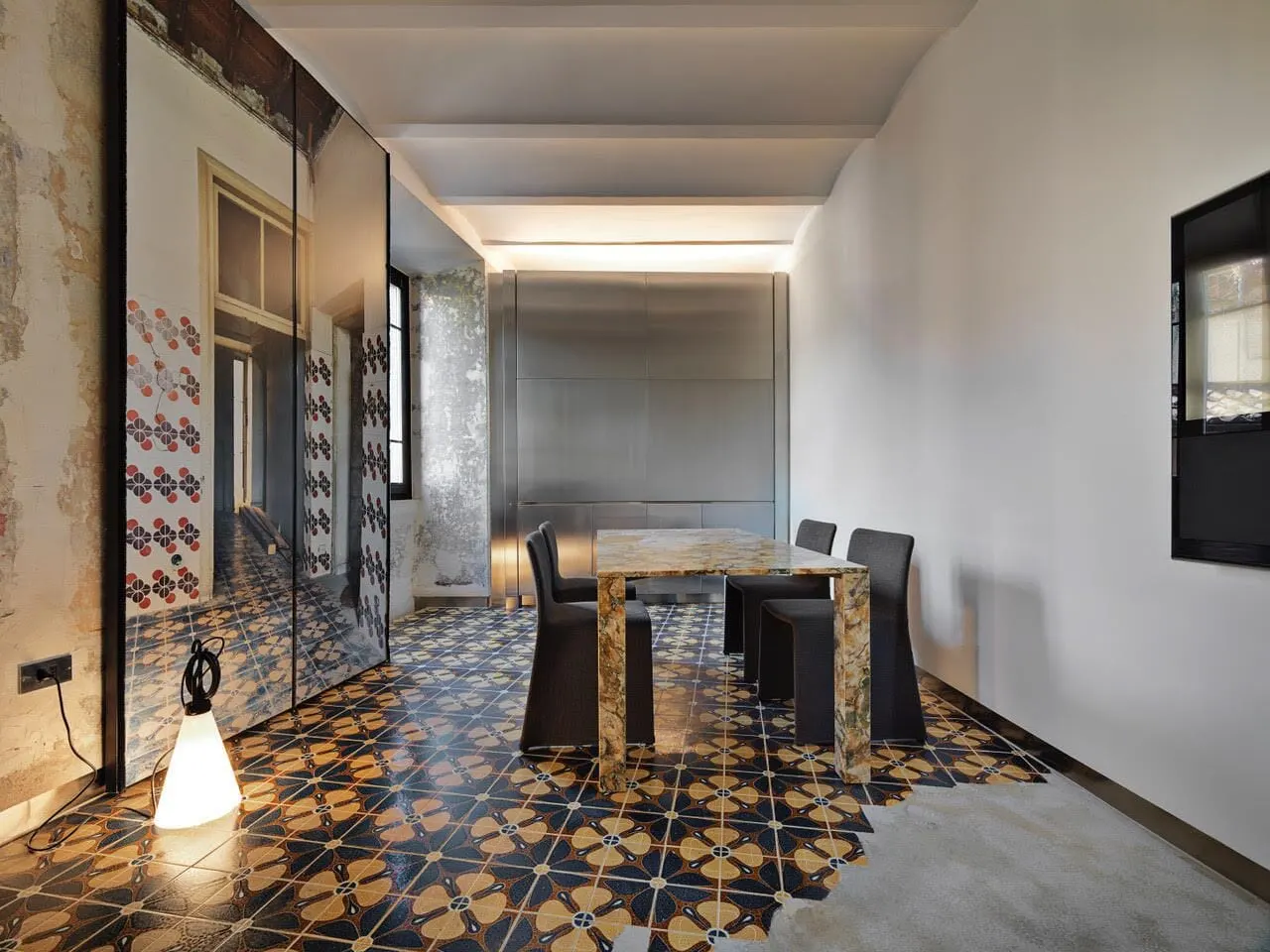
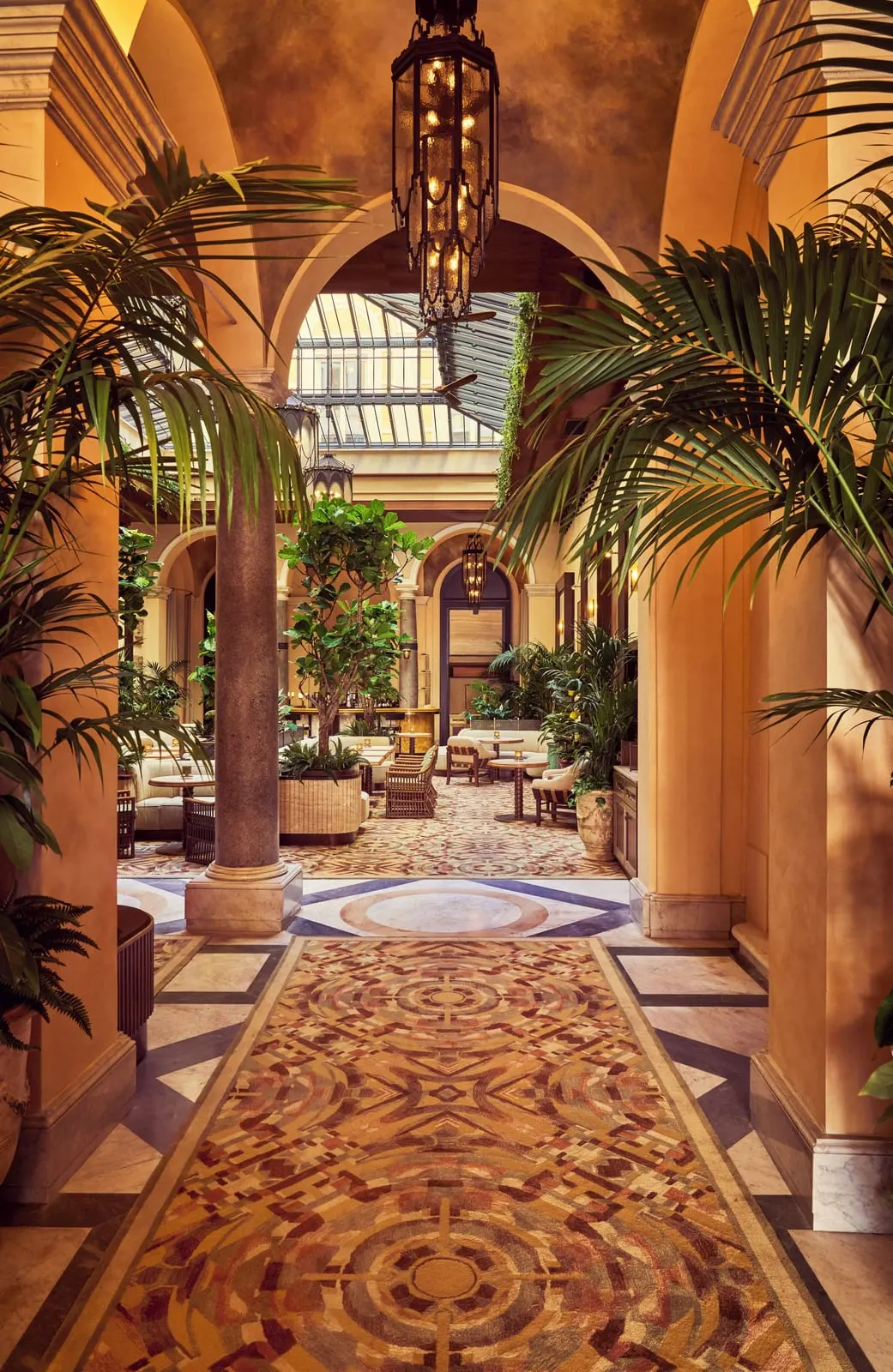
The palazzo stands on Via del Velabro, about forty metres from the Arch of Janus, and is three older buildings joined. The oldest core is 17th century and is on Falda's 1676 map of Rome, the present plan was set during the 18th, and the block was raised through the 19th to reach its current height in the early 20th, which is why Expedia's own copy calls it an early 20th-century building. Calling it a 17th-century palazzo, as most write-ups do, flatters it. Rome carries it in the Carta della Qualità but puts no specific heritage constraint on it. Jean Nouvel worked on it from 2012 to 2018 for the Fondazione Alda Fendi Esperimenti, and it opened in October 2018: six floors, 2,800 square metres, part gallery and part apartments. It trades as Rhinoceros Roma, and the Rooms of Rome name Michelin still prints dates from the Room Mate operation at launch. Nouvel's decision was to leave most of what he found. Flaking plaster, battered floor tiles and bare concrete stay exposed, and the new work arrives as stainless steel boxes, set in as small buildings within the building, that open and close over kitchens, bathrooms and wardrobes, with two internal light shafts the foundation calls the courtyards of the sun and the moon. A life-size fibreglass rhinoceros by Raffaele Curi, the foundation's artistic director, was set under the Arch of Janus for the October 2018 opening and gave the building its name. It is not there now. Wind knocked it over within weeks and it was taken indoors to protect it, so it stands inside today, either in the ground-floor gallery or up on the roof terrace depending on what is showing.
There are 24 apartments, sold as Superior, Deluxe, Suite and Master Suite, and every one has a full kitchen, which is the point. The hotel's own figures put the Superior at 37 square metres, the Deluxe at 41, the Suite at 47 and the Master Suite at 68, with the largest running to 78. Its own engine sells seven configurations, two of them single French-bed versions, and none sleeps more than three. Windows give onto the Arch of Janus, the church of San Giorgio al Velabro or the Palatine, depending on the flat. Several bathrooms are stainless steel floor to ceiling with no window. There is a lift, a step-free entrance and a staffed desk, but no lobby in the usual sense: you come in past the gallery, free every day from 11am to 7pm across six floors, and go up.
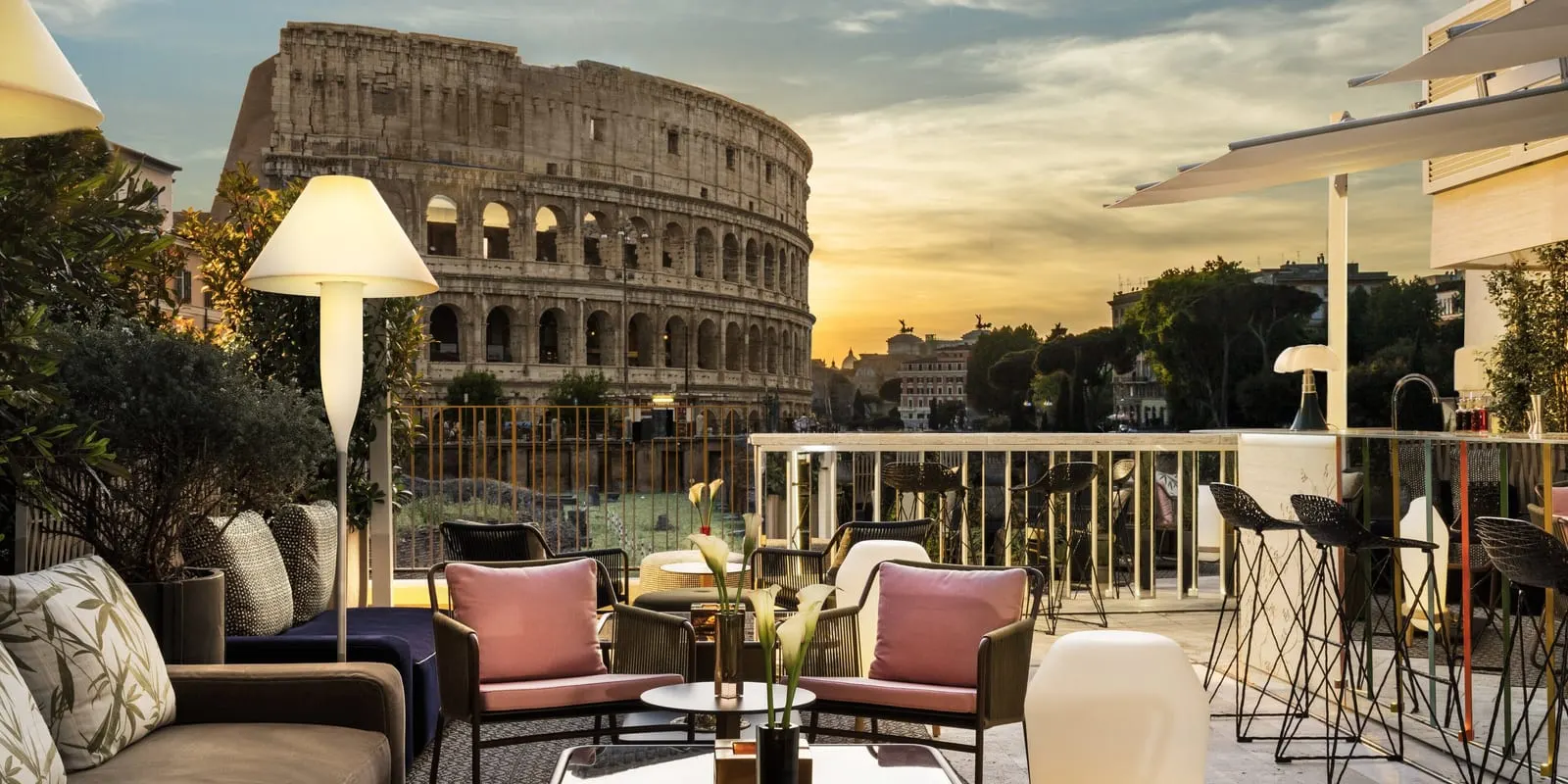
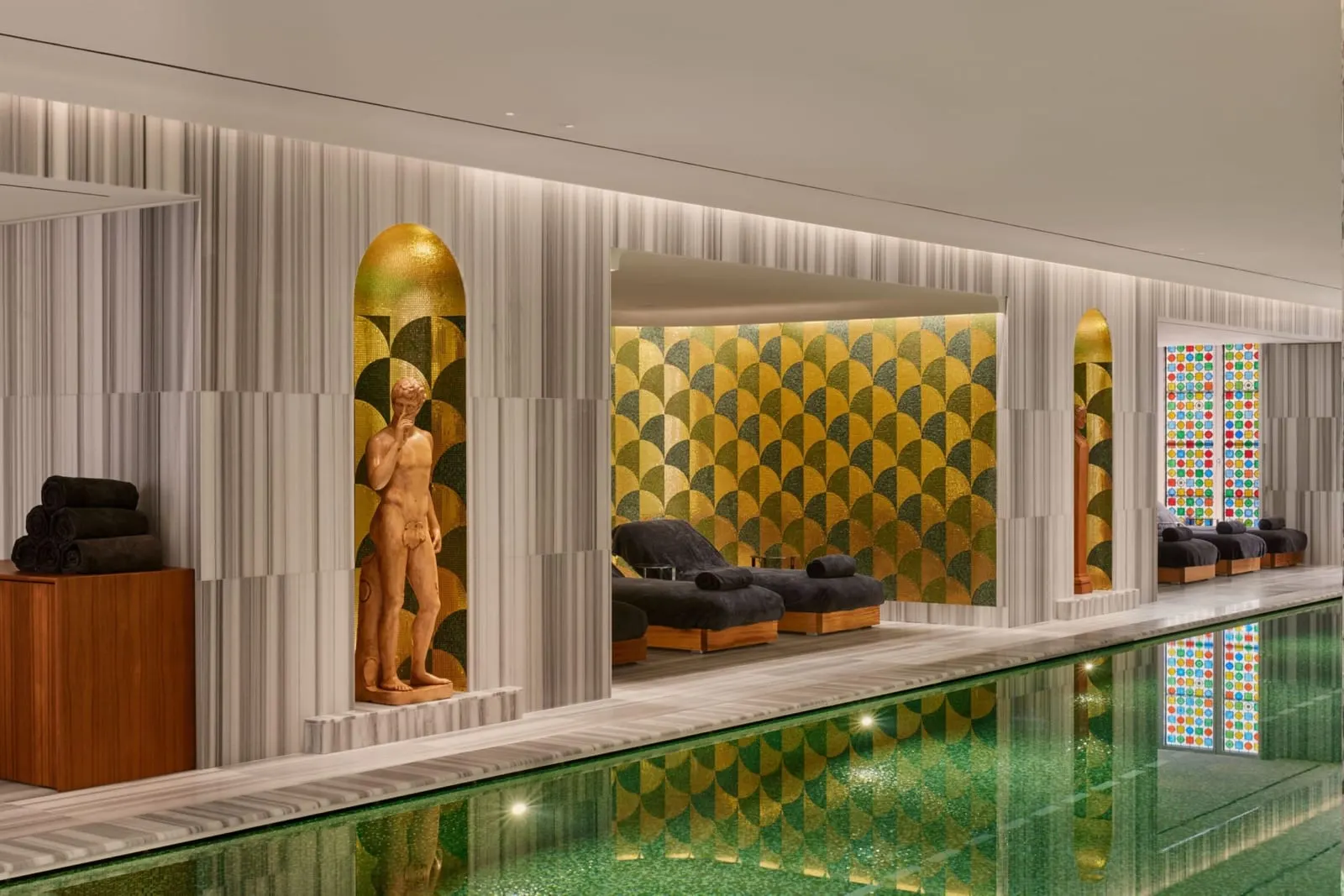
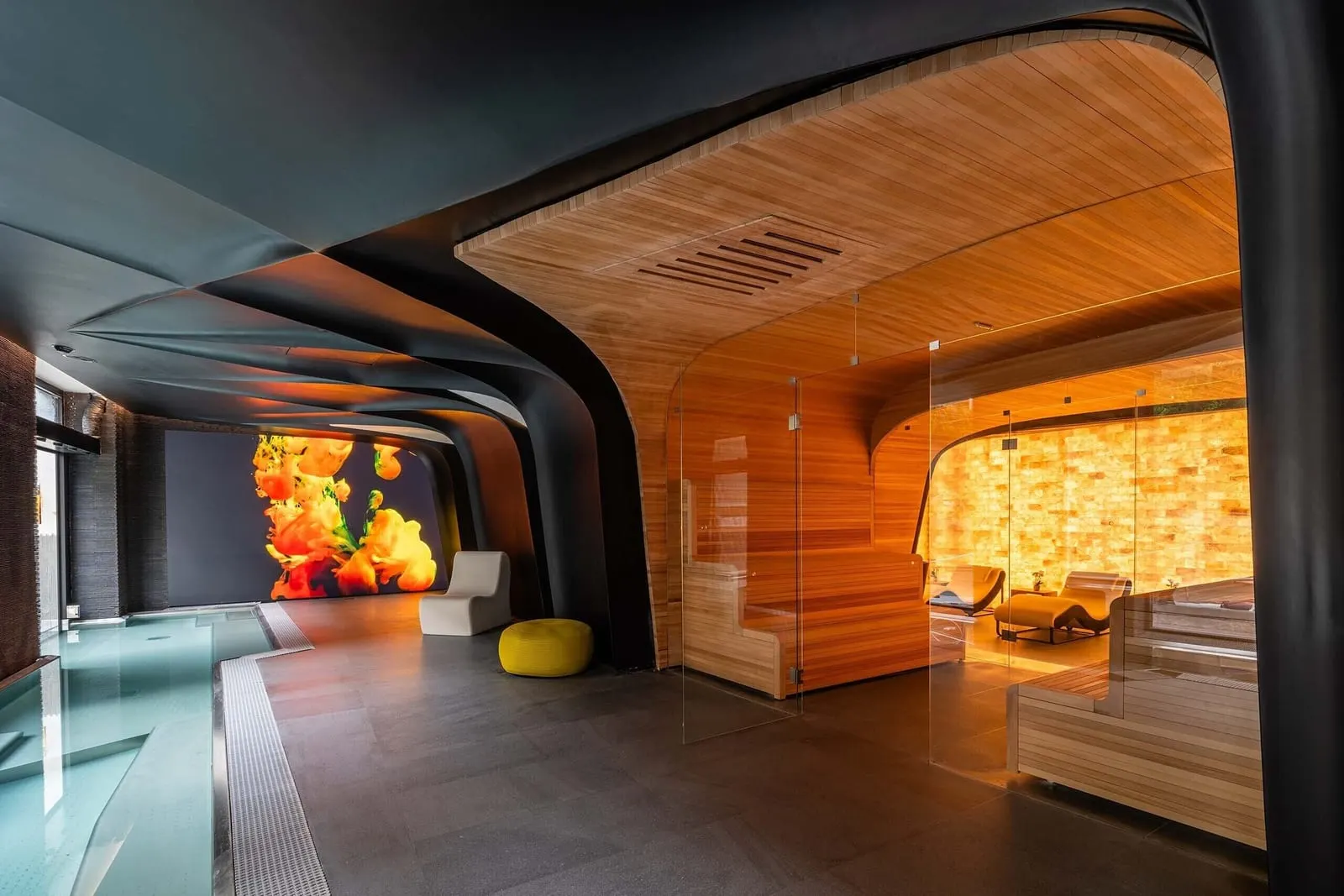
The food has changed hands twice. The roof opened in 2018 with Caviar Kaspia, ran from 2023 under the Manfredi group, and since 19 April 2026 has been Retrobottega, the kitchen Alessandro Miocchi and Giuseppe Lo Iudice ran on Via della Stelletta until March 2026. Michelin carries it in the 2026 Italy selection as a Plate, not a star, at a single communal table split between indoor room and terrace. Rates are sold as bed and breakfast, but breakfast is not a room you go down to: the kitchen is stocked with fruit, bread, yoghurt, coffee and milk and topped up daily, and the roof serves its own breakfast from 8.30am to anyone who walks up. There is no spa, no pool and no gym. Instead there is a small team that answers on WhatsApp, books tables and will send a chef to cook in the apartment for a fee.
Take it if the building is the reason for the trip, and if a kitchen and 40 to 70 square metres matter more to you than a spa or a served breakfast. It reads best on a long stay and badly as a conventional five star, and reviewers who came expecting one say so plainly. If you want a wellness floor at this money, Six Senses Rome has one and this does not; for an architect-led hotel with full hotel machinery, that is ROMEO Roma. The honest reservations are the street, dead after dark, the rooftop bar sitting directly above the top apartments, and extra beds that are futons at 75 euros a day.