Why this short crossing is one of the great ones
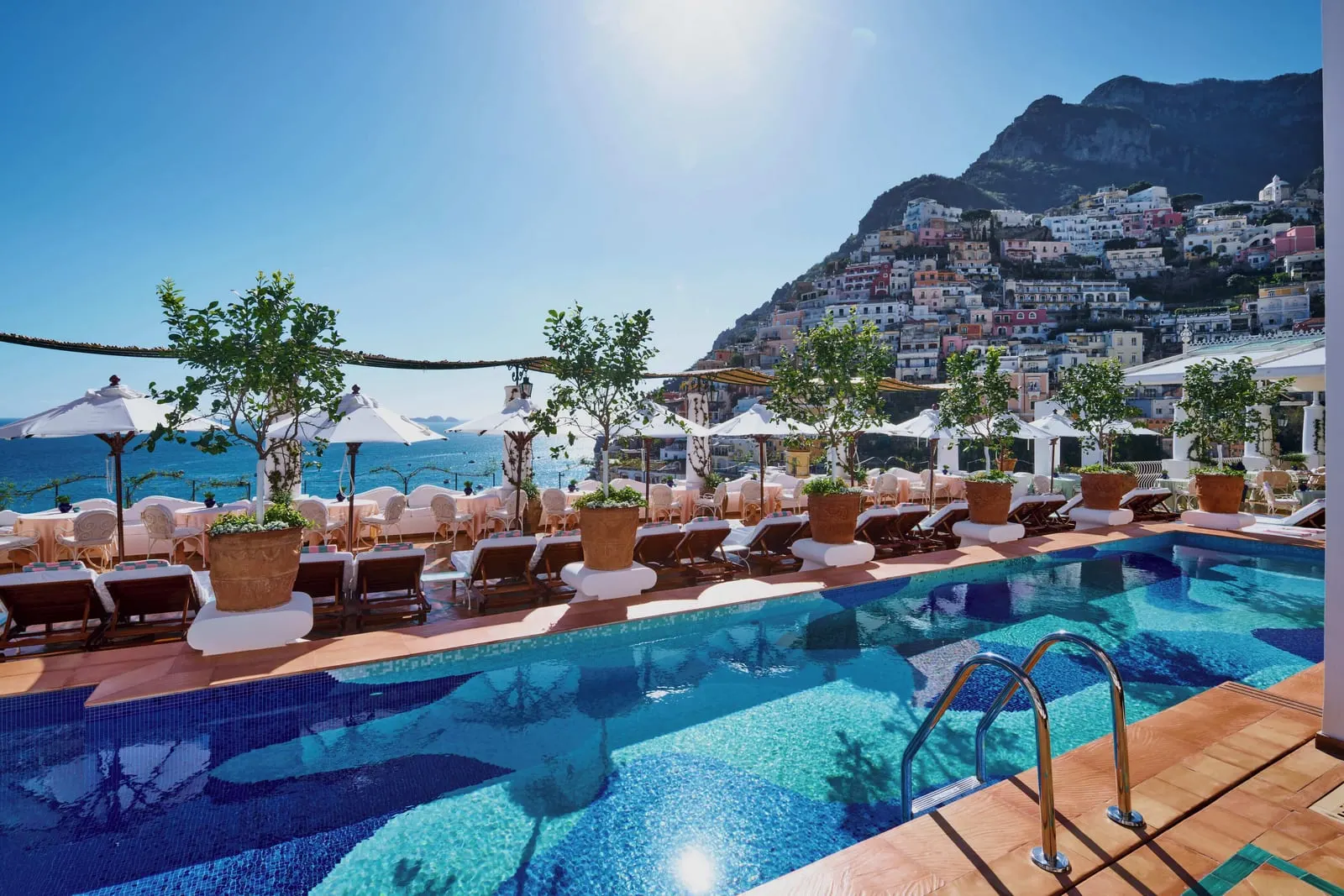
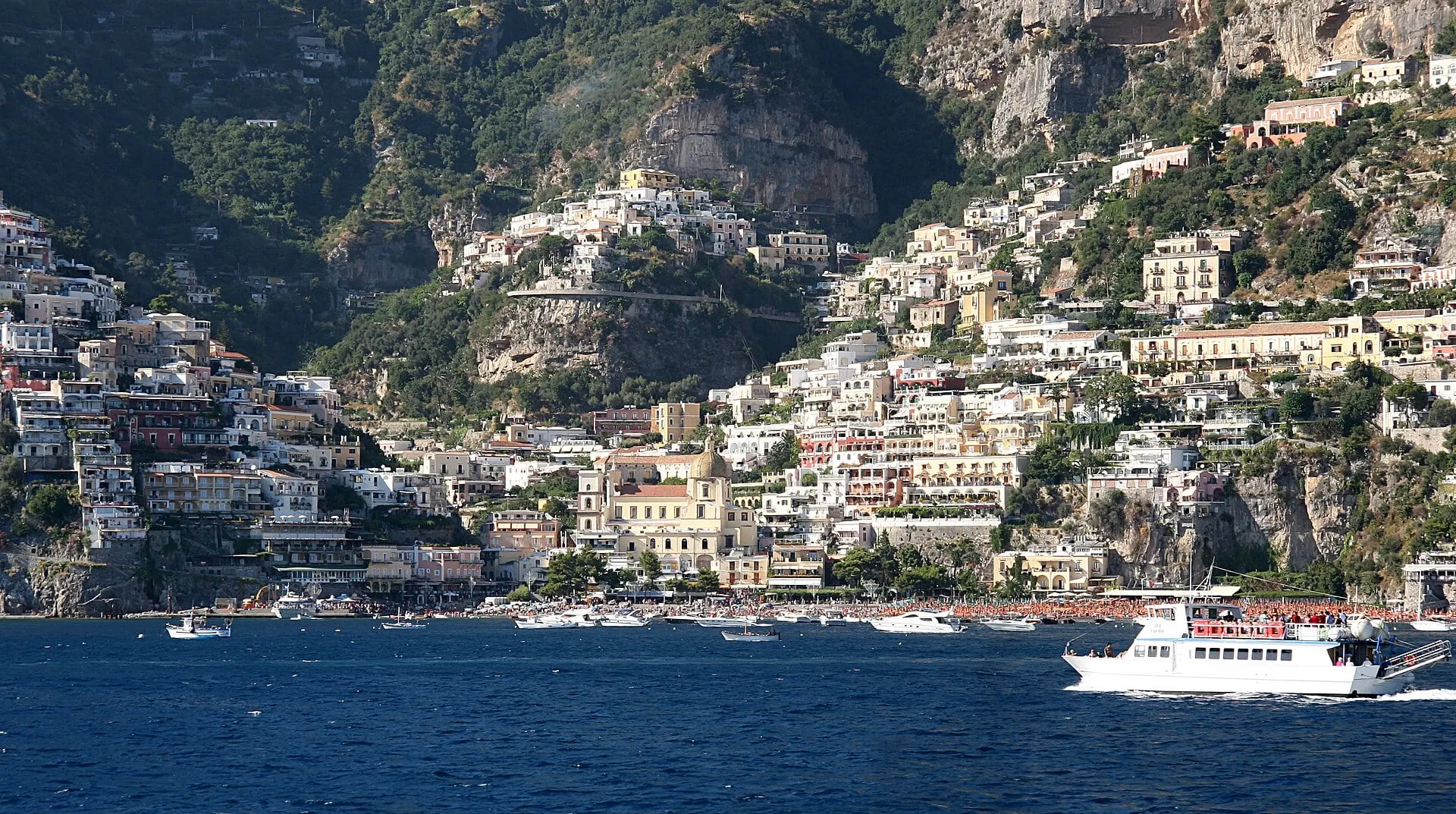
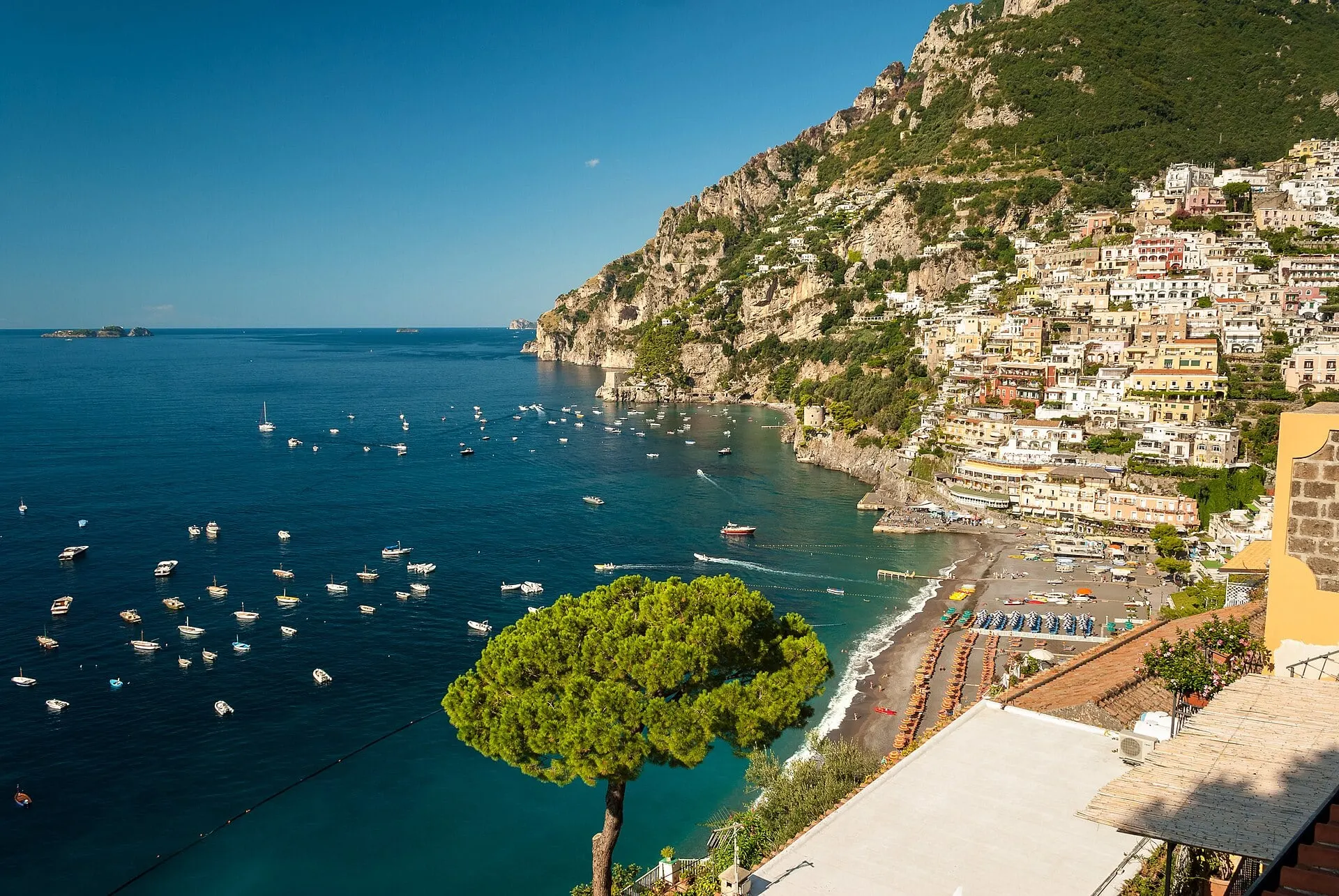
Positano and Capri face each other across 22 km of open water. The Amalfi Coast was built to be approached from the sea, its houses stacked up the gorges and its churches turned to the bay; UNESCO inscribed the whole coast as a World Heritage Site in 1997. Leaving it by boat is the way to see Positano whole, the town rising from the beach to the mountain behind you.
The route between the two is old sailors' water. Off Positano lie Li Galli, the islets the ancients called the Sirens' home, in a stretch of sea known for treacherous currents on the route south to the Strait of Messina. Further west the boat runs through the Bocca Piccola, a strait about 5 km wide and 70 m deep on average, between Capri and Punta Campanella, where the Greeks kept a sanctuary of Athena and passing ships poured wine into the sea and lowered their sails to her.
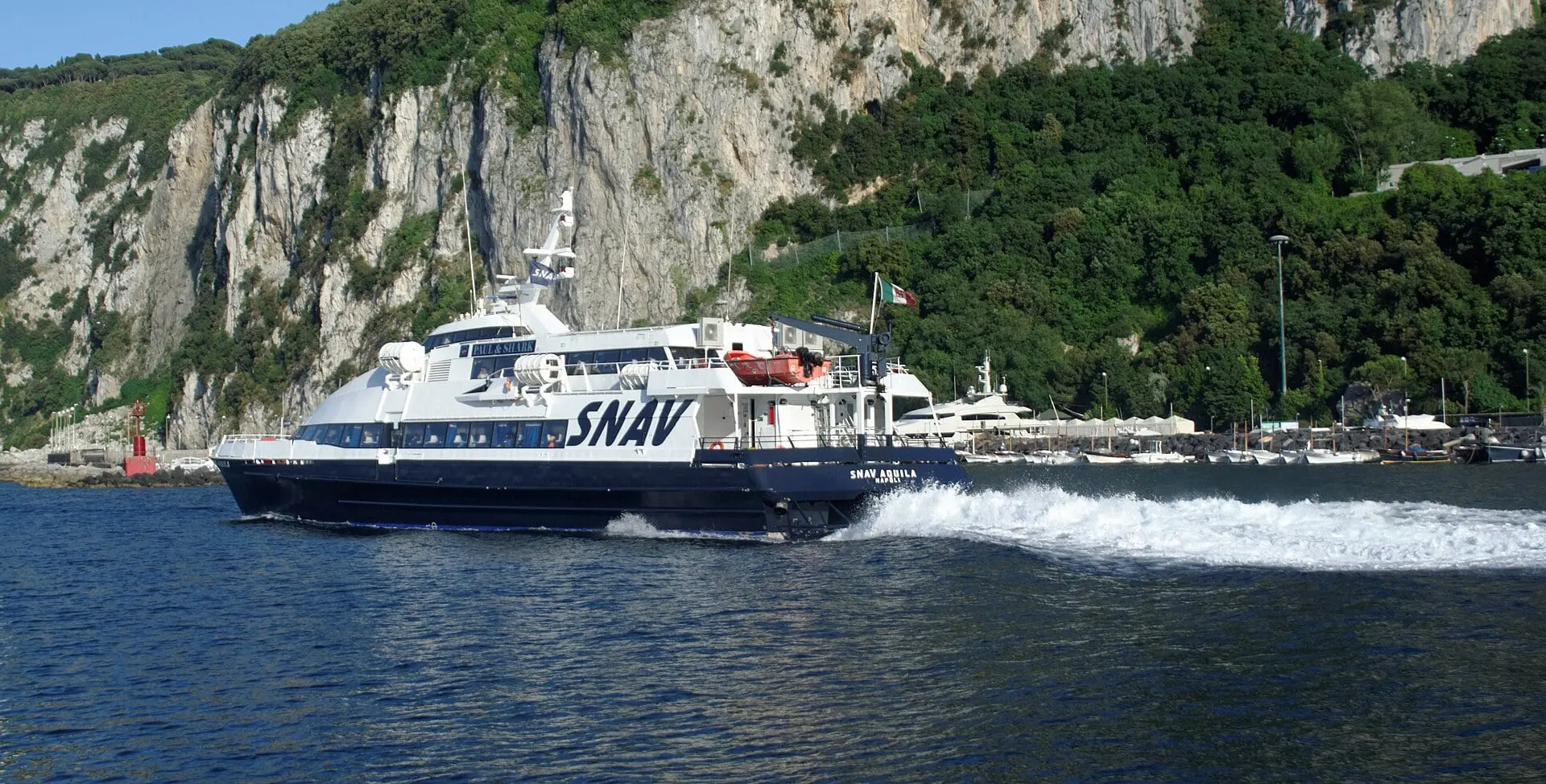
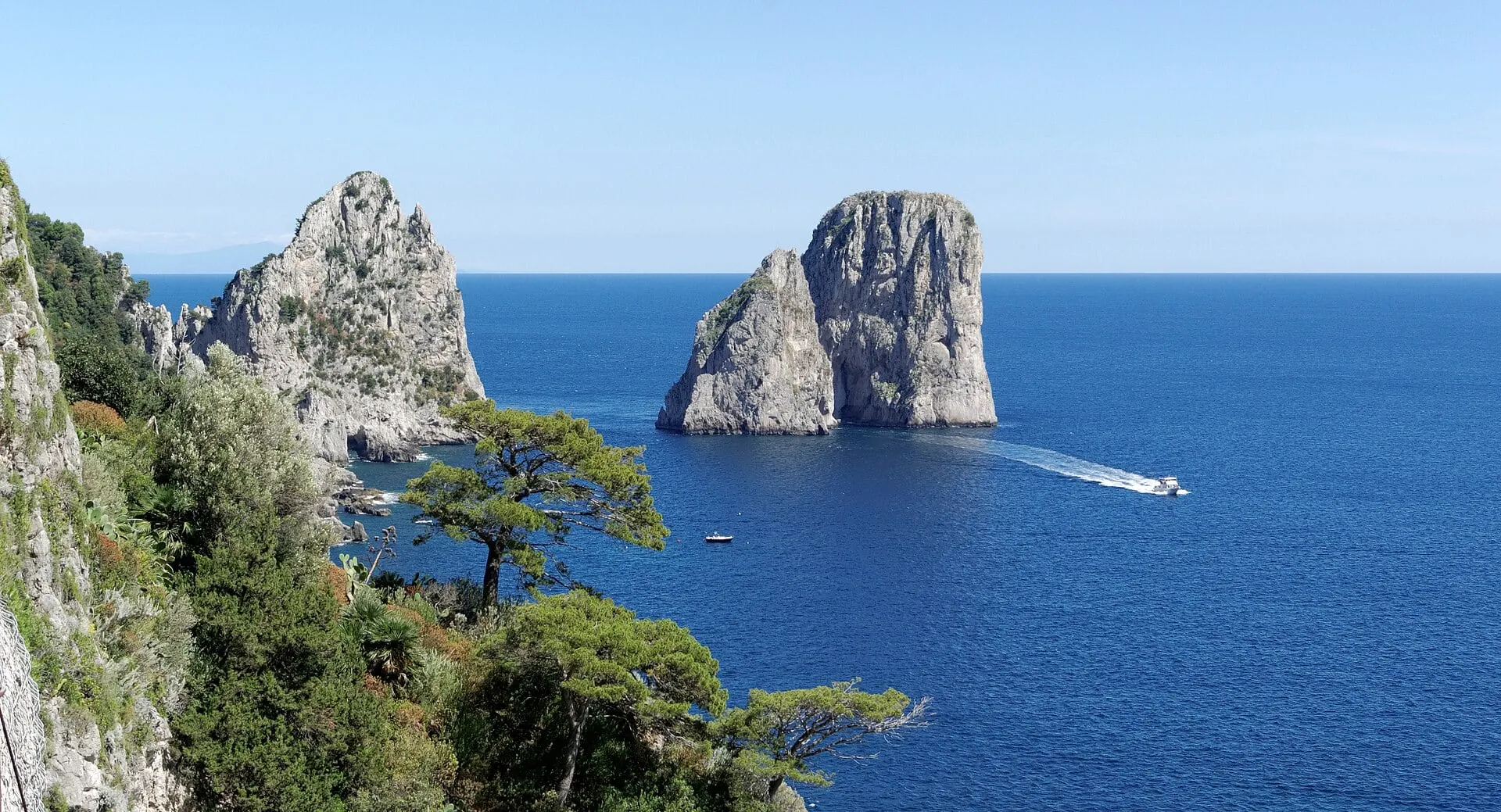
Then Capri. The boat rounds Punta del Capo under Monte Tiberio, where Tiberius built Villa Jovis, one of the twelve villas Tacitus says the emperor had on the island, and runs along the north shore under Monte Solaro, at 589 m the island's highest point, into Marina Grande. From here the island's two great sights are within reach before lunch: the funicular climbs to the Piazzetta, and the small boats leave the harbour for the Blue Grotto, a Roman nymphaeum that two German painters, August Kopisch and Ernst Fries, made famous in 1826.