Why this short crossing is one of the great ones
Few sea crossings change so much in an hour. You board in a small Andalusian town of whitewashed lanes and kite-surfers' cafés, and you land in Morocco, with a different continent, a different language and an earlier hour on the clock.
Tarifa has been watching this water for more than a thousand years. Its castle, named after Guzmán el Bueno, who held it for Castile, was founded for the Caliph of Córdoba, Abd al-Rahman III, in 960, the year carved in its foundation stone; the town's harbour sits beneath its walls. On the far shore, Tangier's Kasbah stands over the bay, the fortress that, in the words of Morocco's tourist board, dominates the medina.
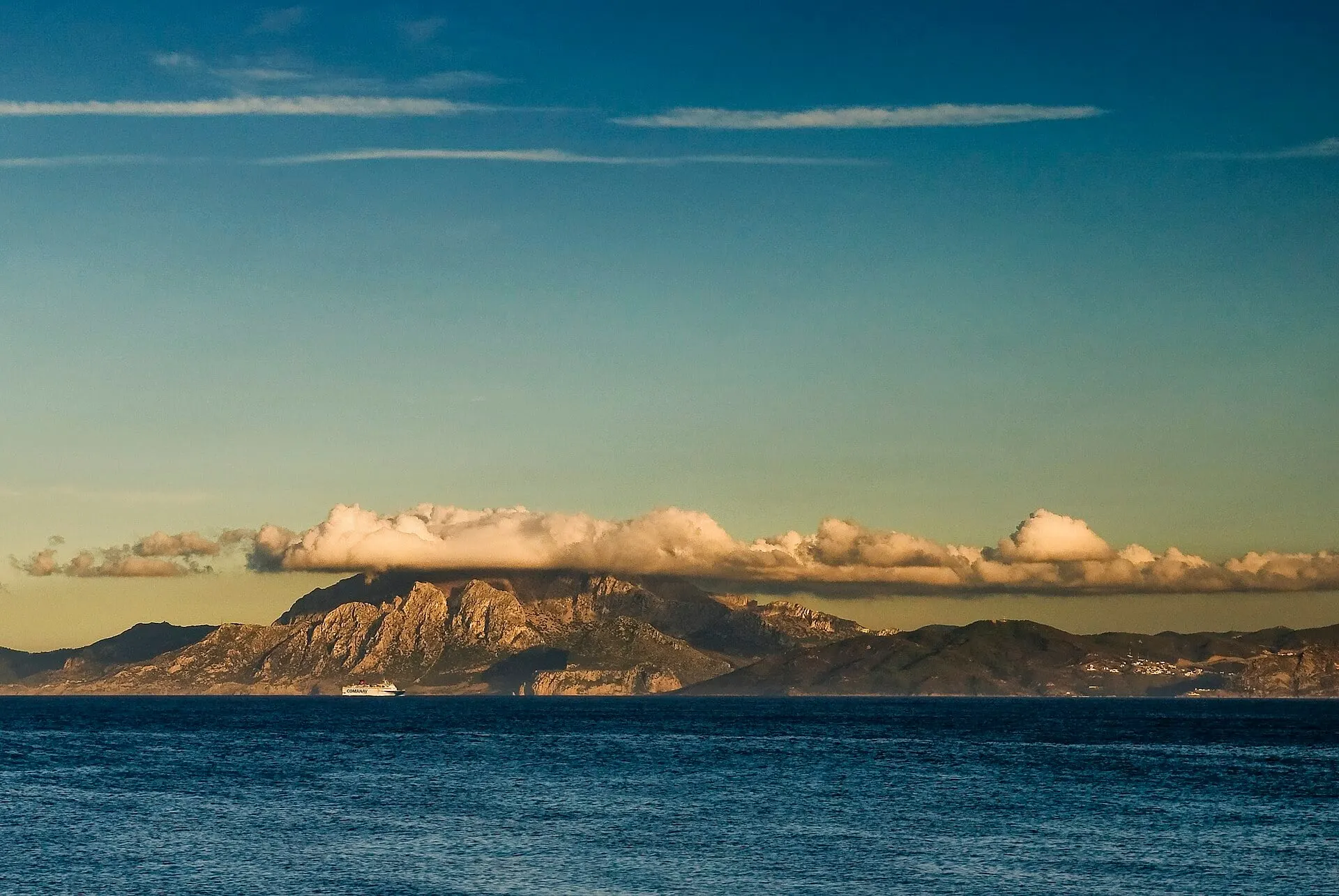
Between them runs the Strait of Gibraltar, Europe's narrow door to the Atlantic. In 2006 UNESCO made both shores, Andalusia and northern Morocco, a single biosphere reserve, the Intercontinental Biosphere Reserve of the Mediterranean, the first intercontinental reserve UNESCO declared. UNESCO notes migrating birds crossing the strait at a rate of 1,000 an hour, and whales and dolphins passing through the same water the ferry crosses.
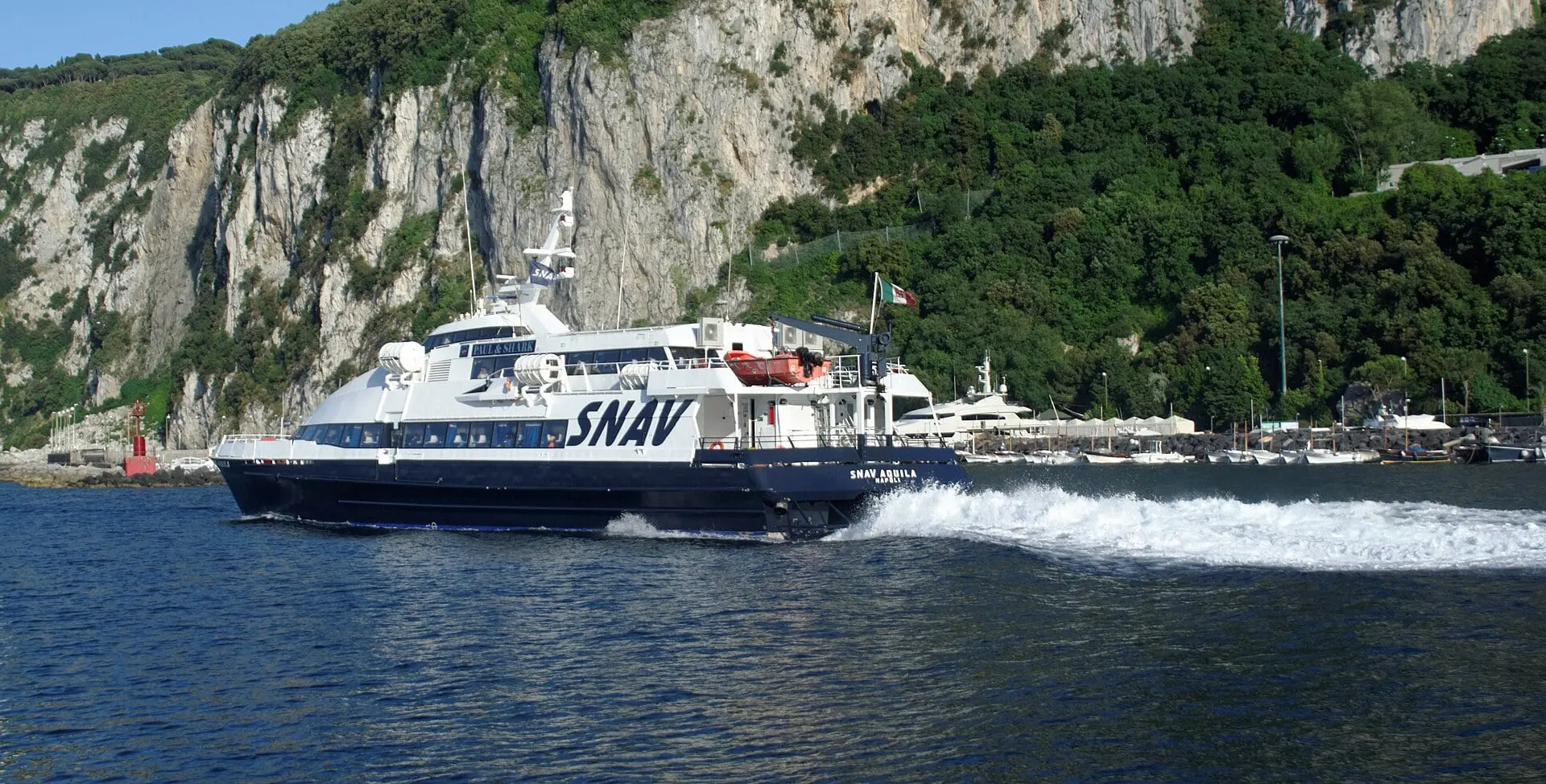
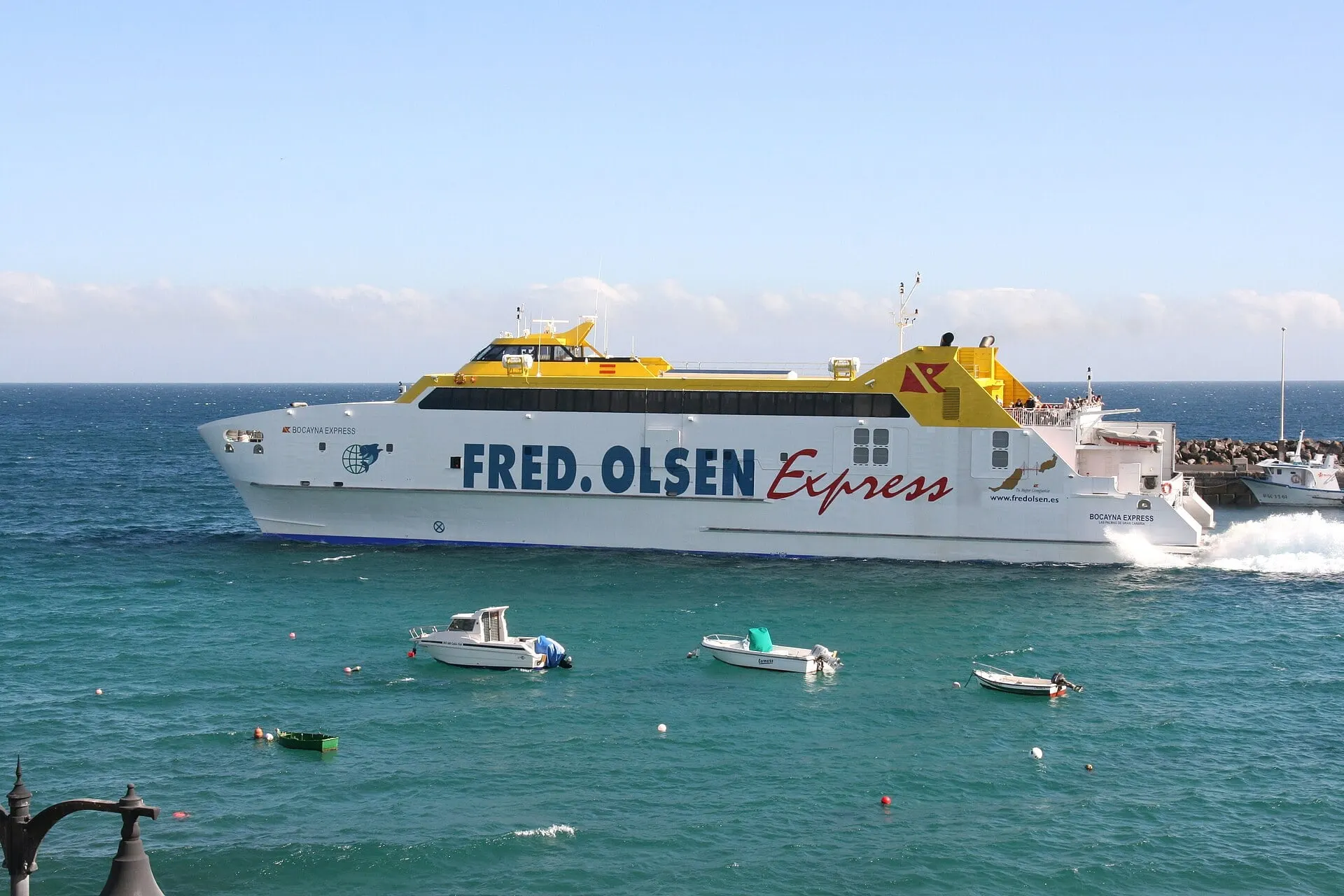
The route itself is being remade. Baleària took it over in May 2025 on a 15-year concession from the port authority of the Bay of Algeciras, and has two fully electric catamarans on order from the Armon yard in Gijón, due from 2027, each for 804 passengers and 225 vehicles. For now the crossing is made by two fast ferries that cross the 18 sea miles in about an hour, town centre to town centre.