Why this is one of the great journeys
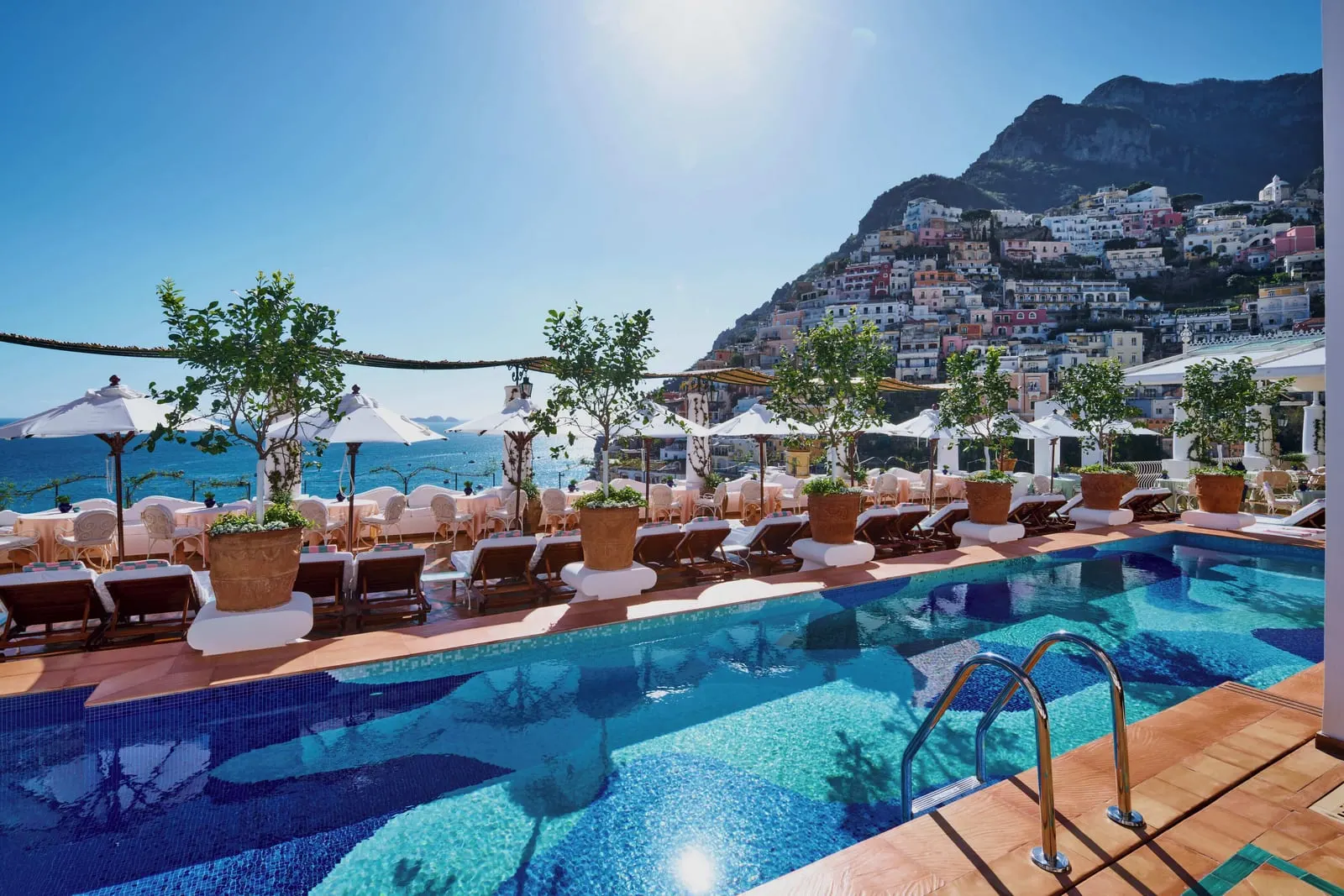
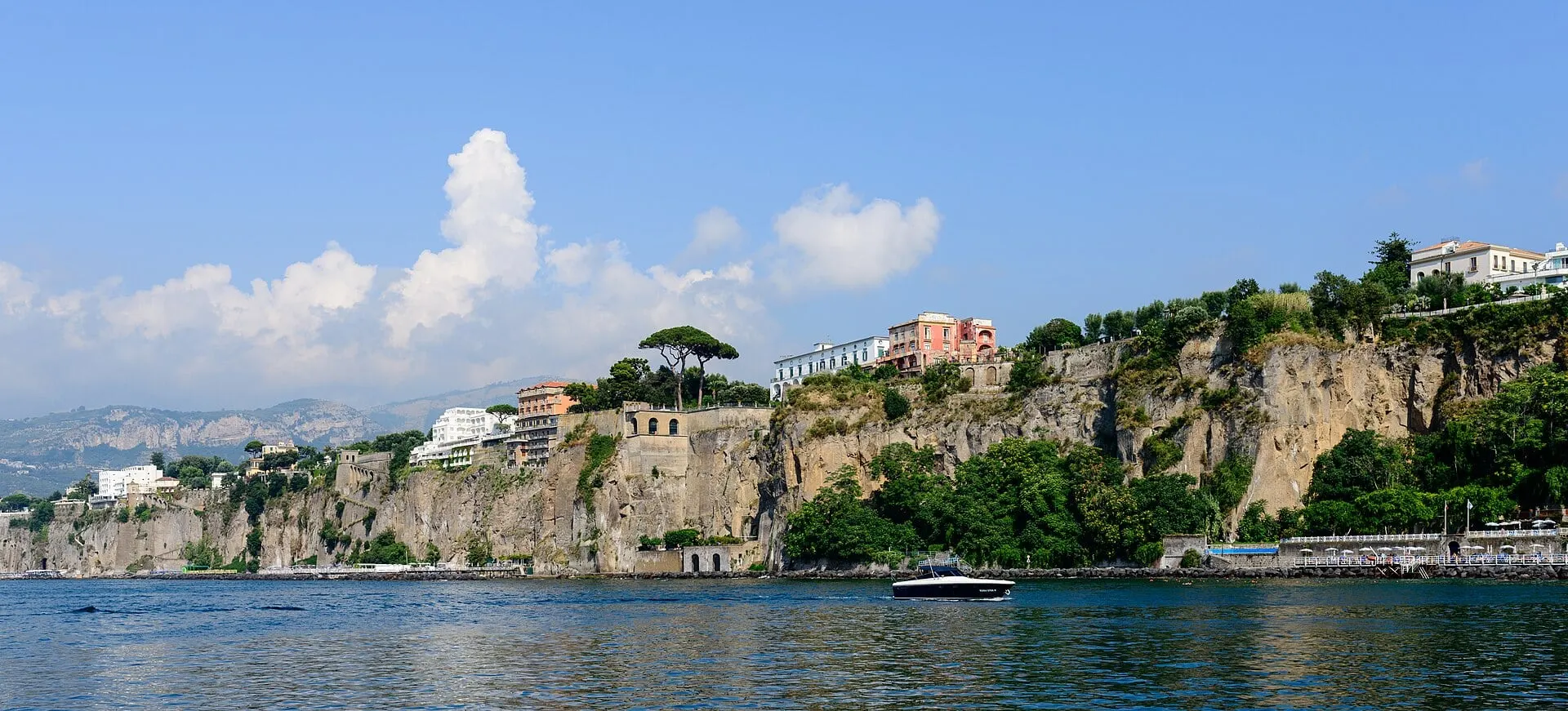
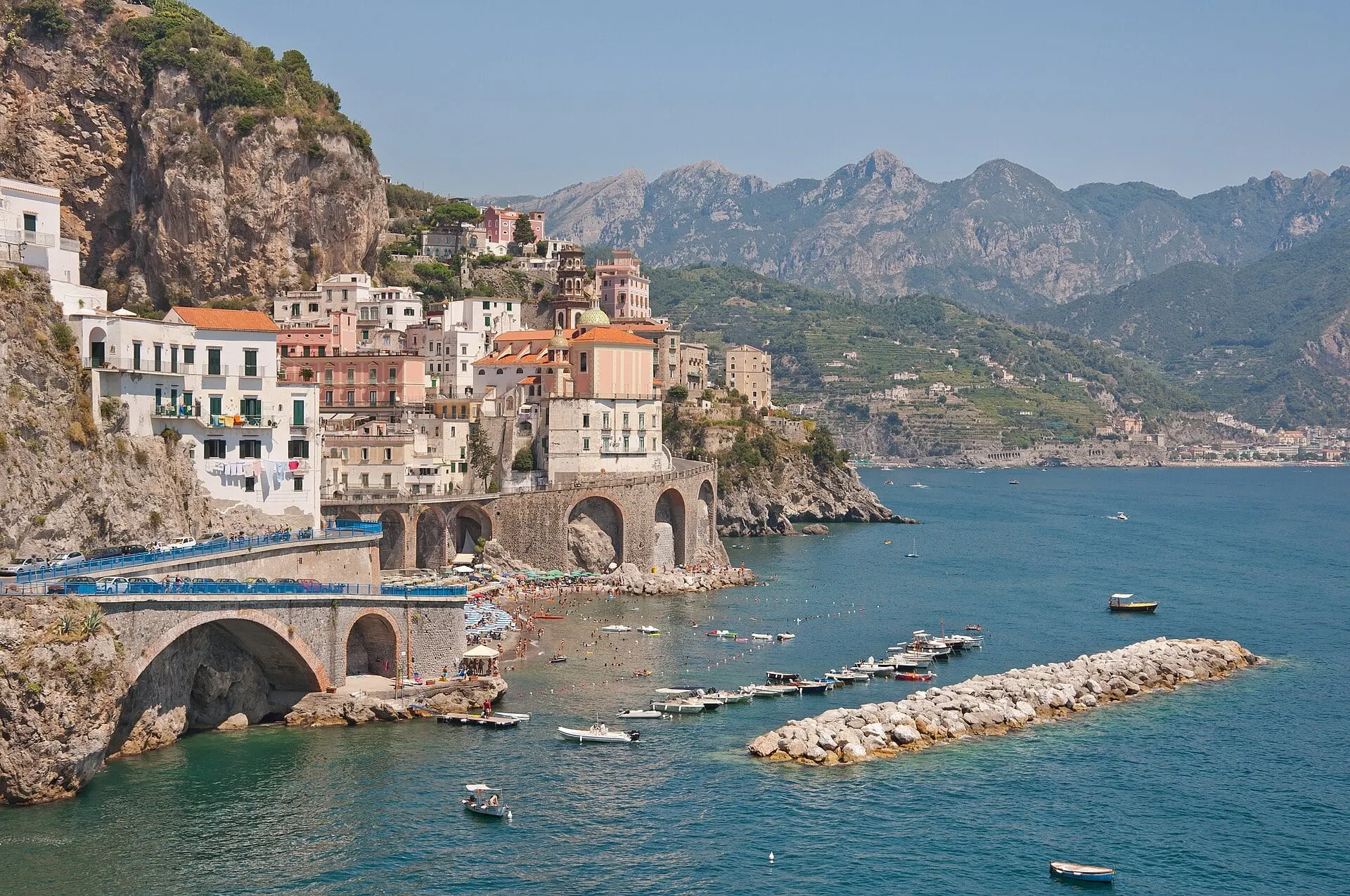
The Amalfi Coast was never meant to be reached by land. Its towns sit at the mouths of ravines between cliffs, and for most of their history the sea was the road. Amalfi was the oldest of Italy's four Maritime Republics, trading across the Mediterranean, and its cathedral, founded in 987 and reached by a stair of 62 steps, still has a bronze door cast in Constantinople. UNESCO inscribed the coast as a World Heritage Site in 1997, a cultural landscape of 16 municipalities in the province of Salerno, with terraces of lemons, vines and olives stepped up the cliffs.
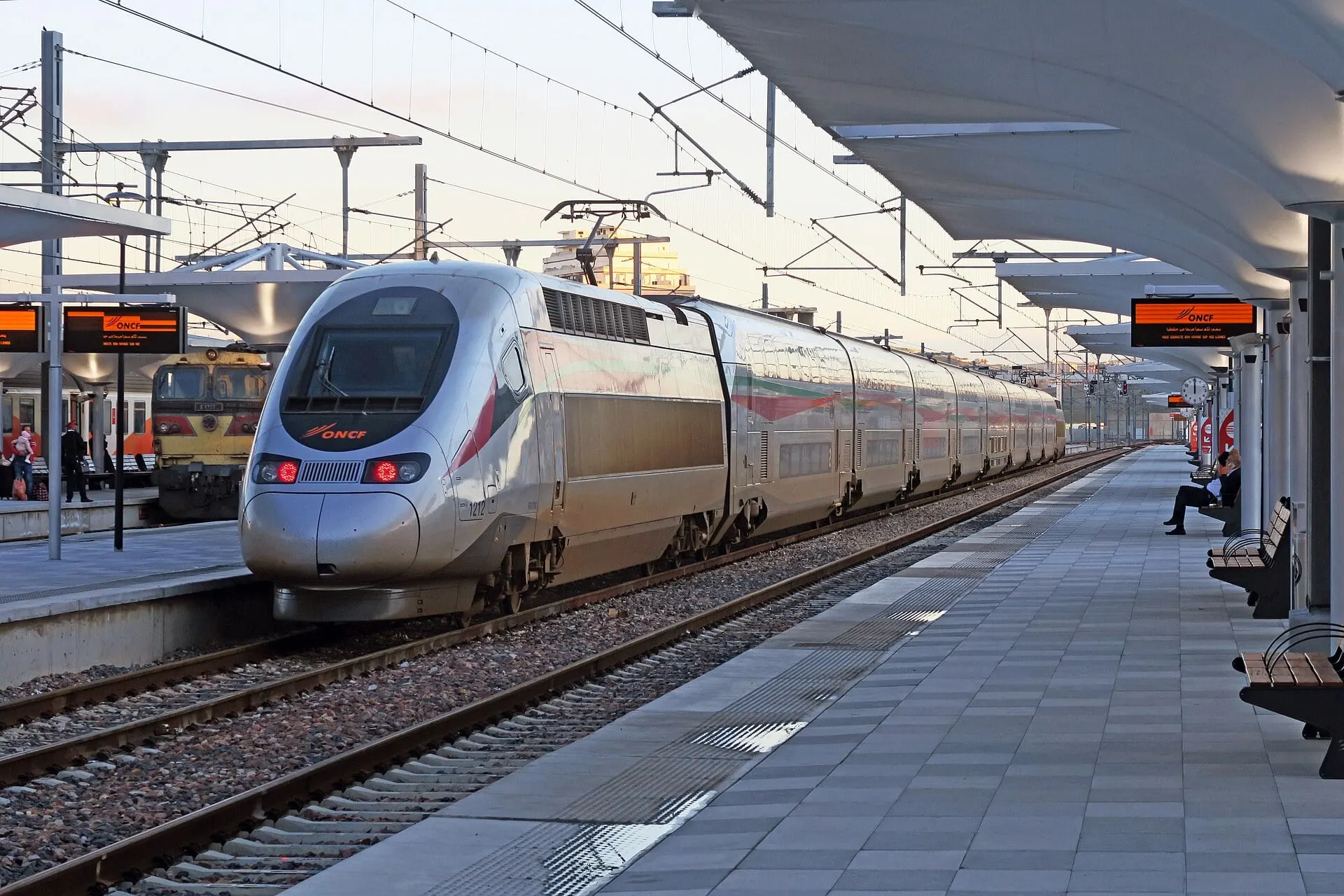
The modern journey keeps that shape. The high-speed line does the dull part fast: Rome to Salerno in under two hours on the quickest trains, with no change. Then you walk from the station to the quay at Piazza della Concordia and the boat takes over, past the majolica domes of Vietri sul Mare and the fishing harbour of Cetara to Amalfi, and on along the cliffs to Positano.
There is a neat symmetry in the architecture. The fastest trains call at Napoli Afragola, Zaha Hadid's 500 m curve of a station bridging the tracks, opened in 2017; in Salerno her oyster-shaped Stazione Marittima on the Molo Manfredi, opened in 2016, watches the boats come and go. Between the two you pass the bulk of Vesuvius. The railway brings you to the edge of the coast; the sea delivers you to it, which is how the place is still best seen for the first time.