Why a commuter line under Vesuvius is one of Europe's great train rides
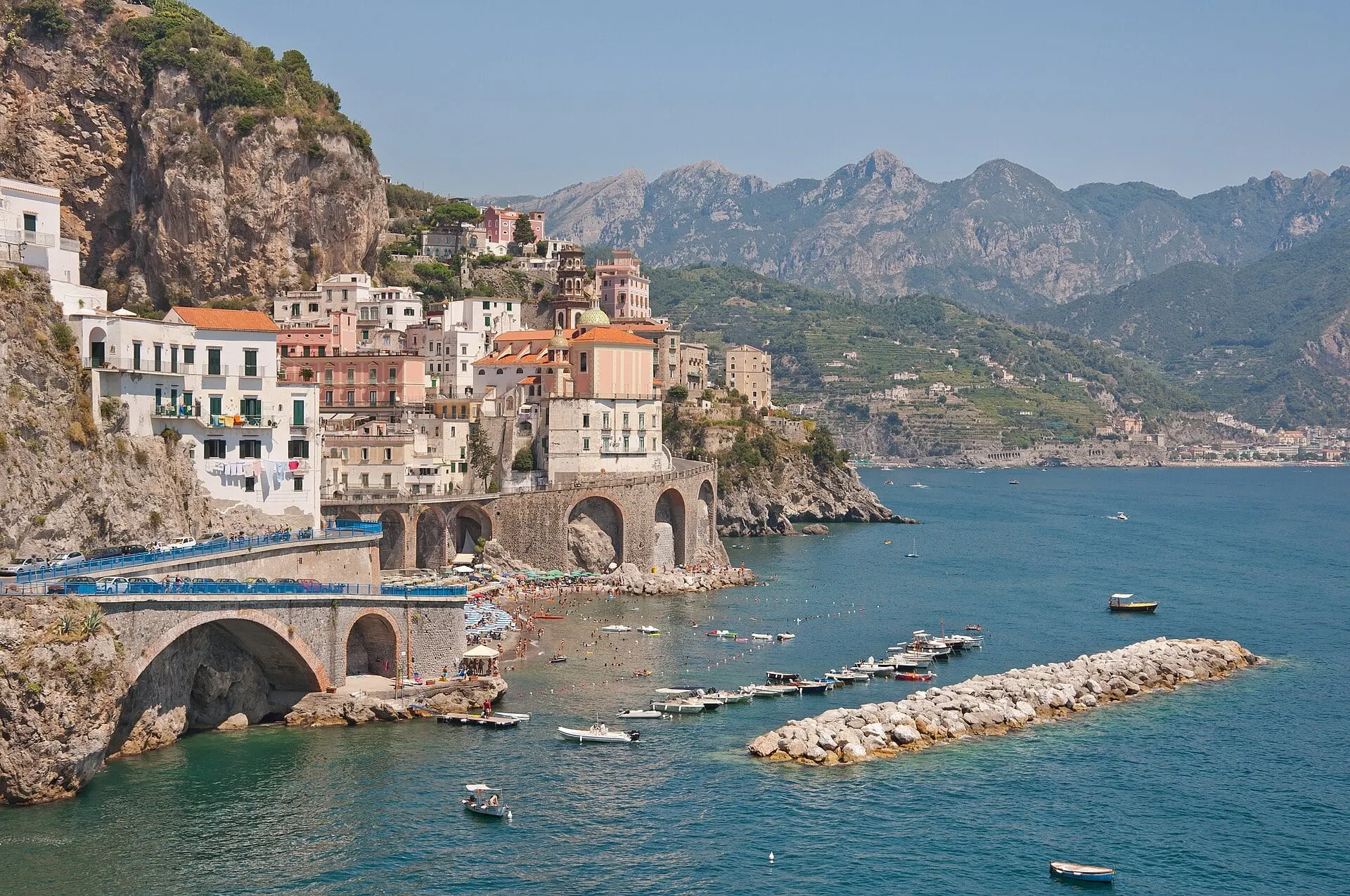
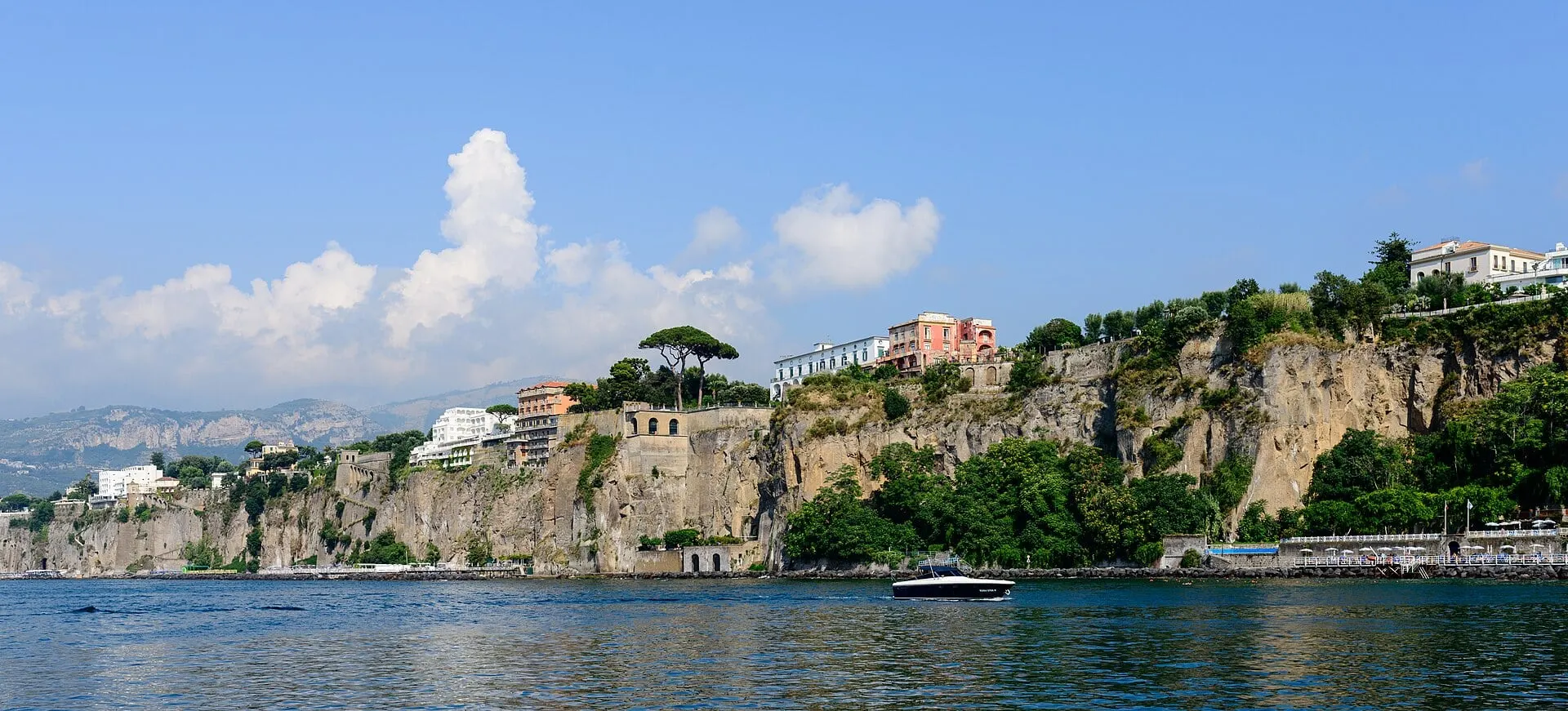
The line is short and the history along it is long. Out of Naples it keeps to the bay through Portici and Ercolano, with Vesuvius filling the windows on the inland side; past Torre Annunziata it swings along the edge of Pompeii itself, tunnels through to Castellammare di Stabia and then runs out along the cliffs of the Sorrento peninsula to the end of the line. On the way it serves all three parts of the UNESCO World Heritage site listed in 1997 as the archaeological areas of Pompeii, Herculaneum and Torre Annunziata, buried in the eruption of AD 79.
It was built by a railway that was always reaching for Sorrento. Electric trains ran from Naples to Valle di Pompei from March 1905. In 1934 the line was pushed from Torre Annunziata to Castellammare past the ruins, with a new station at the Villa dei Misteri that Naples' Il Mattino described as decorated with Pompeian pergolas and colonnades. Sorrento travellers still changed to a tram. Work on the last 12.5 km began in July 1944, among the damage of war, and on 6 January 1948 the line opened to Sorrento; the same day the old Castellammare tram made its last run. A magazine of 1947 had already called it the most poetic tourist railway there would be.
It is busy, because it is useful: in 2023 EAV estimated more than 15,000 passengers a day on the Sorrento line, over two million of them visitors in the year. From 17 October 2026 every train is a direttissimo, one every 30 minutes, and ten new ETR 300 trains are joining the fleet.